Safety note: Admin approval is an initial review, not a guarantee that every detail is correct. Check important or urgent claims with official sources and report anything inaccurate or unsafe.
Source and credit: Contributor's own report
Brisbane’s Centenary Pool to Close Ahead of Major Olympic Redevelopment - Brisbane, QLD
Smart summary
The historic Centenary Pool will close at the end of August before being transformed as part of Brisbane’s preparations for the 2032 Olympic and Paralympic Games.
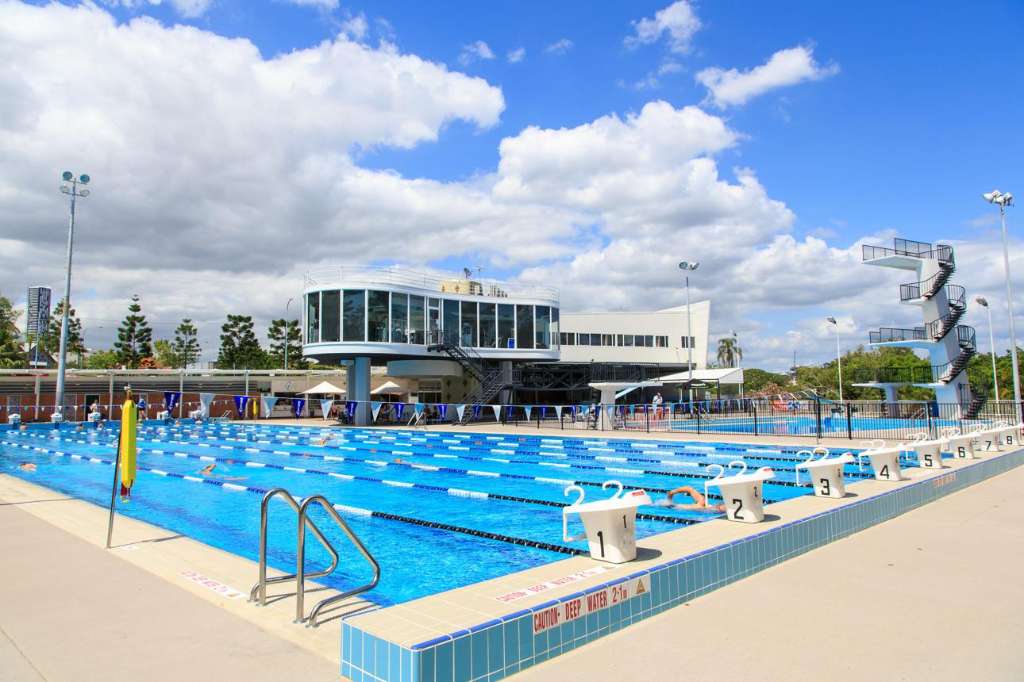
Brisbane’s historic Centenary Pool is preparing to close at the end of August as the site moves toward a major redevelopment connected to the Brisbane 2032 Olympic and Paralympic Games. The development marks a significant change for one of the city’s best-known swimming venues, which has served the Brisbane community for more than six decades. The latest update was published by ABC News on Saturday, 8 August 2026.
Centenary Pool first opened to the public in 1959 and quickly became an important part of Brisbane’s sporting and social life. It was Brisbane’s first Olympic-standard swimming pool and was developed during a period when swimming was becoming increasingly popular across Australia following the country’s strong performance at the 1956 Melbourne Olympic Games.
The pool has since become a heritage-listed site, preserving an important part of Brisbane’s architectural and sporting history. Its design was created by Brisbane City architect James Birrell, whose work helped shape several significant public buildings across the city.
Over the decades, Centenary Pool became more than a place for competitive swimming. It developed into a popular community destination where families, schoolchildren, athletes and recreational swimmers could spend time together. Former visitors have recalled spending entire summer days at the facility and enjoying its diving tower, pool and distinctive surroundings.
The closure will allow the site to transition into a much larger aquatic facility. From September 1, the centre is scheduled to be handed over to the Games Independent Infrastructure and Coordination Authority, which is responsible for delivering venue infrastructure for the Brisbane 2032 Games.
Centenary Pool will become part of a new National Aquatic Centre. Plans call for three new pools and permanent seating for approximately 8,800 spectators. The redevelopment is intended to provide a modern venue capable of supporting major international sporting events while continuing the site’s connection with swimming and the Brisbane community.
The redevelopment also reflects Brisbane’s broader preparations for the 2032 Olympic and Paralympic Games. Major infrastructure projects across the city are being planned or delivered to provide venues and facilities capable of supporting athletes, spectators and visitors from around Australia and overseas.
For longtime Brisbane residents, however, the closure represents the end of an important chapter. Former swimmers and community members have shared memories of the pool and its role in their childhoods, sporting experiences and family life.
Olympic swimmer Mark Stockwell has also been associated with the venue and previously supported redevelopment efforts. He has emphasised the importance of protecting the site’s history while allowing it to enter a new stage of development.
The redevelopment is therefore expected to combine Brisbane’s swimming heritage with modern Olympic infrastructure. While the existing facility will close, the future aquatic centre is intended to maintain the site’s role as an important community and sporting destination.
For Brisbane, the project represents both a farewell to a historic swimming venue and the beginning of a major new chapter ahead of the 2032 Games.
BrisbanePoolSwimmingGamesOlympic
Brisbane’s historic Centenary Pool is preparing to close at the end of August as the site moves toward a major redevelopment connected to the Brisbane 2032 Olympic and Paralympic Games. The development marks a significant change for one of the city’s best-known swimming venues, which has served the Brisbane community for more than six decades. The latest update was published by ABC News on Saturday, 8 August 2026.
Centenary Pool first opened to the public in 1959 and quickly became an important part of Brisbane’s sporting and social life. It was Brisbane’s first Olympic-standard swimming pool and was developed during a period when swimming was becoming increasingly popular across Australia following the country’s strong performance at the 1956 Melbourne Olympic Games.
The pool has since become a heritage-listed site, preserving an important part of Brisbane’s architectural and sporting history. Its design was created by Brisbane City architect James Birrell, whose work helped shape several significant public buildings across the city.
Over the decades, Centenary Pool became more than a place for competitive swimming. It developed into a popular community destination where families, schoolchildren, athletes and recreational swimmers could spend time together. Former visitors have recalled spending entire summer days at the facility and enjoying its diving tower, pool and distinctive surroundings.
The closure will allow the site to transition into a much larger aquatic facility. From September 1, the centre is scheduled to be handed over to the Games Independent Infrastructure and Coordination Authority, which is responsible for delivering venue infrastructure for the Brisbane 2032 Games.
Centenary Pool will become part of a new National Aquatic Centre. Plans call for three new pools and permanent seating for approximately 8,800 spectators. The redevelopment is intended to provide a modern venue capable of supporting major international sporting events while continuing the site’s connection with swimming and the Brisbane community.
The redevelopment also reflects Brisbane’s broader preparations for the 2032 Olympic and Paralympic Games. Major infrastructure projects across the city are being planned or delivered to provide venues and facilities capable of supporting athletes, spectators and visitors from around Australia and overseas.
For longtime Brisbane residents, however, the closure represents the end of an important chapter. Former swimmers and community members have shared memories of the pool and its role in their childhoods, sporting experiences and family life.
Olympic swimmer Mark Stockwell has also been associated with the venue and previously supported redevelopment efforts. He has emphasised the importance of protecting the site’s history while allowing it to enter a new stage of development.
The redevelopment is therefore expected to combine Brisbane’s swimming heritage with modern Olympic infrastructure. While the existing facility will close, the future aquatic centre is intended to maintain the site’s role as an important community and sporting destination.
For Brisbane, the project represents both a farewell to a historic swimming venue and the beginning of a major new chapter ahead of the 2032 Games.
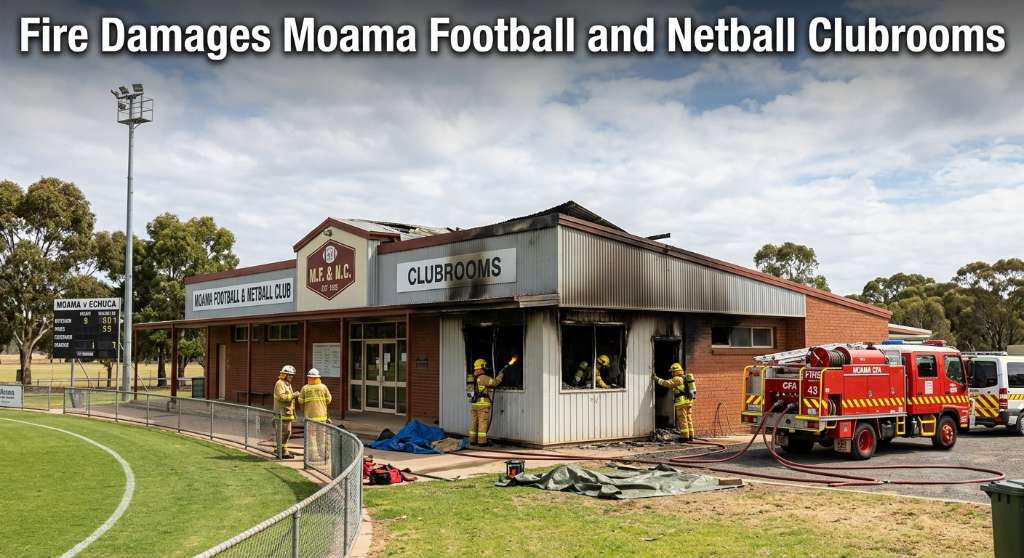
A fire damaged the Moama Football and Netball Club's social rooms during Saturday's grand final, forcing about 1,000 people to leave the building becaus...
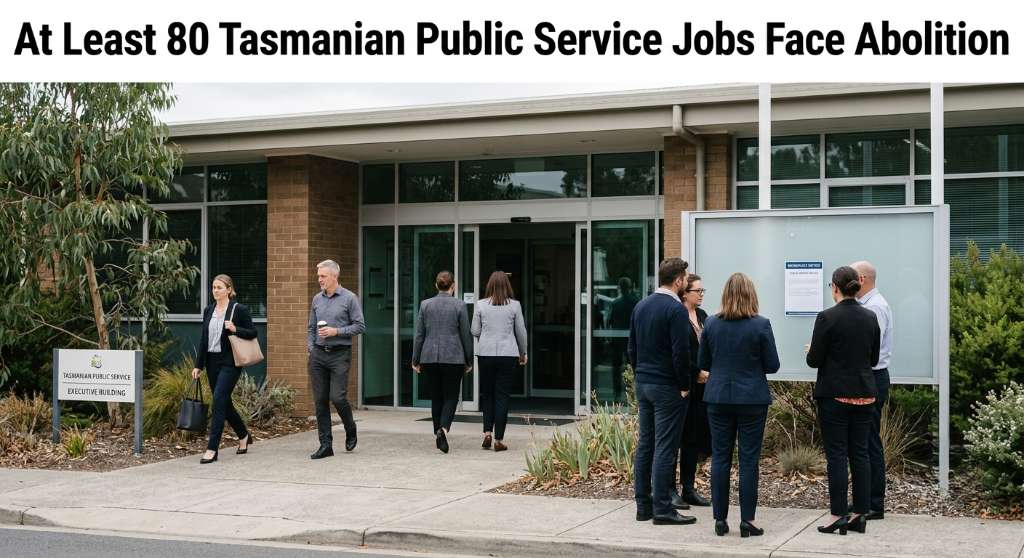
At least 80 positions have been identified for abolition as Tasmania restructures parts of its public service and works toward a broader reduction in go...
A local investor has purchased Brisbane's historic Coorparoo Bowls Club, with both bowling greens set to remain and the clubhouse planned for renovation.
A Bendigo-based migration agent has raised concerns about proposed changes to Australia’s migration system, saying the federal government’s planned reduction in net migration co...
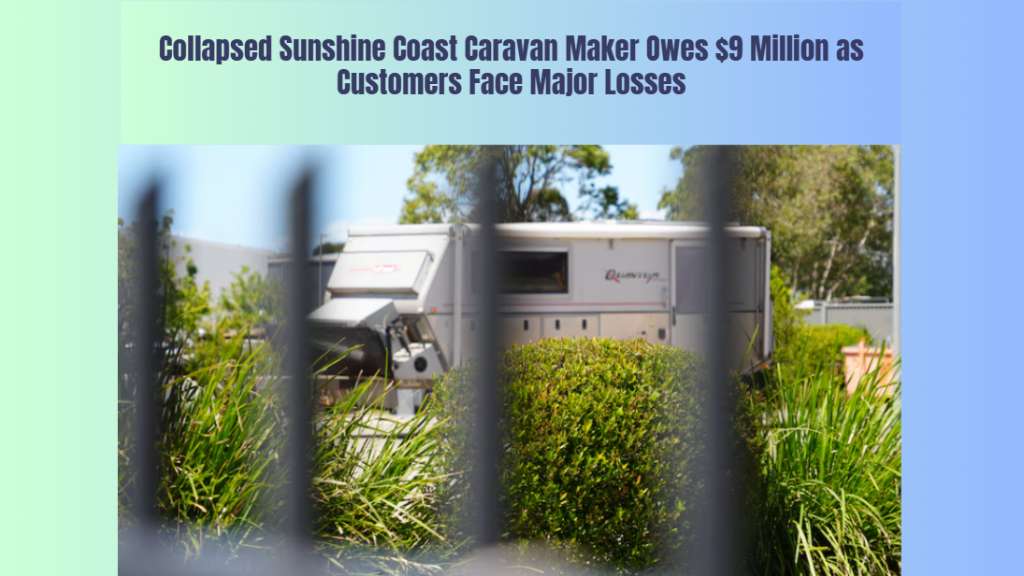
Administrators have revealed Australian Off Road owes about $9 million after the Sunshine Coast caravan manufacturer collapsed, leaving customers, emplo...
Rockhampton Regional Council says the rising cost of transporting recyclable waste hundreds of kilometres is making it difficult to meet Queensland's re...
Researchers have recorded a small increase in dugong numbers around Hervey Bay and the Great Sandy Strait after severe flooding damaged seagrass habitat...
A new Cooperative Research Centre based at the University of Queensland's Brisbane city campus will bring researchers, industry and government together...
Administrators have revealed Australian Off Road owes about $9 million after the Sunshine Coast caravan manufacturer collapsed, leaving customers, emplo...
A woman has died following a serious three-vehicle collision involving a commercial bus and two cars in Glenburn, in Victoria’s Yarra Ranges, on Thursday, 24 September 2026. Eme...
A woman has died following a serious three-car collision in Leongatha, Victoria, on Wednesday afternoon, 23 September 2026. Emergency services were called to the Strzelecki High...
A Queensland parliamentary committee has completed regional hearings on proposed tougher bail laws, hearing from crime victims, legal experts and commun...