Safety note: Admin approval is an initial review, not a guarantee that every detail is correct. Check important or urgent claims with official sources and report anything inaccurate or unsafe.
Source and credit: Contributor's own report
Brisbane Turns Graffiti-Prone Streets Into Public Art Ahead of 2032 Olympics - Brisbane, QLD
Smart summary
Brisbane is transforming plain walls and graffiti-prone public spaces into colourful murals by local artists, with a Newstead tunnel artwork and a Toowong underpass project highlighting the city's approach ahead of th...
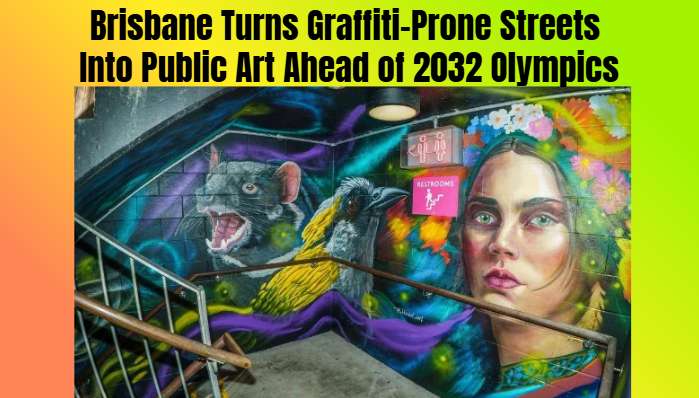
Brisbane is expanding its use of public art to transform ordinary urban spaces, support local artists and reduce the ongoing costs of graffiti removal as the city prepares to welcome visitors for the 2032 Olympic and Paralympic Games.
One of the latest projects is a 200-metre tunnel in Newstead, where Brisbane-born street artist Jarad Danby has completed his first public mural in his hometown. Danby, whose work has appeared in cities around the world, created the artwork to reflect Brisbane's identity, history and future.
The mural incorporates colourful images inspired by locally sourced objects, fresh produce and items connected to the area's past. To develop the design, Danby visited a local museum, selected objects that represented the community's history and photographed them. He then used a digital design and a grid drawn on the tunnel wall to transfer the artwork accurately onto the large surface.
The project was funded by Brisbane City Council as part of a broader effort to showcase home-grown creative talent. The council has indicated that more public art projects are planned in the years leading up to the Games, providing opportunities for local artists to share Brisbane's stories with residents and international visitors.
Public art is also being used as a practical way to address graffiti vandalism. In Toowong, an underpass that previously required regular cleaning and repainting has been transformed with a colourful mural. Brisbane City Council had been spending around $25,000 annually on graffiti removal in the tunnel before the artwork was introduced.
The project used recycled paint to keep costs manageable. According to street art curator Matthew Tervo, the project's success was measured partly by whether it could reduce spending on vandalism removal by half. In the first six months after the mural was completed, only one instance of vandalism was reported at the site.
The approach reflects a wider effort to make public spaces more welcoming while providing legal opportunities for artistic expression. Brisbane already supports a range of mural and community art initiatives, including Artforce Brisbane, which features artwork on traffic signal boxes across the city.
For local communities, these projects can provide more visually engaging surroundings while giving artists opportunities to display their work. The murals also aim to create a stronger connection between neighbourhood identity, local history and the built environment.
With six years remaining until the 2032 Games, Brisbane's public art program is expected to continue evolving. The city is using these projects to highlight local creativity while exploring ways to maintain public infrastructure and manage graffiti-related costs.
BrisbaneCityMuralArtworkProjects
Brisbane is expanding its use of public art to transform ordinary urban spaces, support local artists and reduce the ongoing costs of graffiti removal as the city prepares to welcome visitors for the 2032 Olympic and Paralympic Games.
One of the latest projects is a 200-metre tunnel in Newstead, where Brisbane-born street artist Jarad Danby has completed his first public mural in his hometown. Danby, whose work has appeared in cities around the world, created the artwork to reflect Brisbane's identity, history and future.
The mural incorporates colourful images inspired by locally sourced objects, fresh produce and items connected to the area's past. To develop the design, Danby visited a local museum, selected objects that represented the community's history and photographed them. He then used a digital design and a grid drawn on the tunnel wall to transfer the artwork accurately onto the large surface.
The project was funded by Brisbane City Council as part of a broader effort to showcase home-grown creative talent. The council has indicated that more public art projects are planned in the years leading up to the Games, providing opportunities for local artists to share Brisbane's stories with residents and international visitors.
Public art is also being used as a practical way to address graffiti vandalism. In Toowong, an underpass that previously required regular cleaning and repainting has been transformed with a colourful mural. Brisbane City Council had been spending around $25,000 annually on graffiti removal in the tunnel before the artwork was introduced.
The project used recycled paint to keep costs manageable. According to street art curator Matthew Tervo, the project's success was measured partly by whether it could reduce spending on vandalism removal by half. In the first six months after the mural was completed, only one instance of vandalism was reported at the site.
The approach reflects a wider effort to make public spaces more welcoming while providing legal opportunities for artistic expression. Brisbane already supports a range of mural and community art initiatives, including Artforce Brisbane, which features artwork on traffic signal boxes across the city.
For local communities, these projects can provide more visually engaging surroundings while giving artists opportunities to display their work. The murals also aim to create a stronger connection between neighbourhood identity, local history and the built environment.
With six years remaining until the 2032 Games, Brisbane's public art program is expected to continue evolving. The city is using these projects to highlight local creativity while exploring ways to maintain public infrastructure and manage graffiti-related costs.
Tasmanian homeowners and businesses are facing higher borrowing costs after the Reserve Bank lifted the cash rate to 4.6 per cent, with lower average wa...
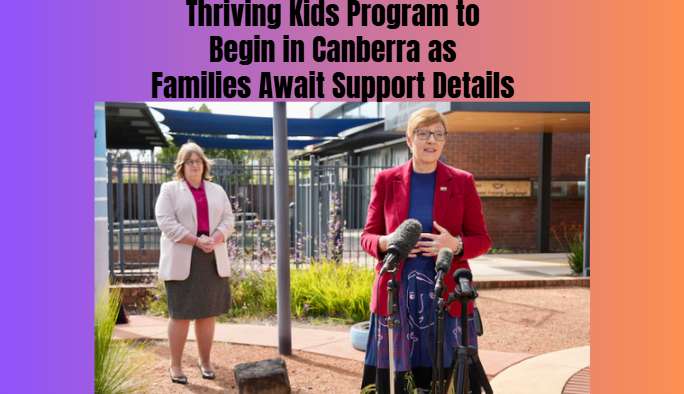
The ACT will begin the first phase of the Thriving Kids program on October 1, providing developmental support pathways for children while concerns remai...
Geelong's historic Botanic Gardens are preparing for their 175th anniversary, with volunteers and horticultural staff working to preserve a living colle...
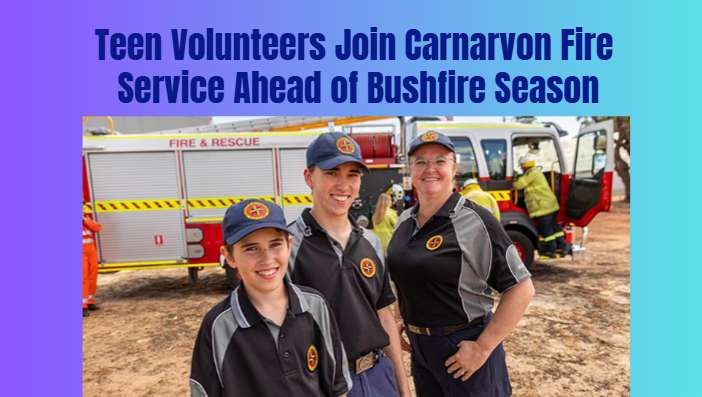
Three high-school students have joined the Carnarvon Volunteer Fire and Rescue Service as the regional organisation works to strengthen its volunteer nu...
A Queensland government department has lost approximately $800,000 in a cyberattack, prompting a review that found no government data or sensitive infor...
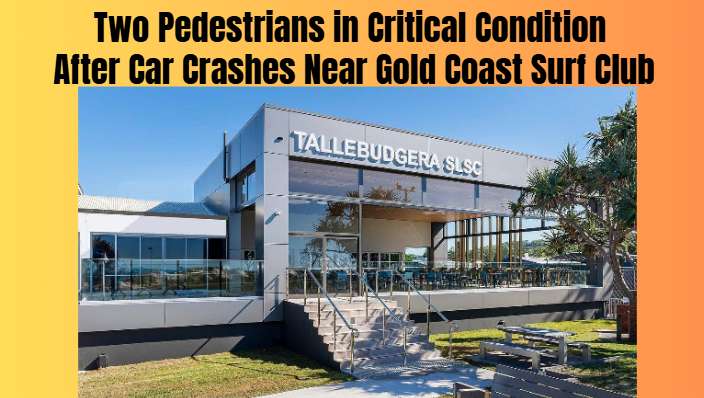
Two pedestrians remain in critical condition after a car struck them near Tallebudgera Surf Club, prompting a major emergency response and a police inve...
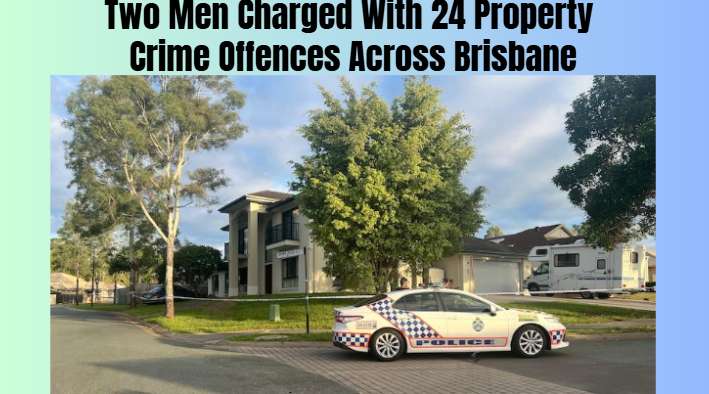
Two men have been charged following an investigation into alleged break-ins and vehicle thefts in Belmont and Carindale, with police linking the investi...
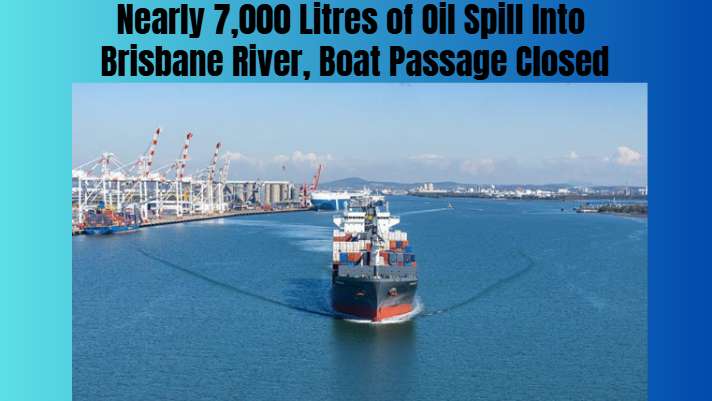
A major oil spill during a ship-refuelling operation at the Port of Brisbane has prompted a pollution response, with authorities closing the Whyte Islan...
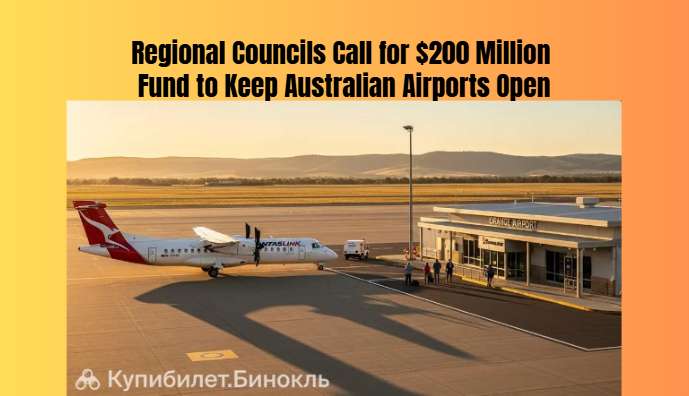
Regional councils are calling on the Australian Government to establish a $200 million funding program to help maintain regional airports, after a surve...
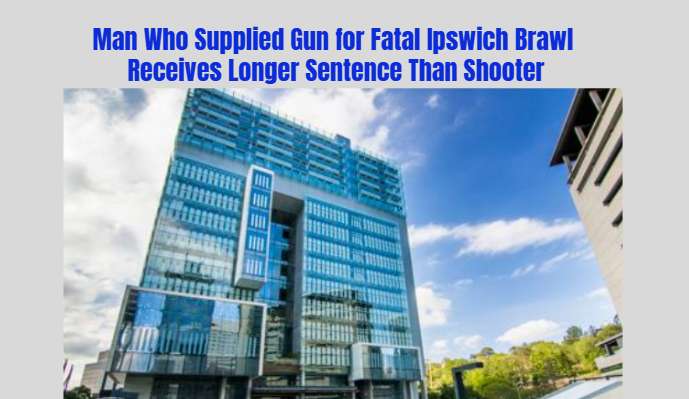
A man convicted of supplying the firearm used in a fatal 2021 brawl in North Booval, Ipswich, has received a longer prison sentence than the gunman, fol...
A Queensland government department has lost approximately $800,000 in a cyberattack, prompting a review that found no government data or sensitive infor...
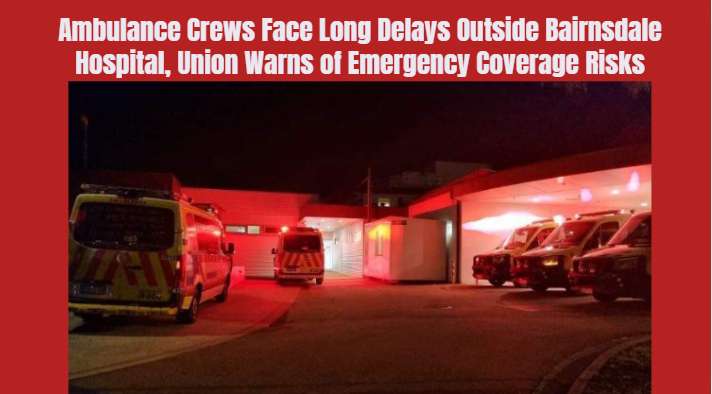
Ambulance crews in Bairnsdale have reportedly spent several hours waiting to transfer patients into hospital care, prompting concerns from the Victorian...