Safety note: Admin approval is an initial review, not a guarantee that every detail is correct. Check important or urgent claims with official sources and report anything inaccurate or unsafe.
Source and credit: Contributor's own report
Bundaberg local Lindsay raises organ donation awareness during Donate Life Week - Bundaberg, QLD
Smart summary
Bundaberg resident Lindsay is sharing his personal journey during Donate Life Week, encouraging Australians to register as organ and tissue donors and discuss their decision with family.
Bundaberg resident Lindsay is helping raise awareness about the importance of organ and tissue donation during Donate Life Week 2026, using his personal experience to encourage more Australians to register as donors and have life-saving conversations with their loved ones.
Donate Life Week, running from 26 July to 2 August 2026, is Australia's largest annual awareness campaign promoting organ and tissue donation. The campaign encourages people to register on the Australian Organ Donor Register and, equally importantly, to let their family know about their wishes.
Lindsay's story highlights the life-changing impact that organ donation can have on individuals and families. By sharing his experience with the Bundaberg community, he hopes more people will understand the value of becoming an organ donor and how one decision can provide hope to multiple people waiting for a transplant.
According to Donate Life, around 2,000 Australians are currently waiting for an organ transplant, while thousands more receive ongoing treatment for conditions such as kidney failure and may eventually require transplantation. Despite widespread public support for organ donation, only about one in three Australians are officially registered as donors.
Health experts explain that registering as a donor is only part of the process. Families are always consulted before organ and tissue donation proceeds, making it essential for people to discuss their wishes with relatives in advance. Research has shown families are significantly more likely to support donation when they know their loved one's decision.
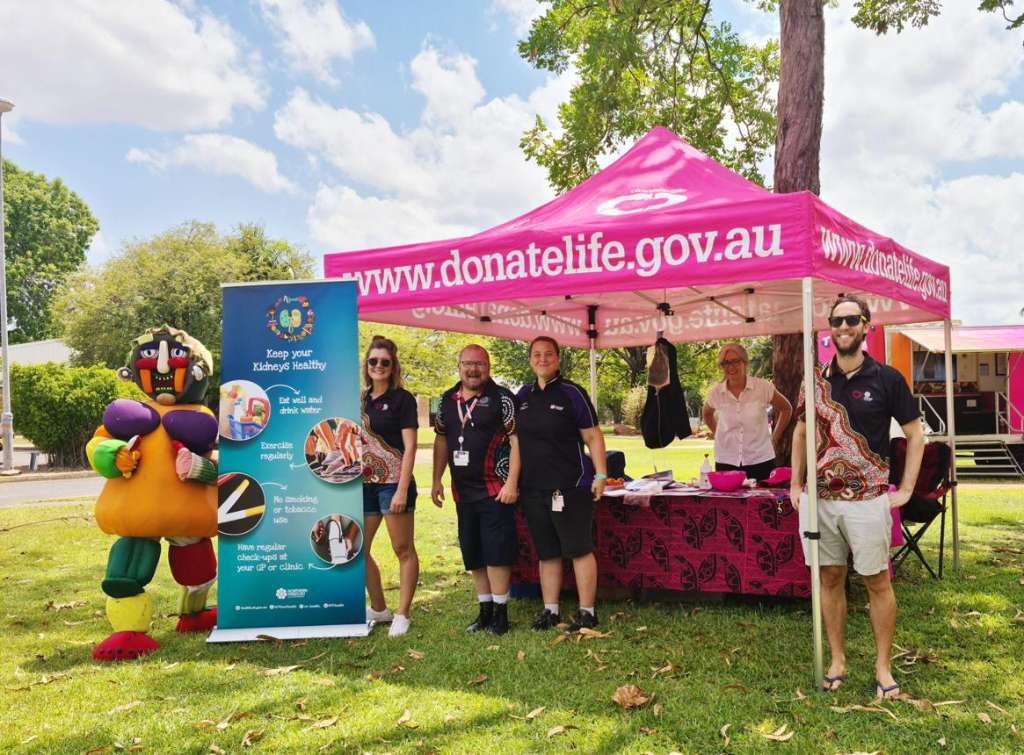
Throughout Donate Life Week, communities across Queensland are hosting awareness activities, walks, information stalls and public events aimed at increasing understanding of organ and tissue donation. These events provide opportunities for people to ask questions, hear real-life stories and learn how registration works.
Registering to become an organ donor takes only about one minute and can be completed online using a Medicare card. Health authorities stress that people of many different ages and medical backgrounds may still be eligible to become donors, with final suitability determined by healthcare professionals if donation ever becomes possible.
Community advocates such as Lindsay play an important role in helping break down myths surrounding organ donation. By speaking openly about personal experiences, they encourage others to consider how organ donation can provide a second chance at life for people facing serious illness.
Donate Life continues to remind Australians that one organ donor has the potential to save several lives while also improving the lives of many more through tissue and eye donation. Increasing donor registrations and family discussions remains a national priority as health organisations work to reduce transplant waiting times and improve outcomes for patients across Australia.
OrganDonationLifePeopleDonate
Bundaberg resident Lindsay is helping raise awareness about the importance of organ and tissue donation during Donate Life Week 2026, using his personal experience to encourage more Australians to register as donors and have life-saving conversations with their loved ones.
Donate Life Week, running from 26 July to 2 August 2026, is Australia's largest annual awareness campaign promoting organ and tissue donation. The campaign encourages people to register on the Australian Organ Donor Register and, equally importantly, to let their family know about their wishes.
Lindsay's story highlights the life-changing impact that organ donation can have on individuals and families. By sharing his experience with the Bundaberg community, he hopes more people will understand the value of becoming an organ donor and how one decision can provide hope to multiple people waiting for a transplant.
According to Donate Life, around 2,000 Australians are currently waiting for an organ transplant, while thousands more receive ongoing treatment for conditions such as kidney failure and may eventually require transplantation. Despite widespread public support for organ donation, only about one in three Australians are officially registered as donors.
Health experts explain that registering as a donor is only part of the process. Families are always consulted before organ and tissue donation proceeds, making it essential for people to discuss their wishes with relatives in advance. Research has shown families are significantly more likely to support donation when they know their loved one's decision.
Throughout Donate Life Week, communities across Queensland are hosting awareness activities, walks, information stalls and public events aimed at increasing understanding of organ and tissue donation. These events provide opportunities for people to ask questions, hear real-life stories and learn how registration works.
Registering to become an organ donor takes only about one minute and can be completed online using a Medicare card. Health authorities stress that people of many different ages and medical backgrounds may still be eligible to become donors, with final suitability determined by healthcare professionals if donation ever becomes possible.
Community advocates such as Lindsay play an important role in helping break down myths surrounding organ donation. By speaking openly about personal experiences, they encourage others to consider how organ donation can provide a second chance at life for people facing serious illness.
Donate Life continues to remind Australians that one organ donor has the potential to save several lives while also improving the lives of many more through tissue and eye donation. Increasing donor registrations and family discussions remains a national priority as health organisations work to reduce transplant waiting times and improve outcomes for patients across Australia.
New funding from local charity Wishlist is improving communication support for patients at Bundaberg Hospital, with resources designed to help people communicate more effectivel...
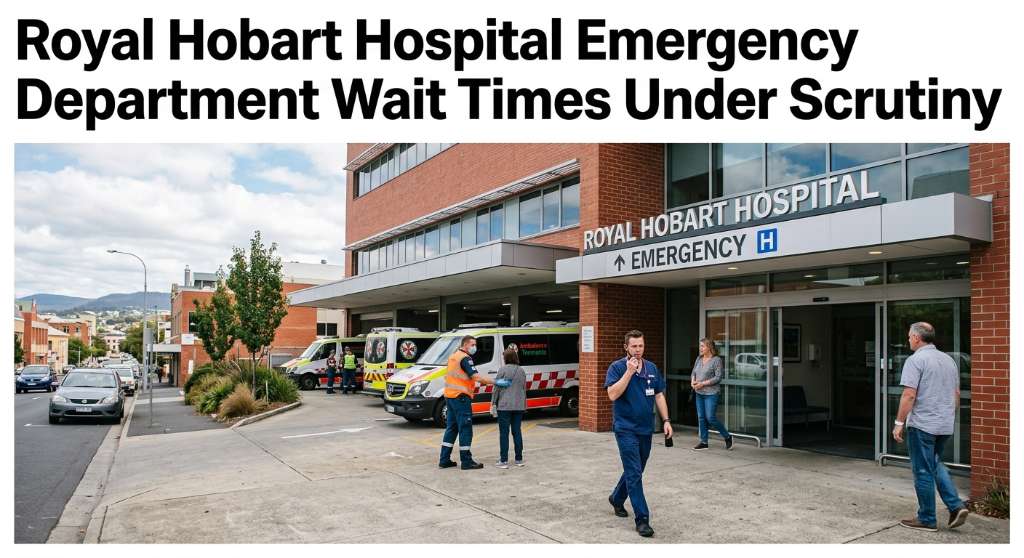
New figures have renewed concerns about emergency department delays at Royal Hobart Hospital, with the health system facing questions over patient waiti...
Central Coast New South Wales · Health News · 10 Sep 2026
The design for new Key Health Worker Accommodation at Wyong has been released today, with the project aimed at helping address the need for suitable accommodation for healthcare...
Queensland's emerging football prospects are coming together for a three-day Brisbane Lions State Academy showcase, giving young players an opportunity...
A Wavell Heights enrolled nurse has been charged with four counts of alleged sexual assault and one count of wilful exposure, with his professional regi...
A 24-year-old Carina Heights man has been charged with 36 offences following an investigation into alleged break-ins, vehicle offences and other propert...
Cairns Regional Council has unanimously voted to seek $400,000 in Queensland Government funding for a program designed to connect local businesses with the region’s growing film...
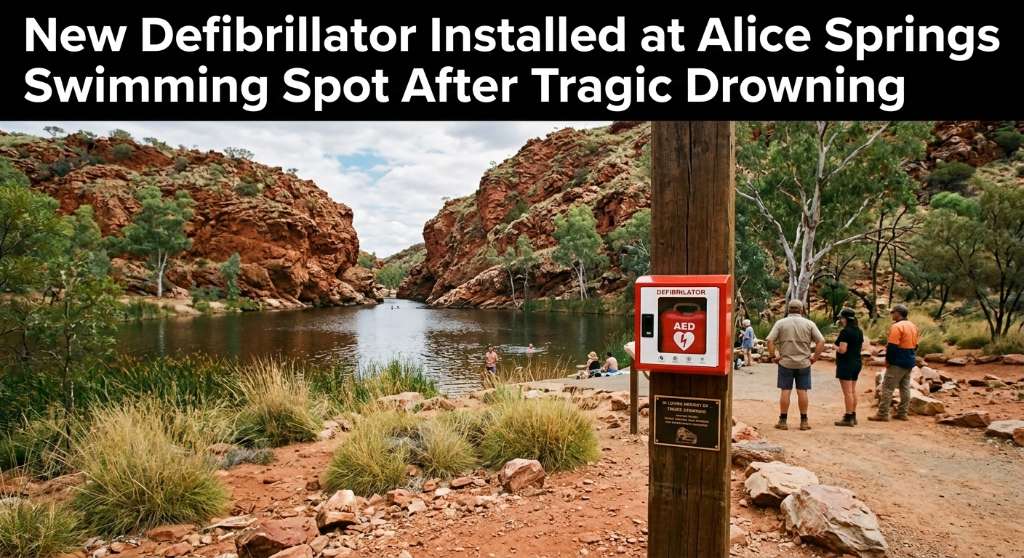
An automated external defibrillator and memorial plaque have been installed at Ellery Creek Big Hole following the death of disability advocate Ellen Fr...
Queensland firefighters spent several hours monitoring a significant grass fire at Mary Kinross Park in Bargara, near Bundaberg, after the blaze broke out on Wednesday evening....