Safety note: Admin approval is an initial review, not a guarantee that every detail is correct. Check important or urgent claims with official sources and report anything inaccurate or unsafe.
Source and credit: Contributor's own report
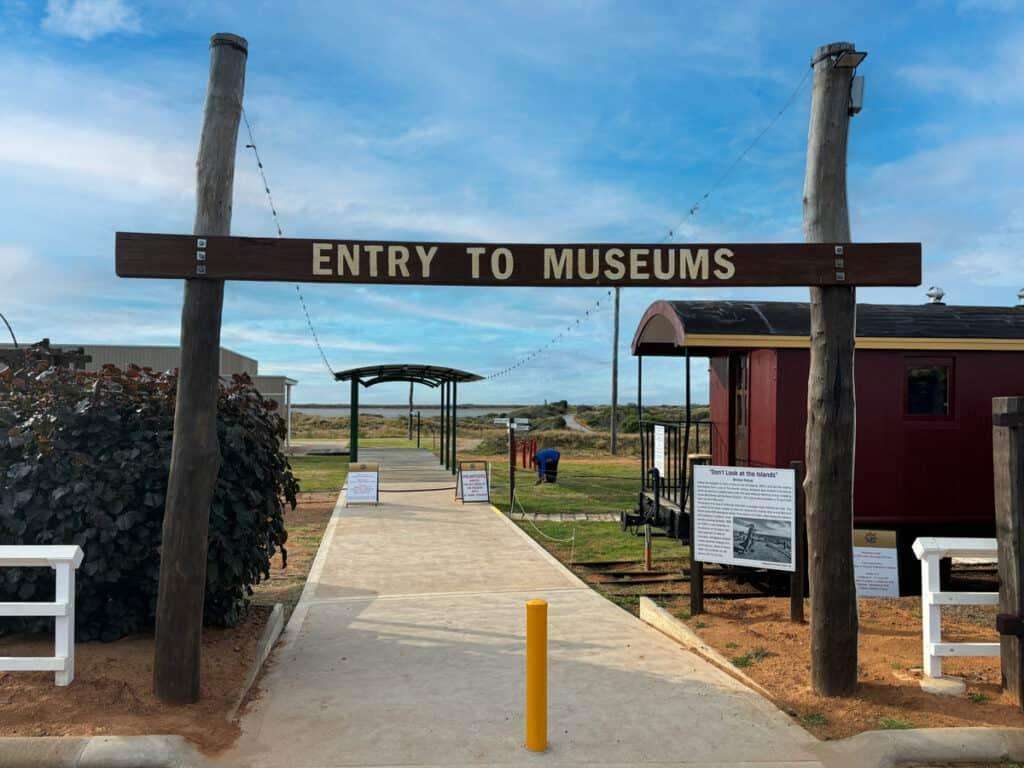
Carnarvon museum brings local legends back to life with lifelike mannequins - Carnarvon, WA
Smart summary
A Western Australian museum is attracting visitors with hyperreal mannequins that celebrate Carnarvon’s history, including a lifelike recreation of beloved local shopkeeper Winson Quan Sing.
A unique museum exhibition in Carnarvon, Western Australia, is bringing the town’s history to life with incredibly realistic mannequins that have surprised and fascinated visitors.
The One Mile Jetty Museum has introduced a collection of hyperreal mannequins designed to represent important figures and everyday community members who helped shape Carnarvon’s story. The lifelike figures have created strong reactions from visitors, with some initially believing they were real people standing inside the museum.
One of the centrepieces of the exhibition is a mannequin representing Winson Quan Sing, a well-known Carnarvon general store owner whose family played an important role in the town’s history. The realistic figure recreates him behind a counter with a jar of sweets, reflecting memories many locals still share about his shop and community presence.
Museum volunteers say visitors have been amazed by the realism of the display. Some guests have approached the mannequin expecting to speak with him, while others have been surprised by how accurately the figure captures a sense of a real person.
The Quan Sing family arrived in Carnarvon during the early 20th century and became part of the multicultural history that helped shape the region. The museum says recognising these contributions is an important part of preserving the town’s heritage and acknowledging the many communities that built Carnarvon.
Carnarvon Heritage Group chair Dudley Maslen said the exhibition reflects the diverse backgrounds and experiences that have contributed to the town’s identity. The project aims to ensure future generations understand the stories of people who helped develop the local community.
The museum’s other mannequins represent broader parts of Carnarvon’s history, including workers and volunteers connected with the famous One Mile Jetty, as well as the region’s long association with horse racing. Unlike the Quan Sing figure, some of these mannequins represent community roles rather than specific individuals.
The exhibition is part of wider improvements at the museum following damage caused by Cyclone Seroja in 2021. Volunteers have focused on creating a more engaging experience for tourists while protecting and sharing the region’s history.
The idea for hyperreal displays was inspired by other regional museums, including attractions that use realistic figures to make history more interactive. Organisers believe these types of exhibits help visitors connect emotionally with stories from the past.
The museum hopes to expand the collection with more mannequins representing different chapters of Carnarvon’s history. Volunteers say the positive response from visitors shows there is strong interest in creative ways of preserving regional stories.
The project highlights how small regional museums can use innovation and storytelling to attract tourists while celebrating the people and events that shaped their communities.
CarnarvonMuseumHistoryMannequinsVisitors
A unique museum exhibition in Carnarvon, Western Australia, is bringing the town’s history to life with incredibly realistic mannequins that have surprised and fascinated visitors.
The One Mile Jetty Museum has introduced a collection of hyperreal mannequins designed to represent important figures and everyday community members who helped shape Carnarvon’s story. The lifelike figures have created strong reactions from visitors, with some initially believing they were real people standing inside the museum.
One of the centrepieces of the exhibition is a mannequin representing Winson Quan Sing, a well-known Carnarvon general store owner whose family played an important role in the town’s history. The realistic figure recreates him behind a counter with a jar of sweets, reflecting memories many locals still share about his shop and community presence.
Museum volunteers say visitors have been amazed by the realism of the display. Some guests have approached the mannequin expecting to speak with him, while others have been surprised by how accurately the figure captures a sense of a real person.
The Quan Sing family arrived in Carnarvon during the early 20th century and became part of the multicultural history that helped shape the region. The museum says recognising these contributions is an important part of preserving the town’s heritage and acknowledging the many communities that built Carnarvon.
Carnarvon Heritage Group chair Dudley Maslen said the exhibition reflects the diverse backgrounds and experiences that have contributed to the town’s identity. The project aims to ensure future generations understand the stories of people who helped develop the local community.
The museum’s other mannequins represent broader parts of Carnarvon’s history, including workers and volunteers connected with the famous One Mile Jetty, as well as the region’s long association with horse racing. Unlike the Quan Sing figure, some of these mannequins represent community roles rather than specific individuals.
The exhibition is part of wider improvements at the museum following damage caused by Cyclone Seroja in 2021. Volunteers have focused on creating a more engaging experience for tourists while protecting and sharing the region’s history.
The idea for hyperreal displays was inspired by other regional museums, including attractions that use realistic figures to make history more interactive. Organisers believe these types of exhibits help visitors connect emotionally with stories from the past.
The museum hopes to expand the collection with more mannequins representing different chapters of Carnarvon’s history. Volunteers say the positive response from visitors shows there is strong interest in creative ways of preserving regional stories.
The project highlights how small regional museums can use innovation and storytelling to attract tourists while celebrating the people and events that shaped their communities.
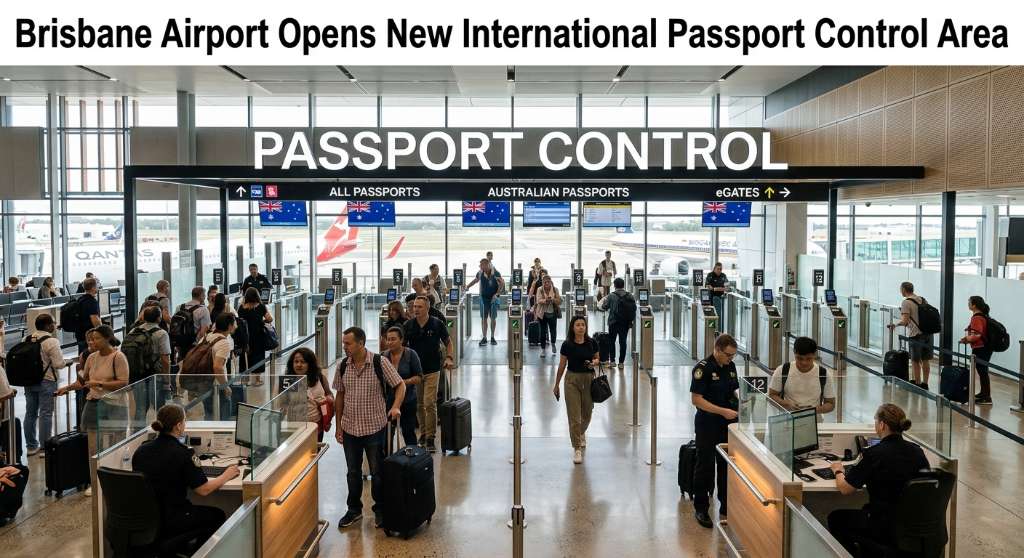
A new 12-lane passport control facility has opened at Brisbane Airport as the airport prepares for more than 1.8 million passengers during the September...
Flight delays and cancellations affected Sydney Airport passengers on Friday morning after staffing shortages prompted temporary air-traffic management...
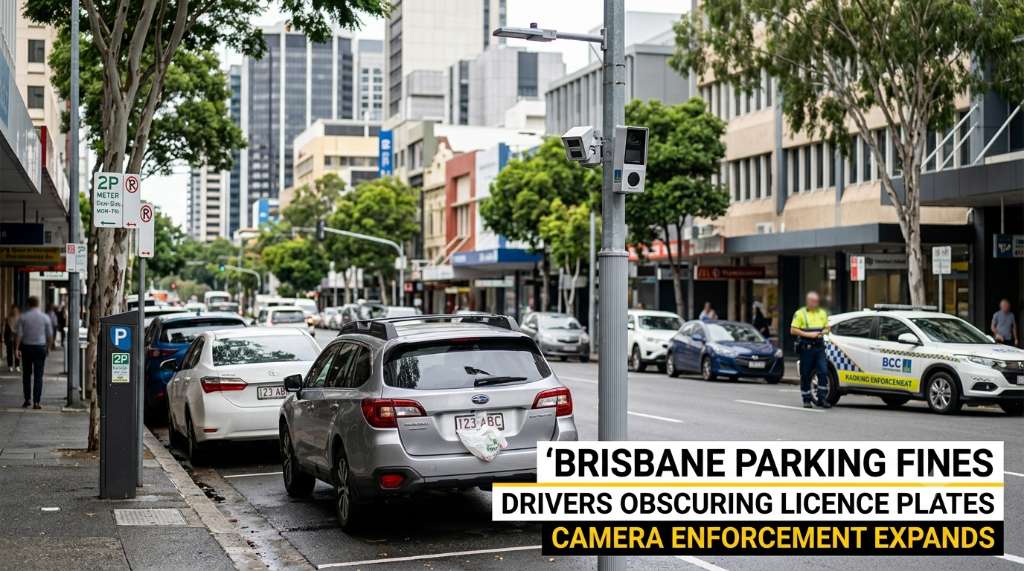
Some Brisbane motorists are covering their licence plates to avoid automatic parking enforcement cameras as council fines approach $35 million this year.
Global diesel shortages and disrupted shipping routes are pushing up fuel costs and creating growing risks for Australia’s farmers, miners and wider eco...
A push is underway to expand NSW Police drone technology to Gunnedah, with the equipment proposed for crime response, offender searches and emergencies.
Cairns Regional Council has unanimously voted to seek $400,000 in Queensland Government funding for a program designed to connect local businesses with the region’s growing film...
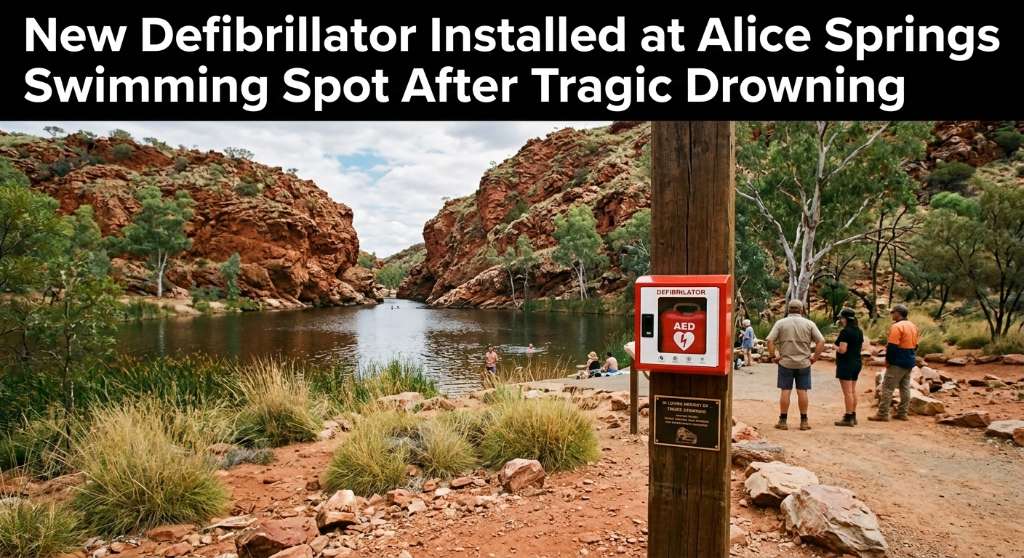
An automated external defibrillator and memorial plaque have been installed at Ellery Creek Big Hole following the death of disability advocate Ellen Fr...
Queensland firefighters spent several hours monitoring a significant grass fire at Mary Kinross Park in Bargara, near Bundaberg, after the blaze broke out on Wednesday evening....