Safety note: Admin approval is an initial review, not a guarantee that every detail is correct. Check important or urgent claims with official sources and report anything inaccurate or unsafe.
Source and credit: Contributor's own report
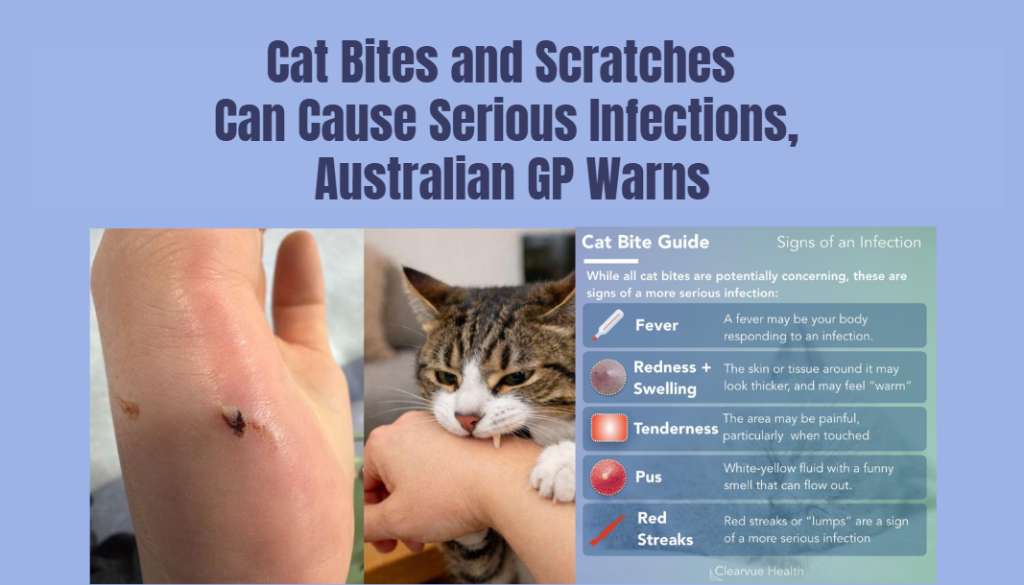
Cat Bites and Scratches Can Cause Serious Infections, Australian GP Warns - Sydney, NSW
Smart summary
Australian health experts are warning that cat bites and scratches can cause severe infections, with hospitalisations from cat-related injuries nearly tripling over the past decade.
Australian health experts are warning people not to underestimate injuries caused by cats after new figures showed a significant rise in hospitalisations associated with cat bites and other cat-related injuries.
During the 2024–25 financial year, being bitten or struck by a cat was the third-most common reason for hospitalisation in Australia among injuries involving contact with a person, plant or animal. Government data shows the number of cat-related hospitalisations increased from 1,219 cases in 2015–16 to 3,459 cases in 2024–25, representing almost a threefold increase.
The warning follows the experience of Australian woman Nicky Stewart, who was injured while trying to protect her cat from a stray dog. During the incident, her frightened cat bit her hands and scratched her several times.
Initially, Stewart did not expect the injuries to become serious. However, she soon became light-headed and noticed significant swelling around her wrist. She eventually went to hospital, where doctors admitted her for treatment.
The infection required surgery to drain bacteria from her wounds, followed by several days in hospital. She later spent months dealing with both hands being bandaged.
A general practitioner and representative of the Royal Australian College of General Practitioners said cat bites and scratches can be particularly dangerous because cats have sharp teeth and claws capable of penetrating deep into tissue.
The injuries can introduce bacteria from a cat's mouth or claws into the body. If an infection is not treated, it can potentially become more serious and develop into sepsis, a life-threatening condition.
Health advice is to immediately wash a cat bite or scratch thoroughly with soap and cold water. If the injury breaks the skin, medical treatment should be sought from a GP or urgent care clinic.
People should also seek urgent medical attention if they develop symptoms suggesting that an infection is becoming more serious. These can include fever, swelling, worsening redness or other signs of a spreading infection.
Outdoor and stray cats may present additional risks because of their exposure to other animals. People with certain underlying health vulnerabilities can also face a greater risk of complications from infections.
Stewart said the experience changed her understanding of cat-related injuries. She had previously believed a cat bite or scratch would generally be a minor injury, but her hospitalisation demonstrated how quickly complications can develop.
The increase in hospitalisations has prompted renewed attention to basic wound care and the importance of seeking medical advice when a cat bite or scratch breaks the skin.
Although most interactions with domestic cats do not result in serious injury, health professionals say people should treat puncture wounds from cats carefully rather than assuming they will heal without treatment.
The message from medical experts is straightforward: clean the wound immediately and seek professional medical advice when the skin has been broken, particularly if swelling, pain, redness or other symptoms develop.
InjuriesCatsMedicalSeriousDevelop
Australian health experts are warning people not to underestimate injuries caused by cats after new figures showed a significant rise in hospitalisations associated with cat bites and other cat-related injuries.
During the 2024–25 financial year, being bitten or struck by a cat was the third-most common reason for hospitalisation in Australia among injuries involving contact with a person, plant or animal. Government data shows the number of cat-related hospitalisations increased from 1,219 cases in 2015–16 to 3,459 cases in 2024–25, representing almost a threefold increase.
The warning follows the experience of Australian woman Nicky Stewart, who was injured while trying to protect her cat from a stray dog. During the incident, her frightened cat bit her hands and scratched her several times.
Initially, Stewart did not expect the injuries to become serious. However, she soon became light-headed and noticed significant swelling around her wrist. She eventually went to hospital, where doctors admitted her for treatment.
The infection required surgery to drain bacteria from her wounds, followed by several days in hospital. She later spent months dealing with both hands being bandaged.
A general practitioner and representative of the Royal Australian College of General Practitioners said cat bites and scratches can be particularly dangerous because cats have sharp teeth and claws capable of penetrating deep into tissue.
The injuries can introduce bacteria from a cat's mouth or claws into the body. If an infection is not treated, it can potentially become more serious and develop into sepsis, a life-threatening condition.
Health advice is to immediately wash a cat bite or scratch thoroughly with soap and cold water. If the injury breaks the skin, medical treatment should be sought from a GP or urgent care clinic.
People should also seek urgent medical attention if they develop symptoms suggesting that an infection is becoming more serious. These can include fever, swelling, worsening redness or other signs of a spreading infection.
Outdoor and stray cats may present additional risks because of their exposure to other animals. People with certain underlying health vulnerabilities can also face a greater risk of complications from infections.
Stewart said the experience changed her understanding of cat-related injuries. She had previously believed a cat bite or scratch would generally be a minor injury, but her hospitalisation demonstrated how quickly complications can develop.
The increase in hospitalisations has prompted renewed attention to basic wound care and the importance of seeking medical advice when a cat bite or scratch breaks the skin.
Although most interactions with domestic cats do not result in serious injury, health professionals say people should treat puncture wounds from cats carefully rather than assuming they will heal without treatment.
The message from medical experts is straightforward: clean the wound immediately and seek professional medical advice when the skin has been broken, particularly if swelling, pain, redness or other symptoms develop.
A parliamentary petition calling for specialist endometriosis education in NSW public high schools has attracted more than 1,700 signatures, as health a...
Seven Australian health startups will share $15.6 million in equity-free funding to develop new dementia treatments, early-detection tools, gene therapi...
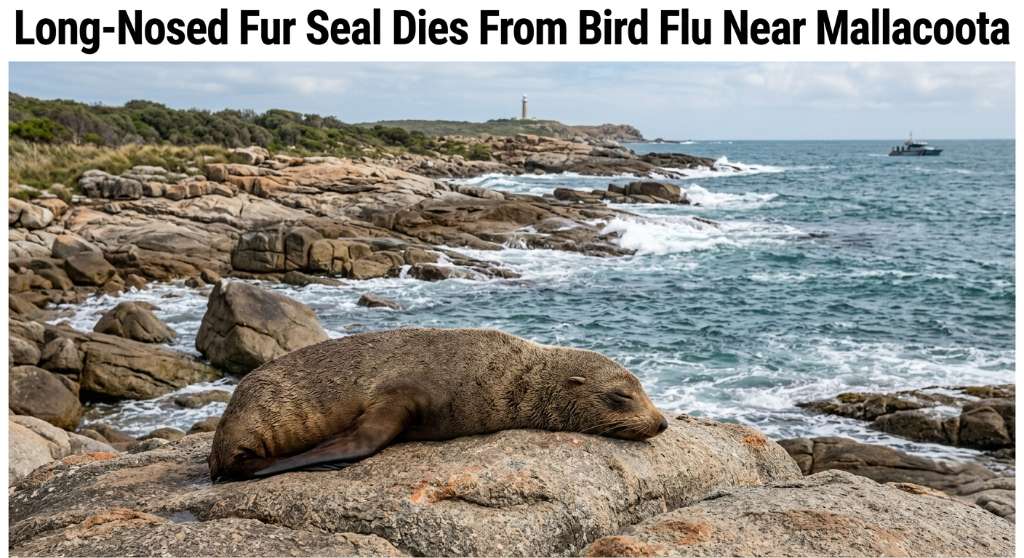
A long-nosed fur seal has died from H5 bird flu on Gabo Island near Mallacoota, with authorities monitoring wildlife and warning people to keep their di...
Hamilton in western Victoria has become the location of Specsavers’ 400th Australian store, with the new regional outlet officially opening as the company expands its eye-care s...
A parliamentary petition calling for specialist endometriosis education in NSW public high schools has attracted more than 1,700 signatures, as health a...
A firearms expert has told a court that a gun presented as evidence in the murder investigation involving two Australian brothers and their American fri...
Australian shoppers and small businesses are preparing for changes to card-payment surcharges, with new Reserve Bank rules due to take effect from Octob...
Former Tasmanian GP Michael Anthony Welch has pleaded not guilty to three indecent assault charges relating to allegations made by a former patient abou...
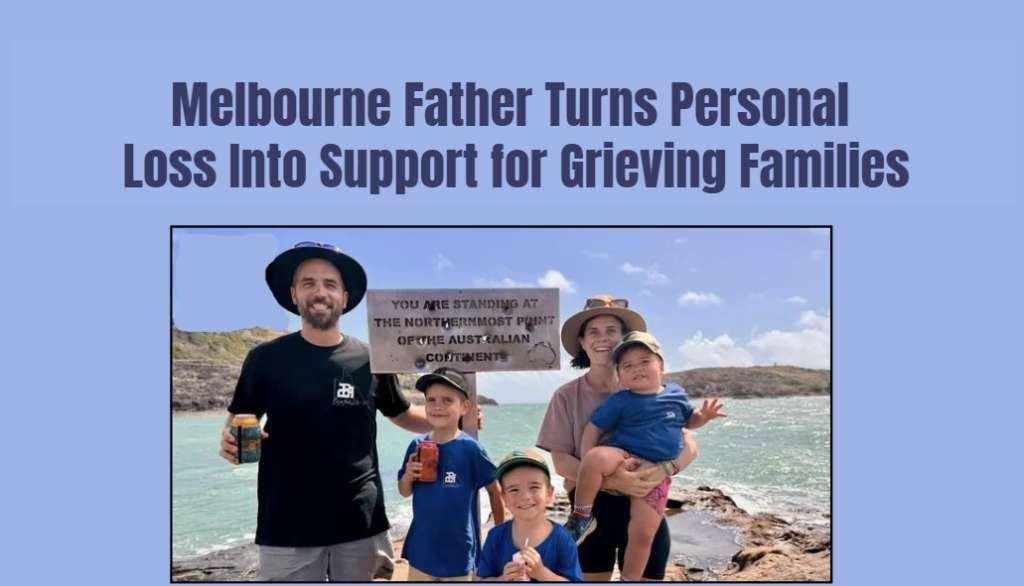
After losing two sons, Melbourne father Nick Olney has established a charity helping grieving parents preserve memories of their babies and access suppo...
Second Chances charity director Samuel Mark Narroway has appeared before an Adelaide-area court over contested charges involving alleged dishonest deali...