Safety note: Admin approval is an initial review, not a guarantee that every detail is correct. Check important or urgent claims with official sources and report anything inaccurate or unsafe.
Source and credit: Contributor's own report
Coffs Coast Wildlife Hospital Races to Prepare for Bird Flu Response - Coffs Harbour, NSW
Smart summary
A wildlife sanctuary is fast-tracking a triage hospital after H5 bird flu was detected in a shearwater at Corindi Beach.
A wildlife sanctuary on the Coffs Coast is urgently preparing a dedicated triage facility after H5 bird flu was detected in a bird at Corindi Beach, marking the first confirmed detection of the virus in a shearwater in New South Wales. The development has prompted a rapid response from wildlife-care organisations as they work to strengthen their ability to safely manage potentially affected birds.
The detection involves a shearwater found at Corindi Beach, north of Coffs Harbour. The discovery has raised concerns for wildlife carers because seabirds can travel across large areas and may come into contact with other birds along the coastline. Establishing an appropriate triage facility will allow sick or injured wildlife to be assessed and managed while reducing the risk of spreading infection.
The wildlife sanctuary has been working to establish a hospital trailer capable of providing treatment and care for affected animals. The facility had previously been used to help injured and unwell shearwaters and is now being fast-tracked for registration as a dedicated triage centre.
The response is particularly important for the Coffs Coast because the region supports a diverse range of coastal and marine wildlife. Shearwaters and other seabirds regularly use beaches and coastal areas, making monitoring and early detection important when diseases capable of affecting wildlife are identified.
H5 avian influenza, commonly referred to as bird flu, can affect a range of bird species. Wildlife authorities and carers generally use strict hygiene and biosecurity measures when handling potentially infected animals. Members of the public are also encouraged not to handle sick or dead birds and instead report them through the appropriate wildlife or government channels.
The latest detection does not mean that every bird in the region is infected, but it highlights the importance of surveillance. Wildlife organisations are particularly focused on identifying unusual numbers of sick or dead birds and responding quickly when cases are suspected.
For wildlife carers, the challenge is balancing urgent treatment with biosecurity. A specialised triage facility can help separate potentially infected animals from other wildlife and provide carers with a safer environment in which to assess cases.
The development also highlights the important role played by local wildlife organisations in protecting native animals during emerging disease events. Volunteers and specialist carers often provide the frontline response when injured or sick wildlife is found along the coast.
Residents and visitors around Coffs Harbour and Corindi Beach can assist by avoiding direct contact with sick or dead birds and reporting unusual wildlife deaths or signs of illness to the relevant authorities. Keeping people and pets away from affected wildlife can also help reduce unnecessary contact.
The fast-tracked facility is expected to improve the region's preparedness as authorities and wildlife groups continue monitoring the situation. The discovery at Corindi Beach serves as a reminder that wildlife disease can require rapid coordination between conservation groups, carers and government agencies.
WildlifeBirdCarersBirdsCoffs
A wildlife sanctuary on the Coffs Coast is urgently preparing a dedicated triage facility after H5 bird flu was detected in a bird at Corindi Beach, marking the first confirmed detection of the virus in a shearwater in New South Wales. The development has prompted a rapid response from wildlife-care organisations as they work to strengthen their ability to safely manage potentially affected birds.
The detection involves a shearwater found at Corindi Beach, north of Coffs Harbour. The discovery has raised concerns for wildlife carers because seabirds can travel across large areas and may come into contact with other birds along the coastline. Establishing an appropriate triage facility will allow sick or injured wildlife to be assessed and managed while reducing the risk of spreading infection.
The wildlife sanctuary has been working to establish a hospital trailer capable of providing treatment and care for affected animals. The facility had previously been used to help injured and unwell shearwaters and is now being fast-tracked for registration as a dedicated triage centre.
The response is particularly important for the Coffs Coast because the region supports a diverse range of coastal and marine wildlife. Shearwaters and other seabirds regularly use beaches and coastal areas, making monitoring and early detection important when diseases capable of affecting wildlife are identified.
H5 avian influenza, commonly referred to as bird flu, can affect a range of bird species. Wildlife authorities and carers generally use strict hygiene and biosecurity measures when handling potentially infected animals. Members of the public are also encouraged not to handle sick or dead birds and instead report them through the appropriate wildlife or government channels.
The latest detection does not mean that every bird in the region is infected, but it highlights the importance of surveillance. Wildlife organisations are particularly focused on identifying unusual numbers of sick or dead birds and responding quickly when cases are suspected.
For wildlife carers, the challenge is balancing urgent treatment with biosecurity. A specialised triage facility can help separate potentially infected animals from other wildlife and provide carers with a safer environment in which to assess cases.
The development also highlights the important role played by local wildlife organisations in protecting native animals during emerging disease events. Volunteers and specialist carers often provide the frontline response when injured or sick wildlife is found along the coast.
Residents and visitors around Coffs Harbour and Corindi Beach can assist by avoiding direct contact with sick or dead birds and reporting unusual wildlife deaths or signs of illness to the relevant authorities. Keeping people and pets away from affected wildlife can also help reduce unnecessary contact.
The fast-tracked facility is expected to improve the region's preparedness as authorities and wildlife groups continue monitoring the situation. The discovery at Corindi Beach serves as a reminder that wildlife disease can require rapid coordination between conservation groups, carers and government agencies.
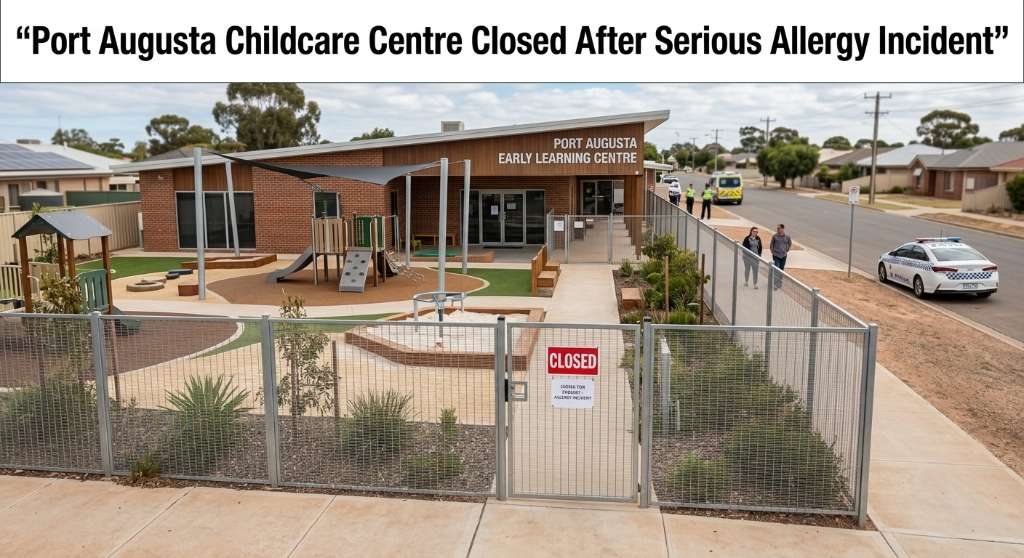
An Edge Early Learning centre in Port Augusta has been ordered to close for two weeks after a child with allergies was hospitalised after being given fo...
The statewide scheme allows eligible renters to transfer their existing bond directly to a new rental property instead of paying a second bond upfront.
Global diesel shortages and disrupted shipping routes are pushing up fuel costs and creating growing risks for Australia’s farmers, miners and wider eco...
Central Coast New South Wales · General News · 15 Sep 2026
A teenager accused of negligent driving following a fatal crash on the NSW Central Coast has been refused bail in court today, Tuesday, September 15, 2026. The case follows a se...
A 36-year-old man has been charged after investigators allegedly found fraudulent identification documents, cloned number plates, cash and drug-manufact...
A Sydney court has heard that a man sent 249 messages to a former partner within 24 hours, with the messages treated as a single alleged breach of an ap...
A high-profile athlete has returned to court and told the hearing that an alleged unwanted kiss by former broadcaster Alan Jones remained difficult to f...
Work on the $150 million Sydney Town Hall Square project has been paused after the NSW Planning Minister referred the development for review by the Inde...
Cairns Regional Council has unanimously voted to seek $400,000 in Queensland Government funding for a program designed to connect local businesses with the region’s growing film...
An automated external defibrillator and memorial plaque have been installed at Ellery Creek Big Hole following the death of disability advocate Ellen Fr...
Queensland firefighters spent several hours monitoring a significant grass fire at Mary Kinross Park in Bargara, near Bundaberg, after the blaze broke out on Wednesday evening....