Safety note: Admin approval is an initial review, not a guarantee that every detail is correct. Check important or urgent claims with official sources and report anything inaccurate or unsafe.
Source and credit: Contributor's own report
Cost of leaving domestic violence relationships rises as survivors face thousands in immediate expenses - Canberra, ACT
Smart summary
New research has revealed that leaving a violent relationship can cost Australian survivors more than $7,000 on average, creating another major barrier for people trying to reach safety.
New research has highlighted the significant financial challenges faced by people attempting to leave domestic and family violence situations, revealing that the immediate cost of escaping an unsafe relationship has increased dramatically over the past decade.
The research shows the average cost of leaving a domestic violence relationship has risen from about $4,098 in 2016 to $7,017 in 2026, representing a 71 per cent increase. The analysis examined expenses including rental bonds, moving costs, temporary accommodation, transport and the costs involved in rebuilding a safe household.
Support organisations say the financial pressure can make an already difficult decision even harder. Survivors leaving violent relationships often need to secure new housing, arrange transport, replace essential household items and manage expenses for themselves and their children while dealing with the emotional impacts of abuse.
Advocates warn that financial insecurity can become a major reason some people delay leaving or return to unsafe environments. The costs associated with moving, finding accommodation and establishing independence can create a significant obstacle for those who may already have limited access to money or financial control.
The research found housing-related expenses have become one of the biggest challenges. Rising rental prices and larger bond requirements have increased the amount of money survivors need before they can establish a new home. Transport, childcare and everyday living costs have also increased, adding further pressure during a vulnerable period.
Domestic violence often involves financial abuse, where one person controls access to money, bank accounts, employment or essential resources. This can leave survivors with fewer options when they decide to leave.
Australian support systems include financial assistance programs designed to reduce these barriers. The federal Leaving Violence Program provides eligible victim-survivors with financial support of up to $5,000, along with safety planning, risk assessment and referrals to other services.
However, advocates argue that the rising cost of housing and living expenses means more support is needed to ensure survivors can safely rebuild their lives.
The issue has renewed calls for stronger investment in affordable housing, emergency accommodation, financial assistance and specialist domestic violence services.
Experts say leaving a violent relationship is not simply a personal decision; it often requires careful planning, support networks and access to resources. Survivors may need to organise new accommodation, protect personal information, manage legal issues and create safety plans before leaving.
The financial impacts of domestic and family violence can continue long after someone leaves. Survivors may face ongoing costs related to healthcare, legal services, childcare, relocation and rebuilding financial independence.
Community organisations say recognising these costs is essential to creating better support systems. They argue that financial barriers should not prevent people from reaching safety.
The research has highlighted that addressing domestic violence requires more than preventing abuse itself. It also requires practical support that allows survivors to leave safely and establish secure, independent lives.
FinancialSurvivorsViolenceDomesticLeaving
New research has highlighted the significant financial challenges faced by people attempting to leave domestic and family violence situations, revealing that the immediate cost of escaping an unsafe relationship has increased dramatically over the past decade.
The research shows the average cost of leaving a domestic violence relationship has risen from about $4,098 in 2016 to $7,017 in 2026, representing a 71 per cent increase. The analysis examined expenses including rental bonds, moving costs, temporary accommodation, transport and the costs involved in rebuilding a safe household.
Support organisations say the financial pressure can make an already difficult decision even harder. Survivors leaving violent relationships often need to secure new housing, arrange transport, replace essential household items and manage expenses for themselves and their children while dealing with the emotional impacts of abuse.
Advocates warn that financial insecurity can become a major reason some people delay leaving or return to unsafe environments. The costs associated with moving, finding accommodation and establishing independence can create a significant obstacle for those who may already have limited access to money or financial control.
The research found housing-related expenses have become one of the biggest challenges. Rising rental prices and larger bond requirements have increased the amount of money survivors need before they can establish a new home. Transport, childcare and everyday living costs have also increased, adding further pressure during a vulnerable period.
Domestic violence often involves financial abuse, where one person controls access to money, bank accounts, employment or essential resources. This can leave survivors with fewer options when they decide to leave.
Australian support systems include financial assistance programs designed to reduce these barriers. The federal Leaving Violence Program provides eligible victim-survivors with financial support of up to $5,000, along with safety planning, risk assessment and referrals to other services.
However, advocates argue that the rising cost of housing and living expenses means more support is needed to ensure survivors can safely rebuild their lives.
The issue has renewed calls for stronger investment in affordable housing, emergency accommodation, financial assistance and specialist domestic violence services.
Experts say leaving a violent relationship is not simply a personal decision; it often requires careful planning, support networks and access to resources. Survivors may need to organise new accommodation, protect personal information, manage legal issues and create safety plans before leaving.
The financial impacts of domestic and family violence can continue long after someone leaves. Survivors may face ongoing costs related to healthcare, legal services, childcare, relocation and rebuilding financial independence.
Community organisations say recognising these costs is essential to creating better support systems. They argue that financial barriers should not prevent people from reaching safety.
The research has highlighted that addressing domestic violence requires more than preventing abuse itself. It also requires practical support that allows survivors to leave safely and establish secure, independent lives.
New funding from local charity Wishlist is improving communication support for patients at Bundaberg Hospital, with resources designed to help people communicate more effectivel...
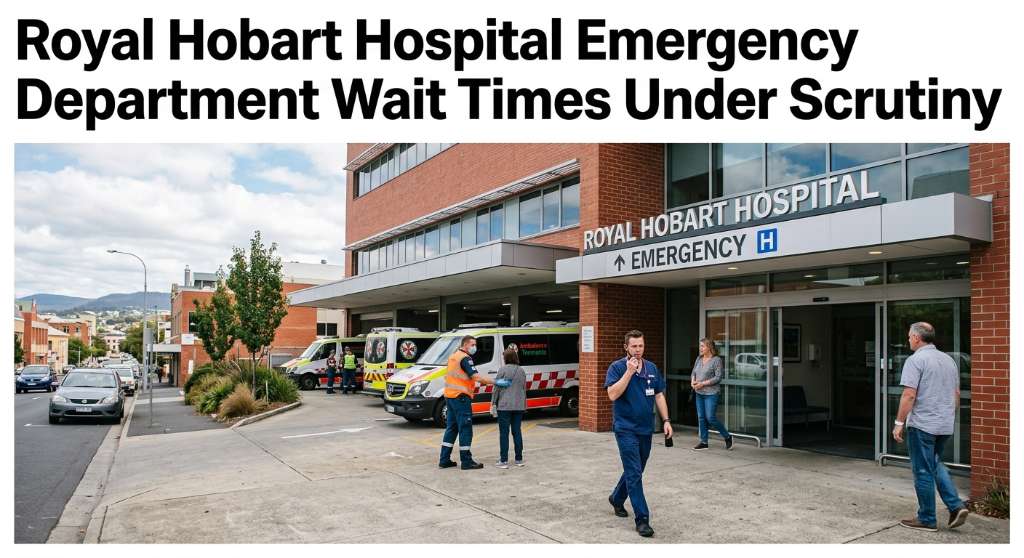
New figures have renewed concerns about emergency department delays at Royal Hobart Hospital, with the health system facing questions over patient waiti...
Central Coast New South Wales · Health News · 10 Sep 2026
The design for new Key Health Worker Accommodation at Wyong has been released today, with the project aimed at helping address the need for suitable accommodation for healthcare...
The Federal Government is preparing new measures targeting temporary visas, visa overstayers, international students and visa-hopping, while maintaining...
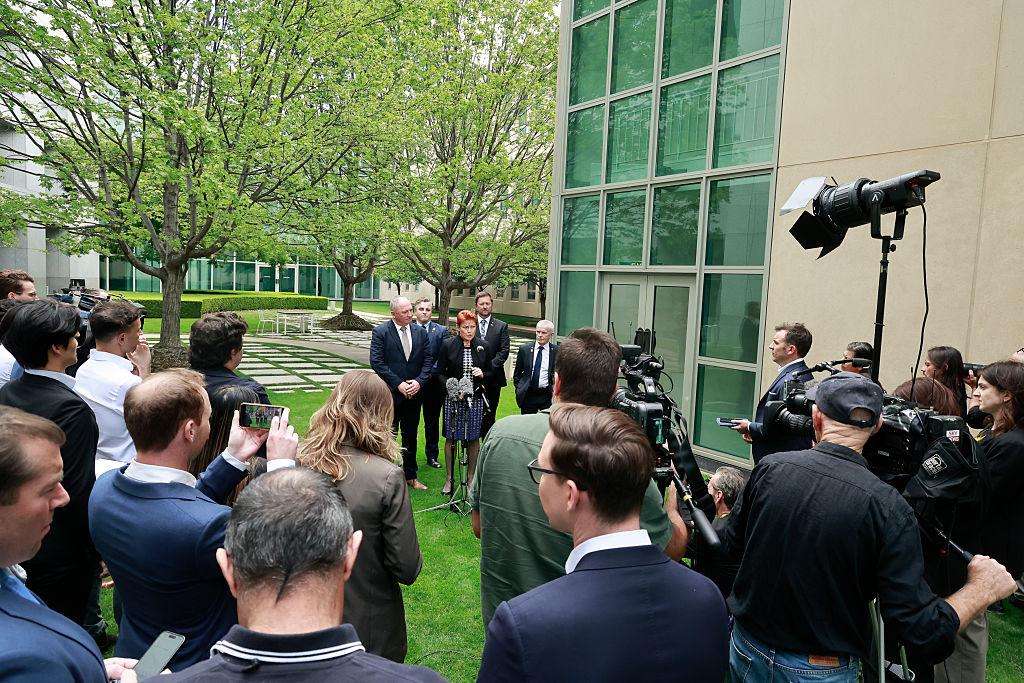
One Nation’s proposed major reduction in migration has triggered warnings that a sharp cut to population growth could weaken Australia’s economy and cre...
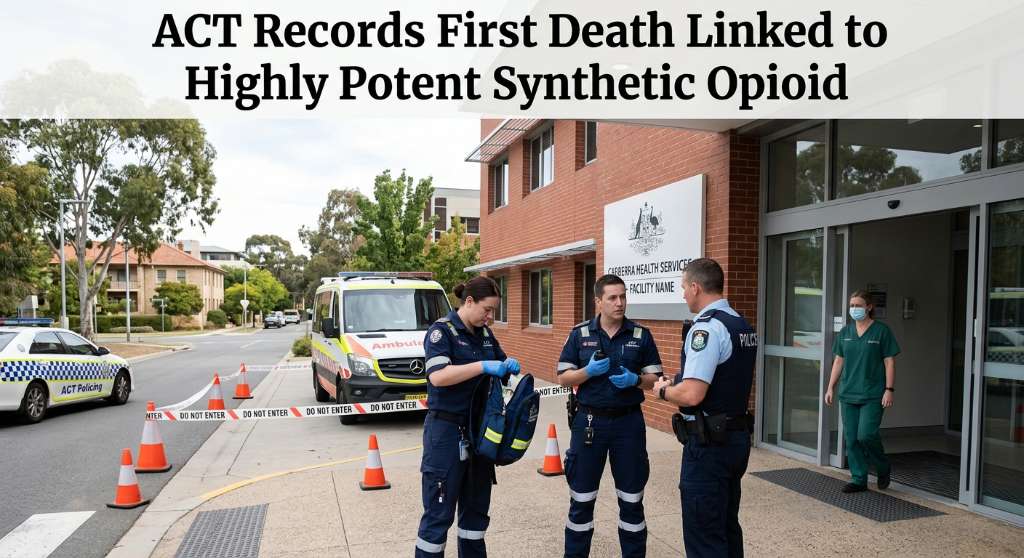
A Canberra woman has become the first person in the ACT whose death has been linked to a highly potent synthetic opioid, prompting renewed concern about...
Canberra’s Commonwealth Park has welcomed visitors for the annual Floriade festival, bringing flowers, entertainment and spring activities to the city.
Cairns Regional Council has unanimously voted to seek $400,000 in Queensland Government funding for a program designed to connect local businesses with the region’s growing film...
An automated external defibrillator and memorial plaque have been installed at Ellery Creek Big Hole following the death of disability advocate Ellen Fr...
Queensland firefighters spent several hours monitoring a significant grass fire at Mary Kinross Park in Bargara, near Bundaberg, after the blaze broke out on Wednesday evening....