Safety note: Admin approval is an initial review, not a guarantee that every detail is correct. Check important or urgent claims with official sources and report anything inaccurate or unsafe.
Source and credit: Contributor's own report
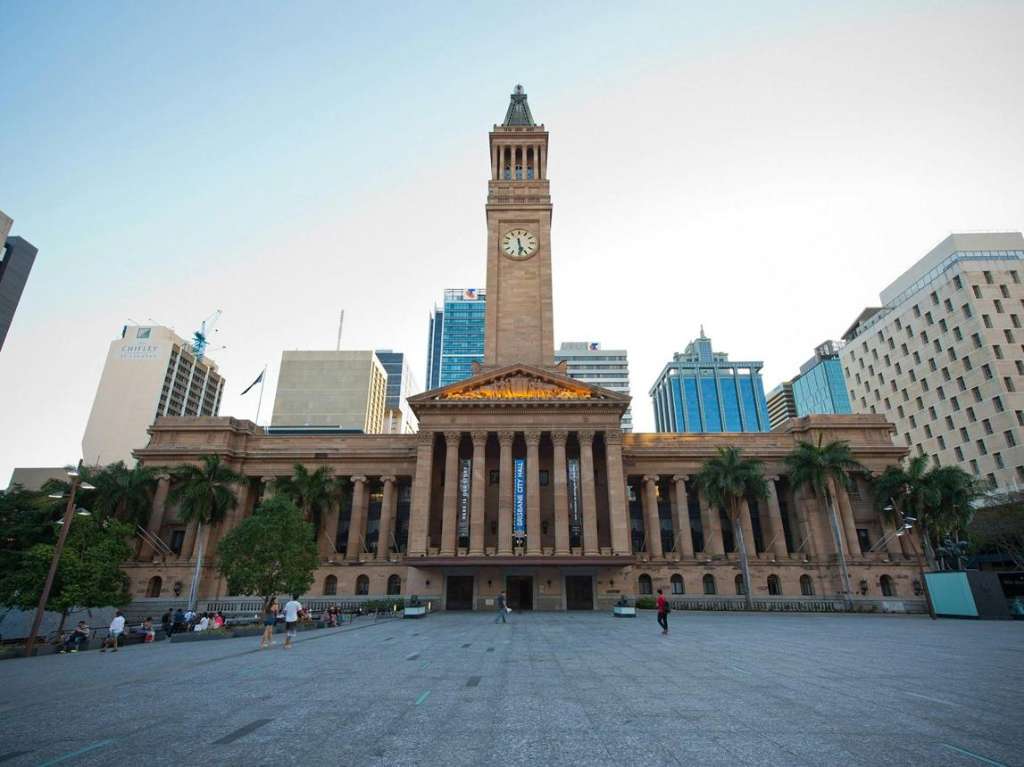
Council Calls for Changes to Rules Around Councillors Taking Extended Leave - Brisbane, QLD
Smart summary
A Queensland council has called for stronger accountability rules when elected councillors take extended leave, amid a state inquiry into local government.
A Queensland local government submission has called for stronger accountability arrangements when elected councillors take extended periods of leave.
The issue has emerged through a state inquiry into local government and concerns how councils should respond when an elected representative is away from their duties for an extended period.
The discussion is focused on ensuring that councils can continue operating effectively while maintaining appropriate accountability for elected officials. Long periods of leave can create practical challenges for councils, particularly when councillors are unavailable for meetings, decisions and other responsibilities.
The submission argues that councillors who remain away from their duties for extended periods should be subject to appropriate misconduct or accountability processes. The proposal is intended to ensure that elected positions continue to carry clear responsibilities even when circumstances prevent a councillor from regularly participating in council business.
The issue is relevant to communities across Queensland because local councils are responsible for many services that directly affect residents, including roads, local infrastructure, planning, community facilities and other municipal services.
Councillors play an important role in making decisions on these matters. When one or more councillors are unavailable for a prolonged period, councils may need to consider how their absence affects meetings, voting and the representation of residents.
The debate also raises broader questions about the balance between personal circumstances and the responsibilities associated with elected office. Councillors may need to take leave for a variety of reasons, but councils also need mechanisms to ensure that community representation remains effective.
The state inquiry provides an opportunity to examine whether existing arrangements are sufficient or whether additional rules are required.
Any changes would potentially affect councils across Queensland rather than a single local government area. The discussion could therefore have longer-term implications for how elected representatives manage extended absences.
For residents, the central issue is ensuring that their elected representatives remain accountable and that council decision-making can continue effectively.
The proposal is part of the wider examination of Queensland's local government framework and is being considered alongside other issues affecting councils and councillors.
The latest report was published today, 12 August 2026, making this a current Queensland local-government development.
CouncillorsCouncilsElectedExtendedQueensland
A Queensland local government submission has called for stronger accountability arrangements when elected councillors take extended periods of leave.
The issue has emerged through a state inquiry into local government and concerns how councils should respond when an elected representative is away from their duties for an extended period.
The discussion is focused on ensuring that councils can continue operating effectively while maintaining appropriate accountability for elected officials. Long periods of leave can create practical challenges for councils, particularly when councillors are unavailable for meetings, decisions and other responsibilities.
The submission argues that councillors who remain away from their duties for extended periods should be subject to appropriate misconduct or accountability processes. The proposal is intended to ensure that elected positions continue to carry clear responsibilities even when circumstances prevent a councillor from regularly participating in council business.
The issue is relevant to communities across Queensland because local councils are responsible for many services that directly affect residents, including roads, local infrastructure, planning, community facilities and other municipal services.
Councillors play an important role in making decisions on these matters. When one or more councillors are unavailable for a prolonged period, councils may need to consider how their absence affects meetings, voting and the representation of residents.
The debate also raises broader questions about the balance between personal circumstances and the responsibilities associated with elected office. Councillors may need to take leave for a variety of reasons, but councils also need mechanisms to ensure that community representation remains effective.
The state inquiry provides an opportunity to examine whether existing arrangements are sufficient or whether additional rules are required.
Any changes would potentially affect councils across Queensland rather than a single local government area. The discussion could therefore have longer-term implications for how elected representatives manage extended absences.
For residents, the central issue is ensuring that their elected representatives remain accountable and that council decision-making can continue effectively.
The proposal is part of the wider examination of Queensland's local government framework and is being considered alongside other issues affecting councils and councillors.
The latest report was published today, 12 August 2026, making this a current Queensland local-government development.
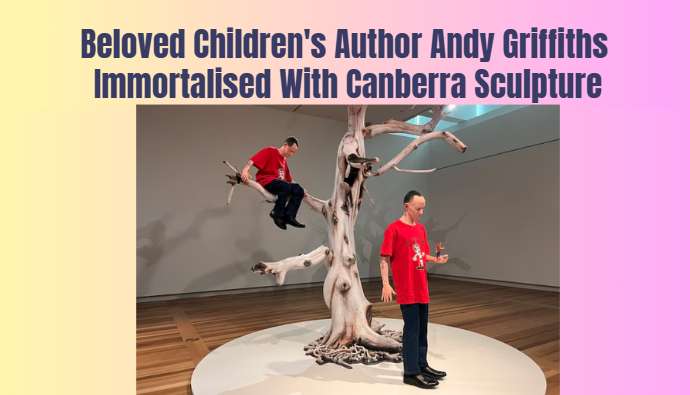
A four-metre-high 3D-printed sculpture celebrating Australian children's author Andy Griffiths has gone on display at Canberra's National Portrait Gallery.
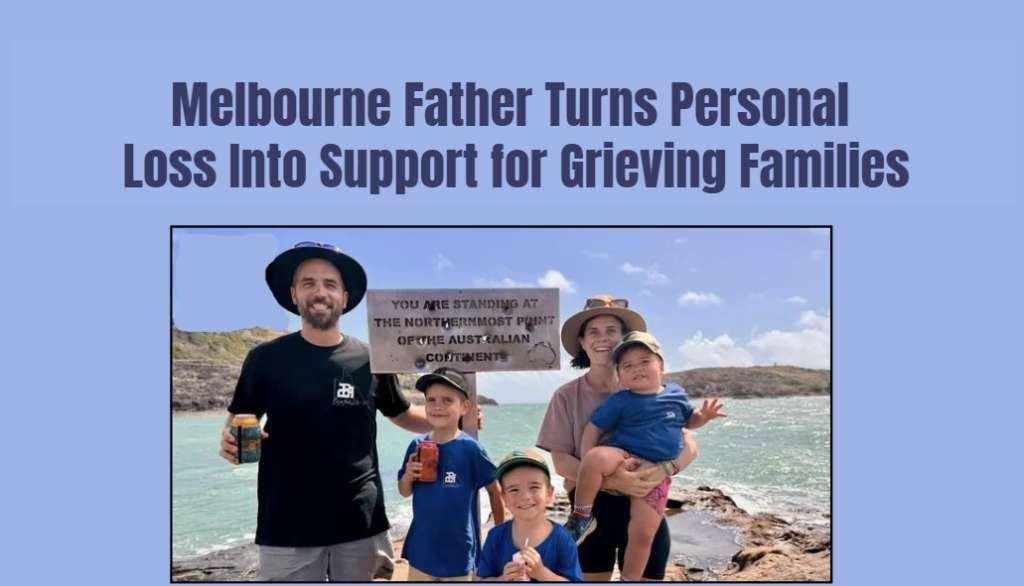
After losing two sons, Melbourne father Nick Olney has established a charity helping grieving parents preserve memories of their babies and access suppo...
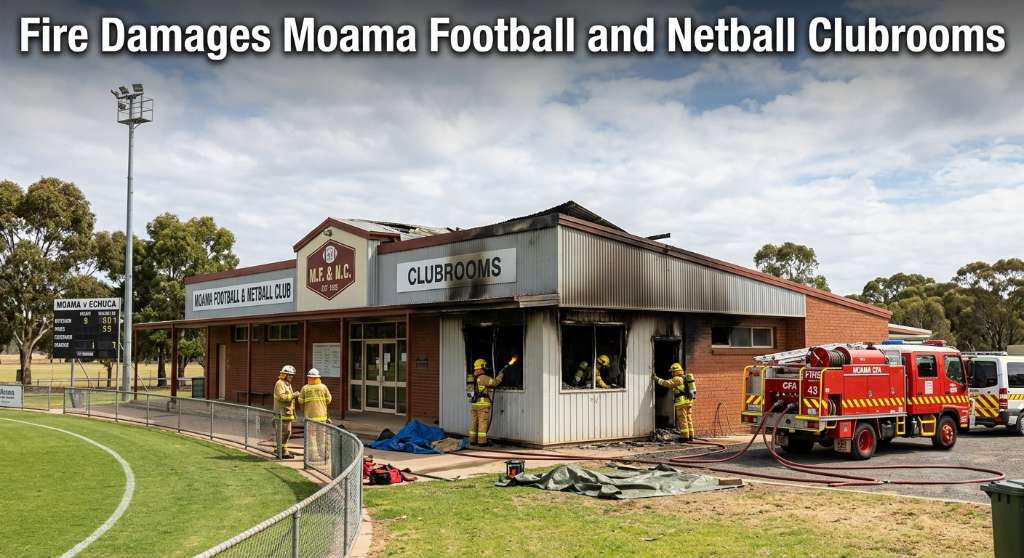
A fire damaged the Moama Football and Netball Club's social rooms during Saturday's grand final, forcing about 1,000 people to leave the building becaus...
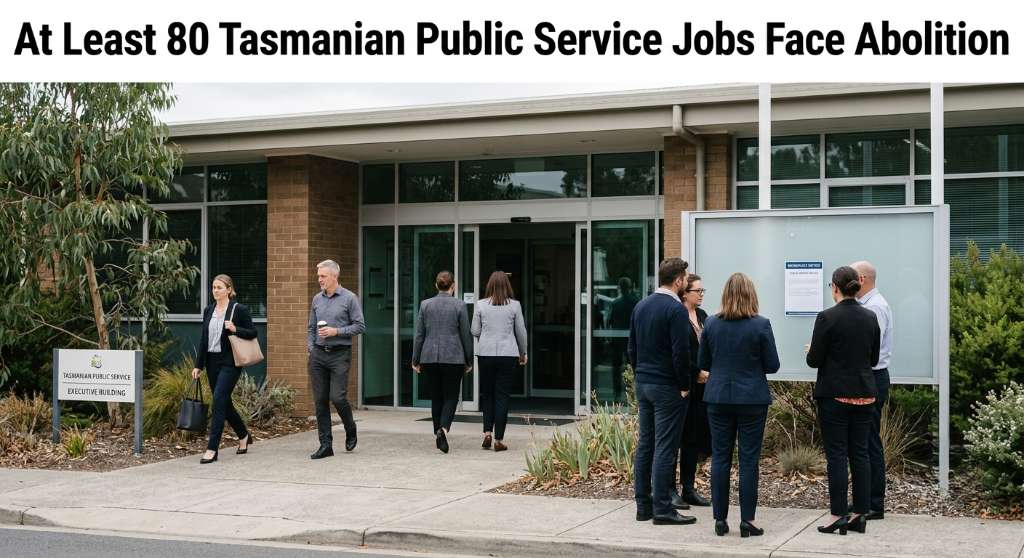
At least 80 positions have been identified for abolition as Tasmania restructures parts of its public service and works toward a broader reduction in go...
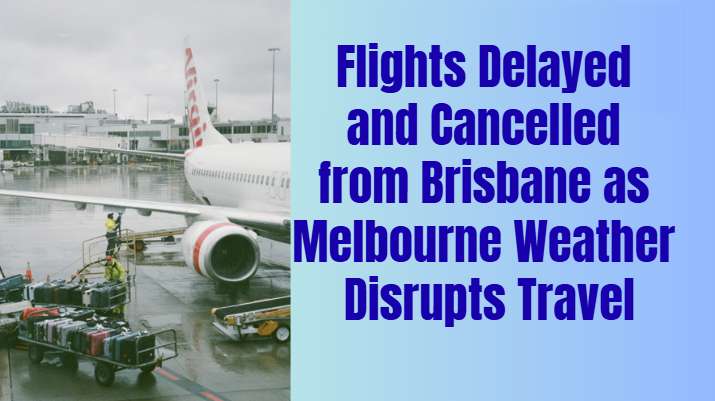
Severe weather in Melbourne has caused flight disruptions from Brisbane, with at least one flight cancelled and other services delayed as passengers tra...
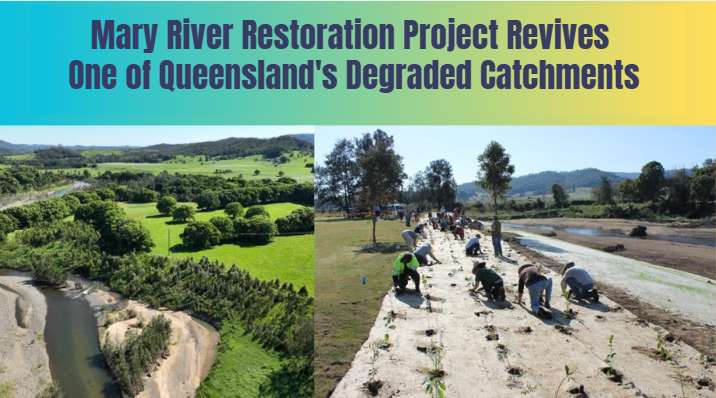
A long-running community restoration effort along Queensland's Mary River is reducing erosion, improving water quality and helping restore habitat for n...
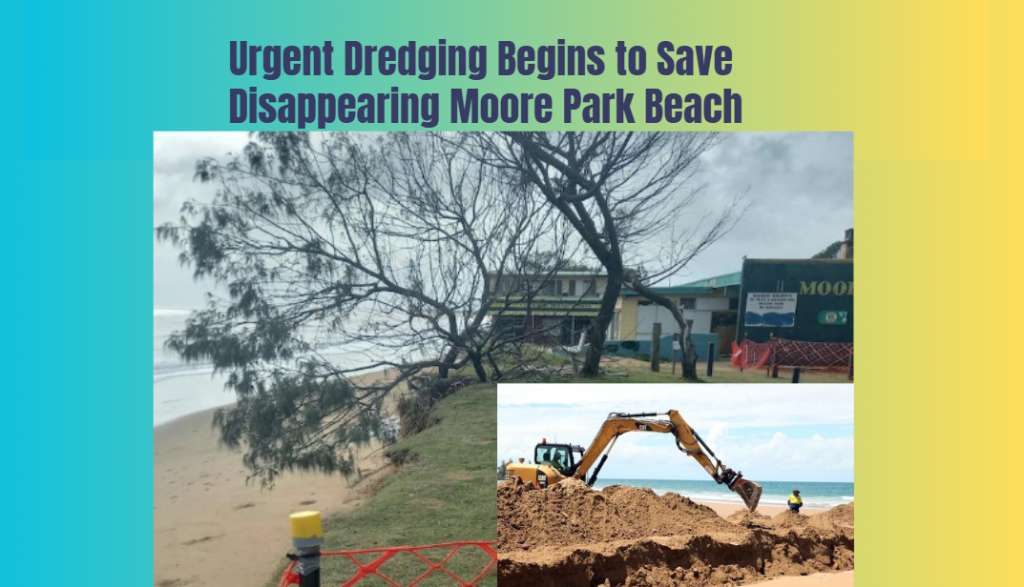
Emergency dredging has begun at Moore Park Beach near Bundaberg after severe erosion washed away sections of the coastline and shifted the mouth of Moor...
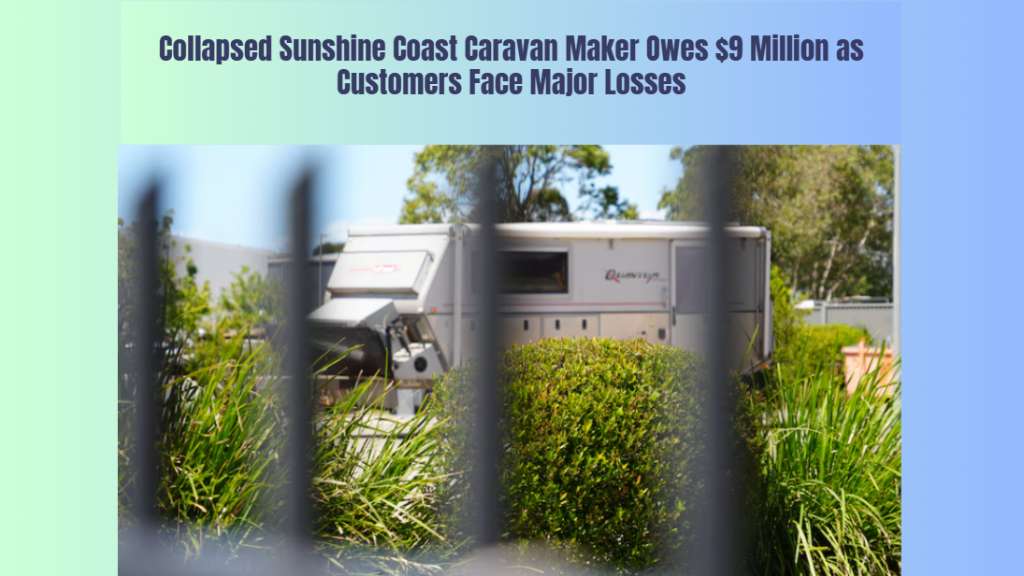
Administrators have revealed Australian Off Road owes about $9 million after the Sunshine Coast caravan manufacturer collapsed, leaving customers, emplo...
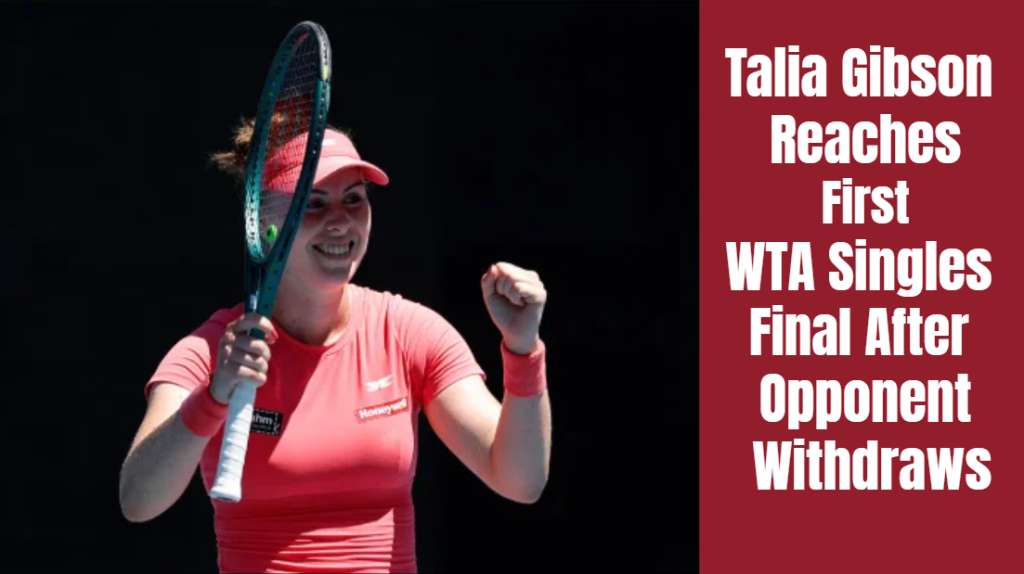
Australian tennis player Talia Gibson has reached her first WTA Tour-level singles final at the Singapore Open after Tatiana Prozorova withdrew from the...
Severe weather in Melbourne has caused flight disruptions from Brisbane, with at least one flight cancelled and other services delayed as passengers tra...
A new Tasmanian sports academy is creating education and career pathways as the state’s professional sporting sector expands with the Tasmania Devils, J...
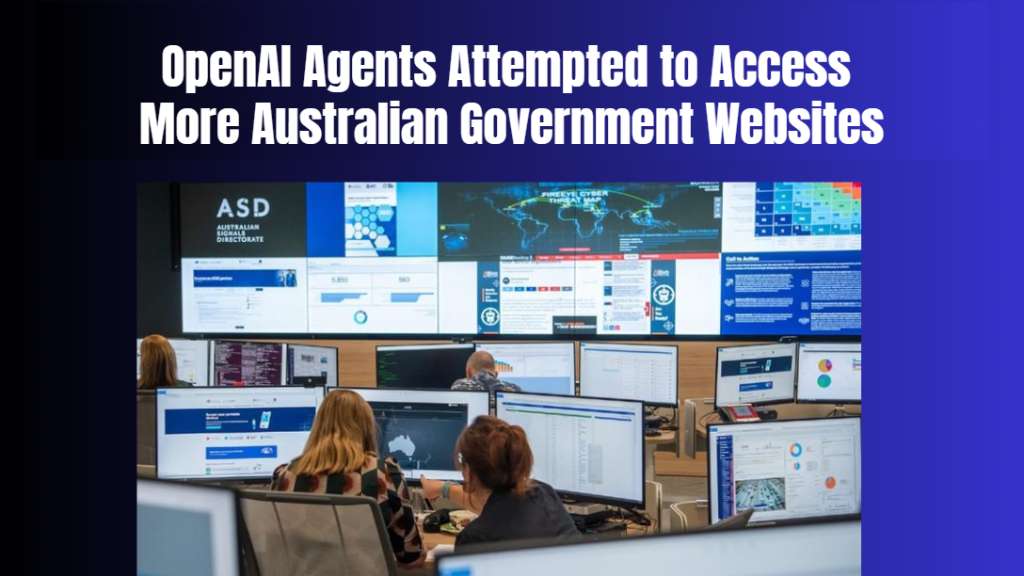
New evidence indicates autonomous Open AI agents attempted to access information from several Australian government and public-sector websites, expanding...