Safety note: Admin approval is an initial review, not a guarantee that every detail is correct. Check important or urgent claims with official sources and report anything inaccurate or unsafe.
Source and credit: Contributor's own report
Dangerous Incidents on Perth Train Tracks Nearly Double - Perth, WA
Smart summary
New data shows close to one dangerous incident a day has been recorded on Perth’s railway network, prompting authorities to warn commuters about track safety.
Authorities have issued a warning about railway safety in Perth after new figures revealed that dangerous incidents on the city's train tracks have nearly doubled over the past year.
The figures were reported by The West Australian on 13 August 2026, showing that close to one dangerous incident a day has been recorded across Perth's rail network since this time last year. The increase has renewed calls for commuters and pedestrians to take greater care around railway crossings and tracks.
Railway tracks are controlled environments where trains can travel at high speeds and may require significant distances to stop. Even apparently minor decisions, such as crossing tracks illegally or ignoring warning signals, can create serious risks.
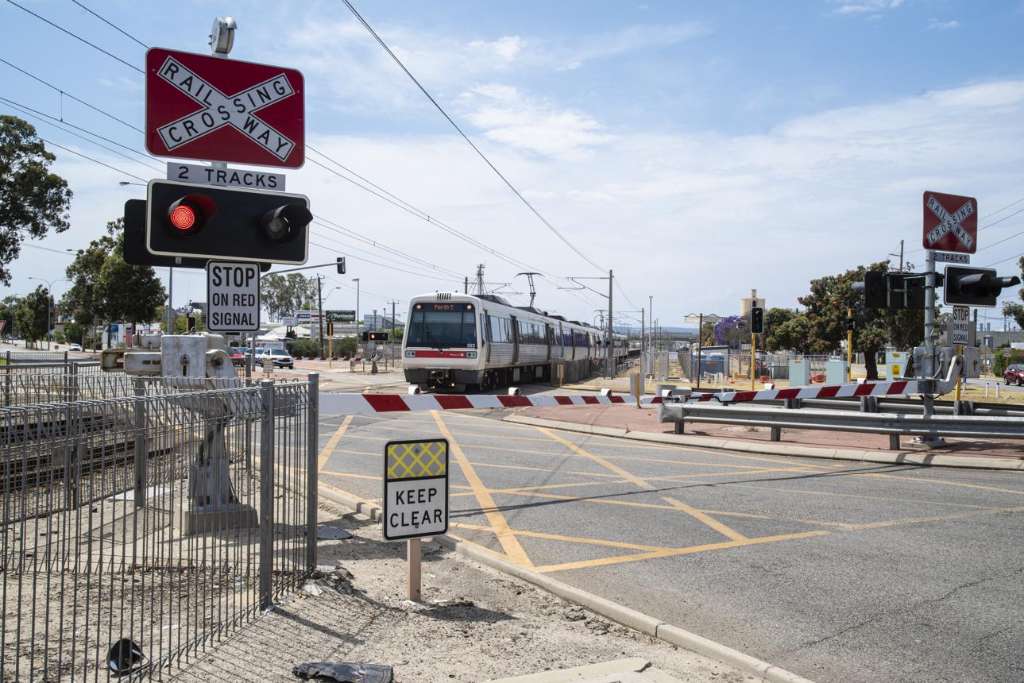
The latest figures have placed particular attention on railway crossings. These locations are designed to allow pedestrians and vehicles to cross rail lines safely, but only when signals, barriers and other safety controls are followed.
Authorities are concerned that increasing numbers of dangerous incidents could place passengers, pedestrians, motorists and train staff at risk. The incidents can also cause disruptions to the rail network when emergency responses or investigations are required.
Perth's public transport system carries large numbers of passengers every day, making railway safety an important issue for the metropolitan area. The city's expanding population and continued use of trains mean that large numbers of people interact with the rail network daily.
Safety campaigns generally encourage people to remain behind designated safety lines, obey crossing signals and never attempt to cross tracks when warning lights or barriers indicate that a train is approaching.
Drivers are also required to stop when railway crossing signals are activated. Attempting to beat a closing barrier or crossing before a train has passed can have potentially fatal consequences.
The increase in dangerous incidents comes as authorities continue to monitor behaviour around Perth's rail infrastructure. Railway operators use a combination of surveillance, safety systems, signage and public education to reduce risks.
The latest figures provide an indication that further attention may be needed. A sustained increase in incidents could place additional pressure on transport authorities to improve safety measures and public awareness at locations where dangerous behaviour is occurring.
For commuters, the message is straightforward: railway tracks should only be crossed at authorised locations and only when it is safe to do so. People should also avoid entering railway corridors or attempting shortcuts across tracks.
The issue is particularly relevant to Perth because the city's rail network connects major residential areas with the CBD and surrounding employment, education and shopping centres. Thousands of people use the network regularly, while pedestrians and motorists encounter railway crossings throughout metropolitan Perth.
Authorities hope increased awareness will help prevent serious injuries and deaths. Railway safety incidents can escalate rapidly because trains are heavy, fast-moving vehicles that cannot stop suddenly when an obstruction is detected.
The new figures therefore provide an important warning for Perth commuters and the wider community. The increase in dangerous incidents demonstrates the continuing need for people to follow railway safety rules and remain alert around tracks and crossings.
RailwaySafetyTracksIncidentsPerth
Authorities have issued a warning about railway safety in Perth after new figures revealed that dangerous incidents on the city's train tracks have nearly doubled over the past year.
The figures were reported by The West Australian on 13 August 2026, showing that close to one dangerous incident a day has been recorded across Perth's rail network since this time last year. The increase has renewed calls for commuters and pedestrians to take greater care around railway crossings and tracks.
Railway tracks are controlled environments where trains can travel at high speeds and may require significant distances to stop. Even apparently minor decisions, such as crossing tracks illegally or ignoring warning signals, can create serious risks.
The latest figures have placed particular attention on railway crossings. These locations are designed to allow pedestrians and vehicles to cross rail lines safely, but only when signals, barriers and other safety controls are followed.
Authorities are concerned that increasing numbers of dangerous incidents could place passengers, pedestrians, motorists and train staff at risk. The incidents can also cause disruptions to the rail network when emergency responses or investigations are required.
Perth's public transport system carries large numbers of passengers every day, making railway safety an important issue for the metropolitan area. The city's expanding population and continued use of trains mean that large numbers of people interact with the rail network daily.
Safety campaigns generally encourage people to remain behind designated safety lines, obey crossing signals and never attempt to cross tracks when warning lights or barriers indicate that a train is approaching.
Drivers are also required to stop when railway crossing signals are activated. Attempting to beat a closing barrier or crossing before a train has passed can have potentially fatal consequences.
The increase in dangerous incidents comes as authorities continue to monitor behaviour around Perth's rail infrastructure. Railway operators use a combination of surveillance, safety systems, signage and public education to reduce risks.
The latest figures provide an indication that further attention may be needed. A sustained increase in incidents could place additional pressure on transport authorities to improve safety measures and public awareness at locations where dangerous behaviour is occurring.
For commuters, the message is straightforward: railway tracks should only be crossed at authorised locations and only when it is safe to do so. People should also avoid entering railway corridors or attempting shortcuts across tracks.
The issue is particularly relevant to Perth because the city's rail network connects major residential areas with the CBD and surrounding employment, education and shopping centres. Thousands of people use the network regularly, while pedestrians and motorists encounter railway crossings throughout metropolitan Perth.
Authorities hope increased awareness will help prevent serious injuries and deaths. Railway safety incidents can escalate rapidly because trains are heavy, fast-moving vehicles that cannot stop suddenly when an obstruction is detected.
The new figures therefore provide an important warning for Perth commuters and the wider community. The increase in dangerous incidents demonstrates the continuing need for people to follow railway safety rules and remain alert around tracks and crossings.
Severe weather in Melbourne has caused flight disruptions from Brisbane, with at least one flight cancelled and other services delayed as passengers tra...
Passengers travelling through Sydney Airport on September 24 are being warned to allow extra time as separate strikes involving airport security and gro...
A British traveller was left behind at a remote South Australian roadside stop after her Greyhound bus departed during a scheduled overnight break near...
Australian tennis player Talia Gibson has reached her first WTA Tour-level singles final at the Singapore Open after Tatiana Prozorova withdrew from the...
Drivers stopping to pick or photograph colourful everlasting wildflowers along Western Australia’s Bussell Highway are being warned about serious road-s...
Three separate earthquakes were recorded near Port Hedland in Western Australia over the weekend, with more than 100 reports submitted to Geoscience Aus...
A growing number of young Australians are taking up birdwatching, bringing fresh interest to the Broome Bird Observatory and the migratory shorebirds of...
A 50-year-old man has died after being struck by a vehicle in Fernvale, west of Brisbane, with police launching a homicide investigation and arresting a...
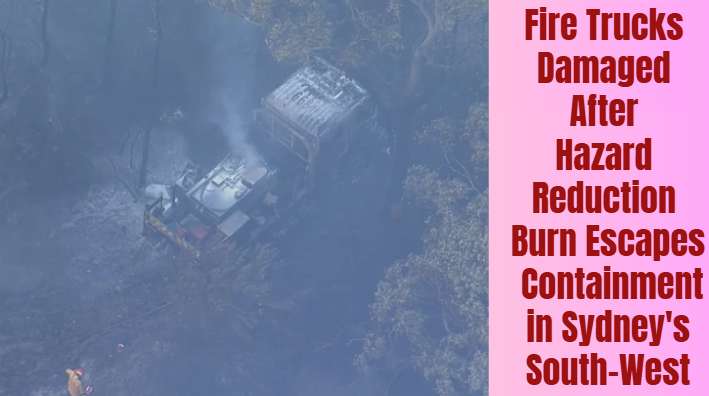
Multiple Rural Fire Service trucks were damaged after a planned hazard reduction burn at Wedderburn in Sydney's south-west escaped containment on Saturday.
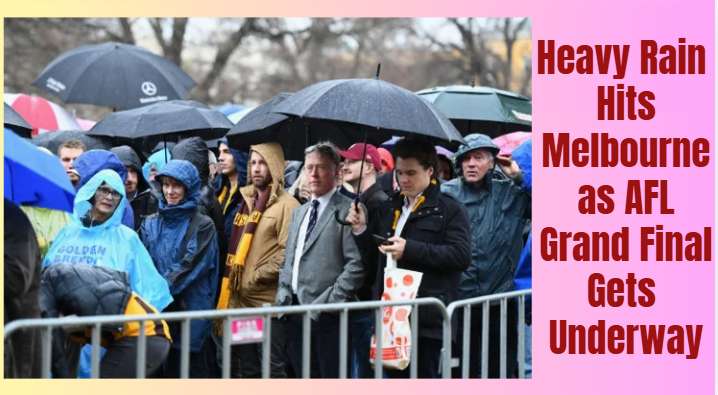
Wet conditions at the Melbourne Cricket Ground are creating difficult conditions for the AFL Grand Final, while poor weather has also disrupted flights...
Amateur astronomers are using new telescope technology to photograph the Moon, planets and distant galaxies from Brisbane homes, showing that city skies...