Safety note: Admin approval is an initial review, not a guarantee that every detail is correct. Check important or urgent claims with official sources and report anything inaccurate or unsafe.
Source and credit: Contributor's own report
Experts reveal 16 everyday kitchen products that may increase microplastic exposure - Brisbane, QLD
Smart summary
Researchers are encouraging households to make simple kitchen swaps after identifying 16 common products that may release microplastics into food, particularly when exposed to heat or wear.
Health researchers are urging Australians to review the products they use every day in their kitchens after identifying 16 common household items that may contribute to exposure to microplastics. While scientists are still studying the long-term health effects, experts recommend practical changes that can help reduce unnecessary exposure.
Microplastics are tiny plastic particles smaller than five millimetres that can be released when plastic products are heated, scratched, cut or gradually break down over time. Researchers say kitchens are one of the main places where people may unknowingly come into contact with these particles because food preparation often involves heat and repeated use of plastic items.
Clinical immunologist Professor Michaela Lucas said research has linked exposure to plastic-associated chemicals with health concerns including metabolic disease, fertility problems and immune system effects. However, experts stress that research into the direct health impacts of microplastics is still evolving and many questions remain unanswered.
Among the products highlighted are plastic cooking utensils, plastic chopping boards, plastic mixing bowls, food storage containers, microwave-safe plastic containers, plastic wrap, plastic salt and pepper grinders, plastic ice cube trays, and synthetic kitchen fabrics such as aprons and tea towels. Heat and repeated wear are considered major factors that increase the release of tiny plastic particles.
Researchers recommend replacing worn plastic utensils with alternatives made from stainless steel, wood, bamboo, glass, ceramic, cast iron or high-quality silicone, depending on the product's purpose. They also advise avoiding heating food in plastic containers, even if they are labelled microwave-safe, because elevated temperatures can increase the migration of plastic particles and additives into food.
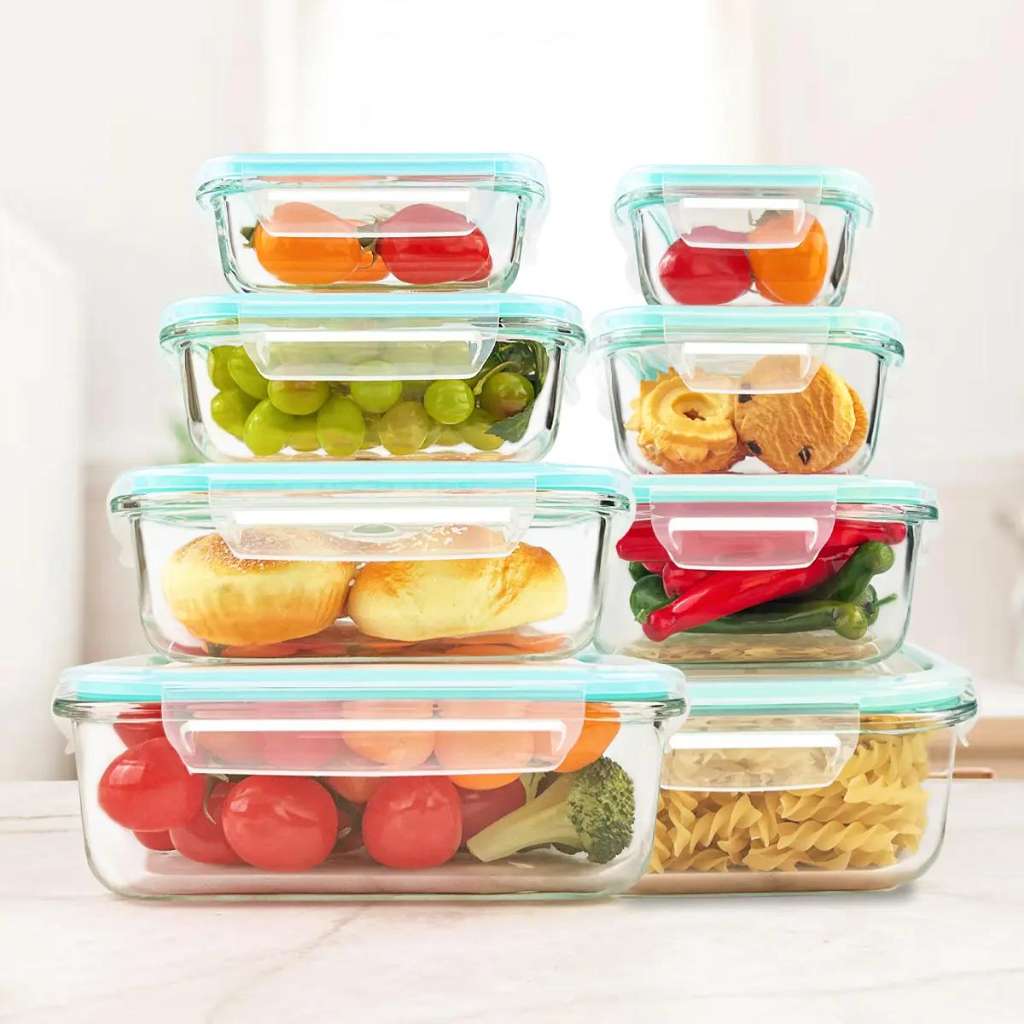
The report also encourages consumers to reduce reliance on heavily packaged convenience foods. Microwave-ready meals, takeaway containers and some plastic-lined food packaging may increase exposure when heated. Choosing fresh ingredients, washing produce thoroughly and storing food in glass containers are among the practical steps suggested by researchers.
Other recommendations include using loose-leaf tea or paper tea bags instead of some plastic-containing tea bags, selecting fragrance-free cleaning products where possible, replacing damaged kitchen tools, and choosing reusable beeswax wraps or glass containers instead of disposable plastic wrap. Experts also advise replacing plastic ice cube trays and choosing natural-fibre kitchen textiles where practical.
Researchers emphasise that consumers do not need to replace every plastic product immediately. Instead, they recommend making gradual changes as items wear out or need replacing, prioritising products that come into direct contact with hot food or beverages. This approach can reduce waste while lowering potential exposure.
Scientists also note that microplastics are widespread in the environment, meaning it is impossible to eliminate exposure entirely. Nevertheless, making informed purchasing decisions and reducing unnecessary contact with plastics—especially during cooking and food storage—may help minimise exposure over time.
PlasticExposureFoodContainersProducts
Health researchers are urging Australians to review the products they use every day in their kitchens after identifying 16 common household items that may contribute to exposure to microplastics. While scientists are still studying the long-term health effects, experts recommend practical changes that can help reduce unnecessary exposure.
Microplastics are tiny plastic particles smaller than five millimetres that can be released when plastic products are heated, scratched, cut or gradually break down over time. Researchers say kitchens are one of the main places where people may unknowingly come into contact with these particles because food preparation often involves heat and repeated use of plastic items.
Clinical immunologist Professor Michaela Lucas said research has linked exposure to plastic-associated chemicals with health concerns including metabolic disease, fertility problems and immune system effects. However, experts stress that research into the direct health impacts of microplastics is still evolving and many questions remain unanswered.
Among the products highlighted are plastic cooking utensils, plastic chopping boards, plastic mixing bowls, food storage containers, microwave-safe plastic containers, plastic wrap, plastic salt and pepper grinders, plastic ice cube trays, and synthetic kitchen fabrics such as aprons and tea towels. Heat and repeated wear are considered major factors that increase the release of tiny plastic particles.
Researchers recommend replacing worn plastic utensils with alternatives made from stainless steel, wood, bamboo, glass, ceramic, cast iron or high-quality silicone, depending on the product's purpose. They also advise avoiding heating food in plastic containers, even if they are labelled microwave-safe, because elevated temperatures can increase the migration of plastic particles and additives into food.
The report also encourages consumers to reduce reliance on heavily packaged convenience foods. Microwave-ready meals, takeaway containers and some plastic-lined food packaging may increase exposure when heated. Choosing fresh ingredients, washing produce thoroughly and storing food in glass containers are among the practical steps suggested by researchers.
Other recommendations include using loose-leaf tea or paper tea bags instead of some plastic-containing tea bags, selecting fragrance-free cleaning products where possible, replacing damaged kitchen tools, and choosing reusable beeswax wraps or glass containers instead of disposable plastic wrap. Experts also advise replacing plastic ice cube trays and choosing natural-fibre kitchen textiles where practical.
Researchers emphasise that consumers do not need to replace every plastic product immediately. Instead, they recommend making gradual changes as items wear out or need replacing, prioritising products that come into direct contact with hot food or beverages. This approach can reduce waste while lowering potential exposure.
Scientists also note that microplastics are widespread in the environment, meaning it is impossible to eliminate exposure entirely. Nevertheless, making informed purchasing decisions and reducing unnecessary contact with plastics—especially during cooking and food storage—may help minimise exposure over time.
New funding from local charity Wishlist is improving communication support for patients at Bundaberg Hospital, with resources designed to help people communicate more effectivel...
New figures have renewed concerns about emergency department delays at Royal Hobart Hospital, with the health system facing questions over patient waiti...
Central Coast New South Wales · Health News · 10 Sep 2026
The design for new Key Health Worker Accommodation at Wyong has been released today, with the project aimed at helping address the need for suitable accommodation for healthcare...
Queensland's emerging football prospects are coming together for a three-day Brisbane Lions State Academy showcase, giving young players an opportunity...
A Wavell Heights enrolled nurse has been charged with four counts of alleged sexual assault and one count of wilful exposure, with his professional regi...
A 24-year-old Carina Heights man has been charged with 36 offences following an investigation into alleged break-ins, vehicle offences and other propert...
Cairns Regional Council has unanimously voted to seek $400,000 in Queensland Government funding for a program designed to connect local businesses with the region’s growing film...
An automated external defibrillator and memorial plaque have been installed at Ellery Creek Big Hole following the death of disability advocate Ellen Fr...
Queensland firefighters spent several hours monitoring a significant grass fire at Mary Kinross Park in Bargara, near Bundaberg, after the blaze broke out on Wednesday evening....