Safety note: Admin approval is an initial review, not a guarantee that every detail is correct. Check important or urgent claims with official sources and report anything inaccurate or unsafe.
Source and credit: Contributor's own report
Families Tell Senate Inquiry Army Ignored Safety Warnings Before Fatal Taipan Helicopter Crash - Mackay, Queensland
Smart summary
Relatives of four soldiers killed in the 2023 MRH-90 Taipan helicopter disaster have told a Senate inquiry that known safety concerns were overlooked, arguing the tragedy was preventable and stemmed from systemic fail...
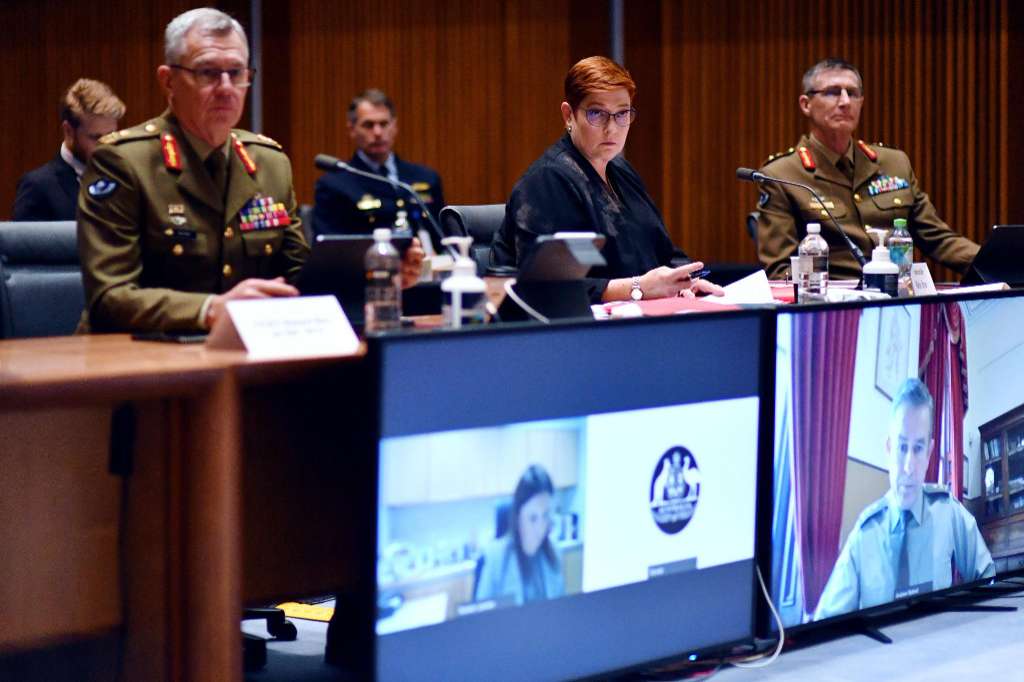
The families of four Australian soldiers who died in the 2023 MRH-90 Taipan helicopter crash have delivered emotional evidence to a Senate inquiry, alleging that Defence authorities ignored repeated warnings about safety risks associated with the aircraft and its operation.
The crash occurred on 28 July 2023 during the military exercise Exercise Talisman Sabre, when an MRH-90 Taipan helicopter plunged into waters off the Whitsunday region of Queensland. The accident claimed the lives of Danniel Lyon, Maxwell Nugent, Phillip Laycock, and Alexander Naggs.
A Defence Flight Safety Bureau investigation concluded that spatial disorientation was the primary cause of the crash. However, family members told the Senate inquiry that the official explanation fails to address broader concerns involving fatigue, workload pressures, equipment issues and longstanding concerns about the helicopter platform itself.
Evidence presented to the inquiry included claims that pilots had been operating under demanding conditions and that safety concerns had been raised well before the fatal flight. Family members argued that risk assessments and warnings regarding the aircraft's suitability and operational limitations were not adequately addressed.
Former Army test pilots also provided evidence suggesting the accident was foreseeable. They alleged that concerns had been raised regarding helmet-mounted display technology used in the Taipan fleet, particularly during operations in poor visibility and night conditions. Witnesses claimed restrictions and warnings associated with the equipment were not sufficiently acted upon over time.
The Senate inquiry is examining several issues, including the airworthiness of the MRH-90 platform, Defence compliance with aviation safety regulations, findings from previous investigations and the decision not to pursue prosecutions arising from the crash. The committee is expected to report its findings later in 2026.
Family members urged lawmakers to ensure the inquiry delivers accountability and lessons that can improve military aviation safety. Several relatives said they do not accept that the deaths should simply be regarded as an unavoidable accident, arguing that systemic shortcomings contributed to the tragedy.
The MRH-90 Taipan fleet was retired following a series of operational and safety concerns, and the crash remains one of the most significant military aviation disasters in recent Australian history. The inquiry's findings are expected to influence future Defence aviation policies and safety oversight.
SafetyInquiryCrashConcernsTaipan
The families of four Australian soldiers who died in the 2023 MRH-90 Taipan helicopter crash have delivered emotional evidence to a Senate inquiry, alleging that Defence authorities ignored repeated warnings about safety risks associated with the aircraft and its operation.
The crash occurred on 28 July 2023 during the military exercise Exercise Talisman Sabre, when an MRH-90 Taipan helicopter plunged into waters off the Whitsunday region of Queensland. The accident claimed the lives of Danniel Lyon, Maxwell Nugent, Phillip Laycock, and Alexander Naggs.
A Defence Flight Safety Bureau investigation concluded that spatial disorientation was the primary cause of the crash. However, family members told the Senate inquiry that the official explanation fails to address broader concerns involving fatigue, workload pressures, equipment issues and longstanding concerns about the helicopter platform itself.
Evidence presented to the inquiry included claims that pilots had been operating under demanding conditions and that safety concerns had been raised well before the fatal flight. Family members argued that risk assessments and warnings regarding the aircraft's suitability and operational limitations were not adequately addressed.
Former Army test pilots also provided evidence suggesting the accident was foreseeable. They alleged that concerns had been raised regarding helmet-mounted display technology used in the Taipan fleet, particularly during operations in poor visibility and night conditions. Witnesses claimed restrictions and warnings associated with the equipment were not sufficiently acted upon over time.
The Senate inquiry is examining several issues, including the airworthiness of the MRH-90 platform, Defence compliance with aviation safety regulations, findings from previous investigations and the decision not to pursue prosecutions arising from the crash. The committee is expected to report its findings later in 2026.
Family members urged lawmakers to ensure the inquiry delivers accountability and lessons that can improve military aviation safety. Several relatives said they do not accept that the deaths should simply be regarded as an unavoidable accident, arguing that systemic shortcomings contributed to the tragedy.
The MRH-90 Taipan fleet was retired following a series of operational and safety concerns, and the crash remains one of the most significant military aviation disasters in recent Australian history. The inquiry's findings are expected to influence future Defence aviation policies and safety oversight.
Wagga Wagga New South Wales · Breaking News · 16 Sep 2026
Riverina Police have established a dedicated investigation, Strike Force Arctis, following a reported increase in serious property and violent offences across Wagga Wagga. The o...
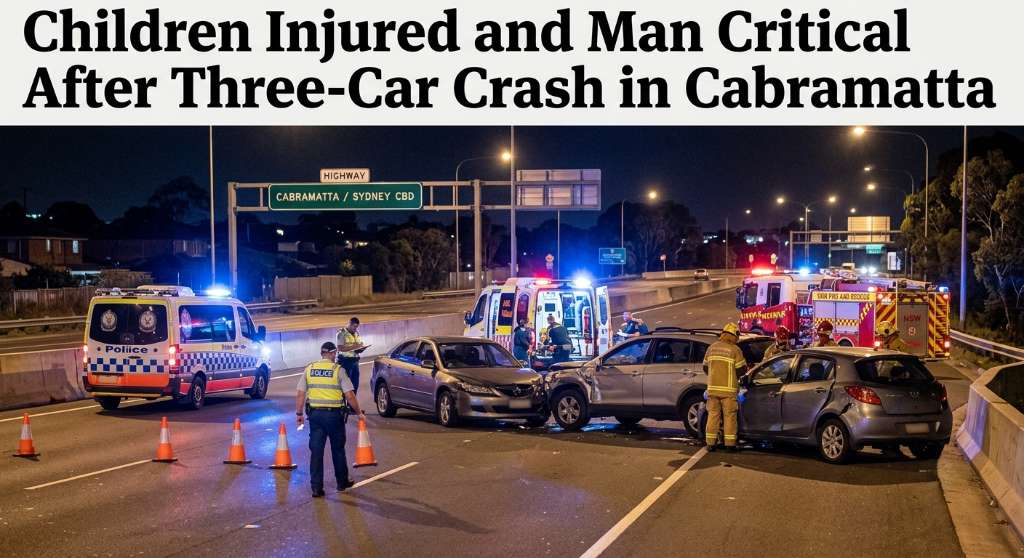
A serious late-night collision on the Hume Highway in Sydney’s south-west has left several people injured, including children, with one man in critical...
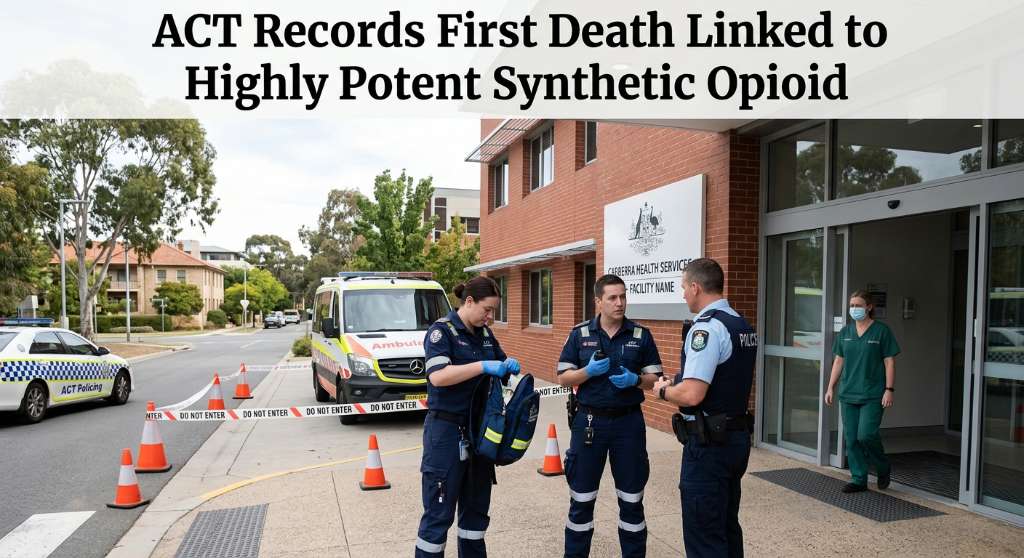
A Canberra woman has become the first person in the ACT whose death has been linked to a highly potent synthetic opioid, prompting renewed concern about...
Queensland's emerging football prospects are coming together for a three-day Brisbane Lions State Academy showcase, giving young players an opportunity...
A Wavell Heights enrolled nurse has been charged with four counts of alleged sexual assault and one count of wilful exposure, with his professional regi...
A 24-year-old Carina Heights man has been charged with 36 offences following an investigation into alleged break-ins, vehicle offences and other propert...
Cairns Regional Council has unanimously voted to seek $400,000 in Queensland Government funding for a program designed to connect local businesses with the region’s growing film...
An automated external defibrillator and memorial plaque have been installed at Ellery Creek Big Hole following the death of disability advocate Ellen Fr...
Queensland firefighters spent several hours monitoring a significant grass fire at Mary Kinross Park in Bargara, near Bundaberg, after the blaze broke out on Wednesday evening....