Safety note: Admin approval is an initial review, not a guarantee that every detail is correct. Check important or urgent claims with official sources and report anything inaccurate or unsafe.
Source and credit: Contributor's own report
Farm Land Credits Drive Changes in Rural Communities as Carbon and Biodiversity Markets Expand - Wagga Wagga, NSW
Smart summary
Farmers are increasingly exploring carbon and biodiversity credits as new income opportunities, but rising demand for farmland from environmental markets is creating concerns about land prices and the future of rural...
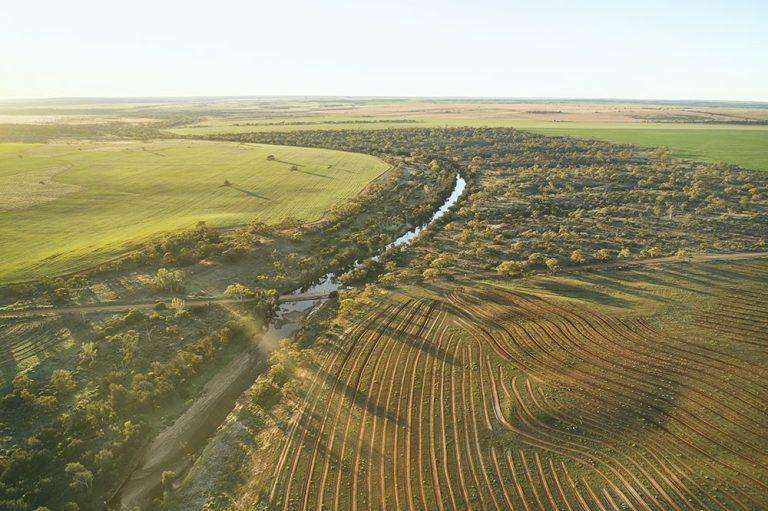
A growing market for carbon credits and biodiversity credits is changing the way some Australian farmland is valued, creating new opportunities for landholders while also raising concerns about the impact on rural communities. The issue was highlighted on the ABC NSW Country Hour, which examined how nature repair schemes are influencing farming regions across Australia.
Environmental markets allow landholders to generate income by changing how they manage their properties. Farmers can participate in projects that store carbon, protect native vegetation, restore ecosystems or improve biodiversity outcomes. These schemes are designed to support environmental goals while providing alternative revenue streams for rural businesses.
The growth of these markets has attracted interest from companies looking to reduce their emissions, investors seeking environmental opportunities and governments working towards conservation targets. The Australian Government’s carbon credit programs support projects that avoid emissions or remove carbon from the atmosphere, including activities linked to agriculture and land management.
However, increasing demand for farmland suitable for carbon and conservation projects has created concerns among some rural communities. As investors compete for properties, some farmers and researchers are worried that land prices may rise beyond the reach of traditional agricultural buyers.
The ABC report highlighted that some large companies and international investors are purchasing farming properties to meet environmental commitments, while nature repair programs are also encouraging landholders to consider new ways of using their land.
For some farmers, carbon and biodiversity credits provide a chance to diversify income at a time when agriculture faces challenges including changing weather conditions, rising costs and market uncertainty. Programs supporting lower-emission farming practices aim to help producers remain profitable while adapting to environmental pressures.
Biodiversity credit programs can also provide funding for landholders who protect habitats, manage pests and weeds, and restore areas important for native species. In New South Wales, biodiversity credit markets are designed to help fund environmental restoration while allowing development projects to offset impacts through approved credit systems.
Despite potential benefits, researchers have warned that environmental markets need careful management to ensure they deliver genuine environmental improvements. Concerns have been raised that unsuitable land could be targeted or that conservation goals may not always align with local farming priorities.
Farmers involved in these programs must consider long-term commitments, including changes to land management practices and possible impacts on future agricultural activities. Decisions about entering carbon or biodiversity markets can involve complex financial and environmental considerations.
Some rural leaders believe these markets can strengthen farming communities by creating additional income sources, supporting land restoration and helping farmers manage climate risks. Others argue governments need to ensure traditional farming remains viable and that local communities are not negatively affected by outside investment.
The debate reflects a broader challenge facing Australian agriculture: finding a balance between food production, environmental protection and economic sustainability.
As climate policies continue to develop, carbon and biodiversity credits are expected to play a larger role in Australia’s land management future. The challenge will be ensuring these opportunities benefit farmers, protect ecosystems and support the long-term health of regional communities.
EnvironmentalCarbonBiodiversityLandMarkets
A growing market for carbon credits and biodiversity credits is changing the way some Australian farmland is valued, creating new opportunities for landholders while also raising concerns about the impact on rural communities. The issue was highlighted on the ABC NSW Country Hour, which examined how nature repair schemes are influencing farming regions across Australia.
Environmental markets allow landholders to generate income by changing how they manage their properties. Farmers can participate in projects that store carbon, protect native vegetation, restore ecosystems or improve biodiversity outcomes. These schemes are designed to support environmental goals while providing alternative revenue streams for rural businesses.
The growth of these markets has attracted interest from companies looking to reduce their emissions, investors seeking environmental opportunities and governments working towards conservation targets. The Australian Government’s carbon credit programs support projects that avoid emissions or remove carbon from the atmosphere, including activities linked to agriculture and land management.
However, increasing demand for farmland suitable for carbon and conservation projects has created concerns among some rural communities. As investors compete for properties, some farmers and researchers are worried that land prices may rise beyond the reach of traditional agricultural buyers.
The ABC report highlighted that some large companies and international investors are purchasing farming properties to meet environmental commitments, while nature repair programs are also encouraging landholders to consider new ways of using their land.
For some farmers, carbon and biodiversity credits provide a chance to diversify income at a time when agriculture faces challenges including changing weather conditions, rising costs and market uncertainty. Programs supporting lower-emission farming practices aim to help producers remain profitable while adapting to environmental pressures.
Biodiversity credit programs can also provide funding for landholders who protect habitats, manage pests and weeds, and restore areas important for native species. In New South Wales, biodiversity credit markets are designed to help fund environmental restoration while allowing development projects to offset impacts through approved credit systems.
Despite potential benefits, researchers have warned that environmental markets need careful management to ensure they deliver genuine environmental improvements. Concerns have been raised that unsuitable land could be targeted or that conservation goals may not always align with local farming priorities.
Farmers involved in these programs must consider long-term commitments, including changes to land management practices and possible impacts on future agricultural activities. Decisions about entering carbon or biodiversity markets can involve complex financial and environmental considerations.
Some rural leaders believe these markets can strengthen farming communities by creating additional income sources, supporting land restoration and helping farmers manage climate risks. Others argue governments need to ensure traditional farming remains viable and that local communities are not negatively affected by outside investment.
The debate reflects a broader challenge facing Australian agriculture: finding a balance between food production, environmental protection and economic sustainability.
As climate policies continue to develop, carbon and biodiversity credits are expected to play a larger role in Australia’s land management future. The challenge will be ensuring these opportunities benefit farmers, protect ecosystems and support the long-term health of regional communities.
Australian property values have fallen for seven consecutive months, with the national median home value dropping approximately $63,400 since March as h...
Around 8,000 customers in Western Australia's coastal city of Albany will need to replace gas appliances with electric alternatives or switch to bottled...
Buyers from Sydney and Melbourne are purchasing homes in Alice Springs at a rapid pace, attracted by strong rental returns and limited housing availabil...
Growing awareness of Auslan is highlighting the importance of teaching children sign language and helping them communicate with people who are deaf or h...
New South Wales has begun accepting firearms under the national gun buyback scheme, but limited appointment availability has created an early challenge...
Australian property values have fallen for seven consecutive months, with the national median home value dropping approximately $63,400 since March as h...
Education experts support New South Wales' proposal to replace computer-based NAPLAN writing tests with traditional pen-and-paper examinations for stude...
Police are investigating after a one-year-old child died following a house fire in Collie, while several other people inside the property escaped safely.
A psychiatric report presented to South Australia's Supreme Court has raised questions about Tamika Chesser's mental competence in the case involving th...
A freedom of information request has revealed that Gold Coast Council does not hold a copy of the invoice for Mayor Tom Tate's three-day stay at Donald...