Safety note: Admin approval is an initial review, not a guarantee that every detail is correct. Check important or urgent claims with official sources and report anything inaccurate or unsafe.
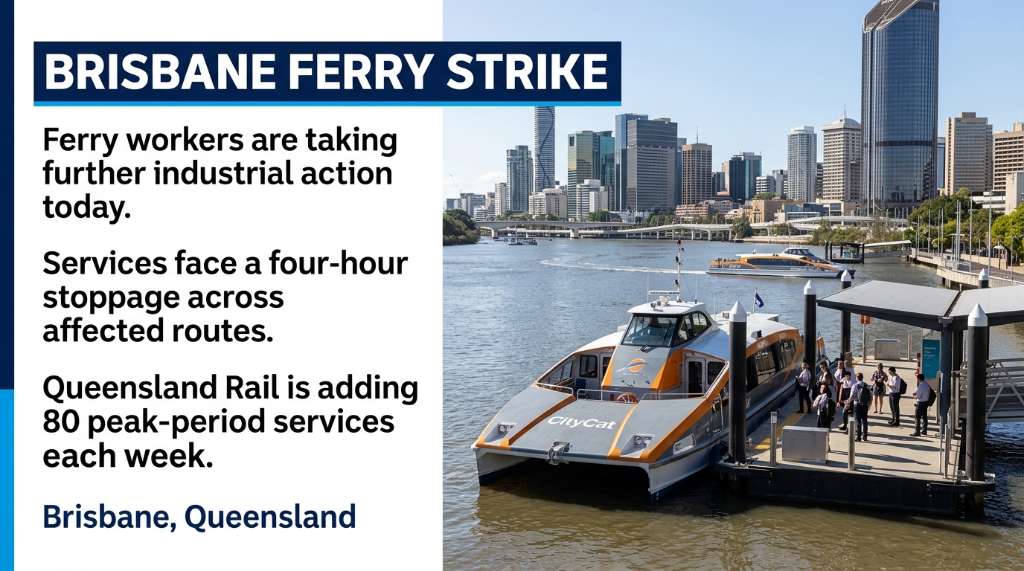
Brisbane ferry services face another four-hour stoppage as industrial action continues to disrupt commuters, while Queensland Rail adds extra peak-period services.
Brisbane commuters are facing another disruption to the city's ferry network as workers take further industrial action, resulting in a four-hour stoppage of ferry services. The latest action adds to a series of public transport disruptions that have affected commuters across Brisbane and surrounding areas. The report was published on 17 August 2026, making it relevant to today's Brisbane news coverage.
The ferry stoppage is part of continuing industrial action involving transport workers. Previous full ferry shutdowns occurred on 31 July and 7 August, meaning commuters have now experienced repeated interruptions to river-based public transport. For people who regularly rely on Brisbane's ferry network to travel to work, education, appointments or other daily activities, repeated cancellations can create significant difficulties.
Ferries are an important part of Brisbane's public transport system because the city's river divides a number of major residential, commercial and entertainment areas. Services provide an alternative to road travel and connect passengers with bus and rail networks. When ferry services stop, passengers may need to find alternative routes, potentially increasing pressure on buses, trains and roads.
The latest industrial action comes while broader negotiations concerning public transport employees continue. The dispute has involved discussions over employment agreements and working conditions, with unions and transport authorities working through outstanding issues.
At the same time, Queensland Rail is adding 80 peak-period services each week in an effort to improve reliability and provide additional capacity for passengers. The extra services are particularly significant because train disruptions have also affected Brisbane commuters during recent months.
According to the report, negotiations over employee agreements are continuing, although progress has been made on several agreements. Three agreements have already been reached in principle, indicating that discussions are moving forward in some areas even as industrial action continues.
The combination of ferry disruptions and additional train services highlights the interconnected nature of Brisbane's public transport network. When one transport mode is disrupted, passengers often shift to other services, increasing demand elsewhere. Additional train capacity could therefore help some commuters manage the impact of ferry cancellations.
Not every ferry route is affected by the current stoppage. The Southern Moreton Bay Island and Coochiemudlo ferry services are excluded from the industrial action. This means passengers using those particular services can continue to travel, subject to normal operating conditions.
For other ferry passengers, checking service information before leaving home is particularly important. Travellers may need to allow additional time for their journeys or consider alternative public transport options while the stoppage is underway.
The disruption also highlights the importance of resolving ongoing employment negotiations. Reliable public transport depends not only on infrastructure and vehicles but also on the workforce responsible for operating services and maintaining the network.
For Brisbane businesses, transport disruptions can also have indirect effects. Employees who depend on ferries may face longer journeys, while customers and visitors may change their travel plans when services are unavailable. Retail, hospitality and tourism businesses located near ferry terminals can therefore be affected by changes in passenger movement.
Public transport reliability is especially important in a growing city such as Brisbane. As the population increases and more people use public transport, disruptions can have a wider impact across the metropolitan area.
The current ferry stoppage is therefore more than an isolated service cancellation. It forms part of a broader period of industrial negotiations and transport-network adjustments across Queensland.
The addition of extra Queensland Rail services provides one response to the wider disruption, but commuters using ferries may still need to make alternative arrangements during the four-hour stoppage.
Authorities, unions and transport workers remain involved in negotiations, with the outcome expected to influence future service conditions and potential industrial action.
For passengers travelling through Brisbane today, the key message is to check ferry services before travelling, allow additional time and consider alternative routes where necessary.
The ferry disruption is another reminder of how important dependable public transport is to Brisbane's daily life. Continued negotiations and additional rail services may help reduce some of the pressure, but commuters will need to remain alert to further service changes while the industrial dispute continues.
FerryServicesTransportBrisbaneIndustrial
Brisbane commuters are facing another disruption to the city's ferry network as workers take further industrial action, resulting in a four-hour stoppage of ferry services. The latest action adds to a series of public transport disruptions that have affected commuters across Brisbane and surrounding areas. The report was published on 17 August 2026, making it relevant to today's Brisbane news coverage.
The ferry stoppage is part of continuing industrial action involving transport workers. Previous full ferry shutdowns occurred on 31 July and 7 August, meaning commuters have now experienced repeated interruptions to river-based public transport. For people who regularly rely on Brisbane's ferry network to travel to work, education, appointments or other daily activities, repeated cancellations can create significant difficulties.
Ferries are an important part of Brisbane's public transport system because the city's river divides a number of major residential, commercial and entertainment areas. Services provide an alternative to road travel and connect passengers with bus and rail networks. When ferry services stop, passengers may need to find alternative routes, potentially increasing pressure on buses, trains and roads.
The latest industrial action comes while broader negotiations concerning public transport employees continue. The dispute has involved discussions over employment agreements and working conditions, with unions and transport authorities working through outstanding issues.
At the same time, Queensland Rail is adding 80 peak-period services each week in an effort to improve reliability and provide additional capacity for passengers. The extra services are particularly significant because train disruptions have also affected Brisbane commuters during recent months.
According to the report, negotiations over employee agreements are continuing, although progress has been made on several agreements. Three agreements have already been reached in principle, indicating that discussions are moving forward in some areas even as industrial action continues.
The combination of ferry disruptions and additional train services highlights the interconnected nature of Brisbane's public transport network. When one transport mode is disrupted, passengers often shift to other services, increasing demand elsewhere. Additional train capacity could therefore help some commuters manage the impact of ferry cancellations.
Not every ferry route is affected by the current stoppage. The Southern Moreton Bay Island and Coochiemudlo ferry services are excluded from the industrial action. This means passengers using those particular services can continue to travel, subject to normal operating conditions.
For other ferry passengers, checking service information before leaving home is particularly important. Travellers may need to allow additional time for their journeys or consider alternative public transport options while the stoppage is underway.
The disruption also highlights the importance of resolving ongoing employment negotiations. Reliable public transport depends not only on infrastructure and vehicles but also on the workforce responsible for operating services and maintaining the network.
For Brisbane businesses, transport disruptions can also have indirect effects. Employees who depend on ferries may face longer journeys, while customers and visitors may change their travel plans when services are unavailable. Retail, hospitality and tourism businesses located near ferry terminals can therefore be affected by changes in passenger movement.
Public transport reliability is especially important in a growing city such as Brisbane. As the population increases and more people use public transport, disruptions can have a wider impact across the metropolitan area.
The current ferry stoppage is therefore more than an isolated service cancellation. It forms part of a broader period of industrial negotiations and transport-network adjustments across Queensland.
The addition of extra Queensland Rail services provides one response to the wider disruption, but commuters using ferries may still need to make alternative arrangements during the four-hour stoppage.
Authorities, unions and transport workers remain involved in negotiations, with the outcome expected to influence future service conditions and potential industrial action.
For passengers travelling through Brisbane today, the key message is to check ferry services before travelling, allow additional time and consider alternative routes where necessary.
The ferry disruption is another reminder of how important dependable public transport is to Brisbane's daily life. Continued negotiations and additional rail services may help reduce some of the pressure, but commuters will need to remain alert to further service changes while the industrial dispute continues.
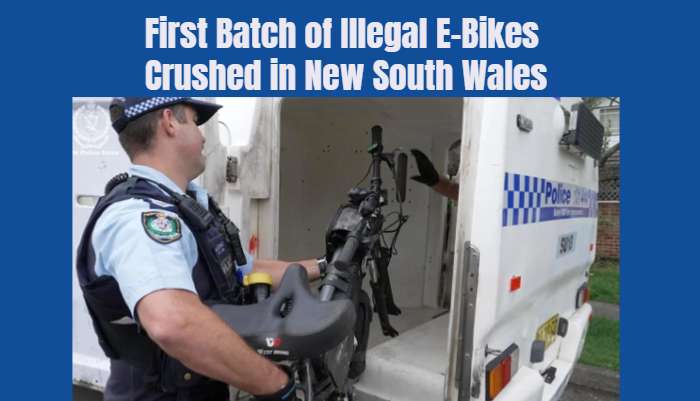
Authorities have crushed 23 confiscated electric bikes in Blacktown under new laws targeting non-compliant e-bikes, following a joint enforcement operat...
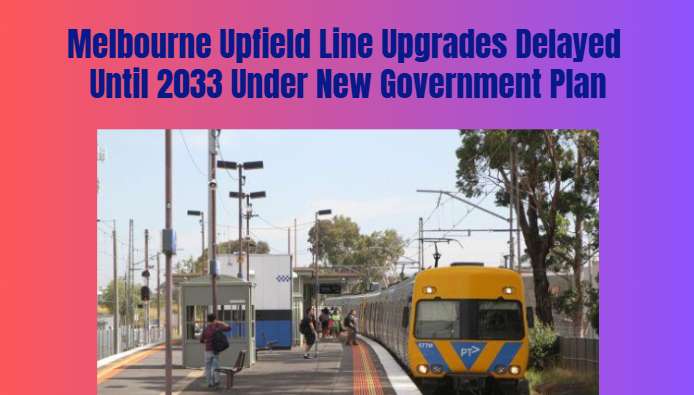
The Victorian Government has announced an $80 million study into duplicating Melbourne's Upfield railway line while delaying eight planned level-crossin...
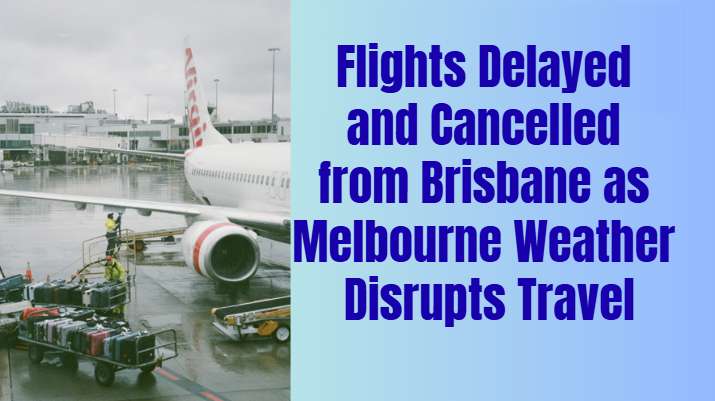
Severe weather in Melbourne has caused flight disruptions from Brisbane, with at least one flight cancelled and other services delayed as passengers tra...
Passengers travelling through Sydney Airport on September 24 are being warned to allow extra time as separate strikes involving airport security and gro...
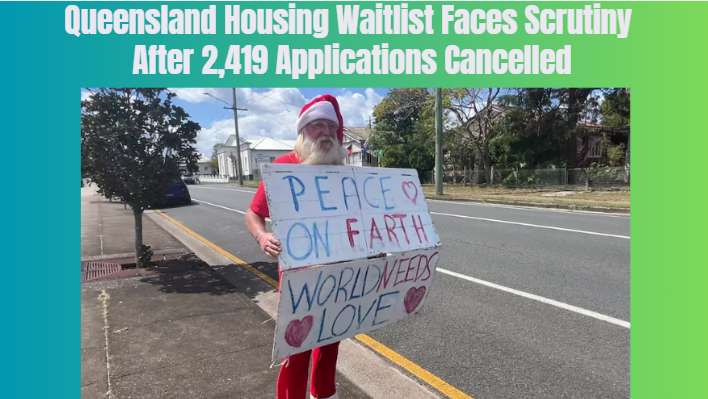
A Queensland government audit has identified gaps in record-keeping around social housing applications cancelled because applicants could not be contact...
BESIX Watpac and John Holland have been selected as the sole finalist to progress contract negotiations for Brisbane’s planned 63,000-seat Victoria Park...
Gold Coast Mayor Tom Tate has renewed his proposal for a separate daylight-saving arrangement in southeast Queensland as daylight saving begins in sever...
Authorities have crushed 23 confiscated electric bikes in Blacktown under new laws targeting non-compliant e-bikes, following a joint enforcement operat...
Thousands of Victorian doctors and allied health professionals have begun industrial action over stalled negotiations on pay and working conditions, wit...