Safety note: Admin approval is an initial review, not a guarantee that every detail is correct. Check important or urgent claims with official sources and report anything inaccurate or unsafe.
Source and credit: Contributor's own report
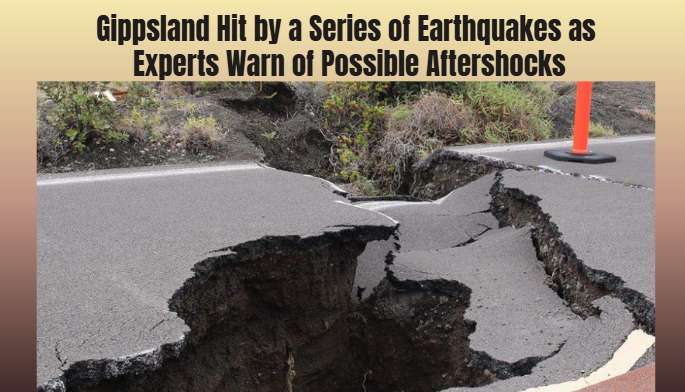
Gippsland Hit by a Series of Earthquakes as Experts Warn of Possible Aftershocks - Gippsland, VIC
Smart summary
Nine earthquakes have shaken Victoria’s Gippsland region over a short period, prompting seismologists to explain the likelihood of further aftershocks and encourage residents to review their emergency preparedness.
Victoria’s Gippsland region has experienced a series of earthquakes over several days, attracting thousands of reports from residents across southeastern Australia and prompting renewed attention to earthquake preparedness.
The sequence began with a magnitude 4.9 earthquake near Leongatha in the early hours of Saturday, 3 October, according to reporting published on 9 October. The tremor was felt across parts of Victoria, New South Wales and the Australian Capital Territory. More than 21,000 public reports were recorded following the initial earthquake, demonstrating how widely the shaking was noticed. Pure Xbox
Subsequent seismic activity continued in the region. Geoscience Australia recorded six aftershocks following the main earthquake, with the most recent reported tremor measuring magnitude 1.6 on Thursday afternoon, 8 October. News reports published on Friday described a total of nine earthquakes over the period, although the precise count depends on the reporting window used. Pure Xbox +1
Seismologists explained that aftershocks are a recognised part of earthquake activity. When a significant earthquake occurs, stresses within the surrounding rocks change, and the crust can continue adjusting. This process can produce additional smaller tremors after the initial event.
Experts cautioned that aftershocks may continue for weeks or months, although they generally become less frequent and less intense as time passes. However, scientists cannot accurately predict the exact timing, location or magnitude of an individual future earthquake.
Although Gippsland is not generally regarded as Australia's most seismically active region, its proximity to populated areas means even moderate earthquakes can attract widespread attention. The initial magnitude 4.9 event was strong enough to be reported by residents across a broad area.
Australia experiences earthquakes despite being located away from the major tectonic plate boundaries found in many other parts of the world. Geological stresses within the Australian continent can still cause faults to move and release energy. Seismologists monitor these events to improve understanding of regional earthquake patterns and assess potential hazards.
The recent activity also provides a reminder for households, workplaces and schools to review their emergency plans. Residents can prepare by securing heavy furniture, identifying safer places inside buildings, keeping emergency supplies accessible and learning how to protect themselves during shaking.
Authorities encourage people to rely on official information rather than unverified social media claims. Residents who feel an earthquake can submit reports to Geoscience Australia, helping scientists map where the shaking was experienced and improve their understanding of the event.
There is no confirmed evidence in the sources reviewed here of major structural damage or widespread injuries associated with this particular earthquake sequence. Residents should nevertheless remain aware of official advice and report any damage or immediate safety concerns to the relevant authorities.
The latest sequence highlights the importance of earthquake monitoring and preparedness in Victoria. While smaller aftershocks are common following a significant tremor, the possibility of further activity means communities should stay informed without assuming that another large earthquake is inevitable.
What happens next: Geoscience Australia will continue monitoring seismic activity and updating earthquake records as further events are detected.
EarthquakeActivityAftershocksEarthquakesResidents
Victoria’s Gippsland region has experienced a series of earthquakes over several days, attracting thousands of reports from residents across southeastern Australia and prompting renewed attention to earthquake preparedness.
The sequence began with a magnitude 4.9 earthquake near Leongatha in the early hours of Saturday, 3 October, according to reporting published on 9 October. The tremor was felt across parts of Victoria, New South Wales and the Australian Capital Territory. More than 21,000 public reports were recorded following the initial earthquake, demonstrating how widely the shaking was noticed. Pure Xbox
Subsequent seismic activity continued in the region. Geoscience Australia recorded six aftershocks following the main earthquake, with the most recent reported tremor measuring magnitude 1.6 on Thursday afternoon, 8 October. News reports published on Friday described a total of nine earthquakes over the period, although the precise count depends on the reporting window used. Pure Xbox +1
Seismologists explained that aftershocks are a recognised part of earthquake activity. When a significant earthquake occurs, stresses within the surrounding rocks change, and the crust can continue adjusting. This process can produce additional smaller tremors after the initial event.
Experts cautioned that aftershocks may continue for weeks or months, although they generally become less frequent and less intense as time passes. However, scientists cannot accurately predict the exact timing, location or magnitude of an individual future earthquake.
Although Gippsland is not generally regarded as Australia's most seismically active region, its proximity to populated areas means even moderate earthquakes can attract widespread attention. The initial magnitude 4.9 event was strong enough to be reported by residents across a broad area.
Australia experiences earthquakes despite being located away from the major tectonic plate boundaries found in many other parts of the world. Geological stresses within the Australian continent can still cause faults to move and release energy. Seismologists monitor these events to improve understanding of regional earthquake patterns and assess potential hazards.
The recent activity also provides a reminder for households, workplaces and schools to review their emergency plans. Residents can prepare by securing heavy furniture, identifying safer places inside buildings, keeping emergency supplies accessible and learning how to protect themselves during shaking.
Authorities encourage people to rely on official information rather than unverified social media claims. Residents who feel an earthquake can submit reports to Geoscience Australia, helping scientists map where the shaking was experienced and improve their understanding of the event.
There is no confirmed evidence in the sources reviewed here of major structural damage or widespread injuries associated with this particular earthquake sequence. Residents should nevertheless remain aware of official advice and report any damage or immediate safety concerns to the relevant authorities.
The latest sequence highlights the importance of earthquake monitoring and preparedness in Victoria. While smaller aftershocks are common following a significant tremor, the possibility of further activity means communities should stay informed without assuming that another large earthquake is inevitable.
What happens next: Geoscience Australia will continue monitoring seismic activity and updating earthquake records as further events are detected.
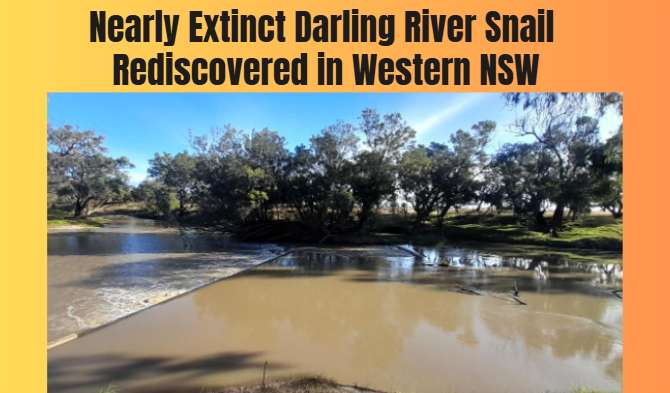
A small colony of critically endangered Darling River snails has been discovered at a weir near Walgett, offering fresh hope for a species that was fear...
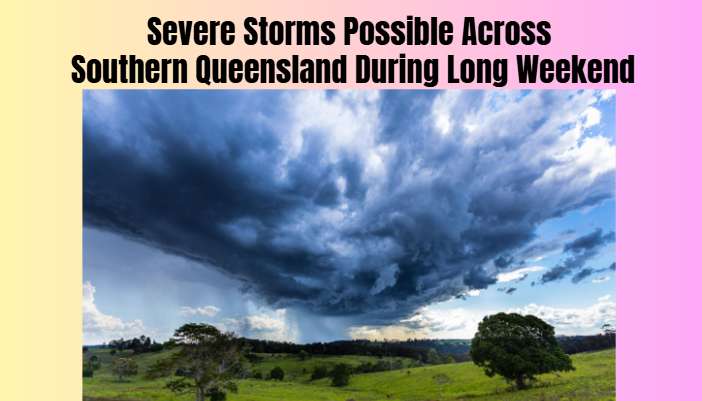
The Bureau of Meteorology is warning of possible thunderstorms across southern Queensland during the King’s Birthday long weekend, with unsettled weathe...
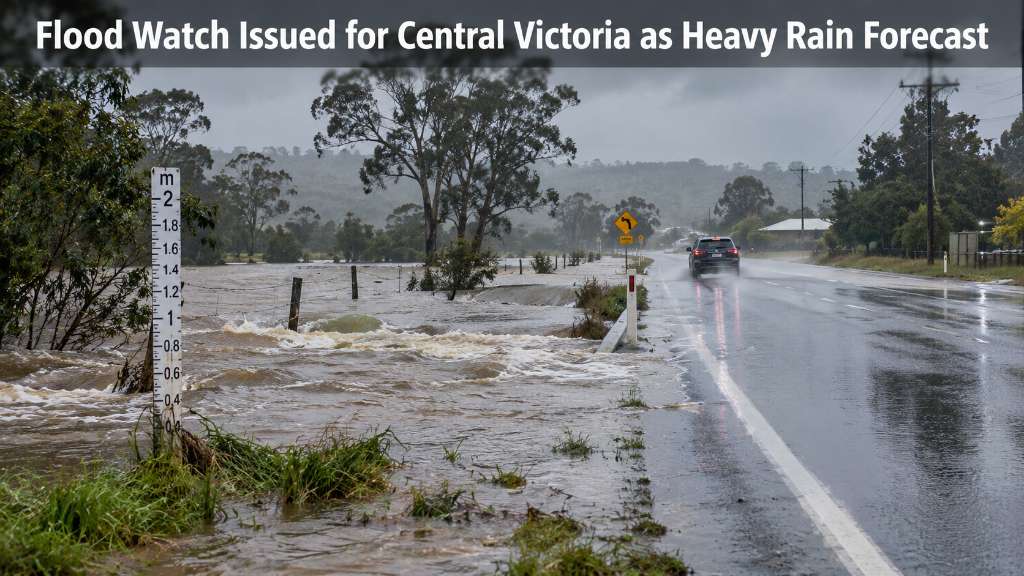
A flood watch is in place across parts of Victoria, with Ballarat and surrounding Central Victorian catchments facing the risk of minor to moderate floo...
Researchers are warning communities along South Australia's Lower Murray to prepare for more frequent flash droughts, with above-average temperatures fo...
A 39-year-old man has been charged over an alleged vehicle attack following a fatal shooting in northern New South Wales in December 2025. Police allege...
A Western Australian farmer says a series of suspected dog attacks has killed or forced the euthanasia of about 80 sheep over five months, with authorit...
A small colony of critically endangered Darling River snails has been discovered at a weir near Walgett, offering fresh hope for a species that was fear...
Two men have been charged following an alleged armed robbery at a business in Hughes, Canberra. The investigation also involved a dangerous police pursu...
A 39-year-old man has been charged over an alleged vehicle attack following a fatal shooting in northern New South Wales in December 2025. Police allege...
The federal government will fund a temporary extension of credit card payments to the Australian Taxation Office, giving small businesses and taxpayers...
ACT Policing has identified two men and a teenager in an investigation into an alleged burglary and animal cruelty incident at a rural property near the...