Safety note: Admin approval is an initial review, not a guarantee that every detail is correct. Check important or urgent claims with official sources and report anything inaccurate or unsafe.
Source and credit: Contributor's own report
Global Stroke Experts Gather in Brisbane for Major 2026 Conference - Brisbane, QLD
Smart summary
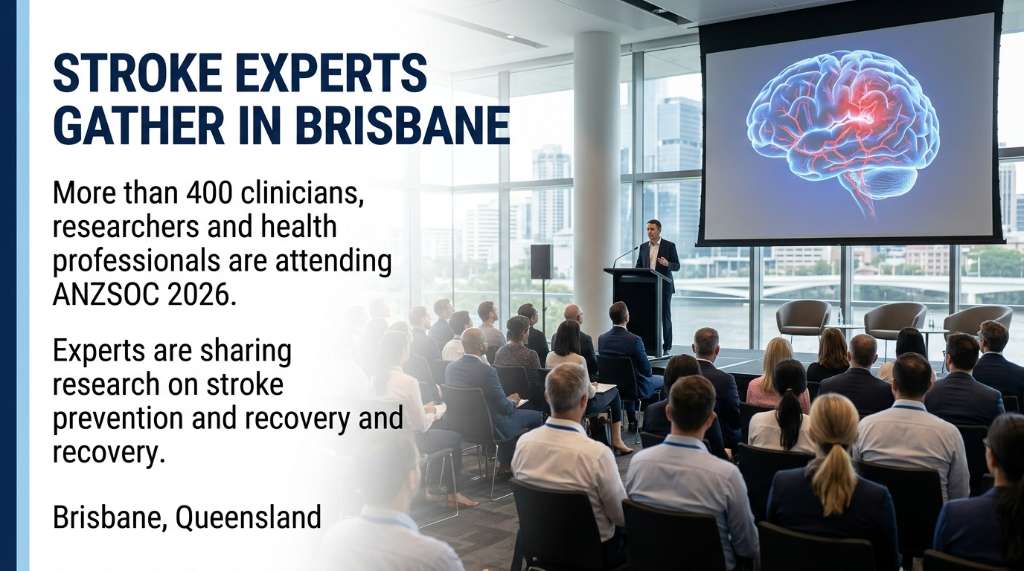
More than 400 stroke clinicians, researchers, allied-health professionals and people with lived experience are gathering in Brisbane this week for ANZSOC 2026.
More than 400 stroke clinicians, researchers, allied-health professionals and people with lived experience of stroke are gathering in Brisbane this week for the 2026 Australian and New Zealand Stroke Organisation Conference (ANZSOC 2026). The conference brings together specialists from Australia, New Zealand and other parts of the world to discuss developments in stroke care, research, prevention and recovery.
The Brisbane conference provides an important opportunity for professionals working in different areas of stroke care to share knowledge and discuss emerging approaches to improving outcomes for people affected by stroke. The event brings together medical specialists as well as researchers, allied-health professionals and people who have personal experience of stroke.
Stroke remains an important health issue because it can affect people suddenly and may result in long-term physical, communication, cognitive or emotional difficulties. Rapid treatment and appropriate rehabilitation can play an important role in recovery, while research continues to examine better ways to prevent strokes and reduce their impact.
ANZSOC 2026 gives specialists an opportunity to examine these issues collectively. Conferences such as this allow researchers to present findings, clinicians to discuss practical experiences and healthcare professionals from different disciplines to exchange ideas.
The involvement of people with lived experience is also significant. Their experiences can provide healthcare professionals and researchers with valuable perspectives about what happens after a stroke, including the challenges associated with rehabilitation, returning to everyday activities and accessing appropriate support.
Brisbane's role as the host city places the Queensland capital at the centre of an important international medical gathering. Bringing hundreds of health professionals to the city also provides an opportunity for local healthcare and research communities to connect with specialists from other regions.
The conference is expected to cover a wide range of topics connected with stroke. These can include prevention, diagnosis, acute treatment, rehabilitation, recovery and long-term support. Researchers and clinicians can use such events to compare approaches and identify areas where further research may be required.
Medical conferences also play an important role in professional education. Healthcare workers can learn about new research and developments while discussing how emerging evidence can potentially be incorporated into clinical practice.
For stroke patients and their families, advances discussed at professional conferences can eventually contribute to improved healthcare services and treatment approaches. Although research presented at a conference does not immediately change clinical care, the exchange of information can help shape future research and medical practice.
The participation of allied-health professionals is particularly relevant because stroke recovery often involves more than immediate medical treatment. Patients may require rehabilitation and ongoing support from professionals working across different areas of healthcare.
These professionals can work with patients on mobility, communication, daily activities and other aspects of recovery. Collaboration between medical and allied-health teams can therefore be an important part of comprehensive stroke care.
The conference also highlights the importance of continued research into stroke prevention. Identifying risk factors and developing effective prevention strategies can help reduce the number of people experiencing stroke and potentially improve long-term health outcomes.
Bringing specialists together in one location allows researchers to discuss current challenges and consider new directions for future studies. International participation can also help create stronger connections between research groups and healthcare organisations.
For Brisbane, hosting a major medical conference contributes to the city's growing reputation as a destination for health, research and professional events. Conferences attract visitors who stay in local accommodation, use restaurants and transport services and contribute to the broader visitor economy.
The gathering demonstrates how Brisbane can serve as a meeting point for professionals working across Australia, New Zealand and international health communities.
For the wider public, the conference provides a reminder of the continuing importance of stroke awareness, prevention and timely medical care. Stroke can occur unexpectedly, making awareness of warning signs and rapid access to emergency medical treatment particularly important.
The discussions taking place at ANZSOC 2026 may help strengthen collaboration between researchers, clinicians and people with lived experience. Sharing evidence and personal perspectives can contribute to a better understanding of the challenges faced by stroke patients and their families.
The conference is therefore significant not only because of the number of specialists attending, but also because it creates a forum for discussing how stroke care can continue to improve.
As the event continues in Brisbane, researchers and healthcare professionals will have opportunities to exchange knowledge, build professional connections and discuss future directions for stroke research and treatment.
StrokeProfessionalsResearchConferenceMedical
More than 400 stroke clinicians, researchers, allied-health professionals and people with lived experience of stroke are gathering in Brisbane this week for the 2026 Australian and New Zealand Stroke Organisation Conference (ANZSOC 2026). The conference brings together specialists from Australia, New Zealand and other parts of the world to discuss developments in stroke care, research, prevention and recovery.
The Brisbane conference provides an important opportunity for professionals working in different areas of stroke care to share knowledge and discuss emerging approaches to improving outcomes for people affected by stroke. The event brings together medical specialists as well as researchers, allied-health professionals and people who have personal experience of stroke.
Stroke remains an important health issue because it can affect people suddenly and may result in long-term physical, communication, cognitive or emotional difficulties. Rapid treatment and appropriate rehabilitation can play an important role in recovery, while research continues to examine better ways to prevent strokes and reduce their impact.
ANZSOC 2026 gives specialists an opportunity to examine these issues collectively. Conferences such as this allow researchers to present findings, clinicians to discuss practical experiences and healthcare professionals from different disciplines to exchange ideas.
The involvement of people with lived experience is also significant. Their experiences can provide healthcare professionals and researchers with valuable perspectives about what happens after a stroke, including the challenges associated with rehabilitation, returning to everyday activities and accessing appropriate support.
Brisbane's role as the host city places the Queensland capital at the centre of an important international medical gathering. Bringing hundreds of health professionals to the city also provides an opportunity for local healthcare and research communities to connect with specialists from other regions.
The conference is expected to cover a wide range of topics connected with stroke. These can include prevention, diagnosis, acute treatment, rehabilitation, recovery and long-term support. Researchers and clinicians can use such events to compare approaches and identify areas where further research may be required.
Medical conferences also play an important role in professional education. Healthcare workers can learn about new research and developments while discussing how emerging evidence can potentially be incorporated into clinical practice.
For stroke patients and their families, advances discussed at professional conferences can eventually contribute to improved healthcare services and treatment approaches. Although research presented at a conference does not immediately change clinical care, the exchange of information can help shape future research and medical practice.
The participation of allied-health professionals is particularly relevant because stroke recovery often involves more than immediate medical treatment. Patients may require rehabilitation and ongoing support from professionals working across different areas of healthcare.
These professionals can work with patients on mobility, communication, daily activities and other aspects of recovery. Collaboration between medical and allied-health teams can therefore be an important part of comprehensive stroke care.
The conference also highlights the importance of continued research into stroke prevention. Identifying risk factors and developing effective prevention strategies can help reduce the number of people experiencing stroke and potentially improve long-term health outcomes.
Bringing specialists together in one location allows researchers to discuss current challenges and consider new directions for future studies. International participation can also help create stronger connections between research groups and healthcare organisations.
For Brisbane, hosting a major medical conference contributes to the city's growing reputation as a destination for health, research and professional events. Conferences attract visitors who stay in local accommodation, use restaurants and transport services and contribute to the broader visitor economy.
The gathering demonstrates how Brisbane can serve as a meeting point for professionals working across Australia, New Zealand and international health communities.
For the wider public, the conference provides a reminder of the continuing importance of stroke awareness, prevention and timely medical care. Stroke can occur unexpectedly, making awareness of warning signs and rapid access to emergency medical treatment particularly important.
The discussions taking place at ANZSOC 2026 may help strengthen collaboration between researchers, clinicians and people with lived experience. Sharing evidence and personal perspectives can contribute to a better understanding of the challenges faced by stroke patients and their families.
The conference is therefore significant not only because of the number of specialists attending, but also because it creates a forum for discussing how stroke care can continue to improve.
As the event continues in Brisbane, researchers and healthcare professionals will have opportunities to exchange knowledge, build professional connections and discuss future directions for stroke research and treatment.
Central Coast New South Wales · Health News · 30 Sep 2026
Central Coast communities are set to receive more than $1.8 million in funding for health facility upgrades, with the money allocated to the Central Coast Local Health District...
A South Australian soccer player with two broken bones in his lower leg travelled about 70 kilometres by private car after waiting at a regional hospita...
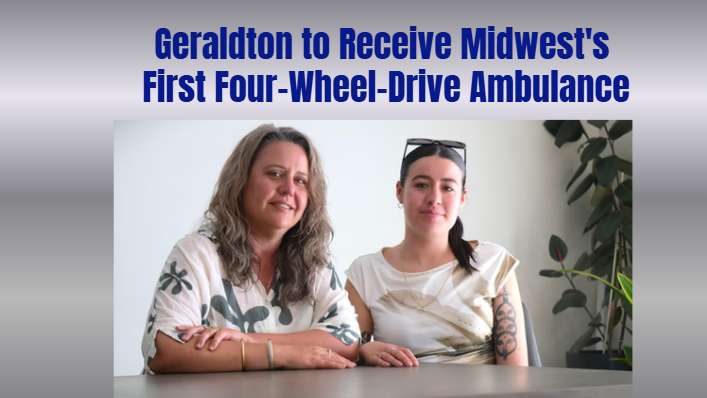
Geraldton is set to receive the Midwest region's first four-wheel-drive ambulance in October after concerns about emergency access to remote beaches, sa...
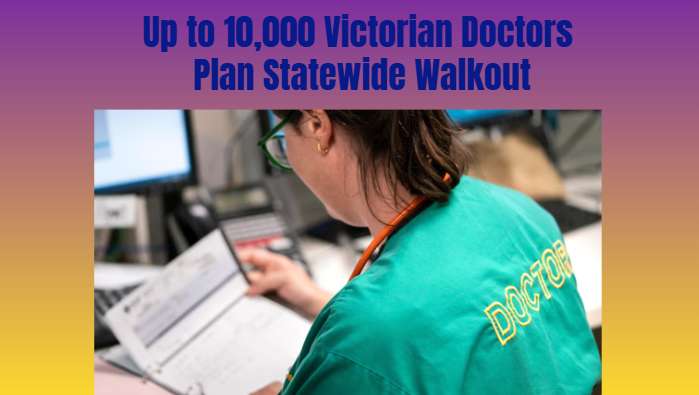
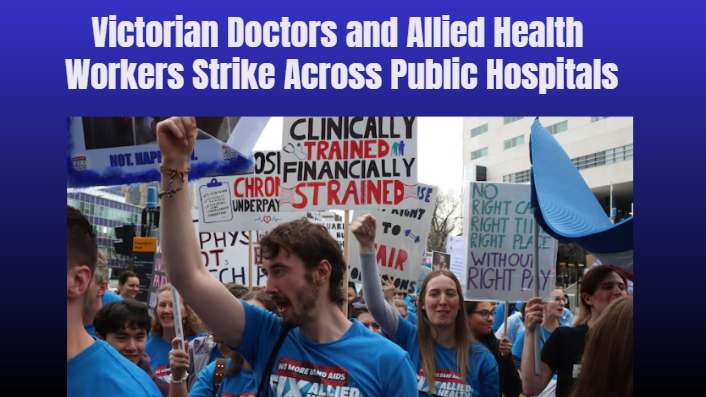
Doctors across Victoria's public hospital system are planning a four-hour statewide walkout on Thursday amid an ongoing dispute over pay and working con...
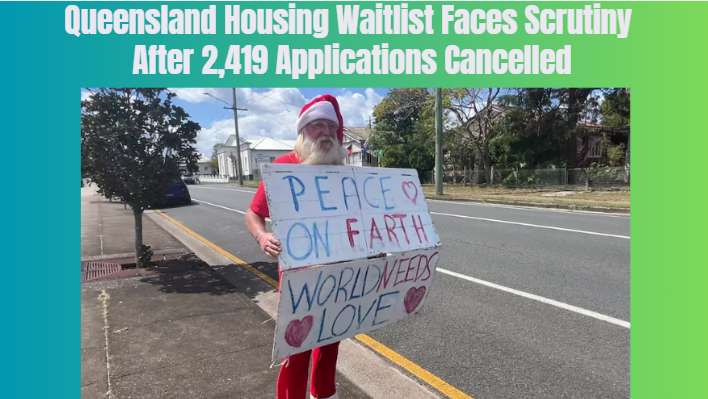
A Queensland government audit has identified gaps in record-keeping around social housing applications cancelled because applicants could not be contact...
BESIX Watpac and John Holland have been selected as the sole finalist to progress contract negotiations for Brisbane’s planned 63,000-seat Victoria Park...
Gold Coast Mayor Tom Tate has renewed his proposal for a separate daylight-saving arrangement in southeast Queensland as daylight saving begins in sever...
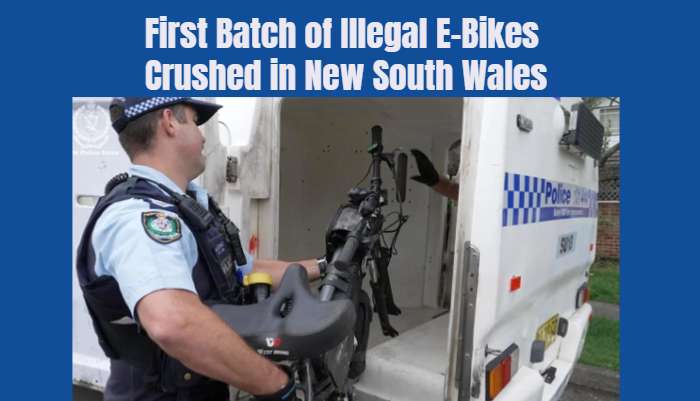
Authorities have crushed 23 confiscated electric bikes in Blacktown under new laws targeting non-compliant e-bikes, following a joint enforcement operat...
Thousands of Victorian doctors and allied health professionals have begun industrial action over stalled negotiations on pay and working conditions, wit...