Safety note: Admin approval is an initial review, not a guarantee that every detail is correct. Check important or urgent claims with official sources and report anything inaccurate or unsafe.
Great Southern Communities Receive Funding for Water Security
Smart summary
Regional communities across Western Australia’s Great Southern are receiving funding for water-security improvements as authorities work to strengthen supplies and prepare for future dry conditions. The funding suppor...
Regional communities across Western Australia’s Great Southern are receiving funding for water-security improvements as authorities work to strengthen supplies and prepare for future dry conditions. The funding supports infrastructure projects designed to improve access to reliable water and help communities respond more effectively to drought and other water challenges.
The announcement includes communities in the wider Great Southern region, with projects covering water storage, rainwater harvesting, stormwater capture, irrigation improvements and emergency water infrastructure. The investment is intended to provide practical benefits for residents, farmers and local communities while improving resilience during periods of reduced rainfall.
Projects supported by the funding include new water-storage infrastructure and rainwater-harvesting systems. These measures can help communities capture and store water when it is available, reducing pressure on existing supplies during dry periods.
Stormwater capture initiatives are also being supported. Capturing stormwater can provide an additional source of water for suitable uses while helping communities make better use of rainfall that might otherwise run away.
Irrigation upgrades are another part of the investment, particularly important for regional communities where agriculture and horticulture depend on reliable water supplies. Better irrigation infrastructure can improve efficiency and help farmers manage water resources during challenging conditions.
The funding also supports strategic water planning, allowing local authorities to assess future demand and identify infrastructure needs before water shortages become critical.
Emergency firefighting water access is another key focus. Improvements to water supplies and mobile water assets can assist emergency services during bushfires, particularly in regional areas where long distances and dry conditions can make emergency response more difficult.
The investment comes as communities across regional WA prepare for the possibility of future drought and increasingly variable weather conditions. Reliable water infrastructure is essential not only for households and agriculture but also for emergency services and local businesses.
For communities around Albany and the wider Great Southern, maintaining secure water supplies is an important long-term priority. Regional towns can face unique challenges because infrastructure must support dispersed populations and large agricultural areas.
The projects are designed to provide benefits beyond the immediate funding period. New storage facilities, harvesting systems and planning initiatives can help communities prepare for future water demand and reduce vulnerability during dry seasons.
The funding also demonstrates the importance of local government involvement in water planning. Local authorities understand the specific needs of their communities and can identify projects that provide practical improvements.
As climate and rainfall patterns become increasingly unpredictable, water security is becoming a major issue for regional communities. Infrastructure that allows water to be captured, stored and managed efficiently can provide an important buffer during dry periods.
The projects will also contribute to broader community resilience by ensuring that essential water supplies are available when they are most needed. Emergency services, in particular, benefit from reliable access to water during bushfire and other emergency situations.
For residents, the investment is expected to strengthen the reliability of local water systems and improve preparedness for future drought conditions. For farmers and other water users, upgraded infrastructure may provide greater flexibility and efficiency.
The announcement is part of wider efforts across regional Western Australia to improve water security and prepare communities for changing environmental conditions.
With funding now being directed towards practical projects, communities across the Great Southern will be able to improve storage, harvesting, irrigation and emergency water capabilities.
The investment highlights a growing focus on long-term preparation rather than waiting for severe water shortages to occur. For Albany and surrounding communities, stronger water infrastructure could play an important role in supporting households, agriculture, businesses and emergency services in the years ahead.
WaterCommunitiesInfrastructureEmergencyFunding
Regional communities across Western Australia’s Great Southern are receiving funding for water-security improvements as authorities work to strengthen supplies and prepare for future dry conditions. The funding supports infrastructure projects designed to improve access to reliable water and help communities respond more effectively to drought and other water challenges.
The announcement includes communities in the wider Great Southern region, with projects covering water storage, rainwater harvesting, stormwater capture, irrigation improvements and emergency water infrastructure. The investment is intended to provide practical benefits for residents, farmers and local communities while improving resilience during periods of reduced rainfall.
Projects supported by the funding include new water-storage infrastructure and rainwater-harvesting systems. These measures can help communities capture and store water when it is available, reducing pressure on existing supplies during dry periods.
Stormwater capture initiatives are also being supported. Capturing stormwater can provide an additional source of water for suitable uses while helping communities make better use of rainfall that might otherwise run away.
Irrigation upgrades are another part of the investment, particularly important for regional communities where agriculture and horticulture depend on reliable water supplies. Better irrigation infrastructure can improve efficiency and help farmers manage water resources during challenging conditions.
The funding also supports strategic water planning, allowing local authorities to assess future demand and identify infrastructure needs before water shortages become critical.
Emergency firefighting water access is another key focus. Improvements to water supplies and mobile water assets can assist emergency services during bushfires, particularly in regional areas where long distances and dry conditions can make emergency response more difficult.
The investment comes as communities across regional WA prepare for the possibility of future drought and increasingly variable weather conditions. Reliable water infrastructure is essential not only for households and agriculture but also for emergency services and local businesses.
For communities around Albany and the wider Great Southern, maintaining secure water supplies is an important long-term priority. Regional towns can face unique challenges because infrastructure must support dispersed populations and large agricultural areas.
The projects are designed to provide benefits beyond the immediate funding period. New storage facilities, harvesting systems and planning initiatives can help communities prepare for future water demand and reduce vulnerability during dry seasons.
The funding also demonstrates the importance of local government involvement in water planning. Local authorities understand the specific needs of their communities and can identify projects that provide practical improvements.
As climate and rainfall patterns become increasingly unpredictable, water security is becoming a major issue for regional communities. Infrastructure that allows water to be captured, stored and managed efficiently can provide an important buffer during dry periods.
The projects will also contribute to broader community resilience by ensuring that essential water supplies are available when they are most needed. Emergency services, in particular, benefit from reliable access to water during bushfire and other emergency situations.
For residents, the investment is expected to strengthen the reliability of local water systems and improve preparedness for future drought conditions. For farmers and other water users, upgraded infrastructure may provide greater flexibility and efficiency.
The announcement is part of wider efforts across regional Western Australia to improve water security and prepare communities for changing environmental conditions.
With funding now being directed towards practical projects, communities across the Great Southern will be able to improve storage, harvesting, irrigation and emergency water capabilities.
The investment highlights a growing focus on long-term preparation rather than waiting for severe water shortages to occur. For Albany and surrounding communities, stronger water infrastructure could play an important role in supporting households, agriculture, businesses and emergency services in the years ahead.
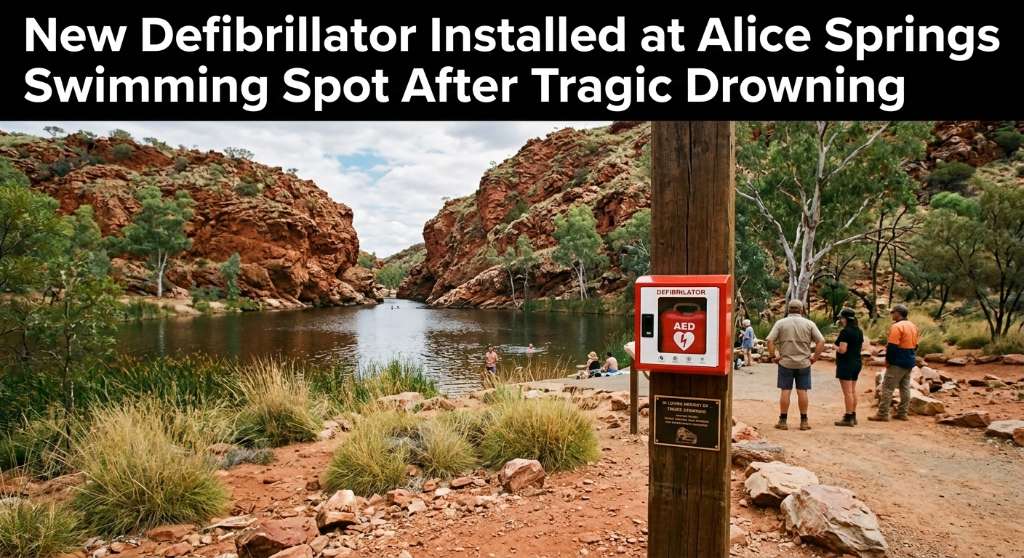
An automated external defibrillator and memorial plaque have been installed at Ellery Creek Big Hole following the death of disability advocate Ellen Fr...
Bathurst New South Wales · Community News · 17 Sep 2026
Kerry “Pecky” Peck, a long-standing Bathurst radio personality, has been inducted into the Bathurst Business Hall of Fame in recognition of his extensive contribution to the loc...
A new specialist family-violence support model has been introduced in Ballarat, with dedicated workers now embedded alongside Victoria Police to help people experiencing family...
Orange New South Wales · Community News · 17 Sep 2026
Orange City Council has elected a new Deputy Mayor for the next two years, with the decision announced today, 17 September 2026. The council said the election took place during...
Albany Western Australia · Politics News · 31 Aug 2026
Albany Breaking News — 31 August 2026 Title: Subtitle: Category: Politics State: Western Australia City: Albany Date: 31 August 2026 Time: 10:00 AM Description: The result of th...
Albany Western Australia · Crime News · 31 Aug 2026
Police in Albany are seeking public assistance to locate 35-year-old Braiden Saul, who has reportedly not been seen for more than 48 hours. The appeal is among the latest missin...
Albany Western Australia · General News · 27 Aug 2026
Renters in Albany and across regional Western Australia are facing continued pressure as rental vacancies remain extremely low. New REA Group figures show the regional WA vacanc...
Albany Western Australia · Local News · 27 Aug 2026
Large amounts of illegally dumped rubbish have been discovered in bushland in Albany, Western Australia, prompting anger among local residents. The waste reportedly includes hou...
Perth Western Australia · General News · 03 Sep 2026
A series of crashes has disrupted Perth roads this morning as motorists faced wet and damp conditions. One of the incidents occurred on North Lake Road in South Lake at about 5:...
Perth Western Australia · Crime News · 03 Sep 2026
Western Australia Police have launched an urgent search for 34-year-old Patryk Kamal Singh across Perth’s southern suburbs. Police say they are seeking information about his whe...
Perth Western Australia · Technology News · 03 Sep 2026
Western Australia Police have announced that hundreds of fines issued through AI-assisted traffic cameras are being dropped following a review of the technology and enforcement...
Perth Western Australia · Crime News · 03 Sep 2026
WA Police are investigating an alleged assault in Perth after a man was seriously injured during an incident outside a Hungry Jack’s. A 14-year-old boy has been charged followin...
Cairns Regional Council has unanimously voted to seek $400,000 in Queensland Government funding for a program designed to connect local businesses with the region’s growing film...
An automated external defibrillator and memorial plaque have been installed at Ellery Creek Big Hole following the death of disability advocate Ellen Fr...
Queensland firefighters spent several hours monitoring a significant grass fire at Mary Kinross Park in Bargara, near Bundaberg, after the blaze broke out on Wednesday evening....