Safety note: Admin approval is an initial review, not a guarantee that every detail is correct. Check important or urgent claims with official sources and report anything inaccurate or unsafe.
Source and credit: Contributor's own report
Health Authorities Issue Urgent Warning Over Retatrutide After Reports of Liver Damage - Canberra, ACT
Smart summary
Australian health officials are urging caution over the use of the experimental weight-loss peptide retatrutide following reports linking the substance to serious liver complications in some users.
Health authorities have issued an urgent public warning regarding Retatrutide after reports emerged of users experiencing significant liver-related health problems.
Retatrutide is an investigational medication currently being studied for the treatment of obesity and metabolic disorders. The drug has attracted international attention because of its potential weight-loss benefits, but it has not yet received widespread regulatory approval for general public use in Australia.
According to health officials, concerns have arisen following reports of liver injury associated with the peptide. Medical experts are now urging consumers to avoid obtaining or using unapproved versions of the substance, particularly products purchased online or through unofficial suppliers.
Authorities warn that some individuals may be accessing compounded or imported versions of retatrutide outside regulated healthcare settings. Such products may not undergo the same safety, quality and manufacturing checks required for approved medicines.
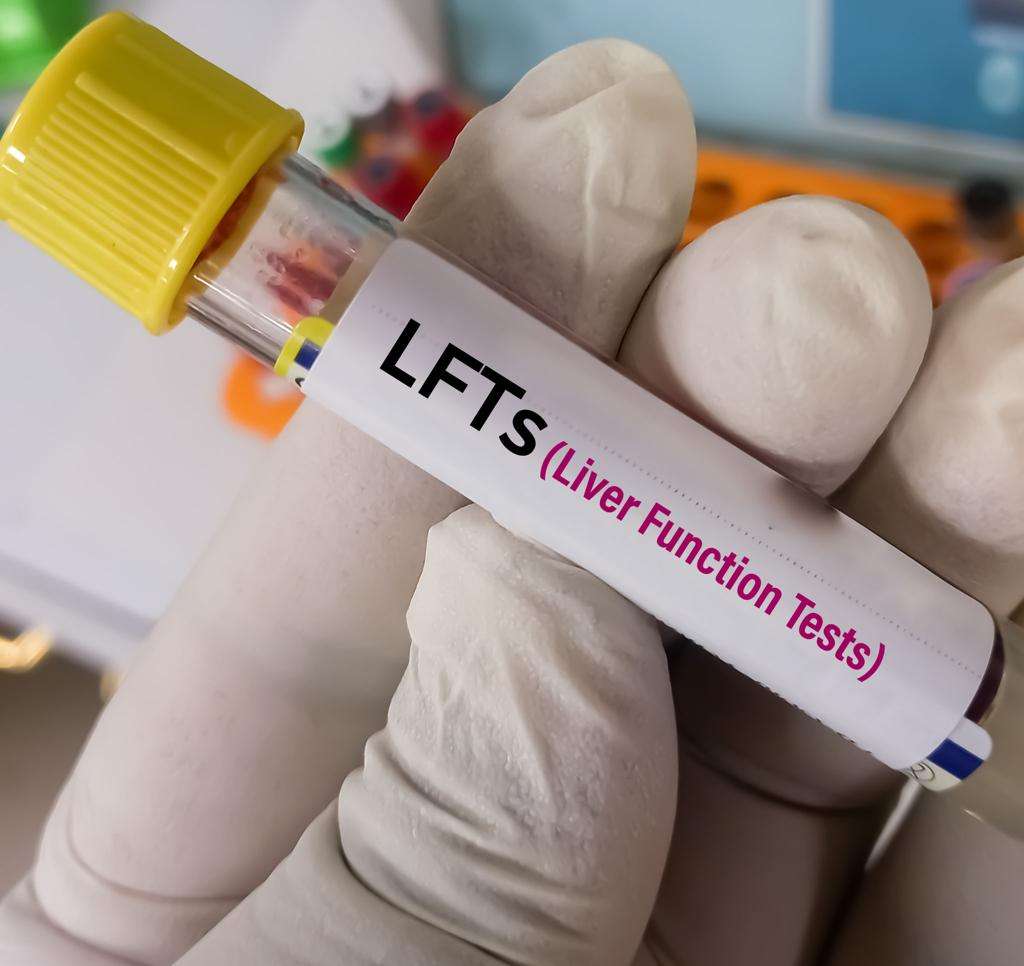
Liver damage can range from mild inflammation to severe injury requiring hospital treatment. Symptoms that may indicate liver problems include jaundice (yellowing of the skin or eyes), dark urine, abdominal pain, nausea, fatigue and unexplained illness. Anyone experiencing these symptoms while using weight-loss medications is advised to seek medical attention promptly.
Medical professionals emphasise that experimental medications should only be used under appropriate clinical supervision. While retatrutide has shown promising results in clinical trials investigating weight management and blood sugar control, researchers continue to evaluate its long-term safety profile.
The warning comes amid growing demand for weight-loss treatments globally. Increased public interest in newer obesity medications has led to a surge in online sales of products that may not be approved or properly regulated.
Australian health authorities have repeatedly cautioned consumers about purchasing medicines from unverified sources. Products marketed online may contain incorrect ingredients, inaccurate dosages or contaminants that could pose serious health risks.
Healthcare providers are encouraging patients seeking weight-loss treatment to consult qualified medical professionals rather than relying on unapproved products promoted through social media or unofficial websites. Doctors can discuss evidence-based treatment options and determine whether any medication is appropriate based on an individual's health circumstances.
Regulators continue to monitor reports of adverse events linked to emerging weight-loss therapies and may issue further advice as additional information becomes available. The latest warning serves as a reminder that even medications showing promise in clinical research can carry significant risks if used improperly or without medical oversight.
Patients currently using any peptide-based weight-loss treatment are encouraged to discuss their medication with their healthcare provider, particularly if they experience unusual symptoms or have concerns about product authenticity.
HealthWeight-LossMedicalProductsRetatrutide
Health authorities have issued an urgent public warning regarding Retatrutide after reports emerged of users experiencing significant liver-related health problems.
Retatrutide is an investigational medication currently being studied for the treatment of obesity and metabolic disorders. The drug has attracted international attention because of its potential weight-loss benefits, but it has not yet received widespread regulatory approval for general public use in Australia.
According to health officials, concerns have arisen following reports of liver injury associated with the peptide. Medical experts are now urging consumers to avoid obtaining or using unapproved versions of the substance, particularly products purchased online or through unofficial suppliers.
Authorities warn that some individuals may be accessing compounded or imported versions of retatrutide outside regulated healthcare settings. Such products may not undergo the same safety, quality and manufacturing checks required for approved medicines.
Liver damage can range from mild inflammation to severe injury requiring hospital treatment. Symptoms that may indicate liver problems include jaundice (yellowing of the skin or eyes), dark urine, abdominal pain, nausea, fatigue and unexplained illness. Anyone experiencing these symptoms while using weight-loss medications is advised to seek medical attention promptly.
Medical professionals emphasise that experimental medications should only be used under appropriate clinical supervision. While retatrutide has shown promising results in clinical trials investigating weight management and blood sugar control, researchers continue to evaluate its long-term safety profile.
The warning comes amid growing demand for weight-loss treatments globally. Increased public interest in newer obesity medications has led to a surge in online sales of products that may not be approved or properly regulated.
Australian health authorities have repeatedly cautioned consumers about purchasing medicines from unverified sources. Products marketed online may contain incorrect ingredients, inaccurate dosages or contaminants that could pose serious health risks.
Healthcare providers are encouraging patients seeking weight-loss treatment to consult qualified medical professionals rather than relying on unapproved products promoted through social media or unofficial websites. Doctors can discuss evidence-based treatment options and determine whether any medication is appropriate based on an individual's health circumstances.
Regulators continue to monitor reports of adverse events linked to emerging weight-loss therapies and may issue further advice as additional information becomes available. The latest warning serves as a reminder that even medications showing promise in clinical research can carry significant risks if used improperly or without medical oversight.
Patients currently using any peptide-based weight-loss treatment are encouraged to discuss their medication with their healthcare provider, particularly if they experience unusual symptoms or have concerns about product authenticity.
Darwin Northern Territory · Other News · 01 Sep 2026
A scenic hike through Butterfly Gorge in the Northern Territory turned into a frightening experience when a buffalo charged at two hikers. ABC Darwin reported the story today, 1...
Coffs Harbour New South Wales · Other News · 01 Sep 2026
A Safe Work NSW inspection blitz across the Coffs Harbour region has uncovered dozens of workplace-safety issues in the horticulture industry. The operation followed concerns ab...
A major Queensland Government infrastructure investment is set to unlock thousands of new homes across the Fraser Coast, including projects in Maryborough.
The Federal Government is preparing new measures targeting temporary visas, visa overstayers, international students and visa-hopping, while maintaining...
One Nation’s proposed major reduction in migration has triggered warnings that a sharp cut to population growth could weaken Australia’s economy and cre...
A Canberra woman has become the first person in the ACT whose death has been linked to a highly potent synthetic opioid, prompting renewed concern about...
Canberra’s Commonwealth Park has welcomed visitors for the annual Floriade festival, bringing flowers, entertainment and spring activities to the city.
Cairns Regional Council has unanimously voted to seek $400,000 in Queensland Government funding for a program designed to connect local businesses with the region’s growing film...
An automated external defibrillator and memorial plaque have been installed at Ellery Creek Big Hole following the death of disability advocate Ellen Fr...
Queensland firefighters spent several hours monitoring a significant grass fire at Mary Kinross Park in Bargara, near Bundaberg, after the blaze broke out on Wednesday evening....