Safety note: Admin approval is an initial review, not a guarantee that every detail is correct. Check important or urgent claims with official sources and report anything inaccurate or unsafe.
Source and credit: Contributor's own report
Australian schools warned over AI deepfake threat targeting student and staff photos - Canberra, ACT
Smart summary
The e Safety Commissioner has urged Australian schools to review the photos they publish online after a rise in AI-generated deepfakes created from publicly available images of students and teachers.
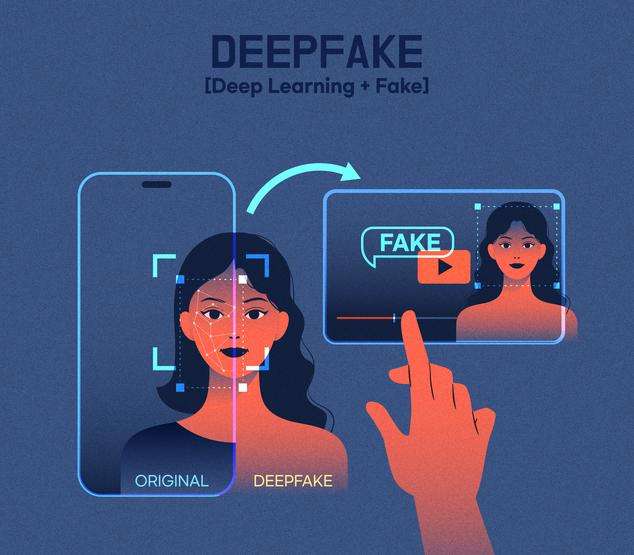
Australian schools are being urged to reconsider how they share photographs of students and staff online as authorities warn that publicly available images are increasingly being exploited by artificial intelligence tools to create harmful deepfakes. The warning comes from Australia's e Safety Commissioner, who says there has been a noticeable increase in image-based abuse involving photographs taken from school websites and social media accounts.
According to the e Safety Commissioner, AI technology is now capable of manipulating ordinary photographs into highly realistic fake images within minutes. In some of the most disturbing cases, images of children have reportedly been altered using so-called "de-clothing" applications to create child exploitation material. Teachers have also become victims, with manipulated images being shared online without their knowledge or consent.
Experts say the rapid advancement of generative AI has made these tools more accessible than ever, allowing almost anyone with an internet connection to produce convincing fake images. As a result, schools are being encouraged to carefully assess whether identifiable photographs of students need to be published on publicly accessible websites and social media platforms.
The warning follows broader concerns about online safety in Australian schools. Some education providers have already begun changing their policies by reducing the number of recognisable student images they publish, instead using group photos, side profiles or images where children's identities are not easily identifiable. Digital safety experts have welcomed these changes, arguing they help reduce the risk of AI misuse while still allowing schools to celebrate student achievements.
The e Safety Commissioner also reminded parents and educators that once a photograph is uploaded to the internet, it can be copied, downloaded and redistributed without the original poster's knowledge. Even images shared with good intentions can later be manipulated using AI technology and circulated on websites or messaging platforms.
Technology companies operating in Australia are now subject to stronger expectations to detect and remove AI-generated intimate images and other forms of harmful synthetic media. However, authorities acknowledge that prevention remains the most effective defence, encouraging schools to review privacy settings, obtain informed consent before publishing images and limit unnecessary exposure of children online.
Parents are also encouraged to speak with children about online privacy and report any suspected AI-generated image abuse to the e Safety Commissioner. Officials say community awareness, stronger digital literacy and responsible use of technology are essential to protecting young Australians from the growing risks associated with artificial intelligence.
ImagesSafetySchoolsOnlineChildren
Australian schools are being urged to reconsider how they share photographs of students and staff online as authorities warn that publicly available images are increasingly being exploited by artificial intelligence tools to create harmful deepfakes. The warning comes from Australia's e Safety Commissioner, who says there has been a noticeable increase in image-based abuse involving photographs taken from school websites and social media accounts.
According to the e Safety Commissioner, AI technology is now capable of manipulating ordinary photographs into highly realistic fake images within minutes. In some of the most disturbing cases, images of children have reportedly been altered using so-called "de-clothing" applications to create child exploitation material. Teachers have also become victims, with manipulated images being shared online without their knowledge or consent.
Experts say the rapid advancement of generative AI has made these tools more accessible than ever, allowing almost anyone with an internet connection to produce convincing fake images. As a result, schools are being encouraged to carefully assess whether identifiable photographs of students need to be published on publicly accessible websites and social media platforms.
The warning follows broader concerns about online safety in Australian schools. Some education providers have already begun changing their policies by reducing the number of recognisable student images they publish, instead using group photos, side profiles or images where children's identities are not easily identifiable. Digital safety experts have welcomed these changes, arguing they help reduce the risk of AI misuse while still allowing schools to celebrate student achievements.
The e Safety Commissioner also reminded parents and educators that once a photograph is uploaded to the internet, it can be copied, downloaded and redistributed without the original poster's knowledge. Even images shared with good intentions can later be manipulated using AI technology and circulated on websites or messaging platforms.
Technology companies operating in Australia are now subject to stronger expectations to detect and remove AI-generated intimate images and other forms of harmful synthetic media. However, authorities acknowledge that prevention remains the most effective defence, encouraging schools to review privacy settings, obtain informed consent before publishing images and limit unnecessary exposure of children online.
Parents are also encouraged to speak with children about online privacy and report any suspected AI-generated image abuse to the e Safety Commissioner. Officials say community awareness, stronger digital literacy and responsible use of technology are essential to protecting young Australians from the growing risks associated with artificial intelligence.
Tesla is preparing to bring its driverless Cybercab to Australia for a preview, giving Australians an early look at the company’s autonomous vehicle tec...
A 15-year-old Pacific Lutheran College student has developed a privacy-first women’s health app and presented her work at a major national cyber event.
Greater Geelong Council wants data-centre operators to contribute to local infrastructure as community concerns grow over energy, water use and developm...
The Federal Government is preparing new measures targeting temporary visas, visa overstayers, international students and visa-hopping, while maintaining...
One Nation’s proposed major reduction in migration has triggered warnings that a sharp cut to population growth could weaken Australia’s economy and cre...
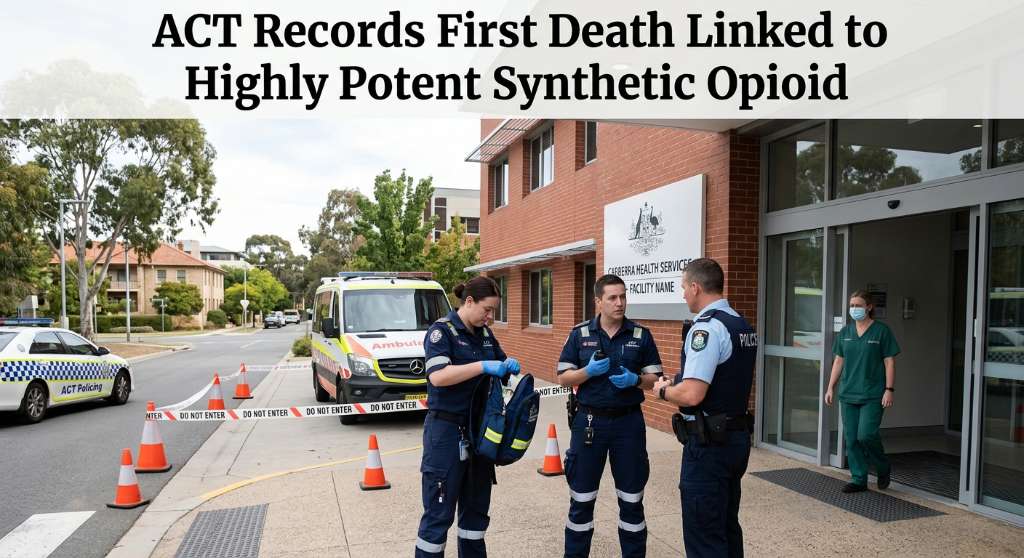
A Canberra woman has become the first person in the ACT whose death has been linked to a highly potent synthetic opioid, prompting renewed concern about...
Canberra’s Commonwealth Park has welcomed visitors for the annual Floriade festival, bringing flowers, entertainment and spring activities to the city.
Cairns Regional Council has unanimously voted to seek $400,000 in Queensland Government funding for a program designed to connect local businesses with the region’s growing film...
An automated external defibrillator and memorial plaque have been installed at Ellery Creek Big Hole following the death of disability advocate Ellen Fr...
Queensland firefighters spent several hours monitoring a significant grass fire at Mary Kinross Park in Bargara, near Bundaberg, after the blaze broke out on Wednesday evening....