Safety note: Admin approval is an initial review, not a guarantee that every detail is correct. Check important or urgent claims with official sources and report anything inaccurate or unsafe.
Source and credit: Contributor's own report
Hundreds of NT nurses and midwives report abuse, threats and violence at work - Darwin, NT
Smart summary
A survey of Northern Territory nurses and midwives has revealed widespread reports of workplace violence, including physical assaults, abuse and serious threats, prompting calls for urgent safety reform
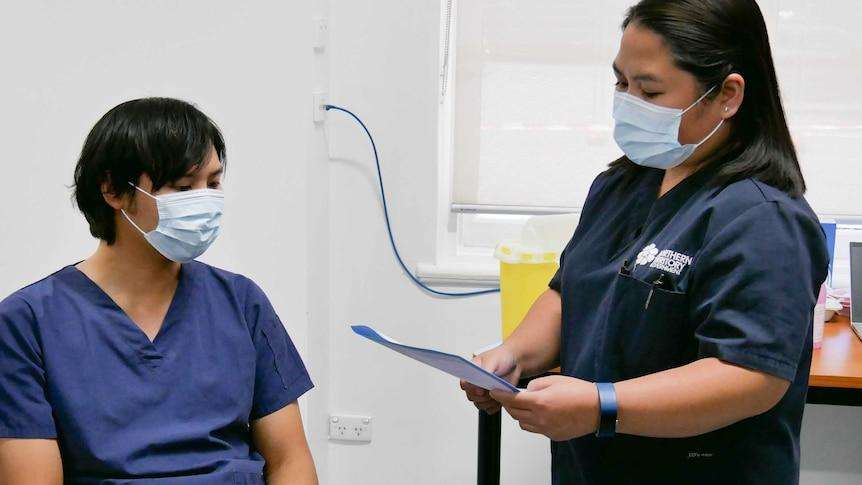
Hundreds of nurses and midwives across the Northern Territory have reported experiencing violence, aggression and threats while performing their jobs, with healthcare workers calling for stronger protections and safer workplaces.
The concerns were highlighted by the Australian Nursing and Midwifery Federation Northern Territory (ANMF NT), which launched a campaign focused on reducing workplace violence against frontline healthcare staff. The campaign follows reports from nurses and midwives who say they have been subjected to physical assaults, verbal abuse and threats while caring for patients.
A survey of union members found that many healthcare workers had experienced workplace aggression in the previous year. Reports included incidents such as being kicked, punched, spat at and threatened with serious harm. Some workers also described feeling unsafe travelling to and from work because of concerns about harassment and violence.
The issue has been particularly highlighted at Royal Darwin Hospital, where nurses have previously raised concerns about emergency department pressures, overcrowding and staff safety. The nursing union has said some workers feel unsafe during shifts because of repeated incidents involving aggressive behaviour and assaults.
Healthcare workers argue that violence should never be considered “part of the job”. They say nurses and midwives provide essential care and should be able to work in environments where their safety is protected.
The ANMF NT has called for a range of improvements, including better security arrangements, stronger reporting systems, improved staffing levels and faster responses when incidents occur. The union has argued that workplace violence is linked to broader pressures within the health system, including staff shortages and demand on emergency services.
Some nurses have said incidents are not always reported because staff believe existing processes are time-consuming or do not result in meaningful change. The union has urged health authorities to ensure reports are acted upon and that workers receive proper support after traumatic events.
The Northern Territory Government and health authorities have acknowledged concerns about healthcare worker safety and have committed to reviewing incidents and considering additional protective measures. Proposed responses include improving security practices and strengthening support systems for frontline staff.
The debate comes amid wider national concerns about violence against healthcare workers. Nursing organisations across Australia have reported increasing pressure on hospital staff, with many calling for stronger workplace safety policies and better prevention strategies.
Experts say protecting healthcare workers is important not only for staff wellbeing but also for maintaining quality patient care. When nurses and midwives feel unsafe, it can affect workforce retention, recruitment and the ability of hospitals to provide consistent services.
The NT situation has renewed discussion about how health systems can better manage aggressive behaviour, support vulnerable patients and protect staff at the same time.
Nurses and midwives continue to call for practical action, saying healthcare workers should be able to focus on caring for patients without fear of violence or threats.
WorkersHealthcareNursesStaffViolence
Hundreds of nurses and midwives across the Northern Territory have reported experiencing violence, aggression and threats while performing their jobs, with healthcare workers calling for stronger protections and safer workplaces.
The concerns were highlighted by the Australian Nursing and Midwifery Federation Northern Territory (ANMF NT), which launched a campaign focused on reducing workplace violence against frontline healthcare staff. The campaign follows reports from nurses and midwives who say they have been subjected to physical assaults, verbal abuse and threats while caring for patients.
A survey of union members found that many healthcare workers had experienced workplace aggression in the previous year. Reports included incidents such as being kicked, punched, spat at and threatened with serious harm. Some workers also described feeling unsafe travelling to and from work because of concerns about harassment and violence.
The issue has been particularly highlighted at Royal Darwin Hospital, where nurses have previously raised concerns about emergency department pressures, overcrowding and staff safety. The nursing union has said some workers feel unsafe during shifts because of repeated incidents involving aggressive behaviour and assaults.
Healthcare workers argue that violence should never be considered “part of the job”. They say nurses and midwives provide essential care and should be able to work in environments where their safety is protected.
The ANMF NT has called for a range of improvements, including better security arrangements, stronger reporting systems, improved staffing levels and faster responses when incidents occur. The union has argued that workplace violence is linked to broader pressures within the health system, including staff shortages and demand on emergency services.
Some nurses have said incidents are not always reported because staff believe existing processes are time-consuming or do not result in meaningful change. The union has urged health authorities to ensure reports are acted upon and that workers receive proper support after traumatic events.
The Northern Territory Government and health authorities have acknowledged concerns about healthcare worker safety and have committed to reviewing incidents and considering additional protective measures. Proposed responses include improving security practices and strengthening support systems for frontline staff.
The debate comes amid wider national concerns about violence against healthcare workers. Nursing organisations across Australia have reported increasing pressure on hospital staff, with many calling for stronger workplace safety policies and better prevention strategies.
Experts say protecting healthcare workers is important not only for staff wellbeing but also for maintaining quality patient care. When nurses and midwives feel unsafe, it can affect workforce retention, recruitment and the ability of hospitals to provide consistent services.
The NT situation has renewed discussion about how health systems can better manage aggressive behaviour, support vulnerable patients and protect staff at the same time.
Nurses and midwives continue to call for practical action, saying healthcare workers should be able to focus on caring for patients without fear of violence or threats.
New funding from local charity Wishlist is improving communication support for patients at Bundaberg Hospital, with resources designed to help people communicate more effectivel...
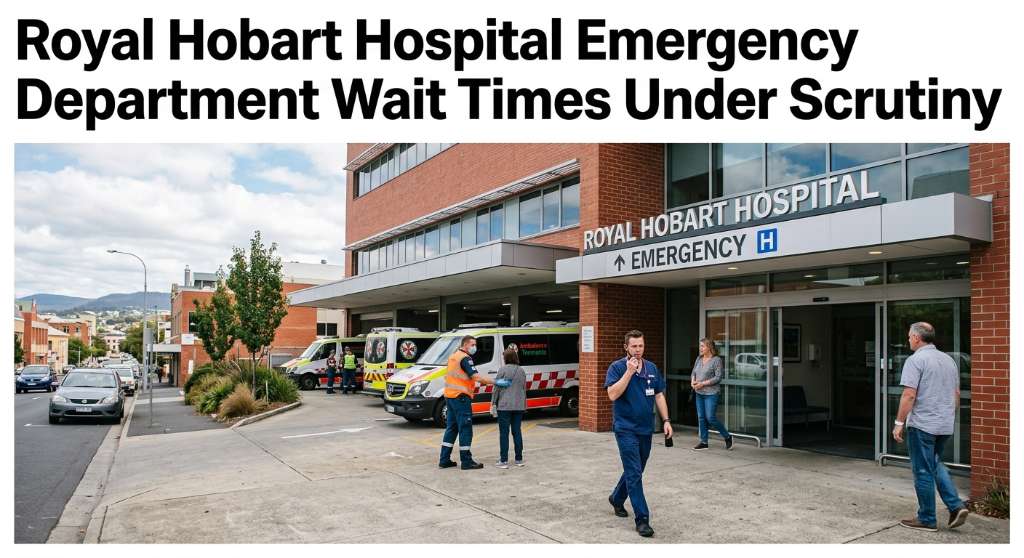
New figures have renewed concerns about emergency department delays at Royal Hobart Hospital, with the health system facing questions over patient waiti...
Central Coast New South Wales · Health News · 10 Sep 2026
The design for new Key Health Worker Accommodation at Wyong has been released today, with the project aimed at helping address the need for suitable accommodation for healthcare...
An automated external defibrillator and memorial plaque have been installed at Ellery Creek Big Hole following the death of disability advocate Ellen Fr...
Paramedics responding to an emergency in Alice Springs were forced to use a stretcher as a barricade after an armed and allegedly intoxicated group beca...
Cairns Regional Council has unanimously voted to seek $400,000 in Queensland Government funding for a program designed to connect local businesses with the region’s growing film...
An automated external defibrillator and memorial plaque have been installed at Ellery Creek Big Hole following the death of disability advocate Ellen Fr...
Queensland firefighters spent several hours monitoring a significant grass fire at Mary Kinross Park in Bargara, near Bundaberg, after the blaze broke out on Wednesday evening....