Safety note: Admin approval is an initial review, not a guarantee that every detail is correct. Check important or urgent claims with official sources and report anything inaccurate or unsafe.
Source and credit: Contributor's own report
Invasion Day Photograph Among Finalists in Prestigious Indigenous Art Awards - Darwin, Northern Territory
Smart summary
A powerful black-and-white photograph taken during Perth's 2026 Invasion Day rally is among the finalists in the 2026 Telstra National Aboriginal and Torres Strait Islander Art Awards (NATSIAA), highlighting themes of...
A striking black-and-white photograph capturing a young Aboriginal girl sitting on her father's shoulders during Perth's 2026 Invasion Day march has been named one of the 64 finalists in the 2026 Telstra National Aboriginal and Torres Strait Islander Art Awards (NATSIAA). The work, titled The Targets, was created by young Kija artist River Bali and is currently on display at the Museum and Art Gallery of the Northern Territory (MAGNT) in Darwin. It has quickly become one of the exhibition's most talked-about pieces because of both its emotional impact and the events surrounding the image.
The photograph was taken on 26 January 2026 during the Invasion Day march in Perth (Boorloo). The rally later became the scene of an alleged attempted bomb attack after a homemade explosive device was reportedly thrown into the crowd but failed to detonate. Against that backdrop, Bali's image takes on a deeper meaning. The smiling child looking back at the camera represents both the vulnerability of First Nations families and their resilience in continuing to gather publicly despite threats and racism.
Guest curator Dr Shannon Brett, a Wakka Wakka, Gooreng Gooreng and Butchulla artist, said the photograph immediately stood out during the judging process. She described it as an important contemporary work that addresses ongoing racism in Australia while documenting a significant moment in recent history. According to Brett, the image demonstrates how art can preserve powerful stories and encourage important public conversations about truth-telling, justice and reconciliation.
River Bali said the photograph reflects the strength of First Nations communities despite facing discrimination and violence. He explained that the image honours Indigenous children while recognising the courage of families who continue standing together and passing culture on to future generations. The title, The Targets, encourages viewers to consider the vulnerability experienced by Aboriginal people while also acknowledging their enduring spirit.
This year's NATSIAA exhibition features 64 finalist works selected from 221 entries submitted by artists from across Australia. The exhibition includes bark paintings, multimedia installations, sculptures, textiles, weaving, photography, works on paper and large-scale contemporary paintings. Many entries explore themes such as Country, language, family, intergenerational knowledge, environmental connection and the continuing effects of colonisation. The awards remain Australia's longest-running and most prestigious celebration of Aboriginal and Torres Strait Islander art.
Among the exhibition highlights are colourful landscape paintings, woven installations created by groups of Arnhem Land women, innovative sculptures and artworks made using reclaimed materials. Organisers say the diversity of media reflects the strength and evolution of contemporary Indigenous artistic practice while maintaining strong cultural traditions. Winners will be announced during a gala ceremony in Darwin on 7 August 2026, where the overall Telstra Art Award winner will receive $100,000, making it one of Australia's richest art prizes.
The exhibition has attracted strong public interest, with visitors praising the quality and diversity of this year's finalists. For many attendees, Bali's photograph has become one of the exhibition's defining works, reminding audiences that art can document history, provoke reflection and amplify Indigenous voices. As thousands visit the exhibition over the coming months, The Targets is expected to remain a powerful symbol of resilience, cultural identity and the continuing conversation about Australia's shared history.
ExhibitionPhotographAboriginalBaliDuring
A striking black-and-white photograph capturing a young Aboriginal girl sitting on her father's shoulders during Perth's 2026 Invasion Day march has been named one of the 64 finalists in the 2026 Telstra National Aboriginal and Torres Strait Islander Art Awards (NATSIAA). The work, titled The Targets, was created by young Kija artist River Bali and is currently on display at the Museum and Art Gallery of the Northern Territory (MAGNT) in Darwin. It has quickly become one of the exhibition's most talked-about pieces because of both its emotional impact and the events surrounding the image.
The photograph was taken on 26 January 2026 during the Invasion Day march in Perth (Boorloo). The rally later became the scene of an alleged attempted bomb attack after a homemade explosive device was reportedly thrown into the crowd but failed to detonate. Against that backdrop, Bali's image takes on a deeper meaning. The smiling child looking back at the camera represents both the vulnerability of First Nations families and their resilience in continuing to gather publicly despite threats and racism.
Guest curator Dr Shannon Brett, a Wakka Wakka, Gooreng Gooreng and Butchulla artist, said the photograph immediately stood out during the judging process. She described it as an important contemporary work that addresses ongoing racism in Australia while documenting a significant moment in recent history. According to Brett, the image demonstrates how art can preserve powerful stories and encourage important public conversations about truth-telling, justice and reconciliation.
River Bali said the photograph reflects the strength of First Nations communities despite facing discrimination and violence. He explained that the image honours Indigenous children while recognising the courage of families who continue standing together and passing culture on to future generations. The title, The Targets, encourages viewers to consider the vulnerability experienced by Aboriginal people while also acknowledging their enduring spirit.
This year's NATSIAA exhibition features 64 finalist works selected from 221 entries submitted by artists from across Australia. The exhibition includes bark paintings, multimedia installations, sculptures, textiles, weaving, photography, works on paper and large-scale contemporary paintings. Many entries explore themes such as Country, language, family, intergenerational knowledge, environmental connection and the continuing effects of colonisation. The awards remain Australia's longest-running and most prestigious celebration of Aboriginal and Torres Strait Islander art.
Among the exhibition highlights are colourful landscape paintings, woven installations created by groups of Arnhem Land women, innovative sculptures and artworks made using reclaimed materials. Organisers say the diversity of media reflects the strength and evolution of contemporary Indigenous artistic practice while maintaining strong cultural traditions. Winners will be announced during a gala ceremony in Darwin on 7 August 2026, where the overall Telstra Art Award winner will receive $100,000, making it one of Australia's richest art prizes.
The exhibition has attracted strong public interest, with visitors praising the quality and diversity of this year's finalists. For many attendees, Bali's photograph has become one of the exhibition's defining works, reminding audiences that art can document history, provoke reflection and amplify Indigenous voices. As thousands visit the exhibition over the coming months, The Targets is expected to remain a powerful symbol of resilience, cultural identity and the continuing conversation about Australia's shared history.
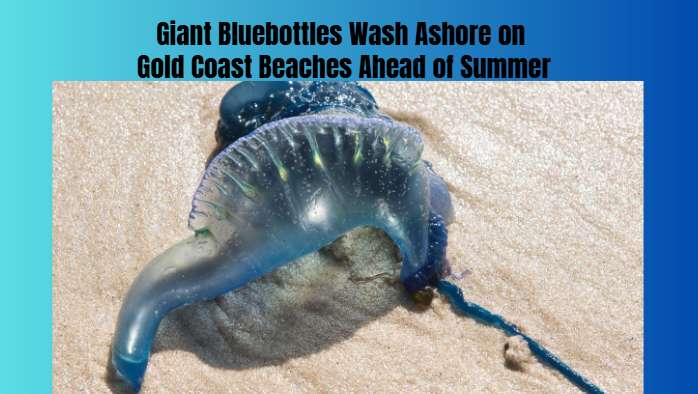
Bluebottles measuring up to three times the usual size have been washing onto Gold Coast beaches earlier than expected, prompting questions from scienti...
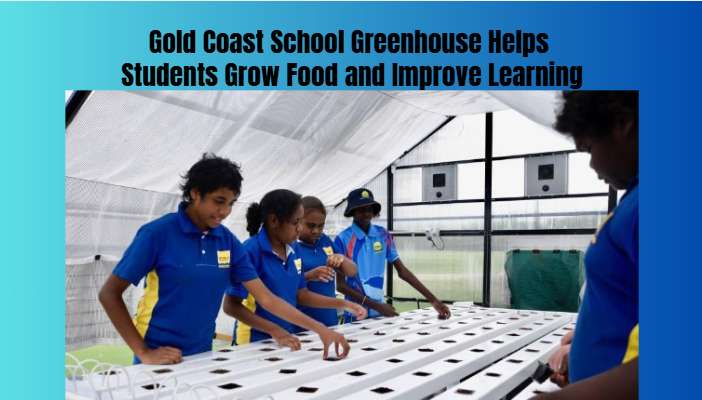
A high-tech greenhouse at Pacific Pines State High School is giving students hands-on experience in growing fresh produce, learning science and developi...
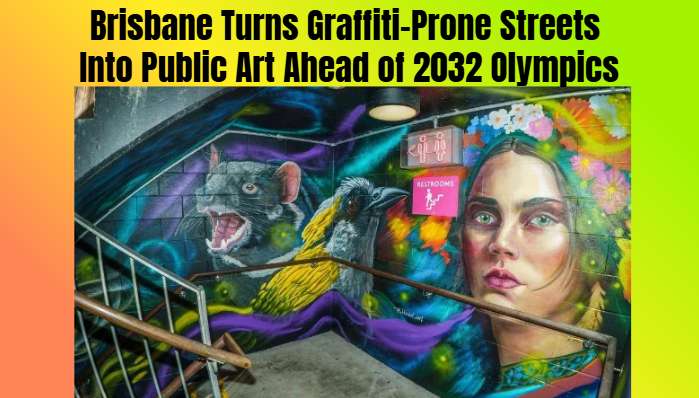
Brisbane is transforming plain walls and graffiti-prone public spaces into colourful murals by local artists, with a Newstead tunnel artwork and a Toowo...
Tasmanian homeowners and businesses are facing higher borrowing costs after the Reserve Bank lifted the cash rate to 4.6 per cent, with lower average wa...
Community and education representatives have raised concerns that the initial $500,000 allocation may not cover the infrastructure upgrades needed for t...
Essential bus services connecting Alice Springs with five remote communities have been reduced, with the operator warning that some routes could be canc...
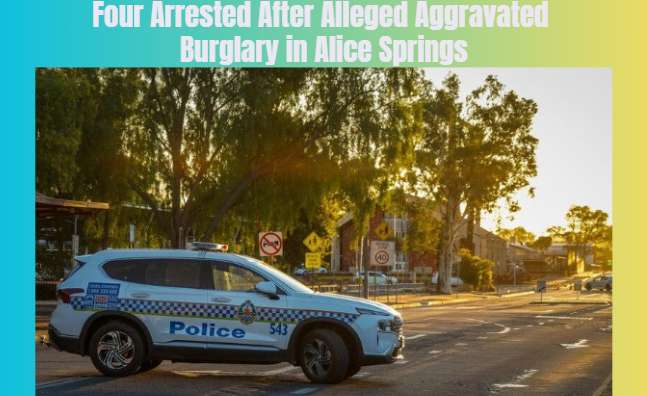
Northern Territory Police are investigating a series of alleged aggravated burglaries in Alice Springs after up to seven homes in the Araluen area were...
Young people from regional and remote Queensland communities are participating in youth councils and a state youth parliament, raising issues such as di...
A 29-year-old man from Aldinga has been charged with multiple drug, traffic and weapons offences after police allegedly found methamphetamine, other ill...
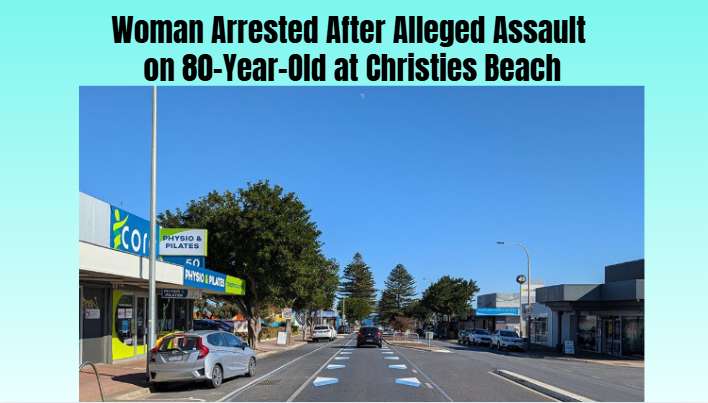
South Australian police have arrested a 22-year-old woman following an alleged assault on an elderly woman outside a business on Beach Road, Christies B...
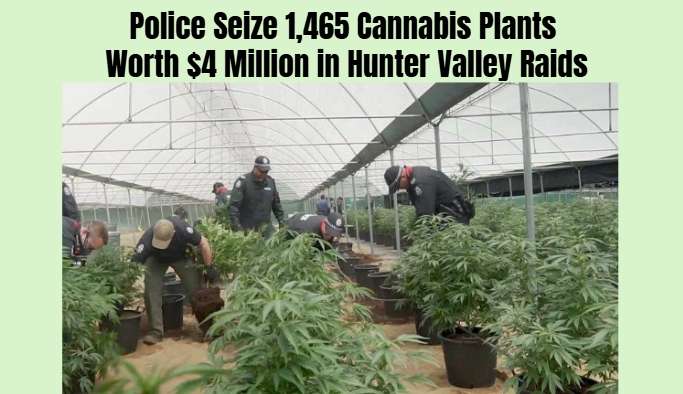
Two men have been charged after a series of police raids across Cessnock, Denman, Muswellbrook and Singleton Heights uncovered 1,465 cannabis plants, wi...