Safety note: Admin approval is an initial review, not a guarantee that every detail is correct. Check important or urgent claims with official sources and report anything inaccurate or unsafe.
Source and credit: Contributor's own report
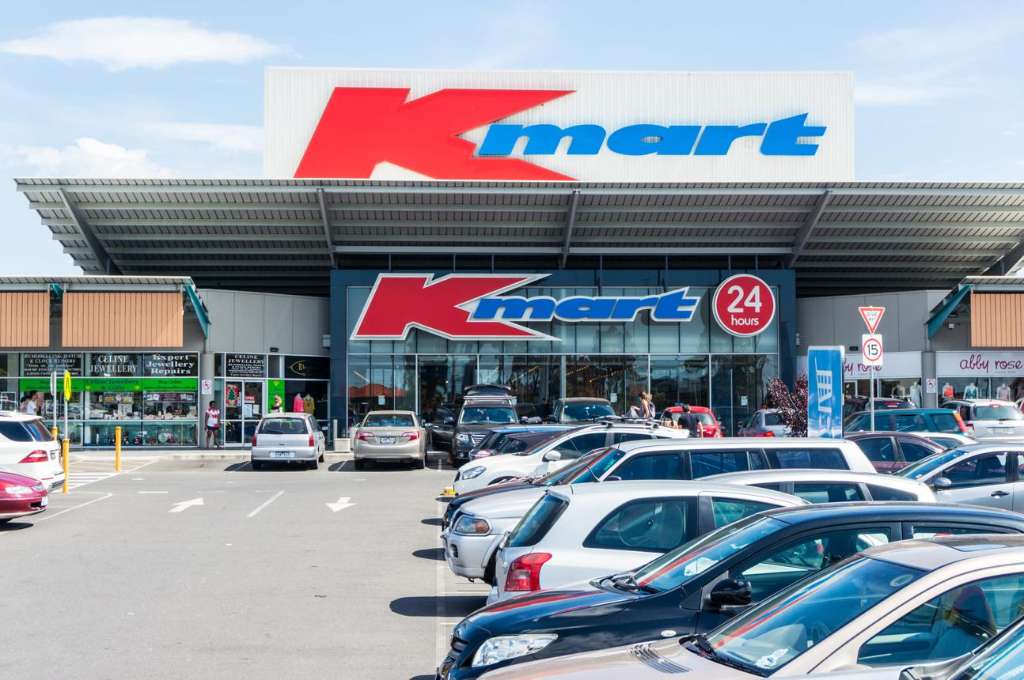
Kmart shoppers debate messy store aisles after viral images spark criticism online - Sydney, NSW
Smart summary
Photos and videos showing untidy Kmart aisles have sparked debate among Australian shoppers, with many questioning customer behaviour, store management and retail standards.
Australian shoppers have reacted strongly after images showing messy aisles inside a Kmart store in Sydney circulated online, leading to a wider discussion about shopping etiquette, customer behaviour and the challenges faced by retail workers.
The images showed products scattered across shelves and floors, with some customers expressing disappointment about the condition of the store. Similar incidents at Kmart locations around Australia have previously generated online discussions, with shoppers sharing concerns about damaged displays, misplaced items and staff being left to restore order.
Many online commenters criticised the behaviour of customers who remove items from shelves or try on products but do not return them properly. Some shoppers said retail workers should not be expected to constantly clean up avoidable mess created by customers.
However, others pointed out that store conditions can be affected by several factors, including high customer numbers, busy trading periods, staffing levels and the difficulty of maintaining large retail spaces throughout the day. Discussions among Kmart workers and customers have also highlighted that employees often spend significant time reorganising sections after busy periods.
The debate has also raised broader questions about respect for shared public spaces. Some Australians compared current shopping behaviour with previous generations, saying they believe there has been a decline in manners and responsibility when using community facilities.
Retail industry observers note that affordable retailers with large customer volumes often face unique challenges. Stores with high foot traffic can experience frequent rearranging of merchandise, particularly in popular areas such as clothing, toys and homewares sections.
Previous Kmart incidents have shown that messy aisles are not limited to one suburb or community. Similar complaints have appeared across different parts of Australia, with shoppers sharing photos and videos of untidy stores and discussing who should be responsible for maintaining cleanliness.
Some customers have defended retail workers, arguing that employees are often unfairly blamed for problems caused by shoppers. Online discussions among Kmart customers have suggested that staff shortages and busy trading conditions can make it difficult to keep every aisle perfectly organised at all times.
The discussion has also included criticism of linking store behaviour to a person’s background or the suburb where a store is located. Retail experts and community commentators generally point out that messy behaviour is an individual action and can occur in many different communities.
Kmart remains one of Australia’s largest discount retailers, operating hundreds of stores nationwide. Like many major retailers, it continues to balance customer experience, staffing costs and operational challenges while serving large numbers of shoppers.
The viral reaction highlights how small incidents in everyday places such as shopping centres can quickly become wider conversations about community standards, respect and social behaviour.
While opinions remain divided, many shoppers agree on one point: keeping stores clean and organised requires cooperation between customers and retail workers.
ShoppersCustomersKmartRetailBehaviour
Australian shoppers have reacted strongly after images showing messy aisles inside a Kmart store in Sydney circulated online, leading to a wider discussion about shopping etiquette, customer behaviour and the challenges faced by retail workers.
The images showed products scattered across shelves and floors, with some customers expressing disappointment about the condition of the store. Similar incidents at Kmart locations around Australia have previously generated online discussions, with shoppers sharing concerns about damaged displays, misplaced items and staff being left to restore order.
Many online commenters criticised the behaviour of customers who remove items from shelves or try on products but do not return them properly. Some shoppers said retail workers should not be expected to constantly clean up avoidable mess created by customers.
However, others pointed out that store conditions can be affected by several factors, including high customer numbers, busy trading periods, staffing levels and the difficulty of maintaining large retail spaces throughout the day. Discussions among Kmart workers and customers have also highlighted that employees often spend significant time reorganising sections after busy periods.
The debate has also raised broader questions about respect for shared public spaces. Some Australians compared current shopping behaviour with previous generations, saying they believe there has been a decline in manners and responsibility when using community facilities.
Retail industry observers note that affordable retailers with large customer volumes often face unique challenges. Stores with high foot traffic can experience frequent rearranging of merchandise, particularly in popular areas such as clothing, toys and homewares sections.
Previous Kmart incidents have shown that messy aisles are not limited to one suburb or community. Similar complaints have appeared across different parts of Australia, with shoppers sharing photos and videos of untidy stores and discussing who should be responsible for maintaining cleanliness.
Some customers have defended retail workers, arguing that employees are often unfairly blamed for problems caused by shoppers. Online discussions among Kmart customers have suggested that staff shortages and busy trading conditions can make it difficult to keep every aisle perfectly organised at all times.
The discussion has also included criticism of linking store behaviour to a person’s background or the suburb where a store is located. Retail experts and community commentators generally point out that messy behaviour is an individual action and can occur in many different communities.
Kmart remains one of Australia’s largest discount retailers, operating hundreds of stores nationwide. Like many major retailers, it continues to balance customer experience, staffing costs and operational challenges while serving large numbers of shoppers.
The viral reaction highlights how small incidents in everyday places such as shopping centres can quickly become wider conversations about community standards, respect and social behaviour.
While opinions remain divided, many shoppers agree on one point: keeping stores clean and organised requires cooperation between customers and retail workers.
Cairns Regional Council has unanimously voted to seek $400,000 in Queensland Government funding for a program designed to connect local businesses with the region’s growing film...
Albury New South Wales · Business News · 17 Sep 2026
An Australian artificial intelligence company has purchased the former Visy paper mill site at Ettamogah, north of Albury, in a significant local business The company, Sharon AI...
A new multi-million-dollar poultry-processing facility has officially opened near Tamworth, bringing major investment and new employment opportunities t...
A 36-year-old man has been charged after investigators allegedly found fraudulent identification documents, cloned number plates, cash and drug-manufact...
A Sydney court has heard that a man sent 249 messages to a former partner within 24 hours, with the messages treated as a single alleged breach of an ap...
A high-profile athlete has returned to court and told the hearing that an alleged unwanted kiss by former broadcaster Alan Jones remained difficult to f...
Work on the $150 million Sydney Town Hall Square project has been paused after the NSW Planning Minister referred the development for review by the Inde...
Cairns Regional Council has unanimously voted to seek $400,000 in Queensland Government funding for a program designed to connect local businesses with the region’s growing film...
An automated external defibrillator and memorial plaque have been installed at Ellery Creek Big Hole following the death of disability advocate Ellen Fr...
Queensland firefighters spent several hours monitoring a significant grass fire at Mary Kinross Park in Bargara, near Bundaberg, after the blaze broke out on Wednesday evening....