Safety note: Admin approval is an initial review, not a guarantee that every detail is correct. Check important or urgent claims with official sources and report anything inaccurate or unsafe.
Source and credit: Contributor's own report
Mary River Restoration Project Revives One of Queensland's Degraded Catchments - Maryborough, QLD
Smart summary
A long-running community restoration effort along Queensland's Mary River is reducing erosion, improving water quality and helping restore habitat for native fish.
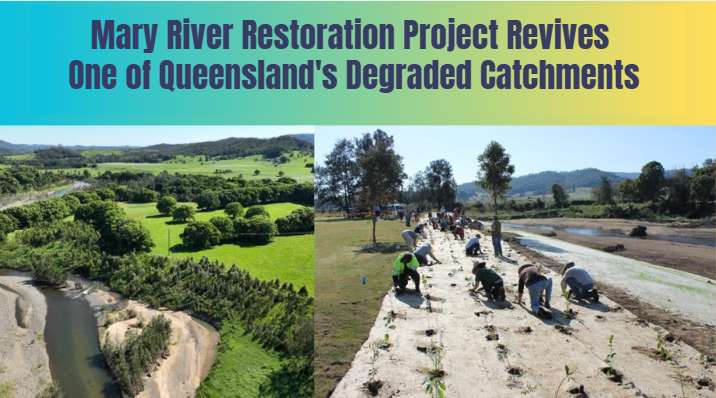
A major community-led environmental restoration project along Queensland's Mary River is demonstrating how degraded waterways can be improved through long-term local action.
The Mary River catchment has experienced significant environmental pressures over many years, including erosion, declining water quality and damage to riverbank vegetation. A coordinated restoration effort involving landholders and community groups has worked to reverse some of those impacts.
The project focuses on restoring sections of the river and surrounding landscape by improving vegetation along waterways, reducing erosion and creating healthier habitat for native species. The work is part of a broader effort to improve the condition of the Mary River and the water eventually flowing towards the Great Barrier Reef.
One of the major benefits reported from the restoration work is a reduction in the amount of sediment entering the river. Excess sediment can affect aquatic ecosystems and reduce water quality, while also contributing to the degradation of downstream marine environments.
Restoring vegetation along riverbanks can help stabilise soil and reduce erosion during heavy rainfall and flooding. Native plants also provide shade and habitat for wildlife while helping create healthier conditions for aquatic species.
The restoration program has involved cooperation between community members, landholders and environmental organisations. Rather than relying solely on large infrastructure projects, the approach has focused on gradual improvements across different parts of the catchment.
The Mary River is an important waterway in Queensland and supports a range of native wildlife. Improving its condition can therefore have benefits beyond individual properties, helping strengthen the wider river ecosystem.
The project has also demonstrated the role that local communities can play in environmental recovery. Landholders who participate in restoration work can help address erosion on their properties while contributing to improvements further downstream.
Another important outcome has been improved conditions for fish breeding. Healthier waterways and better-connected habitat can provide native fish with more suitable areas for feeding and reproduction.
The restoration work is particularly significant because catchment recovery can take many years. Changes to waterways caused by erosion, vegetation loss and altered land use cannot generally be reversed immediately. Continued maintenance and monitoring are therefore important to ensure improvements are sustained.
The Mary River project provides an example of how environmental restoration can combine agricultural land management with conservation objectives. By reducing erosion and improving vegetation, the work can benefit both the landscape and the health of the river.
The broader goal is to improve water quality before it reaches downstream environments, including the Great Barrier Reef. Catchment restoration is one component of the wider effort to reduce pollutants and sediment entering reef ecosystems.
The latest report highlights the progress achieved through consistent community involvement and long-term restoration work.
For communities along the Mary River, the project demonstrates that environmental degradation can be addressed through coordinated action, even when problems have developed over many years.
RiverRestorationMaryEnvironmentalErosion
A major community-led environmental restoration project along Queensland's Mary River is demonstrating how degraded waterways can be improved through long-term local action.
The Mary River catchment has experienced significant environmental pressures over many years, including erosion, declining water quality and damage to riverbank vegetation. A coordinated restoration effort involving landholders and community groups has worked to reverse some of those impacts.
The project focuses on restoring sections of the river and surrounding landscape by improving vegetation along waterways, reducing erosion and creating healthier habitat for native species. The work is part of a broader effort to improve the condition of the Mary River and the water eventually flowing towards the Great Barrier Reef.
One of the major benefits reported from the restoration work is a reduction in the amount of sediment entering the river. Excess sediment can affect aquatic ecosystems and reduce water quality, while also contributing to the degradation of downstream marine environments.
Restoring vegetation along riverbanks can help stabilise soil and reduce erosion during heavy rainfall and flooding. Native plants also provide shade and habitat for wildlife while helping create healthier conditions for aquatic species.
The restoration program has involved cooperation between community members, landholders and environmental organisations. Rather than relying solely on large infrastructure projects, the approach has focused on gradual improvements across different parts of the catchment.
The Mary River is an important waterway in Queensland and supports a range of native wildlife. Improving its condition can therefore have benefits beyond individual properties, helping strengthen the wider river ecosystem.
The project has also demonstrated the role that local communities can play in environmental recovery. Landholders who participate in restoration work can help address erosion on their properties while contributing to improvements further downstream.
Another important outcome has been improved conditions for fish breeding. Healthier waterways and better-connected habitat can provide native fish with more suitable areas for feeding and reproduction.
The restoration work is particularly significant because catchment recovery can take many years. Changes to waterways caused by erosion, vegetation loss and altered land use cannot generally be reversed immediately. Continued maintenance and monitoring are therefore important to ensure improvements are sustained.
The Mary River project provides an example of how environmental restoration can combine agricultural land management with conservation objectives. By reducing erosion and improving vegetation, the work can benefit both the landscape and the health of the river.
The broader goal is to improve water quality before it reaches downstream environments, including the Great Barrier Reef. Catchment restoration is one component of the wider effort to reduce pollutants and sediment entering reef ecosystems.
The latest report highlights the progress achieved through consistent community involvement and long-term restoration work.
For communities along the Mary River, the project demonstrates that environmental degradation can be addressed through coordinated action, even when problems have developed over many years.
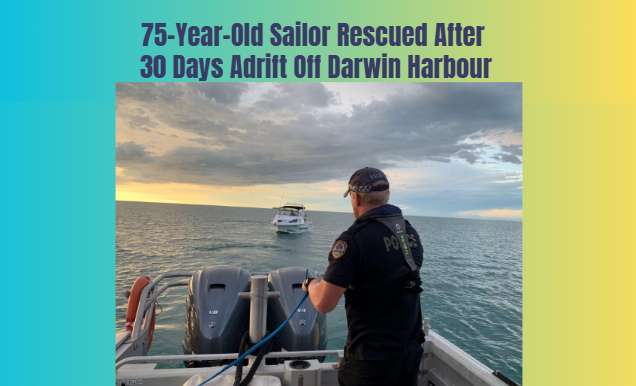
A 75-year-old sailor has been rescued after spending 30 days at sea near Darwin Harbour, with three strangers coming to his aid after his supplies were...
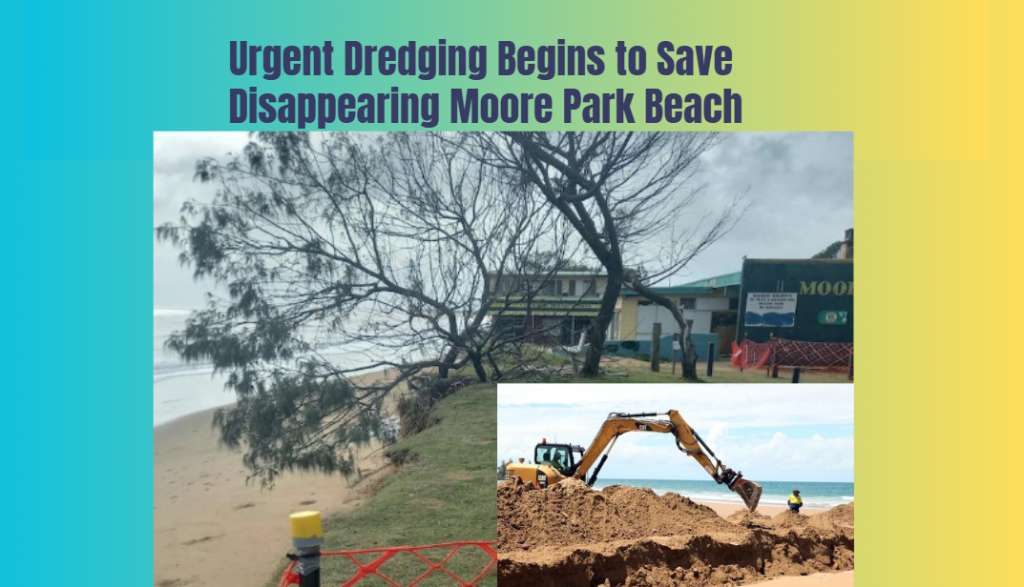
Emergency dredging has begun at Moore Park Beach near Bundaberg after severe erosion washed away sections of the coastline and shifted the mouth of Moor...
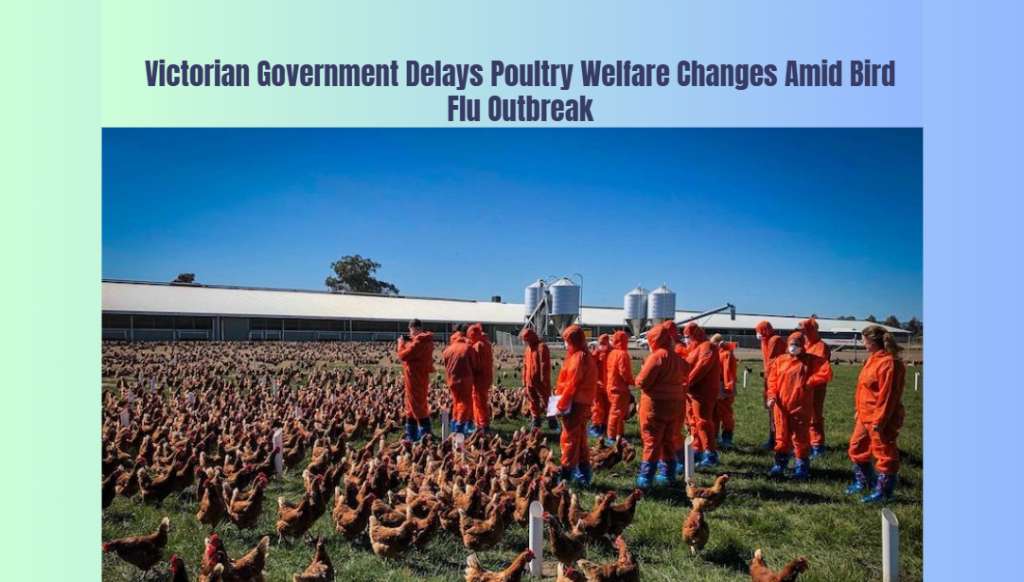
Victoria has delayed tougher poultry and caged-egg regulations by 12 months as authorities and producers respond to the spread of H5N1 bird flu across t...
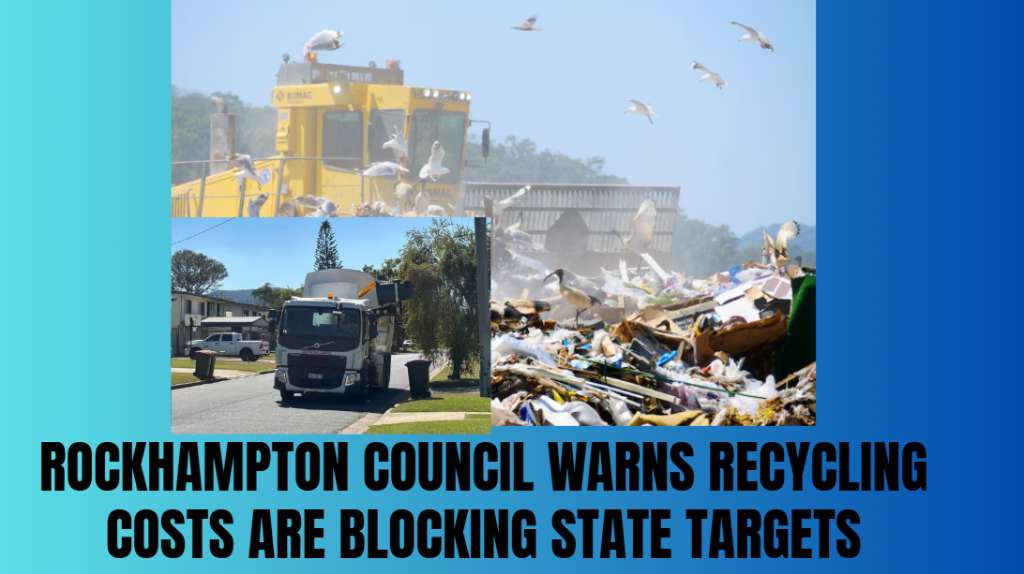
Rockhampton Regional Council says the rising cost of transporting recyclable waste hundreds of kilometres is making it difficult to meet Queensland's re...
Emergency dredging has begun at Moore Park Beach near Bundaberg after severe erosion washed away sections of the coastline and shifted the mouth of Moor...
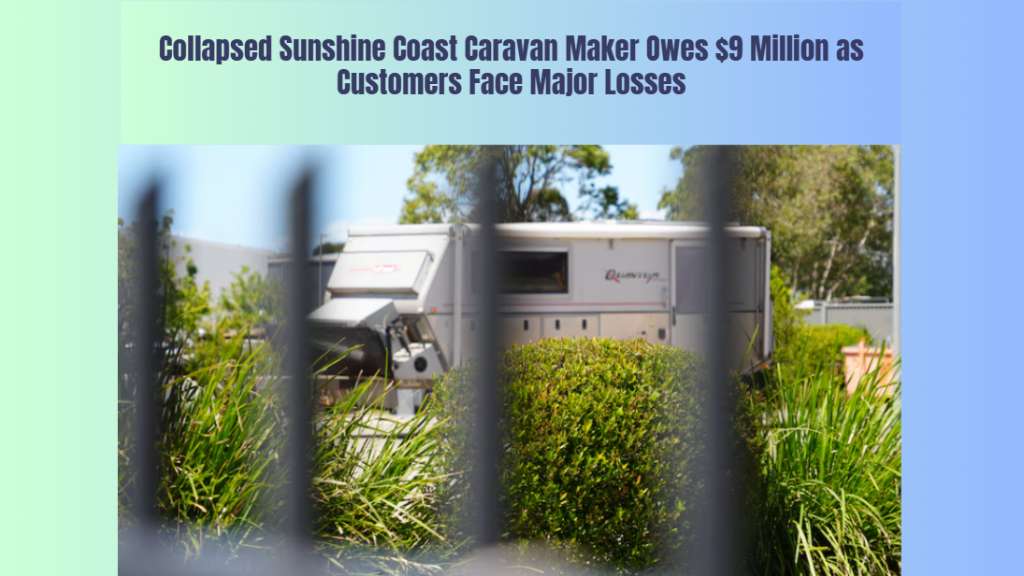
Administrators have revealed Australian Off Road owes about $9 million after the Sunshine Coast caravan manufacturer collapsed, leaving customers, emplo...
Rockhampton Regional Council says the rising cost of transporting recyclable waste hundreds of kilometres is making it difficult to meet Queensland's re...
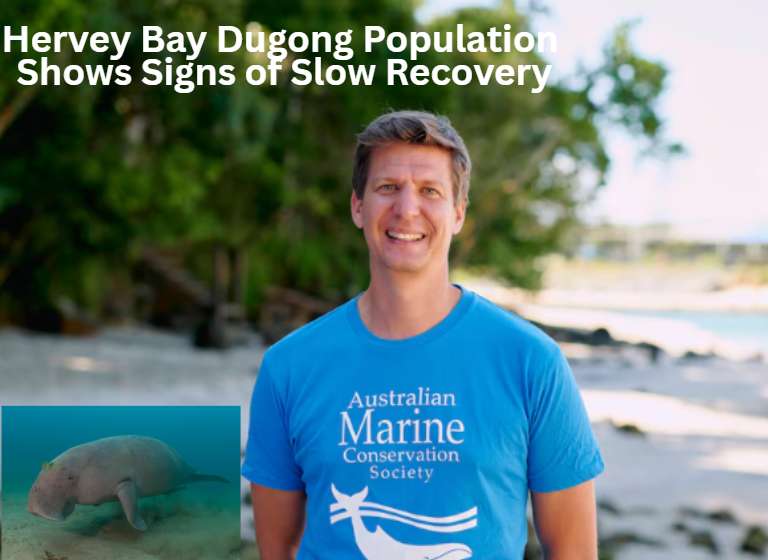
Researchers have recorded a small increase in dugong numbers around Hervey Bay and the Great Sandy Strait after severe flooding damaged seagrass habitat...
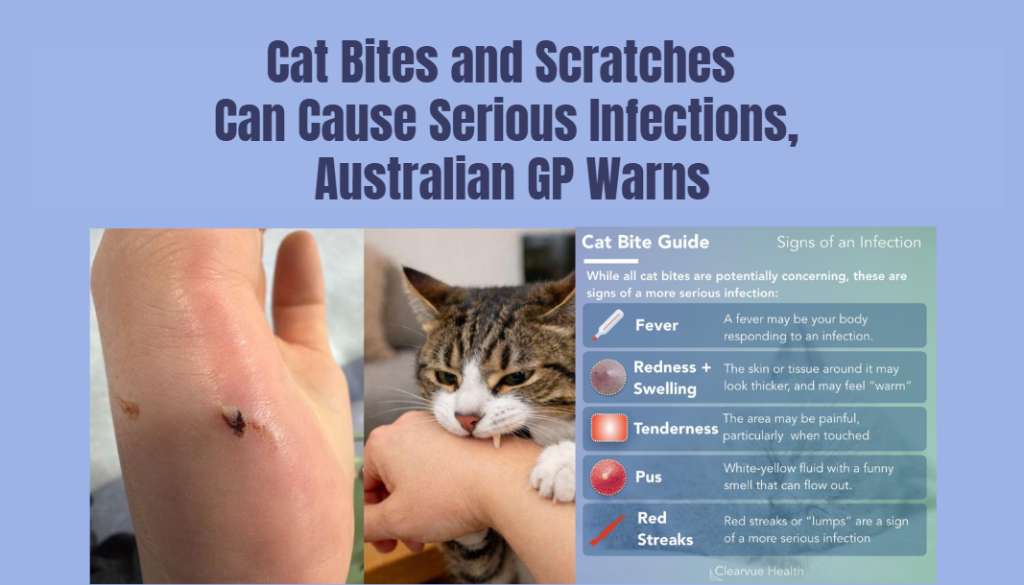
Australian health experts are warning that cat bites and scratches can cause severe infections, with hospitalisations from cat-related injuries nearly t...
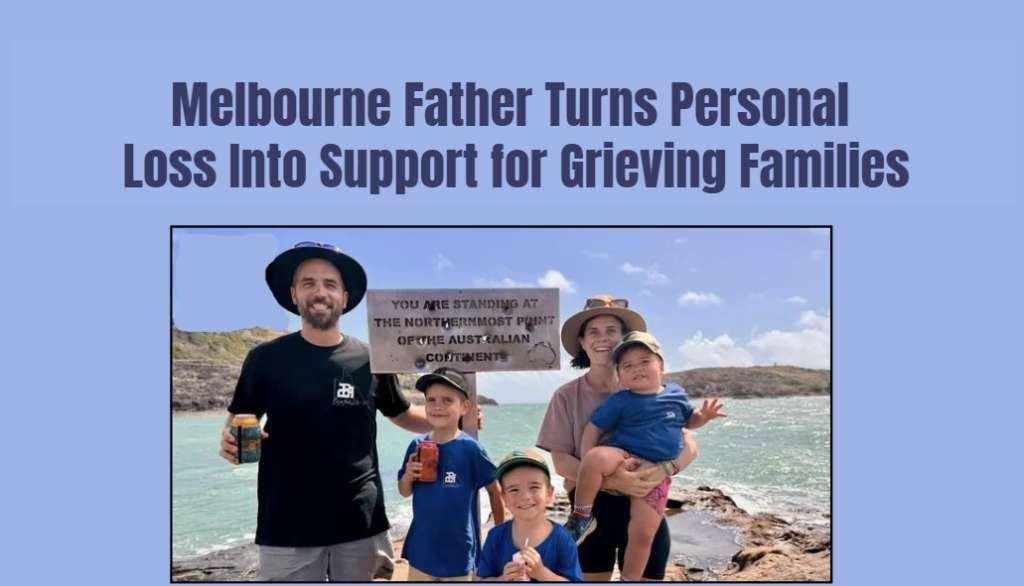
After losing two sons, Melbourne father Nick Olney has established a charity helping grieving parents preserve memories of their babies and access suppo...
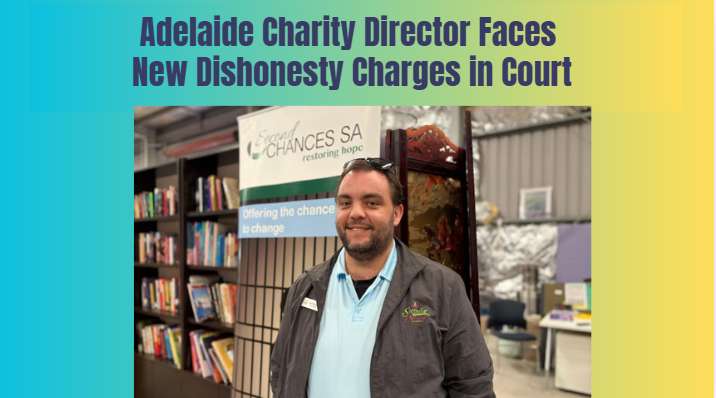
Second Chances charity director Samuel Mark Narroway has appeared before an Adelaide-area court over contested charges involving alleged dishonest deali...