Safety note: Admin approval is an initial review, not a guarantee that every detail is correct. Check important or urgent claims with official sources and report anything inaccurate or unsafe.
Source and credit: Contributor's own report
Massive Wind Turbine Convoy Puts Pressure on Golden Highway - Dubbo, NSW
Smart summary
Oversize wind-turbine components are beginning to move through the region, raising concerns about traffic delays and the need for major highway upgrades.
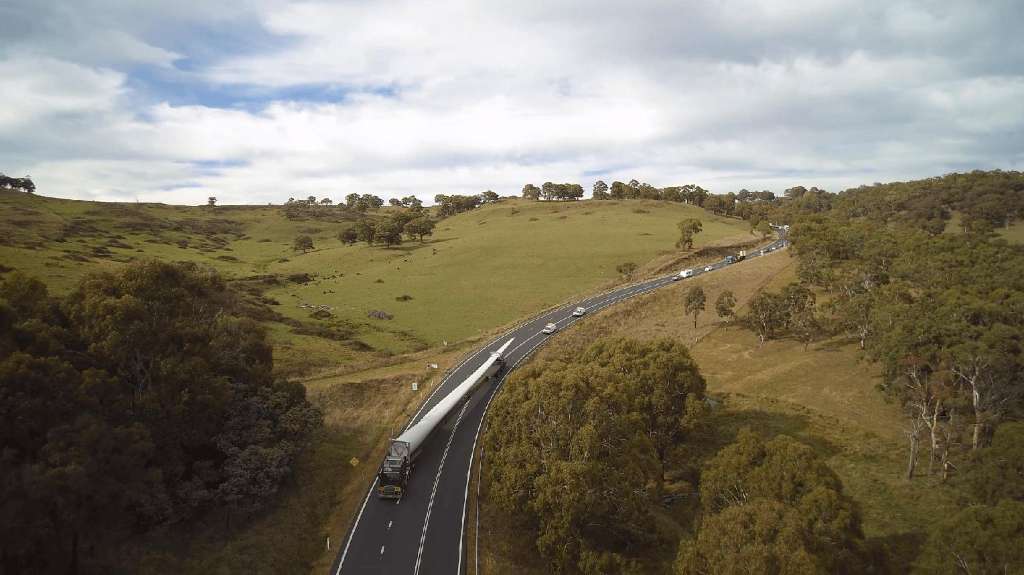
A major transport operation involving some of the largest wind-turbine components ever moved through regional New South Wales is drawing attention to the condition and capacity of the Golden Highway, with oversized freight beginning its journey through the Dubbo region.
The convoy is transporting huge wind-turbine components, including blades measuring approximately 80 metres in length and other heavy sections required for renewable-energy infrastructure. The movements are part of the growing construction activity associated with renewable-energy developments across the Central West Orana region.
The arrival of these enormous loads has highlighted the increasing pressure being placed on roads connecting regional communities with major transport and export hubs. The Golden Highway is particularly important because it provides a key connection between Dubbo and the Hunter region, ultimately linking large-scale projects in western New South Wales with the Port of Newcastle.
Regional representatives have raised concerns that the highway will need significant improvements to safely accommodate the growing number of oversized and overmass vehicles expected to use the route. Thousands of heavy freight movements are anticipated as renewable-energy projects, mining developments, agricultural businesses and critical-minerals industries expand across the region.
For motorists, the movement of turbine components can create temporary traffic disruptions because of the extraordinary size and weight of the loads. Specialised transport vehicles often require additional road space, careful route planning and coordination with authorities. Drivers may experience reduced speeds, delays or temporary traffic-management measures while the convoys travel through key sections of the highway.
Regional development organisations have called for faster investment in the Golden Highway, arguing that improvements are becoming increasingly urgent. Suggested upgrades include additional overtaking lanes, stronger and wider bridges, improved intersections, wider road shoulders and dedicated locations where oversized vehicles can safely stop or allow other traffic to pass.
The issue extends beyond renewable-energy transportation. A more reliable and capable highway would also benefit communities and businesses across western and northern New South Wales. Agriculture, freight, tourism, mining and manufacturing all depend heavily on safe and efficient road connections. Better infrastructure could reduce travel delays, improve road safety and make it easier for businesses to move goods between regional centres and ports.
Dubbo is positioned at an important transport crossroads, making the city particularly significant as regional freight activity increases. As construction continues across the Central West Orana Renewable Energy Zone, the number and size of heavy vehicles using surrounding roads are expected to remain an important issue for local communities.
Supporters of infrastructure investment argue that upgrades should occur before freight volumes increase further rather than after roads become heavily congested. The current turbine convoys provide a visible example of how renewable-energy development is changing the region's transportation requirements.
For residents and regular highway users, the debate is therefore not simply about one convoy. It reflects a much larger question about whether regional transport infrastructure can keep pace with the rapid expansion of renewable energy and other major industries.
As more projects move from planning into construction, the Golden Highway is likely to remain an important focus for governments, freight operators and regional communities seeking safer, faster and more reliable connections across New South Wales.
HighwayRegionalFreightAcrossGolden
A major transport operation involving some of the largest wind-turbine components ever moved through regional New South Wales is drawing attention to the condition and capacity of the Golden Highway, with oversized freight beginning its journey through the Dubbo region.
The convoy is transporting huge wind-turbine components, including blades measuring approximately 80 metres in length and other heavy sections required for renewable-energy infrastructure. The movements are part of the growing construction activity associated with renewable-energy developments across the Central West Orana region.
The arrival of these enormous loads has highlighted the increasing pressure being placed on roads connecting regional communities with major transport and export hubs. The Golden Highway is particularly important because it provides a key connection between Dubbo and the Hunter region, ultimately linking large-scale projects in western New South Wales with the Port of Newcastle.
Regional representatives have raised concerns that the highway will need significant improvements to safely accommodate the growing number of oversized and overmass vehicles expected to use the route. Thousands of heavy freight movements are anticipated as renewable-energy projects, mining developments, agricultural businesses and critical-minerals industries expand across the region.
For motorists, the movement of turbine components can create temporary traffic disruptions because of the extraordinary size and weight of the loads. Specialised transport vehicles often require additional road space, careful route planning and coordination with authorities. Drivers may experience reduced speeds, delays or temporary traffic-management measures while the convoys travel through key sections of the highway.
Regional development organisations have called for faster investment in the Golden Highway, arguing that improvements are becoming increasingly urgent. Suggested upgrades include additional overtaking lanes, stronger and wider bridges, improved intersections, wider road shoulders and dedicated locations where oversized vehicles can safely stop or allow other traffic to pass.
The issue extends beyond renewable-energy transportation. A more reliable and capable highway would also benefit communities and businesses across western and northern New South Wales. Agriculture, freight, tourism, mining and manufacturing all depend heavily on safe and efficient road connections. Better infrastructure could reduce travel delays, improve road safety and make it easier for businesses to move goods between regional centres and ports.
Dubbo is positioned at an important transport crossroads, making the city particularly significant as regional freight activity increases. As construction continues across the Central West Orana Renewable Energy Zone, the number and size of heavy vehicles using surrounding roads are expected to remain an important issue for local communities.
Supporters of infrastructure investment argue that upgrades should occur before freight volumes increase further rather than after roads become heavily congested. The current turbine convoys provide a visible example of how renewable-energy development is changing the region's transportation requirements.
For residents and regular highway users, the debate is therefore not simply about one convoy. It reflects a much larger question about whether regional transport infrastructure can keep pace with the rapid expansion of renewable energy and other major industries.
As more projects move from planning into construction, the Golden Highway is likely to remain an important focus for governments, freight operators and regional communities seeking safer, faster and more reliable connections across New South Wales.
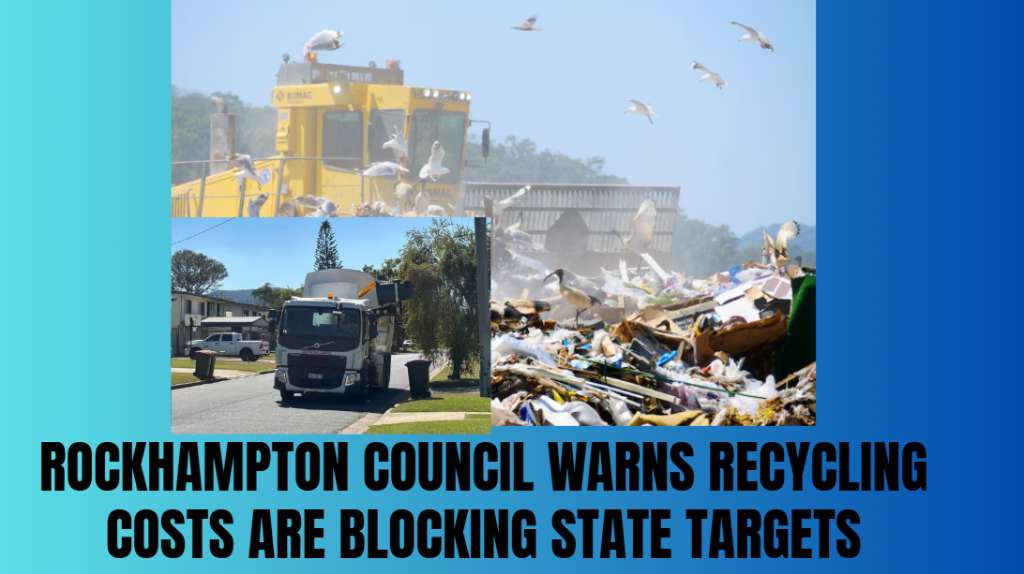
Rockhampton Regional Council says the rising cost of transporting recyclable waste hundreds of kilometres is making it difficult to meet Queensland's re...
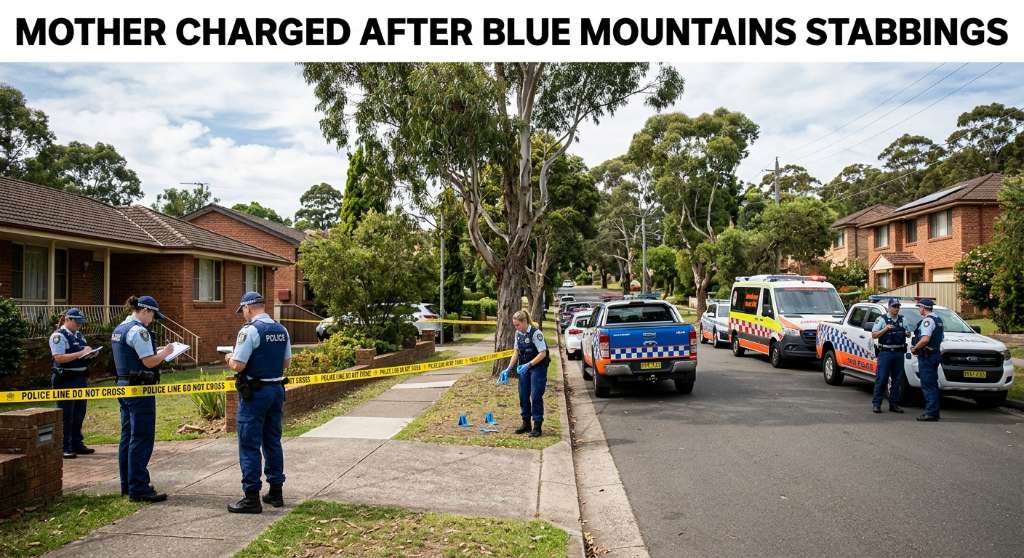
A 42-year-old woman has been charged with murder and attempted murder after three children were found with stab wounds at Valley Heights in the Blue Mou...
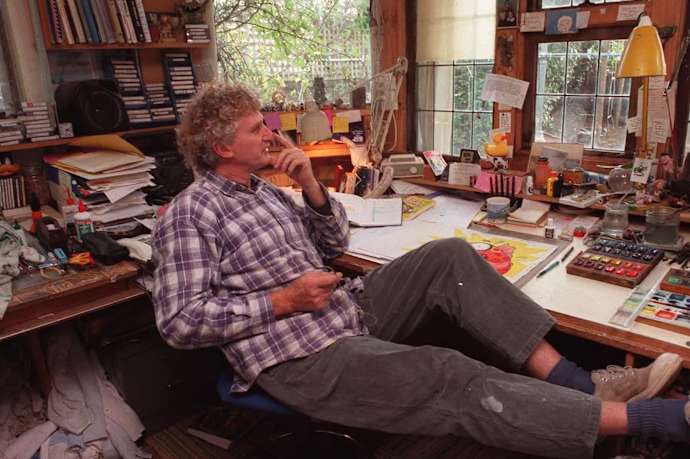
Australian children's author and illustrator Terry Denton, best known for his long-running creative partnership on the popular Treehouse books, has died...
Construction has begun on a new purpose-built ambulance station at Caves Beach in Lake Macquarie, with the facility expected to strengthen emergency med...
Prime Minister Anthony Albanese has launched Australia's campaign for a two-year seat on the United Nations Security Council while signing a decade-long...
Passengers travelling through Sydney Airport on September 24 are being warned to allow extra time as separate strikes involving airport security and gro...
Two men have been charged after detectives investigating an alleged large-scale drug supply network seized cocaine, methylamphetamine, MDMA and other it...
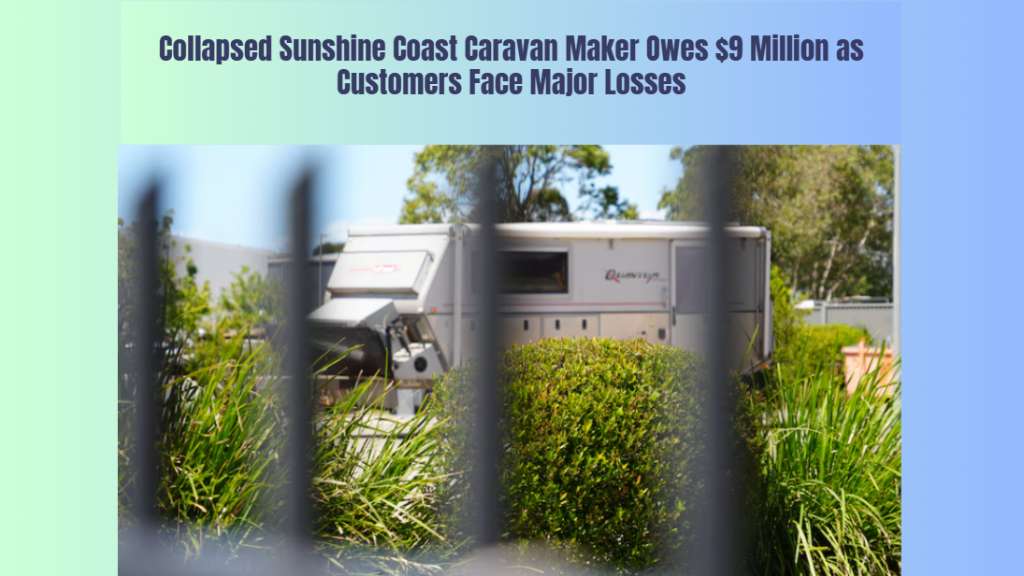
Administrators have revealed Australian Off Road owes about $9 million after the Sunshine Coast caravan manufacturer collapsed, leaving customers, emplo...
A woman has died following a serious three-vehicle collision involving a commercial bus and two cars in Glenburn, in Victoria’s Yarra Ranges, on Thursday, 24 September 2026. Eme...
A woman has died following a serious three-car collision in Leongatha, Victoria, on Wednesday afternoon, 23 September 2026. Emergency services were called to the Strzelecki High...
A Queensland parliamentary committee has completed regional hearings on proposed tougher bail laws, hearing from crime victims, legal experts and commun...