Maximilian Hornung Impresses With Masterful Cello Performance in Intimate Concert
By Neha Maurya · Published 22 Jun 2026 · Updated 22 Jun 2026
Brisbane, Queensland · Queensland News
Safety note: Admin approval is an initial review, not a guarantee that every detail is correct. Check important or urgent claims with official sources and report anything inaccurate or unsafe.
Source and credit: Contributor's own report
Maximilian Hornung Impresses With Masterful Cello Performance in Intimate Concert - Brisbane, Queensland
Smart summary
Acclaimed German cellist Maximilian Hornung delivered a refined and emotionally engaging performance, earning praise for his technical brilliance and musical sensitivity in a closely observed recital.
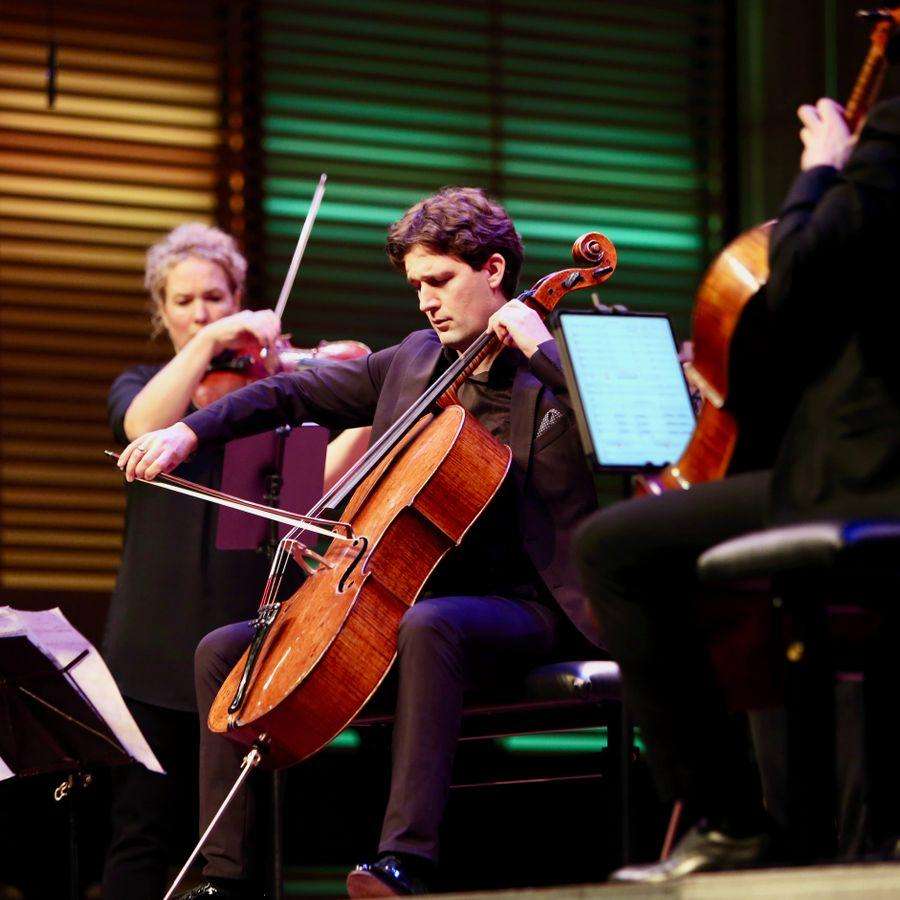
Internationally renowned cellist Maximilian Hornung has been praised for a compelling and deeply expressive performance in an intimate concert setting, with reviewers highlighting both his exceptional technical control and his ability to communicate the emotional depth of the music.
The recital, reviewed by Brisbane Times, showcased Hornung's reputation as one of the leading cellists of his generation. Performing before a smaller audience than is typical of major orchestral appearances, the format allowed listeners to experience the full nuance of his musicianship and interpretative skill.
Critics noted that Hornung demonstrated remarkable command of the cello throughout the performance. His playing combined precision, warmth and tonal richness, allowing complex musical passages to unfold with apparent ease. The review particularly praised his ability to balance technical excellence with emotional expression, creating performances that felt both disciplined and spontaneous.
Hornung has built an international reputation through performances with some of the world's leading orchestras and conductors. Known for his expressive style and meticulous attention to detail, he has become a regular presence at major concert halls and classical music festivals across Europe, North America and beyond.
The intimate nature of the concert allowed audiences to appreciate the subtle aspects of Hornung’s artistry. Reviewers described his phrasing as elegant and carefully shaped, while his dynamic control enabled him to move seamlessly between moments of delicate introspection and powerful dramatic intensity.
A recurring theme in the review was the cellist’s ability to maintain a strong connection with listeners throughout the performance. Rather than relying solely on technical virtuosity, Hornung was praised for drawing audiences into the emotional narrative of each piece, demonstrating why chamber and recital performances remain such an important part of classical music.
The program featured works that highlighted the cello’s wide expressive range, from lyrical passages that showcased the instrument’s singing qualities to more demanding sections requiring speed, precision and endurance. Hornung’s interpretation reportedly brought clarity and cohesion to the repertoire while allowing each composition’s unique character to emerge.
Observers also noted the excellent acoustics and atmosphere of the venue, which contributed to the sense of intimacy and immediacy. In such settings, every detail of performance becomes more apparent, placing greater emphasis on an artist’s control and interpretative choices. According to the review, Hornung met those demands with distinction.
The concert further reinforced Hornung’s standing within the international classical music community. His ability to combine technical mastery with emotional authenticity continues to earn admiration from critics and audiences alike.
For concertgoers, the performance offered a reminder of the enduring appeal of live classical music, where the direct connection between performer and audience can create a uniquely memorable experience.
HornungPerformanceConcertMusicAbility
Internationally renowned cellist Maximilian Hornung has been praised for a compelling and deeply expressive performance in an intimate concert setting, with reviewers highlighting both his exceptional technical control and his ability to communicate the emotional depth of the music.
The recital, reviewed by Brisbane Times, showcased Hornung's reputation as one of the leading cellists of his generation. Performing before a smaller audience than is typical of major orchestral appearances, the format allowed listeners to experience the full nuance of his musicianship and interpretative skill.
Critics noted that Hornung demonstrated remarkable command of the cello throughout the performance. His playing combined precision, warmth and tonal richness, allowing complex musical passages to unfold with apparent ease. The review particularly praised his ability to balance technical excellence with emotional expression, creating performances that felt both disciplined and spontaneous.
Hornung has built an international reputation through performances with some of the world's leading orchestras and conductors. Known for his expressive style and meticulous attention to detail, he has become a regular presence at major concert halls and classical music festivals across Europe, North America and beyond.
The intimate nature of the concert allowed audiences to appreciate the subtle aspects of Hornung’s artistry. Reviewers described his phrasing as elegant and carefully shaped, while his dynamic control enabled him to move seamlessly between moments of delicate introspection and powerful dramatic intensity.
A recurring theme in the review was the cellist’s ability to maintain a strong connection with listeners throughout the performance. Rather than relying solely on technical virtuosity, Hornung was praised for drawing audiences into the emotional narrative of each piece, demonstrating why chamber and recital performances remain such an important part of classical music.
The program featured works that highlighted the cello’s wide expressive range, from lyrical passages that showcased the instrument’s singing qualities to more demanding sections requiring speed, precision and endurance. Hornung’s interpretation reportedly brought clarity and cohesion to the repertoire while allowing each composition’s unique character to emerge.
Observers also noted the excellent acoustics and atmosphere of the venue, which contributed to the sense of intimacy and immediacy. In such settings, every detail of performance becomes more apparent, placing greater emphasis on an artist’s control and interpretative choices. According to the review, Hornung met those demands with distinction.
The concert further reinforced Hornung’s standing within the international classical music community. His ability to combine technical mastery with emotional authenticity continues to earn admiration from critics and audiences alike.
For concertgoers, the performance offered a reminder of the enduring appeal of live classical music, where the direct connection between performer and audience can create a uniquely memorable experience.
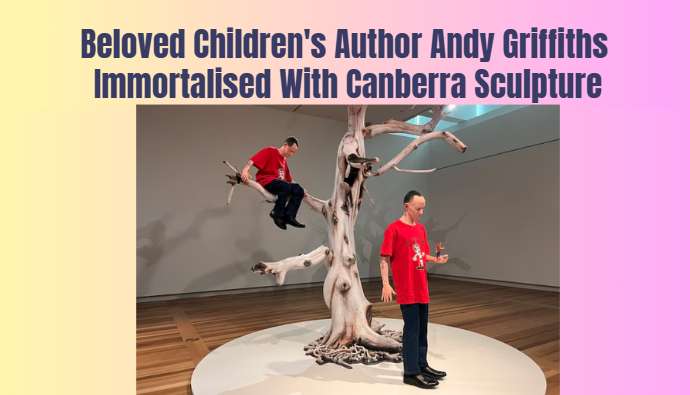
A four-metre-high 3D-printed sculpture celebrating Australian children's author Andy Griffiths has gone on display at Canberra's National Portrait Gallery.
After losing two sons, Melbourne father Nick Olney has established a charity helping grieving parents preserve memories of their babies and access suppo...
A fire damaged the Moama Football and Netball Club's social rooms during Saturday's grand final, forcing about 1,000 people to leave the building becaus...
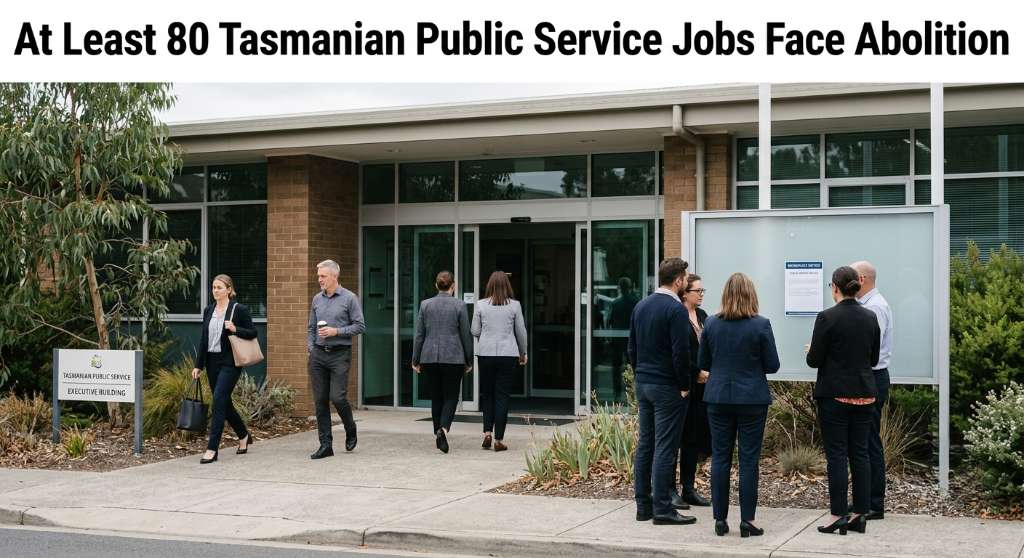
At least 80 positions have been identified for abolition as Tasmania restructures parts of its public service and works toward a broader reduction in go...
A 50-year-old man has died after being struck by a vehicle in Fernvale, west of Brisbane, with police launching a homicide investigation and arresting a...
Amateur astronomers are using new telescope technology to photograph the Moon, planets and distant galaxies from Brisbane homes, showing that city skies...
Severe weather in Melbourne has caused flight disruptions from Brisbane, with at least one flight cancelled and other services delayed as passengers tra...
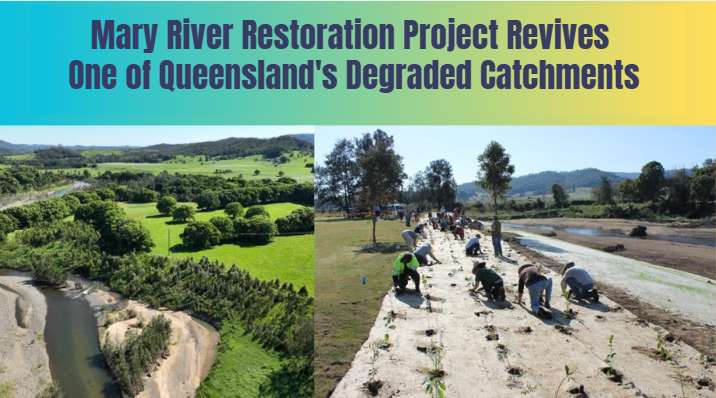
A long-running community restoration effort along Queensland's Mary River is reducing erosion, improving water quality and helping restore habitat for n...
A 50-year-old man has died after being struck by a vehicle in Fernvale, west of Brisbane, with police launching a homicide investigation and arresting a...
Multiple Rural Fire Service trucks were damaged after a planned hazard reduction burn at Wedderburn in Sydney's south-west escaped containment on Saturday.
Wet conditions at the Melbourne Cricket Ground are creating difficult conditions for the AFL Grand Final, while poor weather has also disrupted flights...
Amateur astronomers are using new telescope technology to photograph the Moon, planets and distant galaxies from Brisbane homes, showing that city skies...