Safety note: Admin approval is an initial review, not a guarantee that every detail is correct. Check important or urgent claims with official sources and report anything inaccurate or unsafe.
Multi-Million-Dollar Illegal Tobacco Investigation Linked to Canberra
Smart summary
Australian authorities are continuing an investigation into an international organised-crime network involved in the attempted smuggling of large quantities of illegal tobacco into Australia. The operation involved co...
Australian authorities are continuing an investigation into an international organised-crime network involved in the attempted smuggling of large quantities of illegal tobacco into Australia. The operation involved cooperation between the Australian Border Force (ABF), ACT Policing and Chinese customs authorities.
The broader investigation, known as Project SEAHORSE and Operation TRAILBLAZER, began after Chinese authorities identified suspicious shipping containers believed to be connected to an international tobacco-smuggling network. Intelligence was shared with Australian authorities before the consignments reached Australian ports.
A total of 112 containers were referred to Australian Border Force officers for inspection. The containers were scheduled to arrive at Australian ports between January and May 2026, with most of the shipments arriving through Sydney. Following targeted inspections, 91 containers were found to contain illicit tobacco.
Authorities seized more than 60 million cigarettes and 60 kilograms of loose-leaf tobacco. The combined amount of duty allegedly evaded on the tobacco was estimated at more than $92 million. The $92 million figure refers to evaded duty rather than the retail value of the cigarettes.
Chinese authorities also arrested more than 60 people suspected of involvement in the international criminal network. Investigators believe the tobacco was manufactured in Southeast Asia before being moved through China and eventually shipped towards Australia.
Authorities allege that the syndicate attempted to conceal the tobacco within legitimate commercial cargo. Cover loads reportedly included ordinary goods such as LED lamps and printers, allowing the shipments to appear like legitimate international freight.
The investigation is significant because it demonstrates how Australian authorities are increasingly using international intelligence to identify illicit shipments before or as they enter the country. Instead of relying only on random inspections, information supplied by overseas law-enforcement partners enabled Australian officers to target specific containers.
ACT Policing has been involved in the wider investigation because illicit tobacco trafficking can generate substantial profits for organised criminal groups. Police have warned that organised crime groups involved in illegal tobacco can also be connected to other forms of serious offending.
A recent related operation in Australia also resulted in the seizure of more than 3.4 million illicit cigarettes and other assets valued at approximately $5 million during raids in Sydney. Authorities said the investigation involved links to organised crime and financial activity.
The crackdown comes amid growing concern about Australia's illicit tobacco market. Authorities say illegal tobacco can deprive governments of significant tax revenue while generating profits for criminal organisations.
Australian Border Force Assistant Commissioner Penelope Spies described the international operation as one of the country's significant disruptions of illicit tobacco trafficking. She highlighted the importance of cooperation between Australian and Chinese customs authorities.
Since July 2025, information shared by China's Anti-Smuggling Bureau has contributed to Australian detections involving more than 89 million cigarettes, 11 tonnes of loose-leaf tobacco and one million vapes, according to the ABF.
The investigation also demonstrates the international nature of modern organised crime. Tobacco can be manufactured in one country, moved through another and concealed in legitimate freight before being transported to its final destination.
Authorities are continuing to examine the network's activities and financial connections. Further enforcement action could follow as investigators analyse evidence gathered during the operation.
It is important to distinguish between confirmed seizures and allegations. The tobacco seizures and arrests have been confirmed by authorities, but individual suspects remain subject to legal processes and allegations should not be treated as proven offences unless established in court.
For Canberra, the involvement of ACT Policing makes the operation locally significant, although the majority of the identified shipping containers arrived through Sydney, rather than Canberra.
The operation represents a major coordinated effort to disrupt an international illicit tobacco supply chain before its products can reach Australian communities.
Australian authorities are continuing an investigation into an international organised-crime network involved in the attempted smuggling of large quantities of illegal tobacco into Australia. The operation involved cooperation between the Australian Border Force (ABF), ACT Policing and Chinese customs authorities.
The broader investigation, known as Project SEAHORSE and Operation TRAILBLAZER, began after Chinese authorities identified suspicious shipping containers believed to be connected to an international tobacco-smuggling network. Intelligence was shared with Australian authorities before the consignments reached Australian ports.
A total of 112 containers were referred to Australian Border Force officers for inspection. The containers were scheduled to arrive at Australian ports between January and May 2026, with most of the shipments arriving through Sydney. Following targeted inspections, 91 containers were found to contain illicit tobacco.
Authorities seized more than 60 million cigarettes and 60 kilograms of loose-leaf tobacco. The combined amount of duty allegedly evaded on the tobacco was estimated at more than $92 million. The $92 million figure refers to evaded duty rather than the retail value of the cigarettes.
Chinese authorities also arrested more than 60 people suspected of involvement in the international criminal network. Investigators believe the tobacco was manufactured in Southeast Asia before being moved through China and eventually shipped towards Australia.
Authorities allege that the syndicate attempted to conceal the tobacco within legitimate commercial cargo. Cover loads reportedly included ordinary goods such as LED lamps and printers, allowing the shipments to appear like legitimate international freight.
The investigation is significant because it demonstrates how Australian authorities are increasingly using international intelligence to identify illicit shipments before or as they enter the country. Instead of relying only on random inspections, information supplied by overseas law-enforcement partners enabled Australian officers to target specific containers.
ACT Policing has been involved in the wider investigation because illicit tobacco trafficking can generate substantial profits for organised criminal groups. Police have warned that organised crime groups involved in illegal tobacco can also be connected to other forms of serious offending.
A recent related operation in Australia also resulted in the seizure of more than 3.4 million illicit cigarettes and other assets valued at approximately $5 million during raids in Sydney. Authorities said the investigation involved links to organised crime and financial activity.
The crackdown comes amid growing concern about Australia's illicit tobacco market. Authorities say illegal tobacco can deprive governments of significant tax revenue while generating profits for criminal organisations.
Australian Border Force Assistant Commissioner Penelope Spies described the international operation as one of the country's significant disruptions of illicit tobacco trafficking. She highlighted the importance of cooperation between Australian and Chinese customs authorities.
Since July 2025, information shared by China's Anti-Smuggling Bureau has contributed to Australian detections involving more than 89 million cigarettes, 11 tonnes of loose-leaf tobacco and one million vapes, according to the ABF.
The investigation also demonstrates the international nature of modern organised crime. Tobacco can be manufactured in one country, moved through another and concealed in legitimate freight before being transported to its final destination.
Authorities are continuing to examine the network's activities and financial connections. Further enforcement action could follow as investigators analyse evidence gathered during the operation.
It is important to distinguish between confirmed seizures and allegations. The tobacco seizures and arrests have been confirmed by authorities, but individual suspects remain subject to legal processes and allegations should not be treated as proven offences unless established in court.
For Canberra, the involvement of ACT Policing makes the operation locally significant, although the majority of the identified shipping containers arrived through Sydney, rather than Canberra.
The operation represents a major coordinated effort to disrupt an international illicit tobacco supply chain before its products can reach Australian communities.
A 21-year-old Bendigo man, Adrian Turnbull, has been sentenced to a maximum of four years and eight months in prison after pleading guilty to a series of offences committed acro...
Wagga Wagga New South Wales · Crime News · 17 Sep 2026
Riverina Police have established a specialised task force in Wagga Wagga to investigate a series of aggravated break-and-enter offences, home invasions and firearm-related incid...
Five-Year Sentence for Albury Police Siege A 36-year-old man, Stephen Bates, has been sentenced to five years in prison following a serious confrontation with police in Lavingto...
A 36-year-old man has been charged after investigators allegedly found fraudulent identification documents, cloned number plates, cash and drug-manufact...
ACT Policing has confirmed that 36-year-old Chyvonne Tint has been located safe and well after police appealed to the Canberra community for assistance earlier on Monday, 31 Aug...
Newly released government documents have raised fresh concerns about security and contraband at Canberra’s Alexander Maconochie Centre (AMC), the ACT’s only adult prison. The in...
ACT Policing is seeking witnesses following an alleged assault at the City bus interchange on Alinga Street in Canberra earlier this month. Police published the appeal at 2:13pm...
Canberra has secured the rights to host the prestigious CAPA Airline Leader Summit 2027, marking a significant achievement for the Australian Capital Territory and reinforcing t...
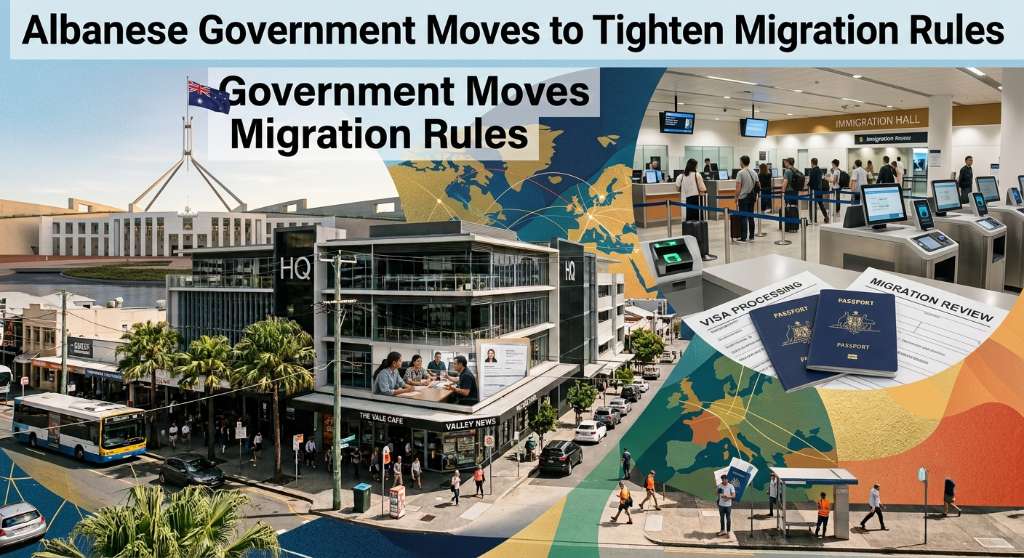
The Federal Government is preparing new measures targeting temporary visas, visa overstayers, international students and visa-hopping, while maintaining...
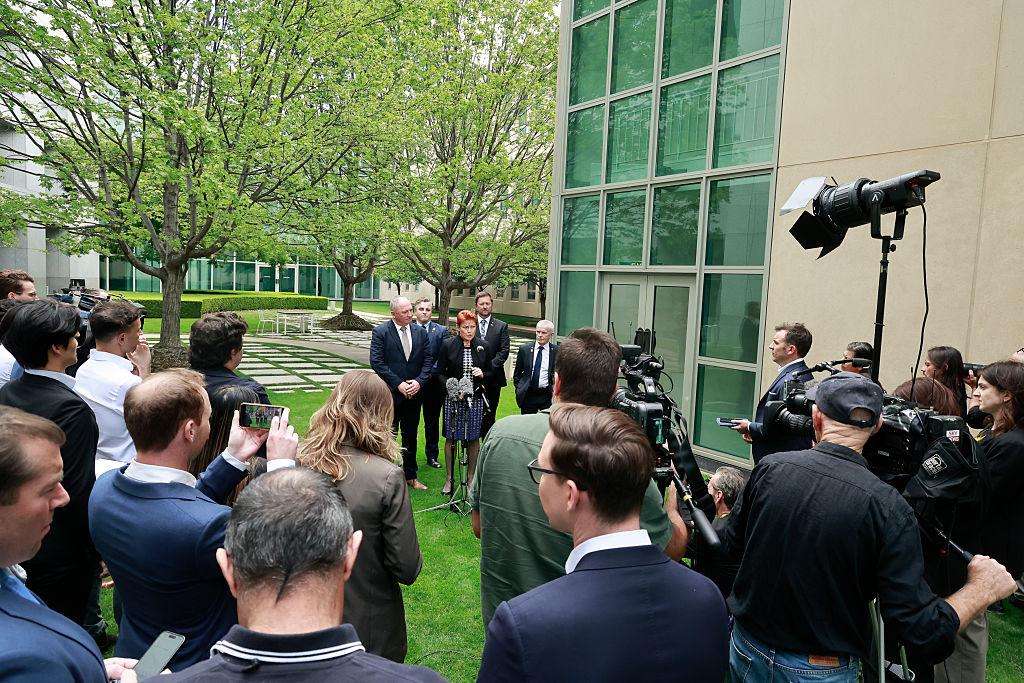
One Nation’s proposed major reduction in migration has triggered warnings that a sharp cut to population growth could weaken Australia’s economy and cre...
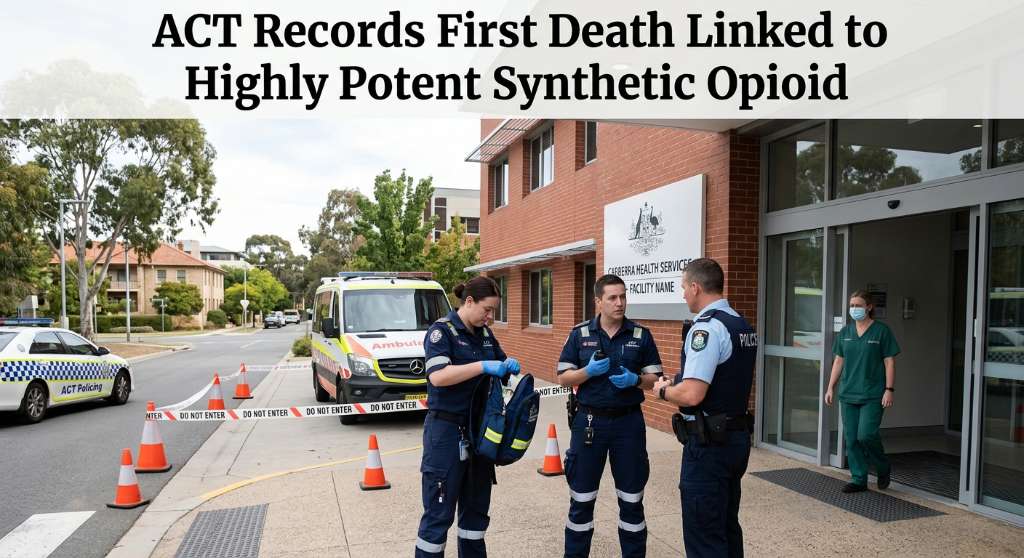
A Canberra woman has become the first person in the ACT whose death has been linked to a highly potent synthetic opioid, prompting renewed concern about...
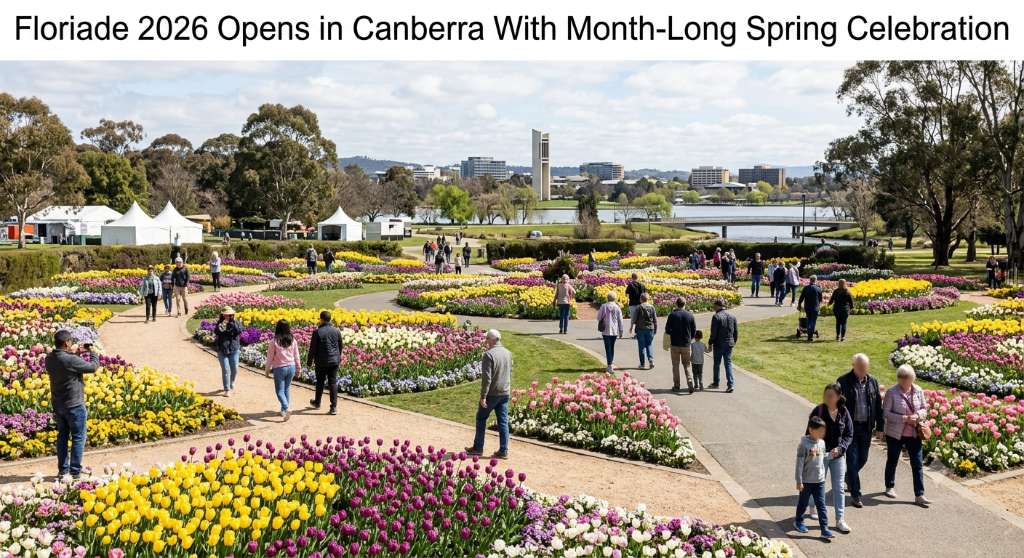
Canberra’s Commonwealth Park has welcomed visitors for the annual Floriade festival, bringing flowers, entertainment and spring activities to the city.
Cairns Regional Council has unanimously voted to seek $400,000 in Queensland Government funding for a program designed to connect local businesses with the region’s growing film...
An automated external defibrillator and memorial plaque have been installed at Ellery Creek Big Hole following the death of disability advocate Ellen Fr...
Queensland firefighters spent several hours monitoring a significant grass fire at Mary Kinross Park in Bargara, near Bundaberg, after the blaze broke out on Wednesday evening....