Mandurah, Western Australia · Western Australia News
Safety note: Admin approval is an initial review, not a guarantee that every detail is correct. Check important or urgent claims with official sources and report anything inaccurate or unsafe.
Source and credit: Contributor's own report
Nearly $1 million plan aims to save historic Coopers Mill from erosion - Mandurah, Western Australia
Smart summary
A heritage conservation project worth almost $1 million has been proposed to protect Coopers Mill from ongoing riverbank erosion, with authorities warning the historic Western Australian landmark is at risk of being w...
A major heritage conservation project valued at almost $1 million has been proposed to safeguard the historic Coopers Mill in Western Australia, as ongoing riverbank erosion threatens the long-term survival of one of the state's oldest industrial heritage sites.
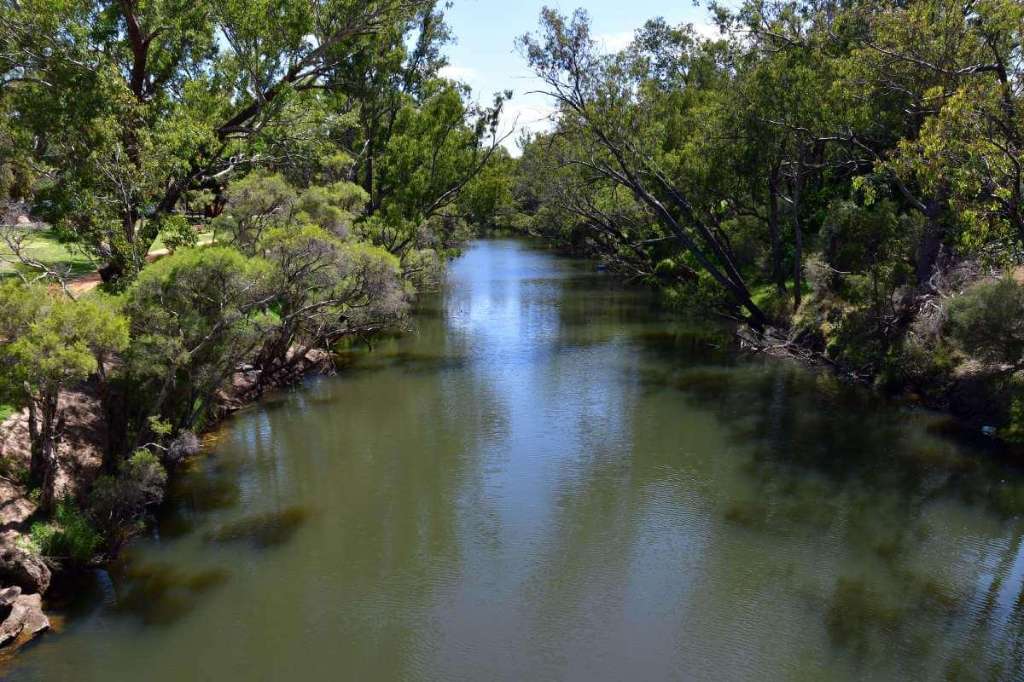
The proposal focuses on stabilising the riverbank surrounding the mill, which has experienced increasing erosion during periods of heavy rainfall and flooding. Engineers and heritage specialists have warned that continued deterioration could undermine the foundations of the historic structure, placing the site at significant risk.
Coopers Mill has long been recognised as an important part of Western Australia's early settlement and agricultural history. Built during the nineteenth century, the mill played a key role in processing grain for surrounding farming communities and remains one of the region's best-known heritage landmarks.
Under the proposed project, authorities plan to reinforce the riverbank using modern erosion-control techniques while ensuring the heritage character of the site is preserved. Works are expected to include bank stabilisation, protection against future flood damage, and environmental rehabilitation to improve the resilience of the surrounding waterway.
The project is estimated to cost close to $1 million, with funding expected to come from a combination of government support and local contributions. Heritage advocates say the investment is essential to preserve the landmark for future generations and avoid far more expensive restoration work if erosion continues unchecked.
Local residents and historical groups have welcomed the proposal, noting that the mill is not only an important reminder of the region's past but also a popular attraction for visitors interested in Western Australia's colonial and agricultural history. They argue that protecting the site will benefit tourism as well as cultural heritage.
Environmental experts have pointed out that increasingly frequent high-flow events and severe weather have accelerated erosion along many rivers in the state. As a result, several heritage sites located near waterways are now facing similar risks, prompting governments to invest more heavily in flood resilience and conservation projects.
Engineers involved in the planning process will assess the most appropriate methods to strengthen the riverbank while minimising impacts on the surrounding ecosystem. Any construction work will also need to comply with heritage protection requirements to ensure the site's historical significance is maintained.
If approved, the project is expected to secure the future of Coopers Mill for decades to come, protecting both the historic building and the surrounding landscape from further damage caused by erosion.
Community consultation is expected to continue as planning progresses, with authorities seeking to balance environmental protection, heritage conservation and long-term public access to the site. Supporters hope the investment will preserve one of Western Australia's most significant historic landmarks before irreversible damage occurs.
HeritageMillErosionHistoricSite
A major heritage conservation project valued at almost $1 million has been proposed to safeguard the historic Coopers Mill in Western Australia, as ongoing riverbank erosion threatens the long-term survival of one of the state's oldest industrial heritage sites.
The proposal focuses on stabilising the riverbank surrounding the mill, which has experienced increasing erosion during periods of heavy rainfall and flooding. Engineers and heritage specialists have warned that continued deterioration could undermine the foundations of the historic structure, placing the site at significant risk.
Coopers Mill has long been recognised as an important part of Western Australia's early settlement and agricultural history. Built during the nineteenth century, the mill played a key role in processing grain for surrounding farming communities and remains one of the region's best-known heritage landmarks.
Under the proposed project, authorities plan to reinforce the riverbank using modern erosion-control techniques while ensuring the heritage character of the site is preserved. Works are expected to include bank stabilisation, protection against future flood damage, and environmental rehabilitation to improve the resilience of the surrounding waterway.
The project is estimated to cost close to $1 million, with funding expected to come from a combination of government support and local contributions. Heritage advocates say the investment is essential to preserve the landmark for future generations and avoid far more expensive restoration work if erosion continues unchecked.
Local residents and historical groups have welcomed the proposal, noting that the mill is not only an important reminder of the region's past but also a popular attraction for visitors interested in Western Australia's colonial and agricultural history. They argue that protecting the site will benefit tourism as well as cultural heritage.
Environmental experts have pointed out that increasingly frequent high-flow events and severe weather have accelerated erosion along many rivers in the state. As a result, several heritage sites located near waterways are now facing similar risks, prompting governments to invest more heavily in flood resilience and conservation projects.
Engineers involved in the planning process will assess the most appropriate methods to strengthen the riverbank while minimising impacts on the surrounding ecosystem. Any construction work will also need to comply with heritage protection requirements to ensure the site's historical significance is maintained.
If approved, the project is expected to secure the future of Coopers Mill for decades to come, protecting both the historic building and the surrounding landscape from further damage caused by erosion.
Community consultation is expected to continue as planning progresses, with authorities seeking to balance environmental protection, heritage conservation and long-term public access to the site. Supporters hope the investment will preserve one of Western Australia's most significant historic landmarks before irreversible damage occurs.
A Chinese private processor has purchased 68,000 tonnes of new-season Australian canola for shipment in March, marking the first known private-sector pu...
Darwin Northern Territory · Other News · 01 Sep 2026
A scenic hike through Butterfly Gorge in the Northern Territory turned into a frightening experience when a buffalo charged at two hikers. ABC Darwin reported the story today, 1...
Coffs Harbour New South Wales · Other News · 01 Sep 2026
A Safe Work NSW inspection blitz across the Coffs Harbour region has uncovered dozens of workplace-safety issues in the horticulture industry. The operation followed concerns ab...
Geraldton is set to receive the Midwest region's first four-wheel-drive ambulance in October after concerns about emergency access to remote beaches, sa...
Heavy and near-record rainfall has inundated parts of Western Australia's Goldfields and Esperance region, damaging pastoral properties and forcing the...
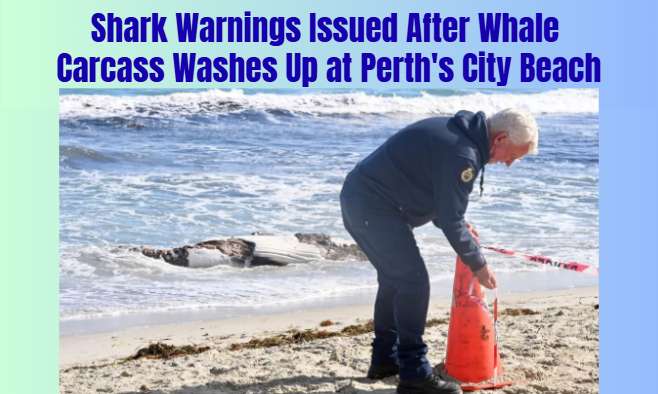
Several sharks have been spotted near a whale carcass that washed ashore at Perth's City Beach, prompting authorities to issue multiple warnings for swi...
Australian tennis player Talia Gibson has reached her first WTA Tour-level singles final at the Singapore Open after Tatiana Prozorova withdrew from the...
A 22-year-old Elimbah man has been charged after a two-car crash at Baringa on the Sunshine Coast, with police alleging he fled into nearby bushland bef...
A new proposal for factory-built ecohomes in Orange aims to speed up construction while reducing household energy costs as local property prices remain...
Geelong's historic Botanic Gardens are preparing for their 175th anniversary, with volunteers and horticultural staff working to preserve a living colle...