Safety note: Admin approval is an initial review, not a guarantee that every detail is correct. Check important or urgent claims with official sources and report anything inaccurate or unsafe.
Source and credit: Contributor's own report
New Community Kitchen in Shepparton Transforms Surplus Food into Skills and Food Security - Shepparton, VIC
Smart summary
A new commercial kitchen at Shepparton Foodshare is helping reduce food waste while giving adults with disabilities practical cooking skills, confidence and pathways toward future employment.
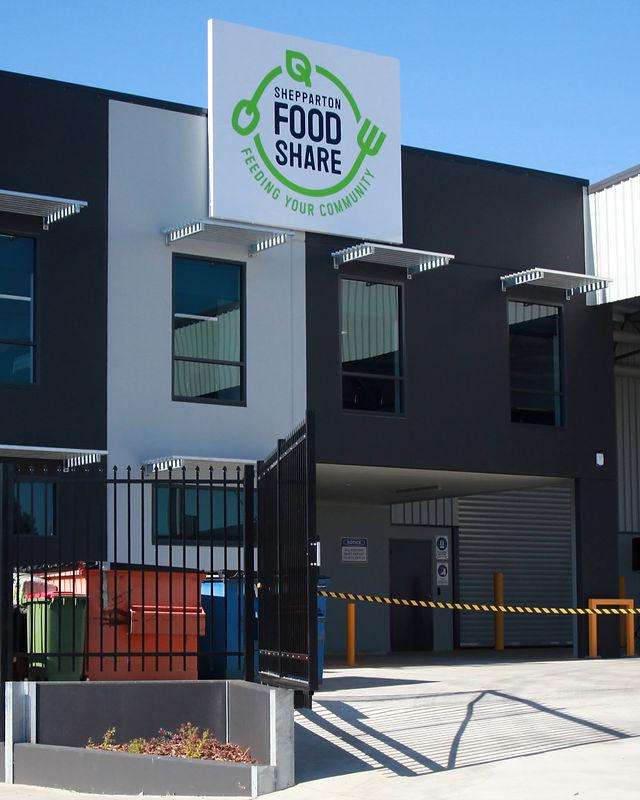
A new commercial kitchen at Shepparton Foodshare is making a meaningful difference in northern Victoria by transforming surplus fruit and vegetables into nutritious food while providing valuable training opportunities for adults with disabilities.
The initiative is the result of a partnership between Shepparton Foodshare and Shepparton Access, a not-for-profit organisation that supports adults with disabilities through education, employment and community participation programs.
Operating from the new commercial kitchen, participants learn how to prepare and preserve fresh produce that might otherwise go to waste. They create products including jams, chutneys, relishes and sauces using donated fruit and vegetables that have been rescued from landfill. The program combines food sustainability with practical vocational training, creating benefits for both participants and the wider community.
Shepparton Access Chief Operating Officer Siobhan Whitzell said the commercial kitchen provides participants with opportunities to develop cooking techniques, workplace safety knowledge and social skills in a real working environment. She explained that many participants hope to secure future employment, making the experience an important stepping stone towards greater independence and confidence.
Participants say the program allows them to learn new skills while contributing to something meaningful. Activities such as preparing ingredients, cooking and packaging preserves help build teamwork, responsibility and confidence while producing quality food products.
The preserves produced through the program are shared between the two organisations. Half are sold through Shepparton Access Eco Store, while the remainder are included in Shepparton Foodshare food hampers distributed to people experiencing food insecurity. This means the work completed by participants directly benefits local families and individuals who need support.
Since the partnership began in late April, participants have produced around 450 jars of jams, sauces and preserves. By using surplus produce that may otherwise have been discarded, the initiative helps reduce food waste while increasing access to nutritious food within the community.
Shepparton Foodshare Executive Officer Dee Healey said the kitchen delivers benefits well beyond food production. She described the project as an example of community collaboration, where organisations, businesses and volunteers work together to improve food security while creating inclusive learning opportunities.
The commercial kitchen itself was made possible through the support of local businesses, community organisations and funding partners. Organisers hope to secure additional funding to expand the program in the future, allowing more participants to gain practical experience and increasing the amount of food available for community distribution.
The project reflects Shepparton's growing focus on sustainability, inclusion and community resilience. Located in Victoria's productive Goulburn Valley, Shepparton is recognised as one of Australia's major food-producing regions, making initiatives that reduce waste particularly valuable.
By combining food rescue with vocational training, the new kitchen demonstrates how innovative community partnerships can address multiple social challenges at once. The initiative not only prevents good food from ending up in landfill but also empowers participants with practical skills, workplace experience and confidence while strengthening food security across the region.
FoodSheppartonCommunityParticipantsKitchen
A new commercial kitchen at Shepparton Foodshare is making a meaningful difference in northern Victoria by transforming surplus fruit and vegetables into nutritious food while providing valuable training opportunities for adults with disabilities.
The initiative is the result of a partnership between Shepparton Foodshare and Shepparton Access, a not-for-profit organisation that supports adults with disabilities through education, employment and community participation programs.
Operating from the new commercial kitchen, participants learn how to prepare and preserve fresh produce that might otherwise go to waste. They create products including jams, chutneys, relishes and sauces using donated fruit and vegetables that have been rescued from landfill. The program combines food sustainability with practical vocational training, creating benefits for both participants and the wider community.
Shepparton Access Chief Operating Officer Siobhan Whitzell said the commercial kitchen provides participants with opportunities to develop cooking techniques, workplace safety knowledge and social skills in a real working environment. She explained that many participants hope to secure future employment, making the experience an important stepping stone towards greater independence and confidence.
Participants say the program allows them to learn new skills while contributing to something meaningful. Activities such as preparing ingredients, cooking and packaging preserves help build teamwork, responsibility and confidence while producing quality food products.
The preserves produced through the program are shared between the two organisations. Half are sold through Shepparton Access Eco Store, while the remainder are included in Shepparton Foodshare food hampers distributed to people experiencing food insecurity. This means the work completed by participants directly benefits local families and individuals who need support.
Since the partnership began in late April, participants have produced around 450 jars of jams, sauces and preserves. By using surplus produce that may otherwise have been discarded, the initiative helps reduce food waste while increasing access to nutritious food within the community.
Shepparton Foodshare Executive Officer Dee Healey said the kitchen delivers benefits well beyond food production. She described the project as an example of community collaboration, where organisations, businesses and volunteers work together to improve food security while creating inclusive learning opportunities.
The commercial kitchen itself was made possible through the support of local businesses, community organisations and funding partners. Organisers hope to secure additional funding to expand the program in the future, allowing more participants to gain practical experience and increasing the amount of food available for community distribution.
The project reflects Shepparton's growing focus on sustainability, inclusion and community resilience. Located in Victoria's productive Goulburn Valley, Shepparton is recognised as one of Australia's major food-producing regions, making initiatives that reduce waste particularly valuable.
By combining food rescue with vocational training, the new kitchen demonstrates how innovative community partnerships can address multiple social challenges at once. The initiative not only prevents good food from ending up in landfill but also empowers participants with practical skills, workplace experience and confidence while strengthening food security across the region.
A new feasibility study has backed plans for a permanent fresh food and dining market in central Geelong, with the project forecast to generate signific...
Grounded Pleasures has earned three medals at the Royal Tasmanian Fine Food Awards, recognising its Ballarat-made drinking chocolate products in the com...
New workplace data shows staff absenteeism jumped sharply during the historic MCG NFL event, while Melbourne businesses also benefited from a major spen...
Cairns Regional Council has unanimously voted to seek $400,000 in Queensland Government funding for a program designed to connect local businesses with the region’s growing film...
An automated external defibrillator and memorial plaque have been installed at Ellery Creek Big Hole following the death of disability advocate Ellen Fr...
Queensland firefighters spent several hours monitoring a significant grass fire at Mary Kinross Park in Bargara, near Bundaberg, after the blaze broke out on Wednesday evening....