Safety note: Admin approval is an initial review, not a guarantee that every detail is correct. Check important or urgent claims with official sources and report anything inaccurate or unsafe.
Source and credit: Contributor's own report
NSW considers major South Coast abalone fishing closure as shellfish stocks reach critical levels - Central Coast, NSW
Smart summary
The New South Wales Government is considering closing around 350 kilometres of the South Coast to commercial abalone fishing after reports revealed severe declines in shellfish populations and growing concerns about t...
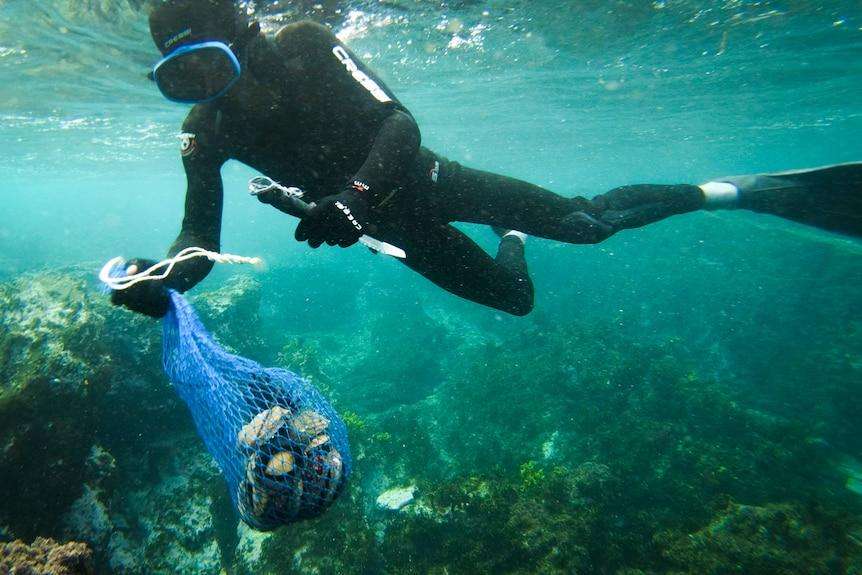
The New South Wales commercial abalone industry is facing one of its biggest challenges in decades, with the state government proposing a major closure of commercial fishing areas along the South Coast following a dramatic decline in abalone stocks.
A draft management proposal released by the Department of Primary Industries and Regional Development (DPIRD) recommends closing commercial abalone harvesting from Bundeena, south of Sydney, to Eden near the Victorian border. If implemented, the proposal would place approximately 350 kilometres of coastline off limits to commercial abalone fishing in an effort to allow depleted populations to recover.
The proposal follows findings from the independent Total Allowable Fishing Committee (TAFC), which reported a severe decline in abalone populations across the NSW coastline. The committee found that many stocks are now classified as depleting or depleted, raising concerns about the long-term sustainability of the fishery. In response, the state's commercial catch limit for the upcoming season has already been reduced by more than 40 per cent.
The Abalone Association of NSW has expressed deep concern about the proposal, arguing that many commercial operators have already been struggling for years because of declining catches. Association chair Stephen Bunney said large sections of the fishery have become commercially unviable and called for a parliamentary inquiry into the government's management of the industry. He also criticised what he described as inadequate action against illegal harvesting.
Illegal, unreported and unregulated fishing has been identified as one of the biggest threats to abalone recovery. Government estimates suggest that between 25 and 35 tonnes of abalone are taken illegally each year, placing additional pressure on already weakened populations. Industry representatives argue that stronger enforcement against illegal fishing is essential if stocks are to recover.
The proposal has also sparked discussion about Aboriginal cultural fishing rights. The affected coastline is subject to an ongoing native title claim by South Coast Aboriginal people. Native title applicants welcomed the proposed conservation measures but rejected suggestions that Indigenous cultural fishing has contributed significantly to the stock decline. Community representatives said traditional harvesting levels remain small compared with historical commercial catches.
Earlier this year, the NSW Government announced plans to reform the fishery, including offering a voluntary buyout for commercial licence holders. However, the industry's 41 shareholders voted to reject the compensation package, arguing that it undervalued their businesses and failed to address the underlying causes of the fishery's decline.
Marine scientists say abalone are slow-growing shellfish that require healthy rocky reef habitats and stable environmental conditions. Once populations fall below sustainable levels, recovery can take many years even if fishing pressure is removed. Conservation measures such as temporary closures, reduced catch limits and habitat protection are commonly used to help rebuild stocks.
The Department of Primary Industries and Regional Development said it is currently reviewing submissions from commercial fishers, Aboriginal stakeholders, environmental groups and other interested parties before making a final decision on the future management of the fishery.
The proposed closure highlights the difficult balance between protecting marine ecosystems and supporting regional industries that rely on sustainable fishing. The government's final decision is expected after consultation with stakeholders is completed.
AbaloneFishingCommercialFisheryGovernment
The New South Wales commercial abalone industry is facing one of its biggest challenges in decades, with the state government proposing a major closure of commercial fishing areas along the South Coast following a dramatic decline in abalone stocks.
A draft management proposal released by the Department of Primary Industries and Regional Development (DPIRD) recommends closing commercial abalone harvesting from Bundeena, south of Sydney, to Eden near the Victorian border. If implemented, the proposal would place approximately 350 kilometres of coastline off limits to commercial abalone fishing in an effort to allow depleted populations to recover.
The proposal follows findings from the independent Total Allowable Fishing Committee (TAFC), which reported a severe decline in abalone populations across the NSW coastline. The committee found that many stocks are now classified as depleting or depleted, raising concerns about the long-term sustainability of the fishery. In response, the state's commercial catch limit for the upcoming season has already been reduced by more than 40 per cent.
The Abalone Association of NSW has expressed deep concern about the proposal, arguing that many commercial operators have already been struggling for years because of declining catches. Association chair Stephen Bunney said large sections of the fishery have become commercially unviable and called for a parliamentary inquiry into the government's management of the industry. He also criticised what he described as inadequate action against illegal harvesting.
Illegal, unreported and unregulated fishing has been identified as one of the biggest threats to abalone recovery. Government estimates suggest that between 25 and 35 tonnes of abalone are taken illegally each year, placing additional pressure on already weakened populations. Industry representatives argue that stronger enforcement against illegal fishing is essential if stocks are to recover.
The proposal has also sparked discussion about Aboriginal cultural fishing rights. The affected coastline is subject to an ongoing native title claim by South Coast Aboriginal people. Native title applicants welcomed the proposed conservation measures but rejected suggestions that Indigenous cultural fishing has contributed significantly to the stock decline. Community representatives said traditional harvesting levels remain small compared with historical commercial catches.
Earlier this year, the NSW Government announced plans to reform the fishery, including offering a voluntary buyout for commercial licence holders. However, the industry's 41 shareholders voted to reject the compensation package, arguing that it undervalued their businesses and failed to address the underlying causes of the fishery's decline.
Marine scientists say abalone are slow-growing shellfish that require healthy rocky reef habitats and stable environmental conditions. Once populations fall below sustainable levels, recovery can take many years even if fishing pressure is removed. Conservation measures such as temporary closures, reduced catch limits and habitat protection are commonly used to help rebuild stocks.
The Department of Primary Industries and Regional Development said it is currently reviewing submissions from commercial fishers, Aboriginal stakeholders, environmental groups and other interested parties before making a final decision on the future management of the fishery.
The proposed closure highlights the difficult balance between protecting marine ecosystems and supporting regional industries that rely on sustainable fishing. The government's final decision is expected after consultation with stakeholders is completed.
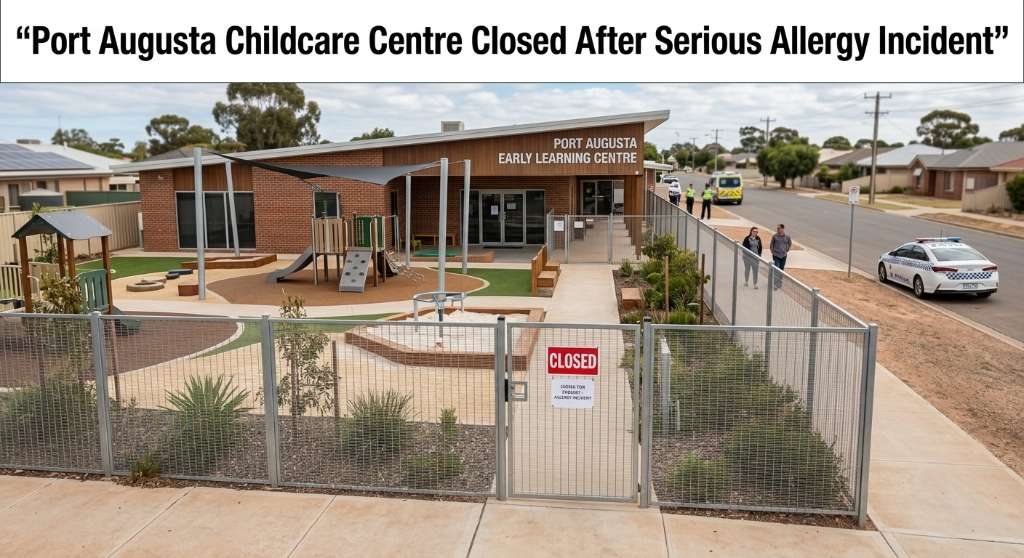
An Edge Early Learning centre in Port Augusta has been ordered to close for two weeks after a child with allergies was hospitalised after being given fo...
The statewide scheme allows eligible renters to transfer their existing bond directly to a new rental property instead of paying a second bond upfront.
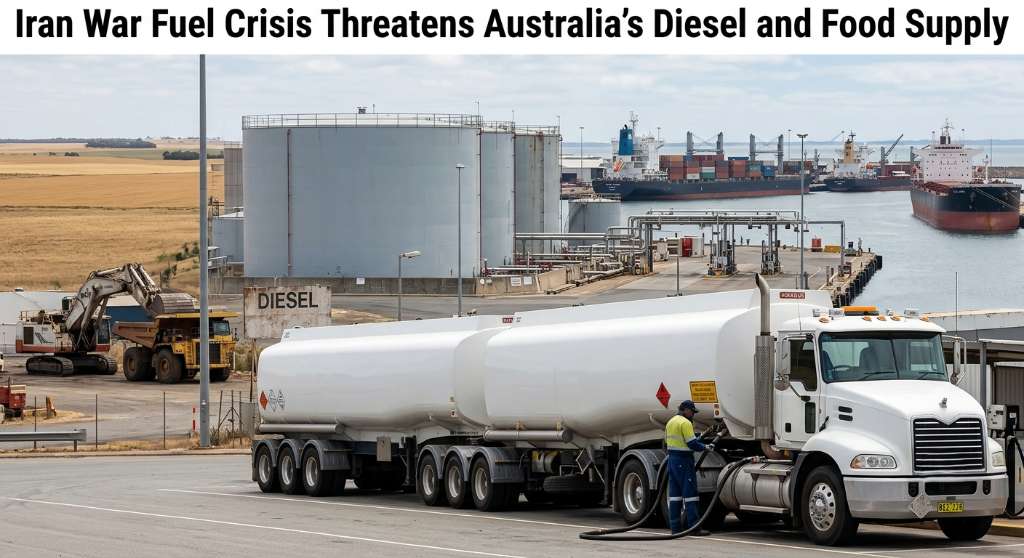
Global diesel shortages and disrupted shipping routes are pushing up fuel costs and creating growing risks for Australia’s farmers, miners and wider eco...
Central Coast New South Wales · General News · 15 Sep 2026
A teenager accused of negligent driving following a fatal crash on the NSW Central Coast has been refused bail in court today, Tuesday, September 15, 2026. The case follows a se...
A 36-year-old man has been charged after investigators allegedly found fraudulent identification documents, cloned number plates, cash and drug-manufact...
A Sydney court has heard that a man sent 249 messages to a former partner within 24 hours, with the messages treated as a single alleged breach of an ap...
A high-profile athlete has returned to court and told the hearing that an alleged unwanted kiss by former broadcaster Alan Jones remained difficult to f...
Work on the $150 million Sydney Town Hall Square project has been paused after the NSW Planning Minister referred the development for review by the Inde...
Cairns Regional Council has unanimously voted to seek $400,000 in Queensland Government funding for a program designed to connect local businesses with the region’s growing film...
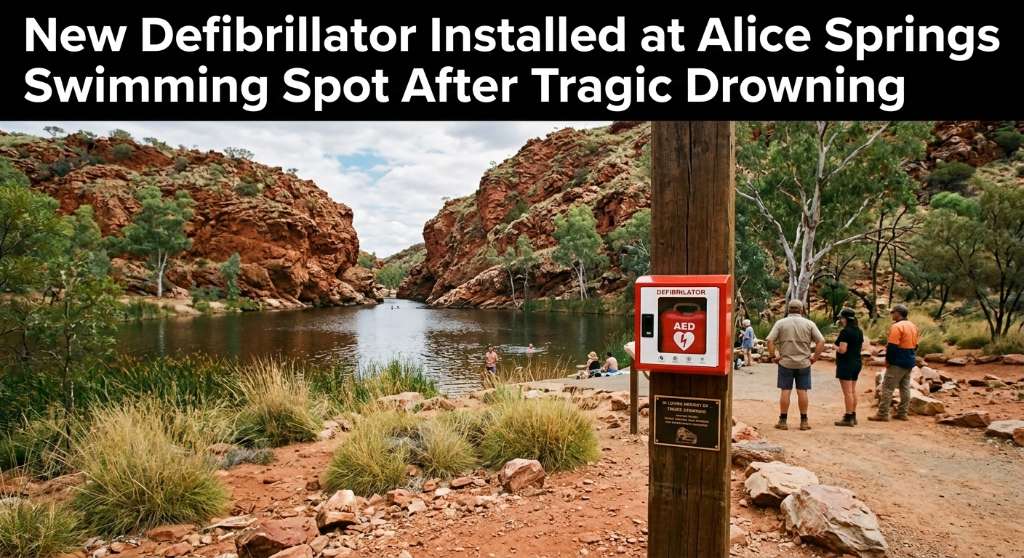
An automated external defibrillator and memorial plaque have been installed at Ellery Creek Big Hole following the death of disability advocate Ellen Fr...
Queensland firefighters spent several hours monitoring a significant grass fire at Mary Kinross Park in Bargara, near Bundaberg, after the blaze broke out on Wednesday evening....