NSW Government Reverses Controversial Coffee Cup Rules After Cafe Backlash
By Chloe · Published 28 Oct 2026 · Updated 28 Oct 2026
Sydney, NSW · New South Wales News
Safety note: Admin approval is an initial review, not a guarantee that every detail is correct. Check important or urgent claims with official sources and report anything inaccurate or unsafe.
Source and credit: Contributor's own report
NSW Government Reverses Controversial Coffee Cup Rules After Cafe Backlash - Sydney, NSW
Smart summary
New South Wales will abandon plans requiring cafes to offer reusable cups to dine-in customers after small businesses raised concerns about costs and penalties.
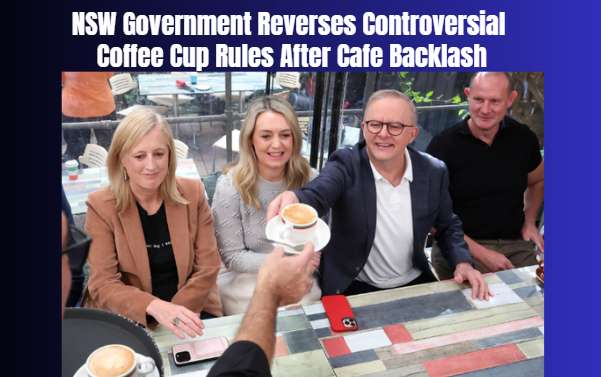
The New South Wales government has announced a reversal of controversial coffee cup regulations following criticism from cafe owners, hospitality businesses and industry representatives. The decision, reported on 28 October 2026, follows growing concern that the proposed rules would create additional costs and administrative responsibilities for businesses already facing economic pressure.
The proposed legislation was intended to reduce plastic waste by encouraging customers and businesses to use reusable cups instead of disposable alternatives. Under the original plan, cafes would have been required to offer mugs or glasses to customers dining inside their premises from 2028. Businesses would also have faced requirements connected with reusable cup schemes, with potential penalties reaching $110,000 for non-compliance.
The proposals formed part of a broader effort to reduce the environmental impact of single-use packaging. Disposable coffee cups contribute to waste because many conventional versions contain plastic linings that make them difficult to recycle through ordinary paper recycling systems.
However, the policy generated significant opposition from cafe owners, who questioned how the requirements would work in busy hospitality environments. Small businesses raised concerns about purchasing and storing reusable cups, managing cleaning arrangements, maintaining hygiene standards and handling the additional workload during peak trading periods.
Industry representatives also argued that businesses were already dealing with rising operating expenses, including wages, rent, electricity and supply costs. They warned that introducing another set of requirements could place further pressure on profit margins, particularly for independent cafes and smaller hospitality operators.
Premier Chris Minns had previously defended the policy while acknowledging that the government had not communicated its intentions clearly enough. Environment Minister Penny Sharpe subsequently confirmed that the government had decided mandatory participation in reusable cup schemes was unnecessary. The reversal followed public criticism and pressure from business groups and political opponents.
The government has indicated that the relevant provisions will be repealed after the March 2027 state election. In the meantime, the NSW Environment Protection Authority has been asked to clarify the government's regulatory intentions so businesses understand which requirements will proceed.
Not every part of the environmental policy has been abandoned. Businesses will still be expected to accept customers' own clean reusable cups, and the requirement for single-use takeaway cups to be recyclable by 2028 remains in place. These measures are intended to support waste reduction without imposing the full mandatory reusable-cup scheme on hospitality operators.
The decision has prompted debate about how governments should balance environmental objectives with the practical realities faced by small businesses. Supporters of stronger waste-reduction measures argue that reducing disposable packaging remains important, while critics say regulations must be workable, clearly explained and developed with businesses that will be required to implement them.
For cafes across New South Wales, the announcement provides greater clarity about the future of the proposed rules. However, the planned timing of the repeal means the legislative process is not yet complete.
The issue also highlights the challenges governments face when introducing environmental reforms that affect everyday consumer habits. The future effectiveness of the remaining measures will depend on clear guidance, practical implementation and cooperation between regulators, businesses and customers.
BusinessesGovernmentCupsReusableWill
The New South Wales government has announced a reversal of controversial coffee cup regulations following criticism from cafe owners, hospitality businesses and industry representatives. The decision, reported on 28 October 2026, follows growing concern that the proposed rules would create additional costs and administrative responsibilities for businesses already facing economic pressure.
The proposed legislation was intended to reduce plastic waste by encouraging customers and businesses to use reusable cups instead of disposable alternatives. Under the original plan, cafes would have been required to offer mugs or glasses to customers dining inside their premises from 2028. Businesses would also have faced requirements connected with reusable cup schemes, with potential penalties reaching $110,000 for non-compliance.
The proposals formed part of a broader effort to reduce the environmental impact of single-use packaging. Disposable coffee cups contribute to waste because many conventional versions contain plastic linings that make them difficult to recycle through ordinary paper recycling systems.
However, the policy generated significant opposition from cafe owners, who questioned how the requirements would work in busy hospitality environments. Small businesses raised concerns about purchasing and storing reusable cups, managing cleaning arrangements, maintaining hygiene standards and handling the additional workload during peak trading periods.
Industry representatives also argued that businesses were already dealing with rising operating expenses, including wages, rent, electricity and supply costs. They warned that introducing another set of requirements could place further pressure on profit margins, particularly for independent cafes and smaller hospitality operators.
Premier Chris Minns had previously defended the policy while acknowledging that the government had not communicated its intentions clearly enough. Environment Minister Penny Sharpe subsequently confirmed that the government had decided mandatory participation in reusable cup schemes was unnecessary. The reversal followed public criticism and pressure from business groups and political opponents.
The government has indicated that the relevant provisions will be repealed after the March 2027 state election. In the meantime, the NSW Environment Protection Authority has been asked to clarify the government's regulatory intentions so businesses understand which requirements will proceed.
Not every part of the environmental policy has been abandoned. Businesses will still be expected to accept customers' own clean reusable cups, and the requirement for single-use takeaway cups to be recyclable by 2028 remains in place. These measures are intended to support waste reduction without imposing the full mandatory reusable-cup scheme on hospitality operators.
The decision has prompted debate about how governments should balance environmental objectives with the practical realities faced by small businesses. Supporters of stronger waste-reduction measures argue that reducing disposable packaging remains important, while critics say regulations must be workable, clearly explained and developed with businesses that will be required to implement them.
For cafes across New South Wales, the announcement provides greater clarity about the future of the proposed rules. However, the planned timing of the repeal means the legislative process is not yet complete.
The issue also highlights the challenges governments face when introducing environmental reforms that affect everyday consumer habits. The future effectiveness of the remaining measures will depend on clear guidance, practical implementation and cooperation between regulators, businesses and customers.
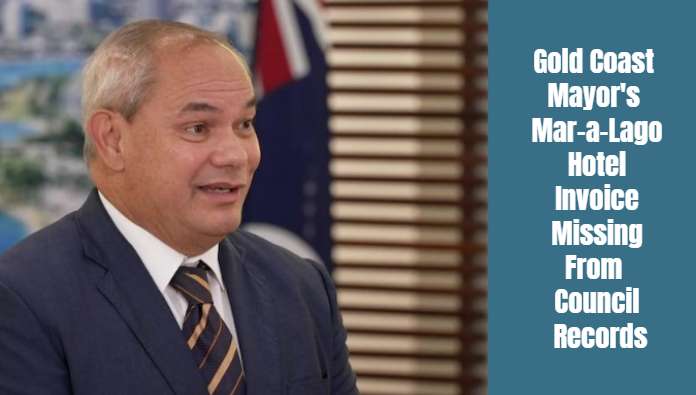
A freedom of information request has revealed that Gold Coast Council does not hold a copy of the invoice for Mayor Tom Tate's three-day stay at Donald...
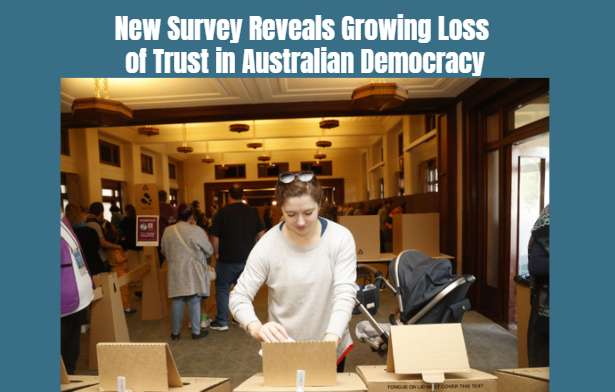
A nationwide survey of 4,000 Australians reveals declining confidence in politicians, growing dissatisfaction with democracy and significant differences...
New figures reveal more than $3 million in government spending on promotional merchandise, including unusual items such as condoms and lollies, raising...
Australia's antisemitism envoy has recommended stronger protest rules, additional visa checks and independent oversight of public broadcasters as part o...
New South Wales has begun accepting firearms under the national gun buyback scheme, but limited appointment availability has created an early challenge...
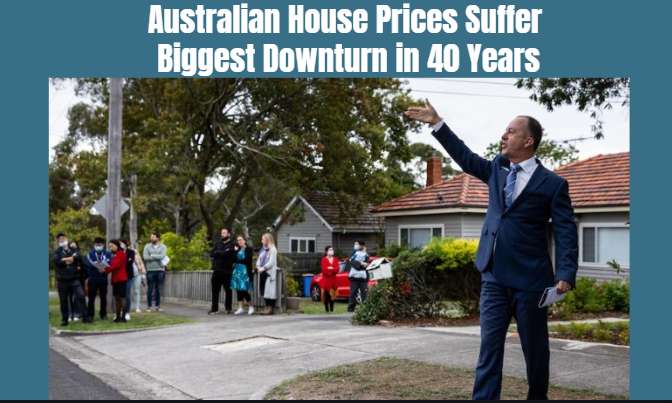
Australian property values have fallen for seven consecutive months, with the national median home value dropping approximately $63,400 since March as h...
Education experts support New South Wales' proposal to replace computer-based NAPLAN writing tests with traditional pen-and-paper examinations for stude...
A psychiatric report presented to South Australia's Supreme Court has raised questions about Tamika Chesser's mental competence in the case involving th...
A freedom of information request has revealed that Gold Coast Council does not hold a copy of the invoice for Mayor Tom Tate's three-day stay at Donald...