Safety note: Admin approval is an initial review, not a guarantee that every detail is correct. Check important or urgent claims with official sources and report anything inaccurate or unsafe.
Source and credit: Contributor's own report
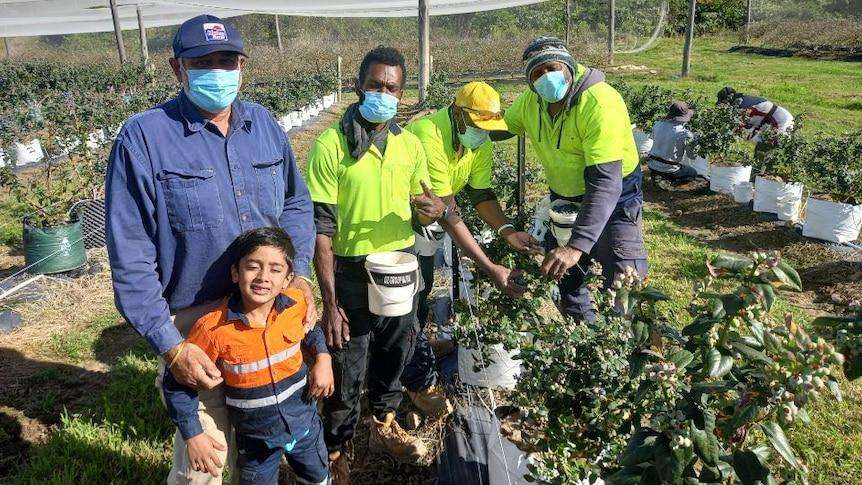
NSW Inquiry Highlights Modern Slavery Risks for Temporary Workers in Coffs Harbour - Coffs Harbour, NSW
Smart summary
A NSW parliamentary inquiry has found evidence of modern slavery risks among temporary migrant workers, with blueberry farms around Coffs Harbour receiving particular attention.
A NSW parliamentary inquiry has highlighted modern slavery risks faced by temporary migrant workers, with agricultural workplaces around Coffs Harbour among the locations receiving particular attention.
The inquiry examined the conditions experienced by temporary migrant workers across New South Wales and considered whether vulnerable workers may be exposed to exploitation, unsafe employment practices and other forms of abuse.
Coffs Harbour and the surrounding Mid North Coast region have attracted particular attention because of the area's agricultural industry. Seasonal workers are commonly employed in farming and horticulture, where businesses can require additional labour during harvesting periods.
The parliamentary inquiry found evidence that some temporary migrant workers can be particularly vulnerable because their employment and immigration circumstances may make it difficult for them to challenge poor working conditions.
Workers who depend on employment for income and visa-related requirements may be reluctant to report problems if they fear losing their job or facing other consequences.
The inquiry's findings highlight the importance of ensuring workers understand their employment rights and have access to appropriate support.
Agriculture is an important part of the wider Coffs Coast economy. Farms in the region produce a range of crops and rely on seasonal labour during busy periods.
While many employers provide legitimate employment opportunities, the inquiry has raised concerns about situations where vulnerable workers may be exposed to exploitation.
Modern slavery can include severe forms of labour exploitation, forced labour and other circumstances where individuals are unable to freely leave abusive employment situations.
The findings are therefore relevant not only to workers but also to agricultural businesses and the wider community.
Authorities and community organisations can play an important role in helping temporary workers understand minimum employment standards and where they can seek assistance if they experience problems.
The inquiry also highlights the importance of responsible labour-hire arrangements. In industries that depend heavily on seasonal workers, multiple layers of contractors and labour-hire businesses can sometimes make employment arrangements difficult for workers to understand.
Greater transparency around wages, working hours, accommodation and deductions can help reduce the risk of exploitation.
For Coffs Harbour, the findings are particularly relevant because the city and surrounding areas have a significant agricultural workforce. Seasonal workers contribute to local businesses and the regional economy, making their working conditions an important community issue.
The report also provides an opportunity for employers to review their practices and ensure workers receive the protections required under Australian law.
For workers, access to information about workplace rights can be critical. Understanding minimum pay, working conditions and avenues for reporting exploitation can help vulnerable employees make informed decisions.
The NSW inquiry's findings are part of a broader national discussion about the treatment of temporary migrant workers and the responsibilities of employers.
The issue is expected to remain important as regional industries continue to rely on temporary workers to meet seasonal labour demands.
For Coffs Harbour residents, the inquiry brings attention to an issue that can otherwise remain largely hidden from the wider community.
This is a new, unique Coffs Harbour-relevant story published on 11 August 2026. I have excluded the Coffs Harbour court listings, property advertisements, older house-fire coverage and duplicate sports reports.
WorkersInquiryCoffsEmploymentTemporary
A NSW parliamentary inquiry has highlighted modern slavery risks faced by temporary migrant workers, with agricultural workplaces around Coffs Harbour among the locations receiving particular attention.
The inquiry examined the conditions experienced by temporary migrant workers across New South Wales and considered whether vulnerable workers may be exposed to exploitation, unsafe employment practices and other forms of abuse.
Coffs Harbour and the surrounding Mid North Coast region have attracted particular attention because of the area's agricultural industry. Seasonal workers are commonly employed in farming and horticulture, where businesses can require additional labour during harvesting periods.
The parliamentary inquiry found evidence that some temporary migrant workers can be particularly vulnerable because their employment and immigration circumstances may make it difficult for them to challenge poor working conditions.
Workers who depend on employment for income and visa-related requirements may be reluctant to report problems if they fear losing their job or facing other consequences.
The inquiry's findings highlight the importance of ensuring workers understand their employment rights and have access to appropriate support.
Agriculture is an important part of the wider Coffs Coast economy. Farms in the region produce a range of crops and rely on seasonal labour during busy periods.
While many employers provide legitimate employment opportunities, the inquiry has raised concerns about situations where vulnerable workers may be exposed to exploitation.
Modern slavery can include severe forms of labour exploitation, forced labour and other circumstances where individuals are unable to freely leave abusive employment situations.
The findings are therefore relevant not only to workers but also to agricultural businesses and the wider community.
Authorities and community organisations can play an important role in helping temporary workers understand minimum employment standards and where they can seek assistance if they experience problems.
The inquiry also highlights the importance of responsible labour-hire arrangements. In industries that depend heavily on seasonal workers, multiple layers of contractors and labour-hire businesses can sometimes make employment arrangements difficult for workers to understand.
Greater transparency around wages, working hours, accommodation and deductions can help reduce the risk of exploitation.
For Coffs Harbour, the findings are particularly relevant because the city and surrounding areas have a significant agricultural workforce. Seasonal workers contribute to local businesses and the regional economy, making their working conditions an important community issue.
The report also provides an opportunity for employers to review their practices and ensure workers receive the protections required under Australian law.
For workers, access to information about workplace rights can be critical. Understanding minimum pay, working conditions and avenues for reporting exploitation can help vulnerable employees make informed decisions.
The NSW inquiry's findings are part of a broader national discussion about the treatment of temporary migrant workers and the responsibilities of employers.
The issue is expected to remain important as regional industries continue to rely on temporary workers to meet seasonal labour demands.
For Coffs Harbour residents, the inquiry brings attention to an issue that can otherwise remain largely hidden from the wider community.
This is a new, unique Coffs Harbour-relevant story published on 11 August 2026. I have excluded the Coffs Harbour court listings, property advertisements, older house-fire coverage and duplicate sports reports.
A fire damaged the Moama Football and Netball Club's social rooms during Saturday's grand final, forcing about 1,000 people to leave the building becaus...
At least 80 positions have been identified for abolition as Tasmania restructures parts of its public service and works toward a broader reduction in go...
A local investor has purchased Brisbane's historic Coorparoo Bowls Club, with both bowling greens set to remain and the clubhouse planned for renovation.
A Bendigo-based migration agent has raised concerns about proposed changes to Australia’s migration system, saying the federal government’s planned reduction in net migration co...
Prime Minister Anthony Albanese has launched Australia's campaign for a two-year seat on the United Nations Security Council while signing a decade-long...
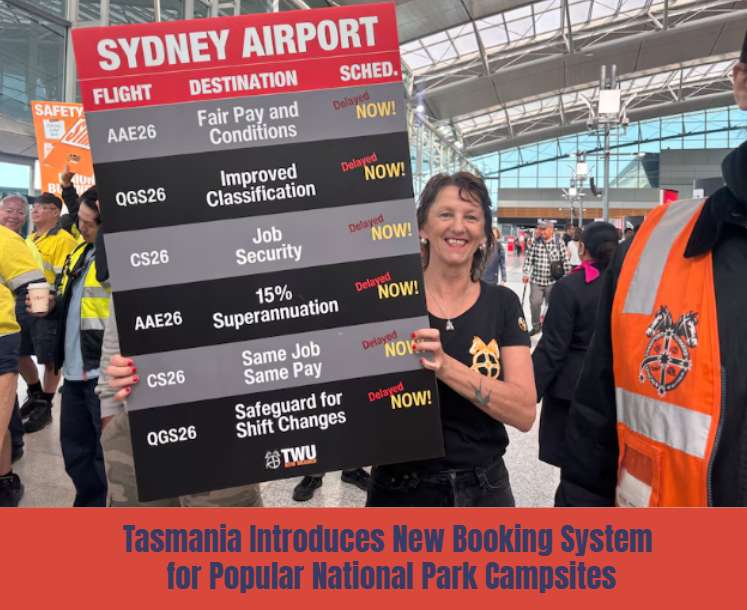
Passengers travelling through Sydney Airport on September 24 are being warned to allow extra time as separate strikes involving airport security and gro...
Two men have been charged after detectives investigating an alleged large-scale drug supply network seized cocaine, methylamphetamine, MDMA and other it...
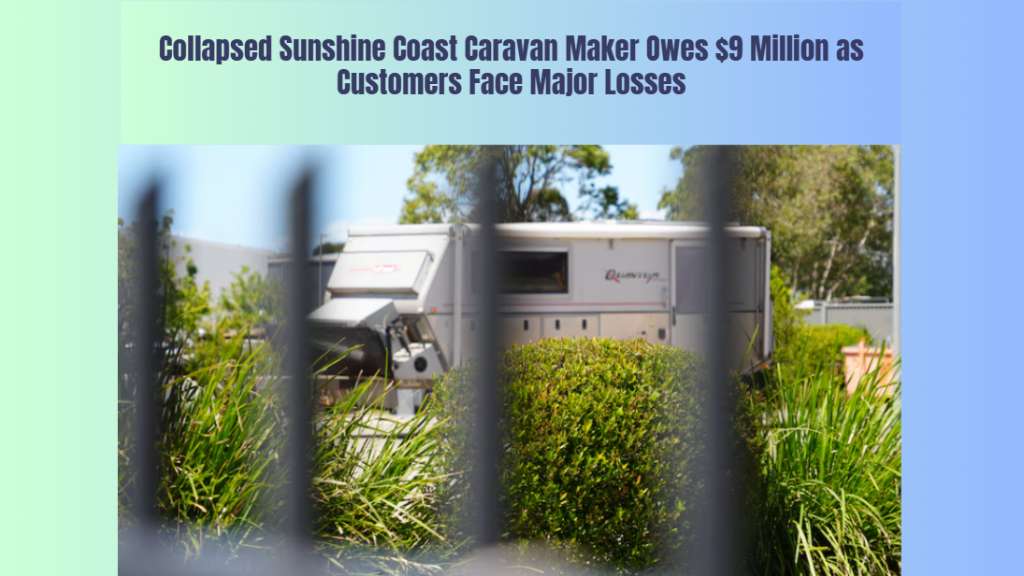
Administrators have revealed Australian Off Road owes about $9 million after the Sunshine Coast caravan manufacturer collapsed, leaving customers, emplo...
A woman has died following a serious three-vehicle collision involving a commercial bus and two cars in Glenburn, in Victoria’s Yarra Ranges, on Thursday, 24 September 2026. Eme...
A woman has died following a serious three-car collision in Leongatha, Victoria, on Wednesday afternoon, 23 September 2026. Emergency services were called to the Strzelecki High...
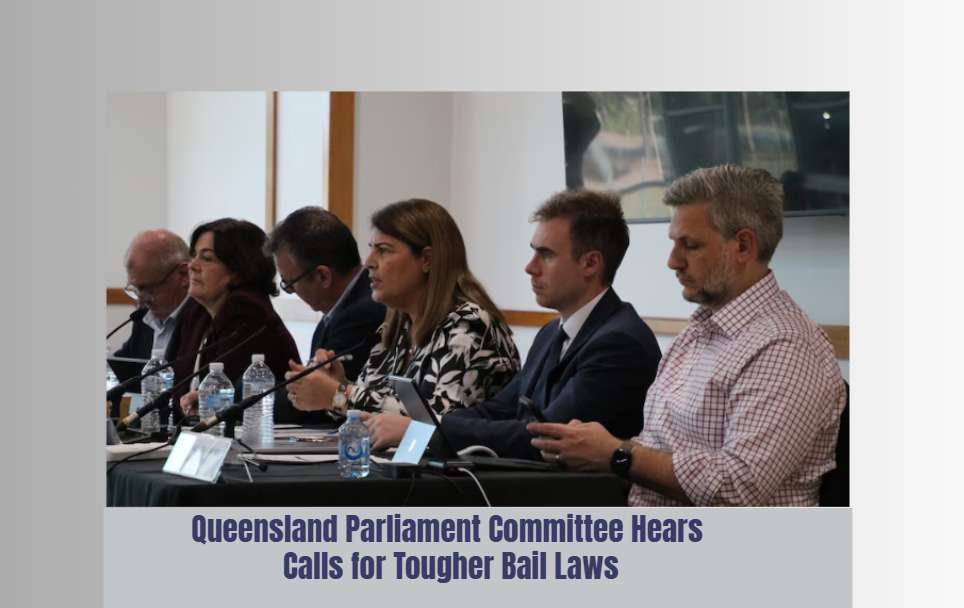
A Queensland parliamentary committee has completed regional hearings on proposed tougher bail laws, hearing from crime victims, legal experts and commun...