Pauline Hanson Questions Military Focus Following Indigenous Weapons Training Exercise
By Neha · Published 15 Jun 2026 · Updated 15 Jun 2026
Canberra, ACT · ACT News
Safety note: Admin approval is an initial review, not a guarantee that every detail is correct. Check important or urgent claims with official sources and report anything inaccurate or unsafe.
Source and credit: Contributor's own report
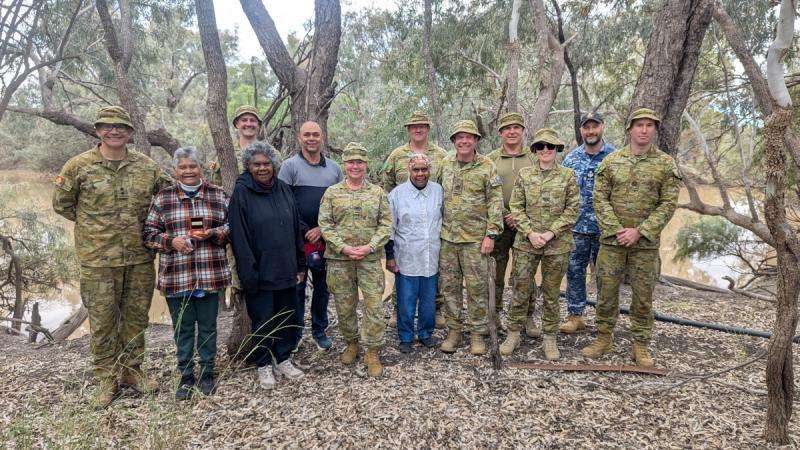
Australian Defence Force personnel in a training environment.
Smart summary
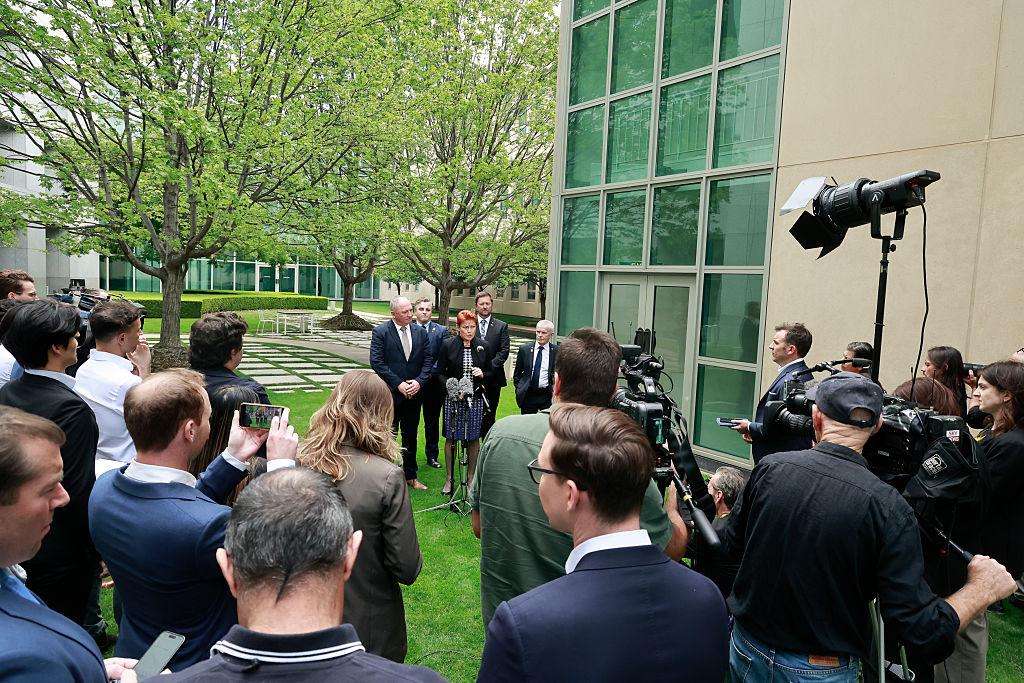
One Nation leader Pauline Hanson has raised concerns regarding the Australian Defence Force's recent engagement in a cultural program involving traditional Aboriginal weapons and history.
One Nation leader Pauline Hanson has criticised an Australian Army cultural training program that involved soldiers learning traditional Indigenous weapon-making techniques, arguing that Defence should focus more heavily on modern military preparedness.
The exercise, known as Exercise Greenskin, was recently conducted in Canberra and formed part of a broader Defence initiative aimed at improving understanding of Aboriginal military history, Indigenous cultural heritage, and the historical connection between local Indigenous communities and Army units.
During the four-day program, participants learned how traditional tools and weapons such as wooden spears, clubs, axes and coolamons were made. Soldiers also took part in cultural education activities and tours conducted in partnership with the Ngunnawal people, the Traditional Custodians of the Canberra region.
Army organisers said the objective was not combat training but rather education and leadership development. Officials involved in the exercise stated that understanding local Indigenous history helps strengthen unit identity and provides greater awareness of Australia's military heritage before European settlement.
Major Samuel White, who oversaw the activity, said the program was designed to give both Indigenous and non-Indigenous service members a deeper appreciation of Aboriginal history and culture. Defence representatives also noted that culturally approved Indigenous artefacts could potentially be displayed or carried for ceremonial and commemorative purposes within military units.
However, Senator Hanson publicly criticised the initiative, arguing that Defence resources should be directed towards modern warfare capabilities such as advanced weapons systems, drones, and combat readiness. She described the exercise as an example of what she considers excessive political correctness within Defence.
Particular attention was drawn to photographs released by Defence showing participants using modern tools while crafting traditional items. Hanson used those images to question the authenticity and value of the activity, while emphasising that her criticism was directed at Defence leadership rather than serving personnel.
The exercise is not a new initiative. Defence has conducted several Exercise Greenskin programs in recent years across different parts of Australia, including northern regions such as Arnhem Land and the Torres Strait. Approximately 60 personnel have participated in the various programs to date.
The debate highlights broader discussions about the role of cultural education within Australia's military forces. Supporters argue that understanding Indigenous history and traditions strengthens leadership, inclusion, and national identity, while critics contend that military training should remain focused primarily on operational and defence capabilities.
Defence Minister Richard Marles had not publicly responded to the criticism at the time of reporting.
DefenceIndigenousExerciseMilitaryCultural
One Nation leader Pauline Hanson has criticised an Australian Army cultural training program that involved soldiers learning traditional Indigenous weapon-making techniques, arguing that Defence should focus more heavily on modern military preparedness.
The exercise, known as Exercise Greenskin, was recently conducted in Canberra and formed part of a broader Defence initiative aimed at improving understanding of Aboriginal military history, Indigenous cultural heritage, and the historical connection between local Indigenous communities and Army units.
During the four-day program, participants learned how traditional tools and weapons such as wooden spears, clubs, axes and coolamons were made. Soldiers also took part in cultural education activities and tours conducted in partnership with the Ngunnawal people, the Traditional Custodians of the Canberra region.
Army organisers said the objective was not combat training but rather education and leadership development. Officials involved in the exercise stated that understanding local Indigenous history helps strengthen unit identity and provides greater awareness of Australia's military heritage before European settlement.
Major Samuel White, who oversaw the activity, said the program was designed to give both Indigenous and non-Indigenous service members a deeper appreciation of Aboriginal history and culture. Defence representatives also noted that culturally approved Indigenous artefacts could potentially be displayed or carried for ceremonial and commemorative purposes within military units.
However, Senator Hanson publicly criticised the initiative, arguing that Defence resources should be directed towards modern warfare capabilities such as advanced weapons systems, drones, and combat readiness. She described the exercise as an example of what she considers excessive political correctness within Defence.
Particular attention was drawn to photographs released by Defence showing participants using modern tools while crafting traditional items. Hanson used those images to question the authenticity and value of the activity, while emphasising that her criticism was directed at Defence leadership rather than serving personnel.
The exercise is not a new initiative. Defence has conducted several Exercise Greenskin programs in recent years across different parts of Australia, including northern regions such as Arnhem Land and the Torres Strait. Approximately 60 personnel have participated in the various programs to date.
The debate highlights broader discussions about the role of cultural education within Australia's military forces. Supporters argue that understanding Indigenous history and traditions strengthens leadership, inclusion, and national identity, while critics contend that military training should remain focused primarily on operational and defence capabilities.
Defence Minister Richard Marles had not publicly responded to the criticism at the time of reporting.
Darwin Northern Territory · Other News · 01 Sep 2026
A scenic hike through Butterfly Gorge in the Northern Territory turned into a frightening experience when a buffalo charged at two hikers. ABC Darwin reported the story today, 1...
Coffs Harbour New South Wales · Other News · 01 Sep 2026
A Safe Work NSW inspection blitz across the Coffs Harbour region has uncovered dozens of workplace-safety issues in the horticulture industry. The operation followed concerns ab...
A major Queensland Government infrastructure investment is set to unlock thousands of new homes across the Fraser Coast, including projects in Maryborough.
ACT Policing has confirmed that 36-year-old Chyvonne Tint has been located safe and well after police appealed to the Canberra community for assistance earlier on Monday, 31 Aug...
Newly released government documents have raised fresh concerns about security and contraband at Canberra’s Alexander Maconochie Centre (AMC), the ACT’s only adult prison. The in...
Australian authorities are continuing an investigation into an international organised-crime network involved in the attempted smuggling of large quantities of illegal tobacco i...
ACT Policing is seeking witnesses following an alleged assault at the City bus interchange on Alinga Street in Canberra earlier this month. Police published the appeal at 2:13pm...
The Federal Government is preparing new measures targeting temporary visas, visa overstayers, international students and visa-hopping, while maintaining...
One Nation’s proposed major reduction in migration has triggered warnings that a sharp cut to population growth could weaken Australia’s economy and cre...
A Canberra woman has become the first person in the ACT whose death has been linked to a highly potent synthetic opioid, prompting renewed concern about...
Canberra’s Commonwealth Park has welcomed visitors for the annual Floriade festival, bringing flowers, entertainment and spring activities to the city.
Cairns Regional Council has unanimously voted to seek $400,000 in Queensland Government funding for a program designed to connect local businesses with the region’s growing film...
An automated external defibrillator and memorial plaque have been installed at Ellery Creek Big Hole following the death of disability advocate Ellen Fr...
Queensland firefighters spent several hours monitoring a significant grass fire at Mary Kinross Park in Bargara, near Bundaberg, after the blaze broke out on Wednesday evening....