Safety note: Admin approval is an initial review, not a guarantee that every detail is correct. Check important or urgent claims with official sources and report anything inaccurate or unsafe.
Source and credit: Contributor's own report
A graphic representation of Australian cost-of-living challenges.
Smart summary
Recent survey data indicates that most Australians believe current Job Seeker payments are inadequate to cover basic living costs, fueling ongoing national debate on welfare adequacy.
A majority of Australians have expressed concerns that the federal government's Job Seeker unemployment payment is insufficient to cover basic living expenses. New polling data suggests that public sentiment is shifting, with many questioning whether the current payment levels allow recipients to manage essential costs such as housing, food, utilities, and transport. Further details may be updated as more information becomes available regarding the specific methodology of this survey.
Job Seeker serves as the primary income-support payment for Australians who are unemployed and actively seeking work. While the government has implemented a series of adjustments to the payment in recent years, welfare advocates maintain that recipients continue to face significant financial hardship. Supporters of an increase argue that current levels leave many individuals below the poverty line, struggling to afford the most basic necessities of life.
Community organisations across the country have reported a surge in demand for emergency relief services, including food assistance and housing support. Housing costs remain a primary concern, as rental prices in many cities and regional centres have risen substantially. Advocates argue that accommodation expenses often consume a disproportionate share of Job Seeker payments, leaving very little for other essential needs.
Beyond immediate living costs, research suggests that financial insecurity can create barriers to re-entering the workforce. Costs associated with job searching—such as transport, internet access, and appropriate clothing—can be prohibitive for those already experiencing economic strain. Advocates contend that increasing support could alleviate these barriers and provide broader economic benefits by boosting local spending.
Conversely, some policymakers and observers argue that welfare settings must continue to prioritise incentives for workforce participation. The challenge for the federal government remains balancing the need for adequate financial assistance with the goal of encouraging individuals to re-enter the labour market. This debate persists against a backdrop of labour shortages in specific sectors and ongoing national cost-of-living pressures.
As the conversation continues, social policy experts suggest that the issue reflects broader questions about the role of the welfare system in modern Australia. With housing, energy, and everyday living costs continuing to dominate national discourse, future federal budgets are expected to face intense scrutiny regarding potential changes to income-support payments. The situation remains a significant point of interest for community groups, economists, and policymakers alike.
A majority of Australians believe the federal government's Job Seeker unemployment payment is insufficient to cover basic living expenses, according to new polling that has reignited debate about welfare adequacy amid ongoing cost-of-living pressures.
The survey found widespread public concern about whether unemployed Australians can meet essential expenses such as housing, food, utilities and transport while relying on Job Seeker payments. The findings come as inflationary pressures and high housing costs continue to affect households across the country.
Job Seeker is the Australian Government's primary income-support payment for people who are unemployed and actively seeking work. While the payment has increased in recent years through a series of government adjustments, welfare advocates argue that recipients continue to face significant financial hardship.
Supporters of an increase say current payment levels leave many Australians below the poverty line and struggling to afford basic necessities. Community organisations report growing demand for emergency relief services, food assistance and housing support from people receiving welfare payments.
Housing costs remain a major concern. In many cities and regional centres, rental prices have risen substantially over the past several years, placing additional pressure on people who depend on government assistance. Welfare groups argue that accommodation costs alone can consume a large proportion of Job Seeker payments, leaving limited funds for other essentials.
Advocates also point to research suggesting that financial insecurity can make it more difficult for people to find employment. Costs associated with job searching, including transport, internet access, suitable clothing and training opportunities, can create additional barriers for those already experiencing economic hardship.
Those supporting higher welfare payments argue that increasing Job Seeker would not only reduce poverty but also provide broader economic benefits by boosting spending in local communities. Economists have noted that low-income households typically spend most of their income on essential goods and services, meaning additional support often flows directly into the economy.
However, opponents of substantial increases argue that welfare settings must maintain incentives for workforce participation. Some policymakers contend that support payments should balance financial assistance with encouragement for people to seek employment and re-enter the labour market as quickly as possible.
The debate comes at a time when Australia continues to experience labour shortages in some sectors while simultaneously facing affordability challenges across housing, energy and everyday living costs.
Governments at both federal and state levels are under pressure to address these issues while managing budget constraints. Social policy experts suggest the discussion reflects broader questions about the role of welfare in modern Australia. As living costs continue to evolve, policymakers face ongoing decisions about how support payments should be adjusted to reflect changing economic conditions.
The issue remains politically significant, with welfare advocates, business groups, economists and community organisations all contributing to the national conversation. Future federal budgets are expected to attract close scrutiny regarding any proposed changes to income-support payments.
For many Australians, the survey results highlight concerns that existing support measures may not adequately reflect current living expenses. As economic pressures persist, debate over the future of Job Seeker is likely to remain a prominent policy issue.
The findings also underscore growing public awareness of the financial challenges faced by unemployed Australians, particularly during a period when housing affordability and cost-of-living pressures continue to dominate national discussion.
CostsWelfareHousingPaymentsSeeker
A majority of Australians have expressed concerns that the federal government's Job Seeker unemployment payment is insufficient to cover basic living expenses. New polling data suggests that public sentiment is shifting, with many questioning whether the current payment levels allow recipients to manage essential costs such as housing, food, utilities, and transport. Further details may be updated as more information becomes available regarding the specific methodology of this survey.
Job Seeker serves as the primary income-support payment for Australians who are unemployed and actively seeking work. While the government has implemented a series of adjustments to the payment in recent years, welfare advocates maintain that recipients continue to face significant financial hardship. Supporters of an increase argue that current levels leave many individuals below the poverty line, struggling to afford the most basic necessities of life.
Community organisations across the country have reported a surge in demand for emergency relief services, including food assistance and housing support. Housing costs remain a primary concern, as rental prices in many cities and regional centres have risen substantially. Advocates argue that accommodation expenses often consume a disproportionate share of Job Seeker payments, leaving very little for other essential needs.
Beyond immediate living costs, research suggests that financial insecurity can create barriers to re-entering the workforce. Costs associated with job searching—such as transport, internet access, and appropriate clothing—can be prohibitive for those already experiencing economic strain. Advocates contend that increasing support could alleviate these barriers and provide broader economic benefits by boosting local spending.
Conversely, some policymakers and observers argue that welfare settings must continue to prioritise incentives for workforce participation. The challenge for the federal government remains balancing the need for adequate financial assistance with the goal of encouraging individuals to re-enter the labour market. This debate persists against a backdrop of labour shortages in specific sectors and ongoing national cost-of-living pressures.
As the conversation continues, social policy experts suggest that the issue reflects broader questions about the role of the welfare system in modern Australia. With housing, energy, and everyday living costs continuing to dominate national discourse, future federal budgets are expected to face intense scrutiny regarding potential changes to income-support payments. The situation remains a significant point of interest for community groups, economists, and policymakers alike.
A majority of Australians believe the federal government's Job Seeker unemployment payment is insufficient to cover basic living expenses, according to new polling that has reignited debate about welfare adequacy amid ongoing cost-of-living pressures.
The survey found widespread public concern about whether unemployed Australians can meet essential expenses such as housing, food, utilities and transport while relying on Job Seeker payments. The findings come as inflationary pressures and high housing costs continue to affect households across the country.
Job Seeker is the Australian Government's primary income-support payment for people who are unemployed and actively seeking work. While the payment has increased in recent years through a series of government adjustments, welfare advocates argue that recipients continue to face significant financial hardship.
Supporters of an increase say current payment levels leave many Australians below the poverty line and struggling to afford basic necessities. Community organisations report growing demand for emergency relief services, food assistance and housing support from people receiving welfare payments.
Housing costs remain a major concern. In many cities and regional centres, rental prices have risen substantially over the past several years, placing additional pressure on people who depend on government assistance. Welfare groups argue that accommodation costs alone can consume a large proportion of Job Seeker payments, leaving limited funds for other essentials.
Advocates also point to research suggesting that financial insecurity can make it more difficult for people to find employment. Costs associated with job searching, including transport, internet access, suitable clothing and training opportunities, can create additional barriers for those already experiencing economic hardship.
Those supporting higher welfare payments argue that increasing Job Seeker would not only reduce poverty but also provide broader economic benefits by boosting spending in local communities. Economists have noted that low-income households typically spend most of their income on essential goods and services, meaning additional support often flows directly into the economy.
However, opponents of substantial increases argue that welfare settings must maintain incentives for workforce participation. Some policymakers contend that support payments should balance financial assistance with encouragement for people to seek employment and re-enter the labour market as quickly as possible.
The debate comes at a time when Australia continues to experience labour shortages in some sectors while simultaneously facing affordability challenges across housing, energy and everyday living costs.
Governments at both federal and state levels are under pressure to address these issues while managing budget constraints. Social policy experts suggest the discussion reflects broader questions about the role of welfare in modern Australia. As living costs continue to evolve, policymakers face ongoing decisions about how support payments should be adjusted to reflect changing economic conditions.
The issue remains politically significant, with welfare advocates, business groups, economists and community organisations all contributing to the national conversation. Future federal budgets are expected to attract close scrutiny regarding any proposed changes to income-support payments.
For many Australians, the survey results highlight concerns that existing support measures may not adequately reflect current living expenses. As economic pressures persist, debate over the future of Job Seeker is likely to remain a prominent policy issue.
The findings also underscore growing public awareness of the financial challenges faced by unemployed Australians, particularly during a period when housing affordability and cost-of-living pressures continue to dominate national discussion.
The Federal Government is preparing new measures targeting temporary visas, visa overstayers, international students and visa-hopping, while maintaining...
One Nation’s proposed major reduction in migration has triggered warnings that a sharp cut to population growth could weaken Australia’s economy and cre...
ACT Policing has confirmed that 36-year-old Chyvonne Tint has been located safe and well after police appealed to the Canberra community for assistance earlier on Monday, 31 Aug...
Newly released government documents have raised fresh concerns about security and contraband at Canberra’s Alexander Maconochie Centre (AMC), the ACT’s only adult prison. The in...
Australian authorities are continuing an investigation into an international organised-crime network involved in the attempted smuggling of large quantities of illegal tobacco i...
ACT Policing is seeking witnesses following an alleged assault at the City bus interchange on Alinga Street in Canberra earlier this month. Police published the appeal at 2:13pm...
The Federal Government is preparing new measures targeting temporary visas, visa overstayers, international students and visa-hopping, while maintaining...
One Nation’s proposed major reduction in migration has triggered warnings that a sharp cut to population growth could weaken Australia’s economy and cre...
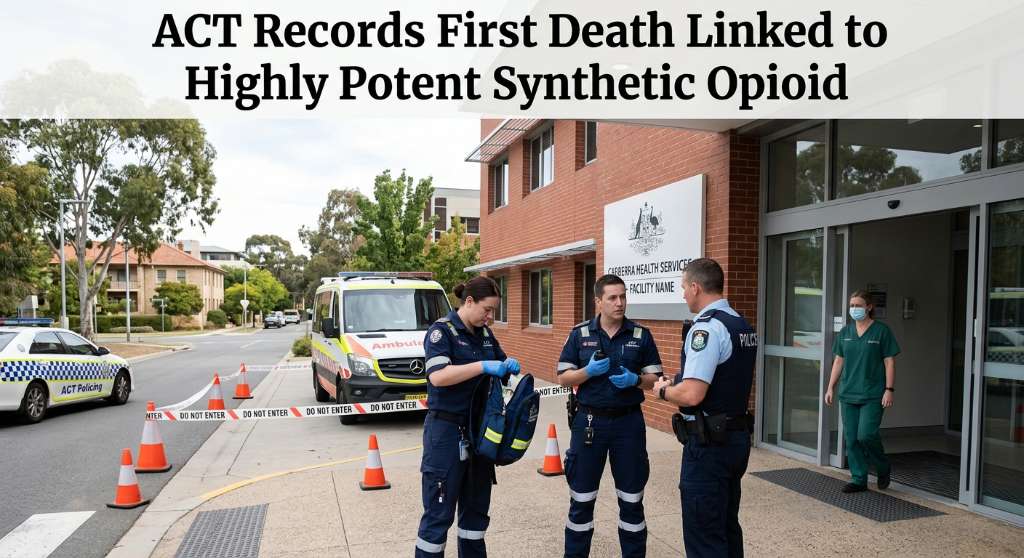
A Canberra woman has become the first person in the ACT whose death has been linked to a highly potent synthetic opioid, prompting renewed concern about...
Canberra’s Commonwealth Park has welcomed visitors for the annual Floriade festival, bringing flowers, entertainment and spring activities to the city.
Cairns Regional Council has unanimously voted to seek $400,000 in Queensland Government funding for a program designed to connect local businesses with the region’s growing film...
An automated external defibrillator and memorial plaque have been installed at Ellery Creek Big Hole following the death of disability advocate Ellen Fr...
Queensland firefighters spent several hours monitoring a significant grass fire at Mary Kinross Park in Bargara, near Bundaberg, after the blaze broke out on Wednesday evening....