Safety note: Admin approval is an initial review, not a guarantee that every detail is correct. Check important or urgent claims with official sources and report anything inaccurate or unsafe.
Source and credit: Contributor's own report
Ventolin Nebules shortage leaves Australian asthma patients struggling to access vital medication - Canberra, ACT
Smart summary
A nationwide shortage of Ventolin Nebules is affecting asthma and respiratory patients across Australia, with pharmacists warning supplies may remain limited for several months as demand rises during the winter respir...
Australians living with asthma and other chronic respiratory conditions are facing growing difficulties accessing Ventolin Nebules, as a nationwide shortage continues to affect pharmacies during one of the busiest periods for respiratory illnesses.
Ventolin Nebules contain salbutamol, a fast-acting medication delivered through a nebuliser to help open the airways during asthma attacks and severe breathing difficulties. The treatment is commonly used by children, elderly patients and people experiencing acute asthma episodes or respiratory illnesses such as respiratory syncytial virus (RSV).
Pharmacists across Australia have reported increasing difficulty obtaining supplies of the medication, forcing many patients to visit multiple pharmacies before finding available stock. Some healthcare providers have also been required to consider alternative treatment options where appropriate.
According to pharmacists, the shortage has been driven by a combination of manufacturing supply constraints and unusually high seasonal demand. Australia has experienced a significant increase in respiratory infections this winter, including RSV, influenza and COVID-19, leading to greater demand for asthma medications and emergency respiratory treatments.
The Therapeutic Goods Administration (TGA) has listed Ventolin Nebules as being in short supply and is working with the manufacturer and healthcare providers to manage supplies while new stock is distributed. Authorities expect intermittent shortages to continue until manufacturing and supply chains return to normal.
Health professionals are encouraging patients not to stockpile the medication, warning that unnecessary purchasing can worsen shortages for people who urgently need treatment. Pharmacists say most patients who use Ventolin Nebules regularly should continue speaking with their doctor or pharmacist before making any changes to their treatment plan.
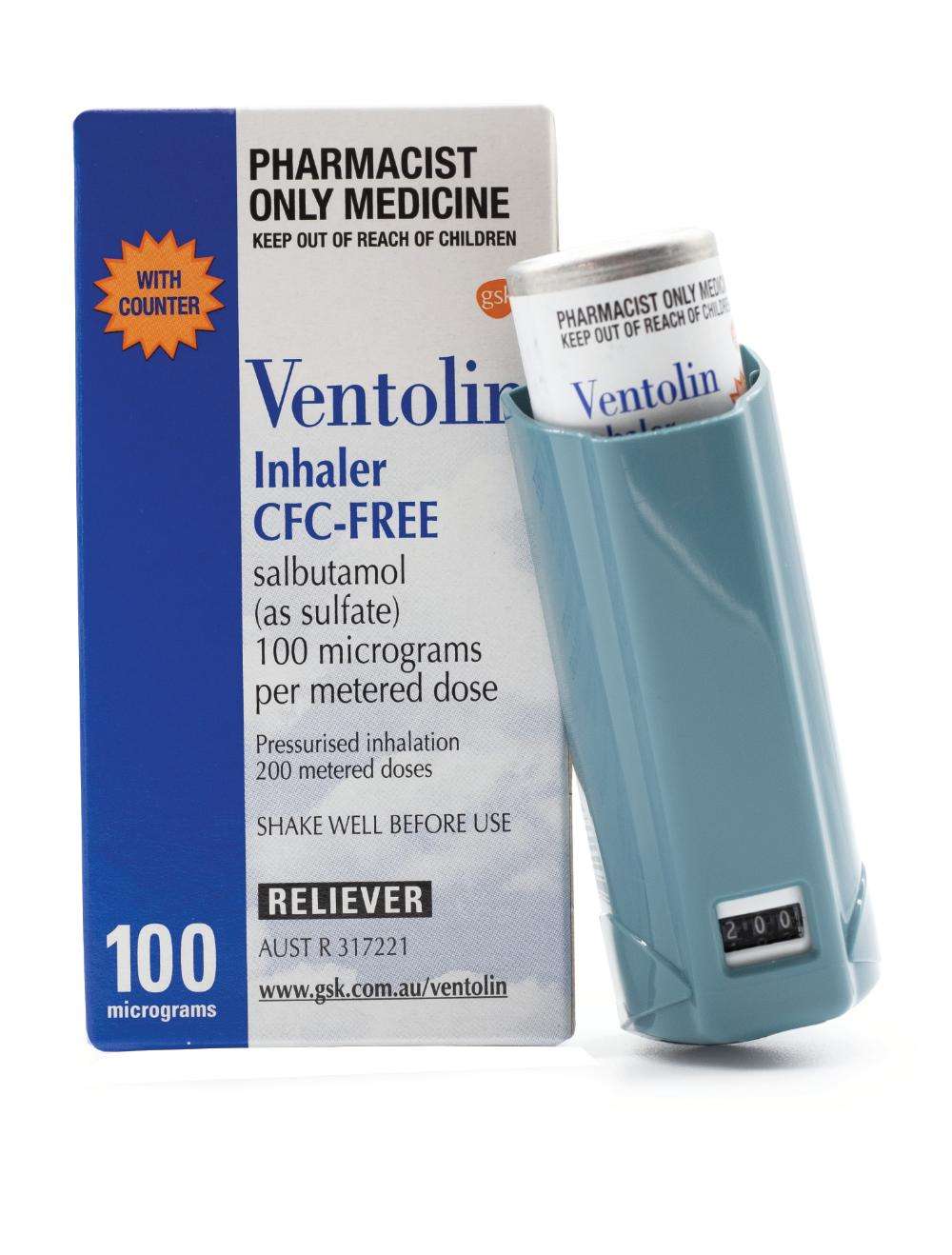
For many patients, Ventolin inhalers remain available and may be suitable as an alternative depending on individual medical circumstances. However, healthcare professionals stress that patients should only change medications after receiving medical advice, as nebulised therapy may still be necessary for some people, particularly young children or those experiencing severe asthma attacks.
The National Asthma Council Australia has reminded people with asthma to ensure they have an up-to-date asthma action plan and to monitor symptoms closely during the winter virus season. Early treatment of worsening symptoms and regular use of prescribed preventer medications can help reduce the risk of serious asthma attacks.
Medical experts also recommend practising good hygiene, staying home when unwell and keeping vaccinations up to date to reduce the spread of respiratory viruses that can trigger asthma flare-ups.
Pharmacy groups are continuing to work with suppliers to distribute available stock as fairly as possible across Australia. In some areas, pharmacists have implemented limits on the number of packs supplied to each customer to ensure medicines remain available for patients with immediate clinical needs.
The TGA continues to monitor the shortage and publish updates on expected supply dates. Patients who are unable to obtain Ventolin Nebules are encouraged to speak with their pharmacist or healthcare provider about suitable alternatives and to seek urgent medical attention if they experience severe breathing difficulties or symptoms that do not improve with treatment.
Authorities expect supply to gradually improve as additional shipments arrive, but pharmacists say demand is likely to remain high while winter respiratory illnesses continue circulating throughout Australia.
AsthmaPatientsRespiratoryVentolinNebules
Australians living with asthma and other chronic respiratory conditions are facing growing difficulties accessing Ventolin Nebules, as a nationwide shortage continues to affect pharmacies during one of the busiest periods for respiratory illnesses.
Ventolin Nebules contain salbutamol, a fast-acting medication delivered through a nebuliser to help open the airways during asthma attacks and severe breathing difficulties. The treatment is commonly used by children, elderly patients and people experiencing acute asthma episodes or respiratory illnesses such as respiratory syncytial virus (RSV).
Pharmacists across Australia have reported increasing difficulty obtaining supplies of the medication, forcing many patients to visit multiple pharmacies before finding available stock. Some healthcare providers have also been required to consider alternative treatment options where appropriate.
According to pharmacists, the shortage has been driven by a combination of manufacturing supply constraints and unusually high seasonal demand. Australia has experienced a significant increase in respiratory infections this winter, including RSV, influenza and COVID-19, leading to greater demand for asthma medications and emergency respiratory treatments.
The Therapeutic Goods Administration (TGA) has listed Ventolin Nebules as being in short supply and is working with the manufacturer and healthcare providers to manage supplies while new stock is distributed. Authorities expect intermittent shortages to continue until manufacturing and supply chains return to normal.
Health professionals are encouraging patients not to stockpile the medication, warning that unnecessary purchasing can worsen shortages for people who urgently need treatment. Pharmacists say most patients who use Ventolin Nebules regularly should continue speaking with their doctor or pharmacist before making any changes to their treatment plan.
For many patients, Ventolin inhalers remain available and may be suitable as an alternative depending on individual medical circumstances. However, healthcare professionals stress that patients should only change medications after receiving medical advice, as nebulised therapy may still be necessary for some people, particularly young children or those experiencing severe asthma attacks.
The National Asthma Council Australia has reminded people with asthma to ensure they have an up-to-date asthma action plan and to monitor symptoms closely during the winter virus season. Early treatment of worsening symptoms and regular use of prescribed preventer medications can help reduce the risk of serious asthma attacks.
Medical experts also recommend practising good hygiene, staying home when unwell and keeping vaccinations up to date to reduce the spread of respiratory viruses that can trigger asthma flare-ups.
Pharmacy groups are continuing to work with suppliers to distribute available stock as fairly as possible across Australia. In some areas, pharmacists have implemented limits on the number of packs supplied to each customer to ensure medicines remain available for patients with immediate clinical needs.
The TGA continues to monitor the shortage and publish updates on expected supply dates. Patients who are unable to obtain Ventolin Nebules are encouraged to speak with their pharmacist or healthcare provider about suitable alternatives and to seek urgent medical attention if they experience severe breathing difficulties or symptoms that do not improve with treatment.
Authorities expect supply to gradually improve as additional shipments arrive, but pharmacists say demand is likely to remain high while winter respiratory illnesses continue circulating throughout Australia.
New funding from local charity Wishlist is improving communication support for patients at Bundaberg Hospital, with resources designed to help people communicate more effectivel...
New figures have renewed concerns about emergency department delays at Royal Hobart Hospital, with the health system facing questions over patient waiti...
Central Coast New South Wales · Health News · 10 Sep 2026
The design for new Key Health Worker Accommodation at Wyong has been released today, with the project aimed at helping address the need for suitable accommodation for healthcare...
The Federal Government is preparing new measures targeting temporary visas, visa overstayers, international students and visa-hopping, while maintaining...
One Nation’s proposed major reduction in migration has triggered warnings that a sharp cut to population growth could weaken Australia’s economy and cre...
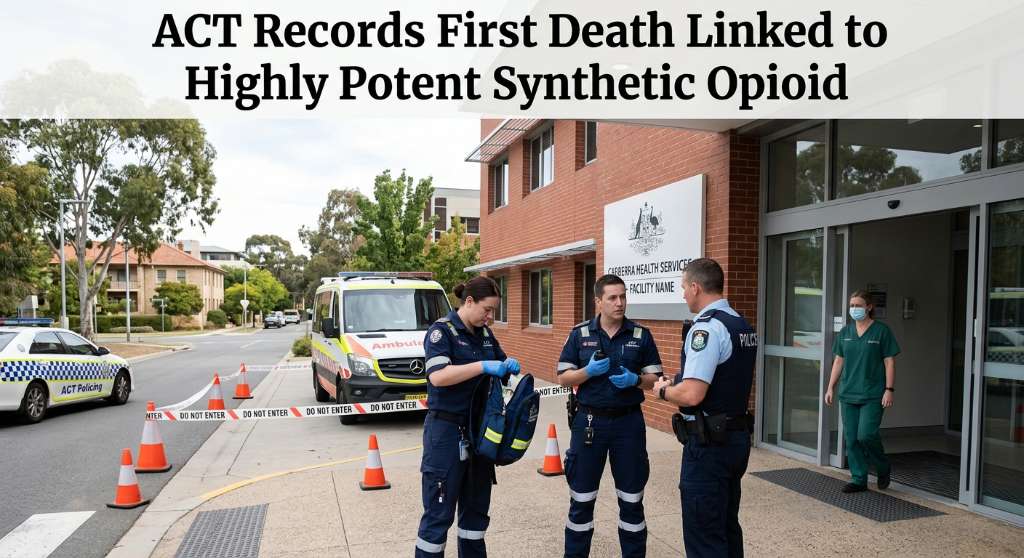
A Canberra woman has become the first person in the ACT whose death has been linked to a highly potent synthetic opioid, prompting renewed concern about...
Canberra’s Commonwealth Park has welcomed visitors for the annual Floriade festival, bringing flowers, entertainment and spring activities to the city.
Cairns Regional Council has unanimously voted to seek $400,000 in Queensland Government funding for a program designed to connect local businesses with the region’s growing film...
An automated external defibrillator and memorial plaque have been installed at Ellery Creek Big Hole following the death of disability advocate Ellen Fr...
Queensland firefighters spent several hours monitoring a significant grass fire at Mary Kinross Park in Bargara, near Bundaberg, after the blaze broke out on Wednesday evening....