Qantas and Virgin Australia Shares Surge as Oil Prices Fall
By Chloe · Published 03 Nov 2026 · Updated 03 Nov 2026
Sydney, NSW · New South Wales News
Safety note: Admin approval is an initial review, not a guarantee that every detail is correct. Check important or urgent claims with official sources and report anything inaccurate or unsafe.
Source and credit: Contributor's own report
Qantas and Virgin Australia Shares Surge as Oil Prices Fall - Sydney, NSW
Smart summary
Australian airline stocks have recorded strong gains after a sharp fall in oil prices, raising hopes of lower fuel expenses and improved financial conditions for the aviation industry.
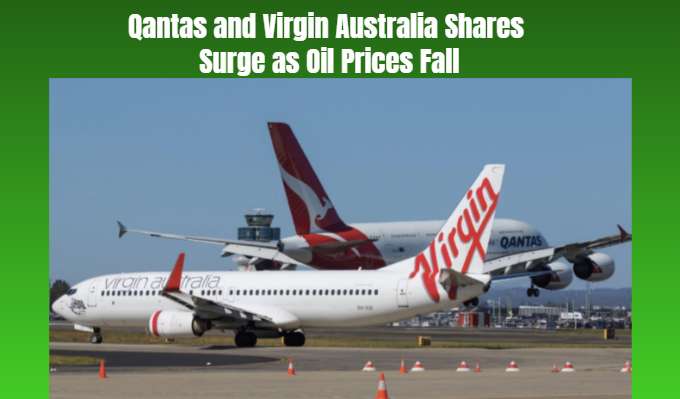
Shares in Australia's major airlines, including Qantas Airways and Virgin Australia, rose sharply on Tuesday, 3 November 2026, following a significant decline in global oil prices. The development attracted attention from investors because aviation companies spend a substantial amount of money on fuel to operate their domestic and international flights.
According to financial market reporting, Qantas and Virgin Australia shares benefited from improved investor sentiment as the cost of oil declined. Lower oil prices can reduce operating expenses for airlines, particularly when fuel represents a significant part of their overall expenditure.
Aviation fuel is one of the largest costs for commercial airlines. Companies must purchase large quantities of fuel to operate passenger aircraft, transport cargo and maintain regular flight schedules. When oil prices increase, airlines can experience considerable financial pressure. However, when prices fall, the industry may receive some relief.
Qantas operates an extensive domestic and international network, connecting Australian cities with major destinations around the world. Virgin Australia is another important competitor in the Australian aviation market, providing domestic passenger services and selected international connections.
Both airlines have faced changing economic conditions, including fuel-price movements, competition, aircraft operating expenses and fluctuations in passenger demand.
The latest market movement comes at a time when Australian households are also dealing with increased living expenses and economic uncertainty. Investors are closely monitoring developments in global energy markets because changes in fuel prices can influence several industries, including aviation, transport, logistics and manufacturing.
A reduction in oil prices could provide airlines with an opportunity to improve their operating margins. However, the financial benefit does not necessarily happen immediately. Airlines often use fuel-hedging arrangements, which allow them to manage future fuel costs and reduce exposure to sudden price changes. These agreements can delay the impact of lower market prices on actual operating expenses.
There are also other factors that determine airline profitability. Passenger numbers, ticket prices, international travel demand, aircraft maintenance, labour expenses and currency movements all influence the financial performance of aviation businesses.
For travellers, lower oil prices do not automatically mean cheaper airline tickets. Airlines consider several expenses when setting fares, and ticket prices are also influenced by seasonal demand, competition and available seats.
Investors will continue watching oil-market developments and company announcements to determine whether the latest improvement in airline share prices can be sustained.
The rise in Qantas and Virgin Australia shares highlights how closely Australia's aviation sector is connected to international energy markets. If oil prices remain lower, airlines could receive additional financial relief, although the longer-term effect will depend on broader economic and industry conditions.
The latest development is an important movement in Australia's stock market and provides a fresh indication of how global energy prices can influence major Australian businesses.
PricesAirlinesAviationExpensesFuel
Shares in Australia's major airlines, including Qantas Airways and Virgin Australia, rose sharply on Tuesday, 3 November 2026, following a significant decline in global oil prices. The development attracted attention from investors because aviation companies spend a substantial amount of money on fuel to operate their domestic and international flights.
According to financial market reporting, Qantas and Virgin Australia shares benefited from improved investor sentiment as the cost of oil declined. Lower oil prices can reduce operating expenses for airlines, particularly when fuel represents a significant part of their overall expenditure.
Aviation fuel is one of the largest costs for commercial airlines. Companies must purchase large quantities of fuel to operate passenger aircraft, transport cargo and maintain regular flight schedules. When oil prices increase, airlines can experience considerable financial pressure. However, when prices fall, the industry may receive some relief.
Qantas operates an extensive domestic and international network, connecting Australian cities with major destinations around the world. Virgin Australia is another important competitor in the Australian aviation market, providing domestic passenger services and selected international connections.
Both airlines have faced changing economic conditions, including fuel-price movements, competition, aircraft operating expenses and fluctuations in passenger demand.
The latest market movement comes at a time when Australian households are also dealing with increased living expenses and economic uncertainty. Investors are closely monitoring developments in global energy markets because changes in fuel prices can influence several industries, including aviation, transport, logistics and manufacturing.
A reduction in oil prices could provide airlines with an opportunity to improve their operating margins. However, the financial benefit does not necessarily happen immediately. Airlines often use fuel-hedging arrangements, which allow them to manage future fuel costs and reduce exposure to sudden price changes. These agreements can delay the impact of lower market prices on actual operating expenses.
There are also other factors that determine airline profitability. Passenger numbers, ticket prices, international travel demand, aircraft maintenance, labour expenses and currency movements all influence the financial performance of aviation businesses.
For travellers, lower oil prices do not automatically mean cheaper airline tickets. Airlines consider several expenses when setting fares, and ticket prices are also influenced by seasonal demand, competition and available seats.
Investors will continue watching oil-market developments and company announcements to determine whether the latest improvement in airline share prices can be sustained.
The rise in Qantas and Virgin Australia shares highlights how closely Australia's aviation sector is connected to international energy markets. If oil prices remain lower, airlines could receive additional financial relief, although the longer-term effect will depend on broader economic and industry conditions.
The latest development is an important movement in Australia's stock market and provides a fresh indication of how global energy prices can influence major Australian businesses.
A fresh warning from Australia’s superannuation regulator has raised concerns about complaints and service problems across the retirement savings industry.
The Reserve Bank of Australia has increased the official cash rate by 0.25 percentage points, adding pressure on mortgage holders and businesses facing...
Australia's iconic department store retailer David Jones is facing renewed financial scrutiny amid concerns about its business outlook, while its lender...
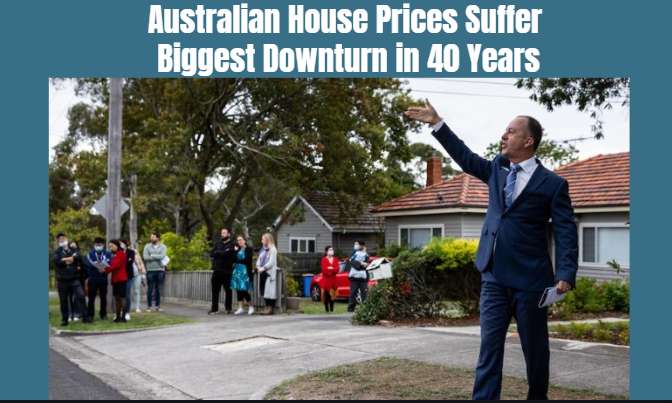
Australian property values have fallen for seven consecutive months, with the national median home value dropping approximately $63,400 since March as h...
Professional Footballers Australia has launched Supreme Court proceedings over how revenue from national-team commercial deals is shared with Socceroos...
The Reserve Bank of Australia has increased the official cash rate by 0.25 percentage points, adding pressure on mortgage holders and businesses facing...
Police have charged two boys, aged 13 and 15, following investigations into alleged break-ins at a service station and fast-food restaurant in Orange, N...
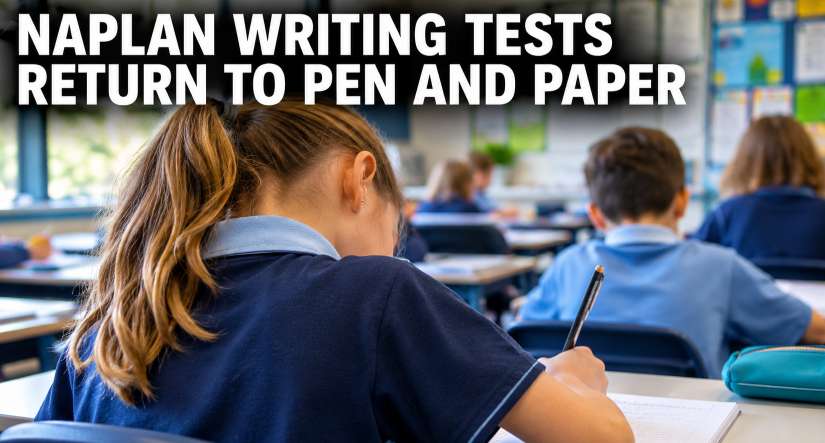
Australian education ministers have agreed to bring back handwritten Year 5 NAPLAN writing tests, responding to concerns about excessive classroom scree...
New training technology at Mount Isa TAFE is giving students the opportunity to experience mining, construction and transport machinery before entering...
A fresh warning from Australia’s superannuation regulator has raised concerns about complaints and service problems across the retirement savings industry.
Western Australian Women's Interests Minister Simone McGurk says online threats and abusive messages directed at female politicians remain widespread, d...
A new report has highlighted a growing healthcare funding gap between regional and metropolitan Australia, raising concerns about access to specialist t...