Reserve Bank Raises Interest Rates to 4.85 Per Cent, Highest Level in 18 Years
By Chloe · Published 03 Nov 2026 · Updated 03 Nov 2026
Sydney, NSW · New South Wales News
Safety note: Admin approval is an initial review, not a guarantee that every detail is correct. Check important or urgent claims with official sources and report anything inaccurate or unsafe.
Source and credit: Contributor's own report
Smart summary
The Reserve Bank of Australia has increased the official cash rate by 0.25 percentage points, adding pressure on mortgage holders and businesses facing higher borrowing costs.
The Reserve Bank of Australia (RBA) has raised the official cash rate by 0.25 percentage points to 4.85 per cent, marking its fifth interest rate increase in 2026 and taking borrowing costs to their highest level in 18 years.
The decision was announced on Tuesday, 3 November 2026, following the Reserve Bank's monetary policy meeting. The increase is expected to affect households, businesses and borrowers across the country.
For homeowners with variable-rate mortgages, the decision could mean higher monthly repayments if their lenders pass on the full increase. People with fixed-rate loans will generally not experience an immediate change, although their repayments may be affected when their fixed-rate periods end.
The rate increase also creates additional pressure for Australians who are already managing rising household expenses, including groceries, electricity, transport and housing costs.
Small businesses may also face higher financing expenses. Companies that depend on loans to purchase equipment, expand operations or manage cash flow could find borrowing more expensive.
The Reserve Bank uses interest rates as a tool to manage inflation and influence economic activity. Increasing the cash rate generally makes borrowing more expensive and encourages households and businesses to reduce spending. This can help ease demand and, over time, reduce inflationary pressure.
However, higher rates can also slow economic growth. Households may have less money available for discretionary spending, while businesses could reconsider investment and expansion plans.
The November decision followed concerns about persistent inflationary pressure. The RBA's announcement reflects its assessment that monetary policy needs to remain restrictive to bring inflation under control.
Financial markets and economists had been closely watching the meeting, with expectations of another increase building before the announcement.
Borrowers are being encouraged to review their household budgets and contact their lenders to understand how the rate change could affect their repayments. Comparing loan products and discussing repayment options may also help households manage the additional costs.
The full impact will depend on how individual banks respond and how quickly the higher rate is passed on to customers.
The decision is an important development for Australia's economy as households, businesses and financial markets adjust to another increase in borrowing costs.
IncreaseRateBusinessesHouseholdsAlso
The Reserve Bank of Australia (RBA) has raised the official cash rate by 0.25 percentage points to 4.85 per cent, marking its fifth interest rate increase in 2026 and taking borrowing costs to their highest level in 18 years.
The decision was announced on Tuesday, 3 November 2026, following the Reserve Bank's monetary policy meeting. The increase is expected to affect households, businesses and borrowers across the country.
For homeowners with variable-rate mortgages, the decision could mean higher monthly repayments if their lenders pass on the full increase. People with fixed-rate loans will generally not experience an immediate change, although their repayments may be affected when their fixed-rate periods end.
The rate increase also creates additional pressure for Australians who are already managing rising household expenses, including groceries, electricity, transport and housing costs.
Small businesses may also face higher financing expenses. Companies that depend on loans to purchase equipment, expand operations or manage cash flow could find borrowing more expensive.
The Reserve Bank uses interest rates as a tool to manage inflation and influence economic activity. Increasing the cash rate generally makes borrowing more expensive and encourages households and businesses to reduce spending. This can help ease demand and, over time, reduce inflationary pressure.
However, higher rates can also slow economic growth. Households may have less money available for discretionary spending, while businesses could reconsider investment and expansion plans.
The November decision followed concerns about persistent inflationary pressure. The RBA's announcement reflects its assessment that monetary policy needs to remain restrictive to bring inflation under control.
Financial markets and economists had been closely watching the meeting, with expectations of another increase building before the announcement.
Borrowers are being encouraged to review their household budgets and contact their lenders to understand how the rate change could affect their repayments. Comparing loan products and discussing repayment options may also help households manage the additional costs.
The full impact will depend on how individual banks respond and how quickly the higher rate is passed on to customers.
The decision is an important development for Australia's economy as households, businesses and financial markets adjust to another increase in borrowing costs.
A fresh warning from Australia’s superannuation regulator has raised concerns about complaints and service problems across the retirement savings industry.
Australia's iconic department store retailer David Jones is facing renewed financial scrutiny amid concerns about its business outlook, while its lender...
Australian airline stocks have recorded strong gains after a sharp fall in oil prices, raising hopes of lower fuel expenses and improved financial condi...
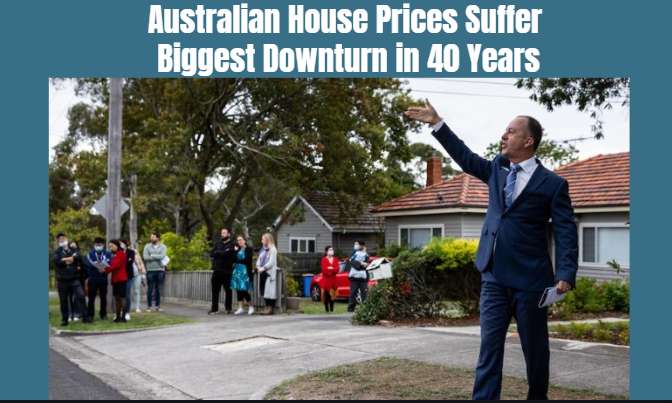
Australian property values have fallen for seven consecutive months, with the national median home value dropping approximately $63,400 since March as h...
Professional Footballers Australia has launched Supreme Court proceedings over how revenue from national-team commercial deals is shared with Socceroos...
Police have charged two boys, aged 13 and 15, following investigations into alleged break-ins at a service station and fast-food restaurant in Orange, N...
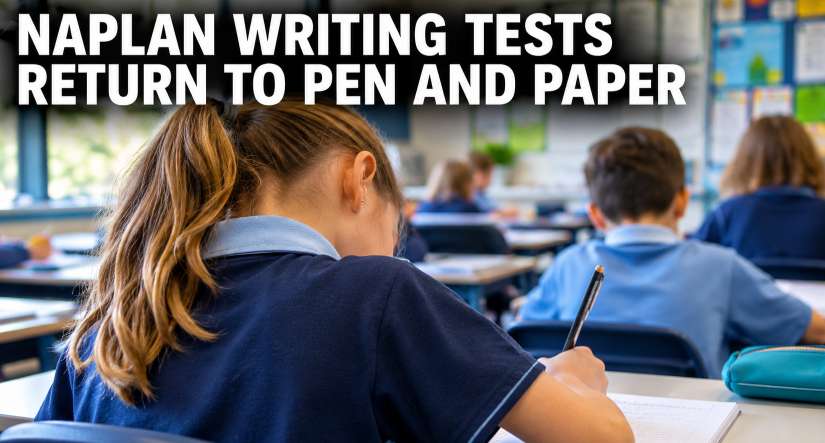
Australian education ministers have agreed to bring back handwritten Year 5 NAPLAN writing tests, responding to concerns about excessive classroom scree...
Australian airline stocks have recorded strong gains after a sharp fall in oil prices, raising hopes of lower fuel expenses and improved financial condi...
New training technology at Mount Isa TAFE is giving students the opportunity to experience mining, construction and transport machinery before entering...
A fresh warning from Australia’s superannuation regulator has raised concerns about complaints and service problems across the retirement savings industry.
Western Australian Women's Interests Minister Simone McGurk says online threats and abusive messages directed at female politicians remain widespread, d...
A new report has highlighted a growing healthcare funding gap between regional and metropolitan Australia, raising concerns about access to specialist t...