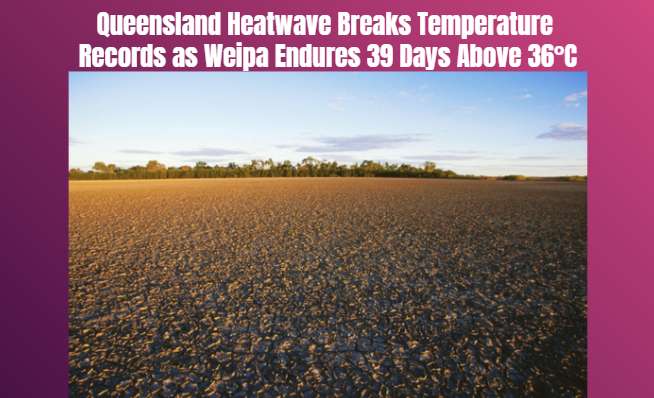
Queensland Heatwave Breaks Temperature Records as Weipa Endures 39 Days Above 36°C
By Chloe · Published 14 Nov 2026 · Updated 14 Nov 2026
Weipa, QLD
Safety note: Admin approval is an initial review, not a guarantee that every detail is correct. Check important or urgent claims with official sources and report anything inaccurate or unsafe.
Source and credit: Contributor's own report
Queensland Heatwave Breaks Temperature Records as Weipa Endures 39 Days Above 36°C - Weipa, QLD
Smart summary
Far North Queensland continues to experience extreme temperatures, with Weipa recording its hottest November day and communities facing water shortages as the heatwave enters its fourth week.
A prolonged heatwave across Far North Queensland has pushed temperatures to exceptional levels, with the town of Weipa experiencing 39 consecutive days above 36 degrees Celsius. The continuing hot conditions have created challenges for residents, local businesses, animal shelters and remote communities across the Cape York Peninsula.
According to reporting published by ABC News on Saturday, 14 November 2026, the heatwave has continued for several weeks, with temperatures remaining unusually high throughout the region.
Weipa has recorded its highest-ever November temperature of 39.9 degrees Celsius. The record was reached on Tuesday, adding to a series of unusually hot days experienced during the current weather event.
The heatwave has affected residents who are accustomed to tropical weather but have struggled with the prolonged period of high temperatures. Some locals have described the conditions as relentless, with little opportunity for cooler weather.
Local businesses have also experienced changes in daily operations. A bakery owner in Weipa reported increased demand for bottled water and cold drinks as customers looked for ways to stay hydrated. The extreme temperatures have even affected baking operations, with bread dough rising considerably faster than usual.
Animal welfare organisations have also adjusted their activities to protect animals from the heat. The Cape Animal Protection Shelter has changed its opening hours to reduce exposure for dogs and volunteers.
Staff and volunteers have introduced additional cooling measures, including frozen treats and regularly refreshed drinking water. Maintaining comfortable conditions for animals has become more challenging because water containers can quickly become warm in the extreme temperatures.
The situation is particularly concerning in several Indigenous communities near the northern tip of Cape York. Residents of Bamaga, Injinoo, Umagico, Seisia and New Mapoon have been dealing with scheduled overnight water outages.
The Northern Peninsula Area Regional Council has introduced water restrictions, including shutting off supplies between 9 pm and 6 am. The council said its water-treatment facility was struggling to meet demand and reservoir levels had become critically low.
A new treatment plant is being planned to increase water-processing capacity by approximately 50 per cent, although funding arrangements are still being pursued.
Housing conditions have created another challenge for people living in the region. Many government-owned social housing properties do not have air-conditioning, leaving residents with limited options for escaping the heat indoors.
Queensland and Australian government funding programs are intended to improve thermal comfort and energy efficiency in thousands of social homes through insulation and other upgrades.
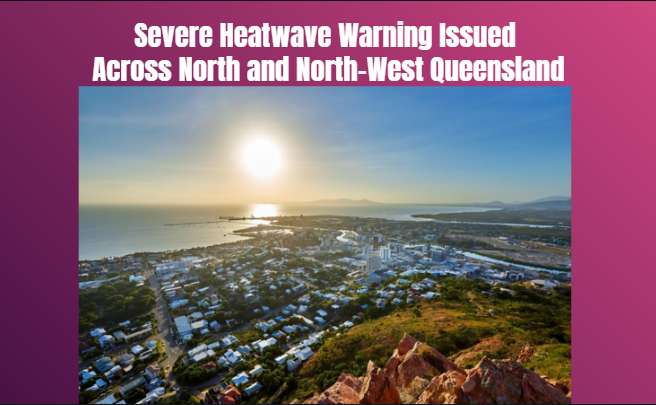
The Bureau of Meteorology has warned that heatwave conditions will continue across parts of Cape York and Gulf Country through the weekend and into next week.
Some relief is expected during the latter half of next week, although temperatures are still likely to remain high. The arrival of monsoonal rainfall may take longer, meaning communities could face continued hot and dry conditions.
Queensland Health has advised residents to take precautions during the heatwave, including drinking sufficient water, avoiding strenuous outdoor activities during the hottest periods and checking on vulnerable people.
The prolonged conditions highlight the importance of reliable water infrastructure, appropriate housing and emergency preparedness in remote Australian communities.
ConditionsWaterHeatwaveTemperaturesResidents
A prolonged heatwave across Far North Queensland has pushed temperatures to exceptional levels, with the town of Weipa experiencing 39 consecutive days above 36 degrees Celsius. The continuing hot conditions have created challenges for residents, local businesses, animal shelters and remote communities across the Cape York Peninsula.
According to reporting published by ABC News on Saturday, 14 November 2026, the heatwave has continued for several weeks, with temperatures remaining unusually high throughout the region.
Weipa has recorded its highest-ever November temperature of 39.9 degrees Celsius. The record was reached on Tuesday, adding to a series of unusually hot days experienced during the current weather event.
The heatwave has affected residents who are accustomed to tropical weather but have struggled with the prolonged period of high temperatures. Some locals have described the conditions as relentless, with little opportunity for cooler weather.
Local businesses have also experienced changes in daily operations. A bakery owner in Weipa reported increased demand for bottled water and cold drinks as customers looked for ways to stay hydrated. The extreme temperatures have even affected baking operations, with bread dough rising considerably faster than usual.
Animal welfare organisations have also adjusted their activities to protect animals from the heat. The Cape Animal Protection Shelter has changed its opening hours to reduce exposure for dogs and volunteers.
Staff and volunteers have introduced additional cooling measures, including frozen treats and regularly refreshed drinking water. Maintaining comfortable conditions for animals has become more challenging because water containers can quickly become warm in the extreme temperatures.
The situation is particularly concerning in several Indigenous communities near the northern tip of Cape York. Residents of Bamaga, Injinoo, Umagico, Seisia and New Mapoon have been dealing with scheduled overnight water outages.
The Northern Peninsula Area Regional Council has introduced water restrictions, including shutting off supplies between 9 pm and 6 am. The council said its water-treatment facility was struggling to meet demand and reservoir levels had become critically low.
A new treatment plant is being planned to increase water-processing capacity by approximately 50 per cent, although funding arrangements are still being pursued.
Housing conditions have created another challenge for people living in the region. Many government-owned social housing properties do not have air-conditioning, leaving residents with limited options for escaping the heat indoors.
Queensland and Australian government funding programs are intended to improve thermal comfort and energy efficiency in thousands of social homes through insulation and other upgrades.
The Bureau of Meteorology has warned that heatwave conditions will continue across parts of Cape York and Gulf Country through the weekend and into next week.
Some relief is expected during the latter half of next week, although temperatures are still likely to remain high. The arrival of monsoonal rainfall may take longer, meaning communities could face continued hot and dry conditions.
Queensland Health has advised residents to take precautions during the heatwave, including drinking sufficient water, avoiding strenuous outdoor activities during the hottest periods and checking on vulnerable people.
The prolonged conditions highlight the importance of reliable water infrastructure, appropriate housing and emergency preparedness in remote Australian communities.
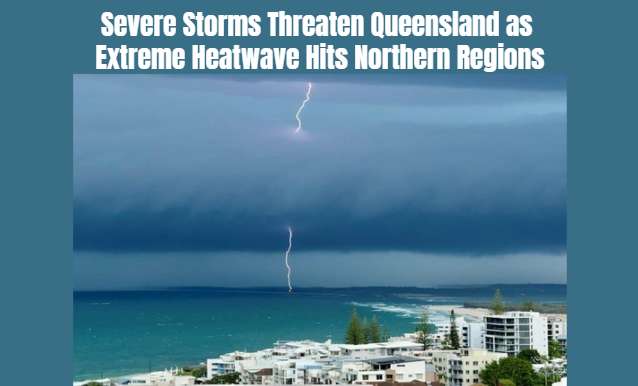
Meteorologists warn of giant hail, destructive winds and intense rainfall across parts of Queensland, while northern districts remain under severe heatw...
Port Macquarie New South Wales · Weather News · 12 Nov 2026
Residents across the New South Wales Mid North Coast are dealing with property damage after a severe storm swept through the region on Wednesday afternoon, 11 November. Wauchope...
Residents are being urged to take precautions as high temperatures affect several regions, with some inland communities expected to experience maximum t...
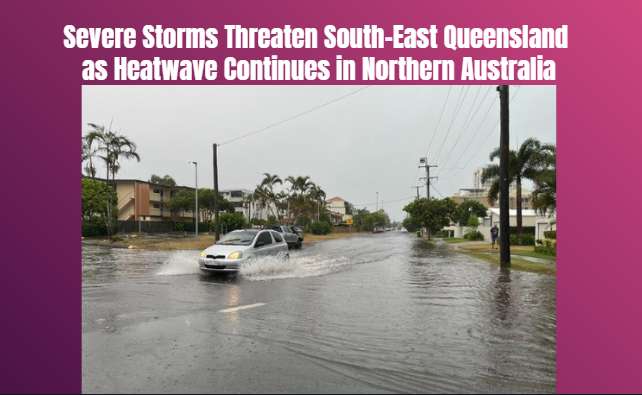
Severe thunderstorms bringing possible large hail, damaging winds and flash flooding are forecast across south-east Queensland, while temperatures in th...
Operation Amarok 15 resulted in 1,594 charges, hundreds of apprehended domestic violence order breaches identified and dozens of firearms seized across...
Australia fell three points short at Murrayfield after a late comeback attempt, with Scotland holding on to secure an important home victory in the inte...
A private conversation between the two leaders was accidentally recorded during a break at the international climate summit in Türkiye, prompting widesp...
Australia delivers a dominant performance against Asian Cup champions Qatar in Doha, with Riley McGree, Tete Yengi and Nestory Irankunda scoring three f...
NSW patient survey findings highlight safety concerns in several major hospitals, as the state government commits additional security staff to emergency...
Police are investigating a daylight theft after three valuable trophies belonging to Australia's legendary racehorse were taken from an exhibition displ...
Operation Amarok 15 resulted in 1,594 charges, hundreds of apprehended domestic violence order breaches identified and dozens of firearms seized across...