Safety note: Admin approval is an initial review, not a guarantee that every detail is correct. Check important or urgent claims with official sources and report anything inaccurate or unsafe.
Source and credit: Contributor's own report
Queensland Research Finds Strength Training May Delay Dementia Onset by Years - Brisbane, Queensland
Smart summary
New research suggests building muscle through strength training and maintaining a healthy diet could help older Australians reduce frailty and potentially delay the onset of dementia symptoms.
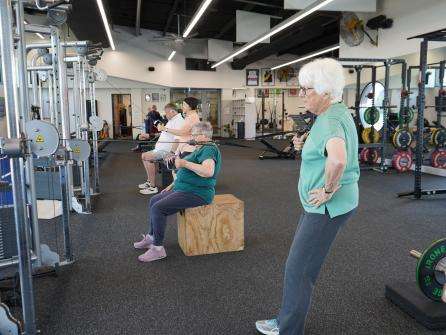
New research from Queensland is highlighting the potential role of strength training and healthy eating in delaying the onset of dementia, with scientists suggesting that improving physical strength could help older adults maintain better brain and body health.
Researchers have found that frailty, a condition linked to reduced muscle strength, slower movement and declining physical resilience, may accelerate the development of dementia symptoms. The findings suggest that preventing or reducing frailty could become an important part of dementia prevention strategies.
The research indicates that older adults who maintain stronger muscles and better overall fitness may have a lower risk of experiencing earlier cognitive decline. Scientists say activities such as resistance training, weight exercises and regular movement could help protect against some of the physical factors associated with dementia progression.
Strength training, sometimes known as resistance training or weight training, involves exercises that challenge muscles through activities such as lifting weights, using resistance bands or bodyweight movements. While traditionally associated with improving fitness and preventing falls, researchers are increasingly studying its wider health benefits.
Experts say maintaining muscle mass becomes increasingly important as people age because natural muscle loss can contribute to frailty, reduced independence and greater vulnerability to health problems.
The research also highlights the importance of nutrition. A balanced diet containing adequate protein, vegetables, fruits and essential nutrients can support muscle health and overall wellbeing. Researchers say combining healthy eating with regular strength exercises may provide the greatest benefits.
Dementia affects hundreds of thousands of Australians and remains one of the country’s major health challenges. While there is currently no guaranteed way to prevent dementia, scientists continue to investigate lifestyle factors that may reduce risk or delay symptoms.
Researchers believe physical activity may influence brain health through several pathways, including improving blood flow, reducing inflammation, supporting metabolic health and helping maintain independence.
The findings are particularly significant as Australia’s ageing population continues to grow. Health professionals are increasingly focusing on prevention strategies that allow older people to remain active, socially connected and independent for longer.
Experts caution that strength training should be approached safely, especially for older adults or people with existing health conditions. They recommend consulting healthcare professionals before beginning a new exercise program and starting gradually with appropriate guidance.
The research does not suggest that exercise can completely prevent dementia, but it adds to growing evidence that lifestyle choices can play an important role in healthy ageing.
For many older Australians, incorporating simple strength exercises into weekly routines may provide benefits beyond physical fitness. Improved balance, confidence, mobility and independence can all contribute to a better quality of life.
Researchers hope the findings will encourage more people to view strength training as an important part of ageing well rather than something only for younger athletes.
The message from health experts is clear: staying active, eating well and maintaining muscle strength may be powerful tools in supporting brain health and reducing the impact of age-related decline.
HealthStrengthDementiaTrainingMuscle
New research from Queensland is highlighting the potential role of strength training and healthy eating in delaying the onset of dementia, with scientists suggesting that improving physical strength could help older adults maintain better brain and body health.
Researchers have found that frailty, a condition linked to reduced muscle strength, slower movement and declining physical resilience, may accelerate the development of dementia symptoms. The findings suggest that preventing or reducing frailty could become an important part of dementia prevention strategies.
The research indicates that older adults who maintain stronger muscles and better overall fitness may have a lower risk of experiencing earlier cognitive decline. Scientists say activities such as resistance training, weight exercises and regular movement could help protect against some of the physical factors associated with dementia progression.
Strength training, sometimes known as resistance training or weight training, involves exercises that challenge muscles through activities such as lifting weights, using resistance bands or bodyweight movements. While traditionally associated with improving fitness and preventing falls, researchers are increasingly studying its wider health benefits.
Experts say maintaining muscle mass becomes increasingly important as people age because natural muscle loss can contribute to frailty, reduced independence and greater vulnerability to health problems.
The research also highlights the importance of nutrition. A balanced diet containing adequate protein, vegetables, fruits and essential nutrients can support muscle health and overall wellbeing. Researchers say combining healthy eating with regular strength exercises may provide the greatest benefits.
Dementia affects hundreds of thousands of Australians and remains one of the country’s major health challenges. While there is currently no guaranteed way to prevent dementia, scientists continue to investigate lifestyle factors that may reduce risk or delay symptoms.
Researchers believe physical activity may influence brain health through several pathways, including improving blood flow, reducing inflammation, supporting metabolic health and helping maintain independence.
The findings are particularly significant as Australia’s ageing population continues to grow. Health professionals are increasingly focusing on prevention strategies that allow older people to remain active, socially connected and independent for longer.
Experts caution that strength training should be approached safely, especially for older adults or people with existing health conditions. They recommend consulting healthcare professionals before beginning a new exercise program and starting gradually with appropriate guidance.
The research does not suggest that exercise can completely prevent dementia, but it adds to growing evidence that lifestyle choices can play an important role in healthy ageing.
For many older Australians, incorporating simple strength exercises into weekly routines may provide benefits beyond physical fitness. Improved balance, confidence, mobility and independence can all contribute to a better quality of life.
Researchers hope the findings will encourage more people to view strength training as an important part of ageing well rather than something only for younger athletes.
The message from health experts is clear: staying active, eating well and maintaining muscle strength may be powerful tools in supporting brain health and reducing the impact of age-related decline.
New funding from local charity Wishlist is improving communication support for patients at Bundaberg Hospital, with resources designed to help people communicate more effectivel...
New figures have renewed concerns about emergency department delays at Royal Hobart Hospital, with the health system facing questions over patient waiti...
Central Coast New South Wales · Health News · 10 Sep 2026
The design for new Key Health Worker Accommodation at Wyong has been released today, with the project aimed at helping address the need for suitable accommodation for healthcare...
Queensland's emerging football prospects are coming together for a three-day Brisbane Lions State Academy showcase, giving young players an opportunity...
A Wavell Heights enrolled nurse has been charged with four counts of alleged sexual assault and one count of wilful exposure, with his professional regi...
A 24-year-old Carina Heights man has been charged with 36 offences following an investigation into alleged break-ins, vehicle offences and other propert...
Cairns Regional Council has unanimously voted to seek $400,000 in Queensland Government funding for a program designed to connect local businesses with the region’s growing film...
An automated external defibrillator and memorial plaque have been installed at Ellery Creek Big Hole following the death of disability advocate Ellen Fr...
Queensland firefighters spent several hours monitoring a significant grass fire at Mary Kinross Park in Bargara, near Bundaberg, after the blaze broke out on Wednesday evening....