Safety note: Admin approval is an initial review, not a guarantee that every detail is correct. Check important or urgent claims with official sources and report anything inaccurate or unsafe.
Source and credit: Contributor's own report
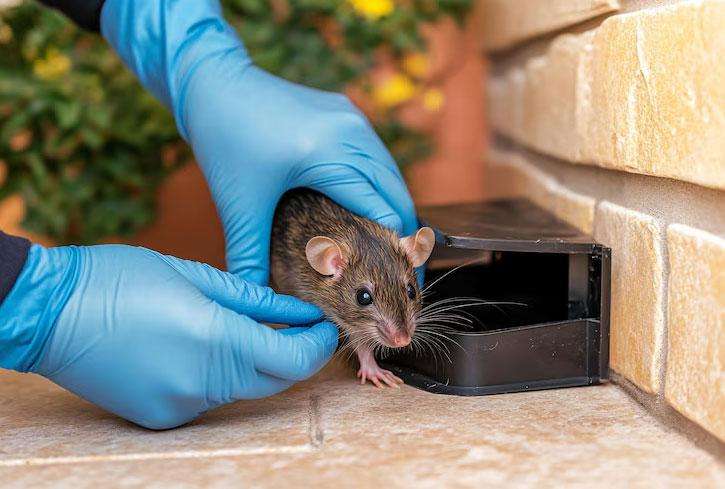
Rats becoming a growing concern across Adelaide as sightings increase in homes and businesses - Adelaide, SA
Smart summary
Adelaide residents and businesses are reporting more rat activity, with experts warning that urban development, food availability and changing conditions may be contributing to increased rodent sightings across the city.
A rise in rat sightings across Adelaide has sparked renewed concerns among residents, businesses and pest control experts, with reports of rodents appearing in homes, shops and public areas.
The issue was discussed on ABC Adelaide Breakfast, where residents shared concerns about increasing numbers of rats and mice appearing across metropolitan Adelaide. The program highlighted reports of rodents being removed from homes and concerns from people who had encountered rats unexpectedly in everyday situations.
Rodent experts say urban environments can provide ideal conditions for rats and mice, particularly when food sources, shelter and nesting areas are easily available. Construction activity, changes to waste management areas and warmer conditions can also influence where rodents move and establish populations.
Adelaide has experienced previous periods where increased rodent activity became a major community concern. Pest specialists have noted that rats are adaptable animals that can survive in a range of environments, including residential areas, commercial buildings and city spaces.
Recent sightings have included rats in city businesses and public areas. A large rat sighting inside a closed retail store in Rundle Mall attracted attention after footage showed rodents moving through the premises. Adelaide City Council said it operates ongoing rodent management programs, including monitoring and baiting in areas where activity is detected.
Experts say preventing rat problems requires a combination of measures, including reducing access to food, securing rubbish bins, sealing entry points around buildings and maintaining clean outdoor areas. Residents are encouraged to check areas such as sheds, roof spaces, gardens and storage areas where rodents commonly hide.
Rats can create problems beyond being a nuisance. They can damage electrical wiring, contaminate food supplies and potentially spread disease. Local councils and health authorities generally recommend early action when signs of infestation appear, including droppings, scratching noises, damaged packaging or evidence of nesting.
For businesses, particularly hospitality venues and food retailers, rodent control is an important part of maintaining public health standards. Food safety inspections and pest management programs are used to reduce risks and ensure businesses meet hygiene requirements.
Environmental factors can also influence rodent populations. Changes in weather, availability of natural food sources and disturbances to nesting locations can cause rodents to move into urban areas searching for shelter and food.
While individual sightings do not always indicate a city-wide infestation, experts say communities should remain alert and take preventative steps. Simple actions such as storing food correctly, removing garden waste, keeping outdoor areas tidy and repairing gaps in buildings can help reduce the chance of rodents entering homes.
Authorities continue monitoring rodent activity across Adelaide and encourage residents to report significant issues through appropriate council channels.
The discussion highlights the ongoing challenge faced by many growing cities: balancing urban development with effective pest management to protect homes, businesses and public spaces.
AreasFoodAdelaideRatsRodents
A rise in rat sightings across Adelaide has sparked renewed concerns among residents, businesses and pest control experts, with reports of rodents appearing in homes, shops and public areas.
The issue was discussed on ABC Adelaide Breakfast, where residents shared concerns about increasing numbers of rats and mice appearing across metropolitan Adelaide. The program highlighted reports of rodents being removed from homes and concerns from people who had encountered rats unexpectedly in everyday situations.
Rodent experts say urban environments can provide ideal conditions for rats and mice, particularly when food sources, shelter and nesting areas are easily available. Construction activity, changes to waste management areas and warmer conditions can also influence where rodents move and establish populations.
Adelaide has experienced previous periods where increased rodent activity became a major community concern. Pest specialists have noted that rats are adaptable animals that can survive in a range of environments, including residential areas, commercial buildings and city spaces.
Recent sightings have included rats in city businesses and public areas. A large rat sighting inside a closed retail store in Rundle Mall attracted attention after footage showed rodents moving through the premises. Adelaide City Council said it operates ongoing rodent management programs, including monitoring and baiting in areas where activity is detected.
Experts say preventing rat problems requires a combination of measures, including reducing access to food, securing rubbish bins, sealing entry points around buildings and maintaining clean outdoor areas. Residents are encouraged to check areas such as sheds, roof spaces, gardens and storage areas where rodents commonly hide.
Rats can create problems beyond being a nuisance. They can damage electrical wiring, contaminate food supplies and potentially spread disease. Local councils and health authorities generally recommend early action when signs of infestation appear, including droppings, scratching noises, damaged packaging or evidence of nesting.
For businesses, particularly hospitality venues and food retailers, rodent control is an important part of maintaining public health standards. Food safety inspections and pest management programs are used to reduce risks and ensure businesses meet hygiene requirements.
Environmental factors can also influence rodent populations. Changes in weather, availability of natural food sources and disturbances to nesting locations can cause rodents to move into urban areas searching for shelter and food.
While individual sightings do not always indicate a city-wide infestation, experts say communities should remain alert and take preventative steps. Simple actions such as storing food correctly, removing garden waste, keeping outdoor areas tidy and repairing gaps in buildings can help reduce the chance of rodents entering homes.
Authorities continue monitoring rodent activity across Adelaide and encourage residents to report significant issues through appropriate council channels.
The discussion highlights the ongoing challenge faced by many growing cities: balancing urban development with effective pest management to protect homes, businesses and public spaces.
New funding from local charity Wishlist is improving communication support for patients at Bundaberg Hospital, with resources designed to help people communicate more effectivel...
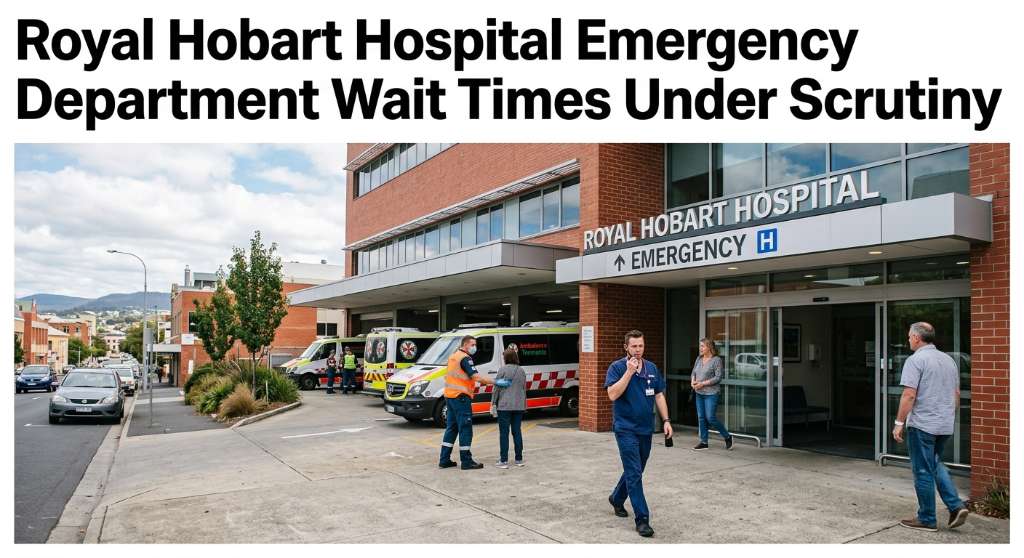
New figures have renewed concerns about emergency department delays at Royal Hobart Hospital, with the health system facing questions over patient waiti...
Central Coast New South Wales · Health News · 10 Sep 2026
The design for new Key Health Worker Accommodation at Wyong has been released today, with the project aimed at helping address the need for suitable accommodation for healthcare...
New community information initiatives are helping residents access emergency warnings and local support as Port Augusta and the wider region prepare for...
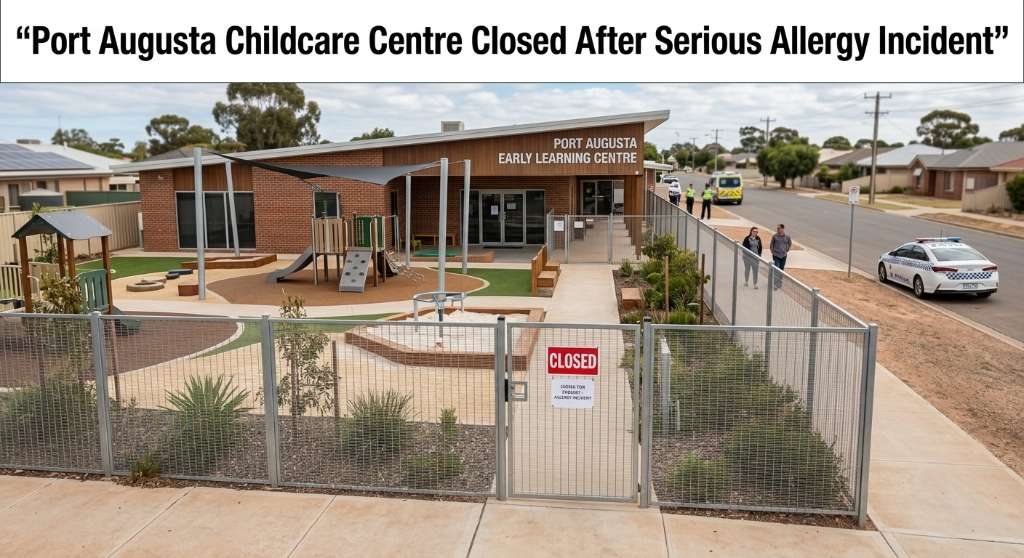
An Edge Early Learning centre in Port Augusta has been ordered to close for two weeks after a child with allergies was hospitalised after being given fo...
A 44-year-old man has been jailed after police found suspected methamphetamine, GHB and more than $40,000 in cash before he travelled towards Mount Gamb...
Cairns Regional Council has unanimously voted to seek $400,000 in Queensland Government funding for a program designed to connect local businesses with the region’s growing film...
An automated external defibrillator and memorial plaque have been installed at Ellery Creek Big Hole following the death of disability advocate Ellen Fr...
Queensland firefighters spent several hours monitoring a significant grass fire at Mary Kinross Park in Bargara, near Bundaberg, after the blaze broke out on Wednesday evening....