Safety note: Admin approval is an initial review, not a guarantee that every detail is correct. Check important or urgent claims with official sources and report anything inaccurate or unsafe.
Source and credit: Contributor's own report
Roma Cattle Market Sees Strong Yardings as Producers Watch Prices - Roma, QLD
Smart summary
Western Queensland livestock industry monitors market conditions during major cattle selling period.
Roma’s livestock industry remains a major focus in regional Queensland as cattle producers continue monitoring market conditions at one of Australia’s most important rural selling centres. The Roma cattle market has recorded significant activity, with producers and buyers watching price movements closely as seasonal conditions influence livestock decisions.
The Roma region plays a vital role in Queensland’s agricultural economy, supporting thousands of producers across the Maranoa and surrounding areas. The local cattle industry contributes significantly to employment, transport services, feed suppliers and regional businesses.
Recent market activity has highlighted the importance of strong buyer demand and careful planning by producers. Farmers are continuing to assess herd numbers, feed availability and seasonal conditions when deciding whether to sell cattle or retain stock for future production.
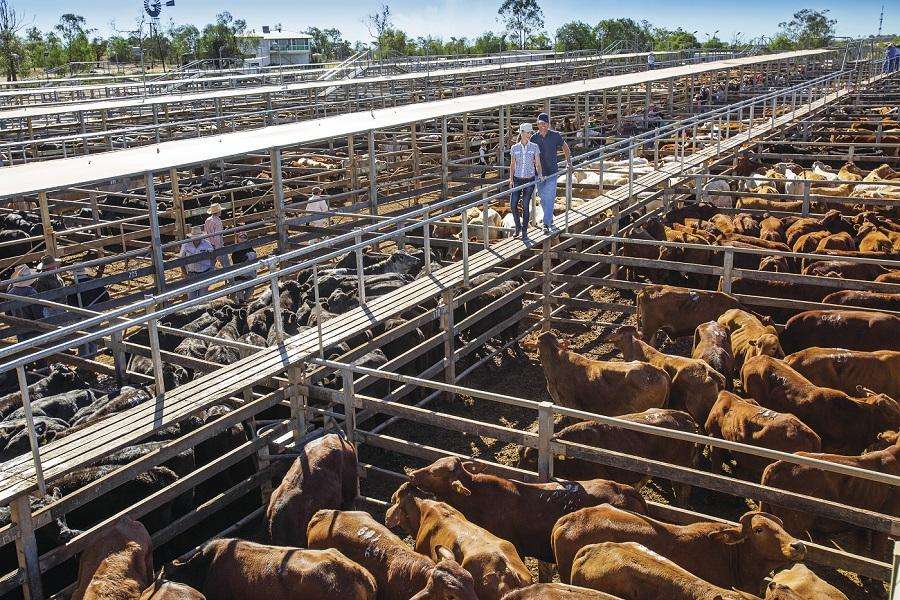
Roma’s saleyards are recognised as one of the largest cattle selling facilities in Australia and attract buyers from across Queensland and interstate. Weekly sales bring together producers, agents, transport operators and industry representatives, creating important economic activity for the wider region.
Agricultural experts say market conditions can change quickly due to factors including rainfall, pasture availability, export demand and consumer trends. Producers continue adapting their strategies to manage costs and maintain sustainable operations.
The rural sector remains an important part of Roma’s identity, with many local businesses relying on agriculture-related activity. Transport companies, machinery suppliers, accommodation providers and hospitality businesses all benefit from regular livestock industry operations.
Regional leaders continue supporting initiatives that strengthen agricultural communities and improve infrastructure across Western Queensland. Reliable roads, transport networks and communication services remain important for supporting producers who operate across large distances.
The cattle industry is also focusing on long-term sustainability, including improved land management practices, animal welfare standards and technology adoption. Many producers are using digital tools and better data management to improve decision-making.
Roma’s agricultural sector continues to face challenges including weather variability, operating costs and changing market conditions. However, strong industry experience and regional expertise continue helping producers manage these challenges.
The latest market activity demonstrates the ongoing importance of Roma as a centre for Queensland’s cattle industry. Future sales and price movements will continue to be closely watched by producers, buyers and rural communities across the state.
ProducersCattleRomaIndustryMarket
Roma’s livestock industry remains a major focus in regional Queensland as cattle producers continue monitoring market conditions at one of Australia’s most important rural selling centres. The Roma cattle market has recorded significant activity, with producers and buyers watching price movements closely as seasonal conditions influence livestock decisions.
The Roma region plays a vital role in Queensland’s agricultural economy, supporting thousands of producers across the Maranoa and surrounding areas. The local cattle industry contributes significantly to employment, transport services, feed suppliers and regional businesses.
Recent market activity has highlighted the importance of strong buyer demand and careful planning by producers. Farmers are continuing to assess herd numbers, feed availability and seasonal conditions when deciding whether to sell cattle or retain stock for future production.
Roma’s saleyards are recognised as one of the largest cattle selling facilities in Australia and attract buyers from across Queensland and interstate. Weekly sales bring together producers, agents, transport operators and industry representatives, creating important economic activity for the wider region.
Agricultural experts say market conditions can change quickly due to factors including rainfall, pasture availability, export demand and consumer trends. Producers continue adapting their strategies to manage costs and maintain sustainable operations.
The rural sector remains an important part of Roma’s identity, with many local businesses relying on agriculture-related activity. Transport companies, machinery suppliers, accommodation providers and hospitality businesses all benefit from regular livestock industry operations.
Regional leaders continue supporting initiatives that strengthen agricultural communities and improve infrastructure across Western Queensland. Reliable roads, transport networks and communication services remain important for supporting producers who operate across large distances.
The cattle industry is also focusing on long-term sustainability, including improved land management practices, animal welfare standards and technology adoption. Many producers are using digital tools and better data management to improve decision-making.
Roma’s agricultural sector continues to face challenges including weather variability, operating costs and changing market conditions. However, strong industry experience and regional expertise continue helping producers manage these challenges.
The latest market activity demonstrates the ongoing importance of Roma as a centre for Queensland’s cattle industry. Future sales and price movements will continue to be closely watched by producers, buyers and rural communities across the state.
Fifteen thousand juvenile yellowtail kingfish have arrived in Tasmania from Western Australia as part of a three-year research project testing offshore...
A proposal for a 25-site tourist park opposite the renovated Kin Kin Hotel has prompted differing views among residents, while the developer says the pr...
An investigation has raised questions about what happened after NSW's building regulator disciplined a major developer and prepared a public statement a...
Plans for the 2032 Brisbane Olympic rowing events to be held on Rockhampton’s Fitzroy River are progressing, while questions remain about crocodile safe...
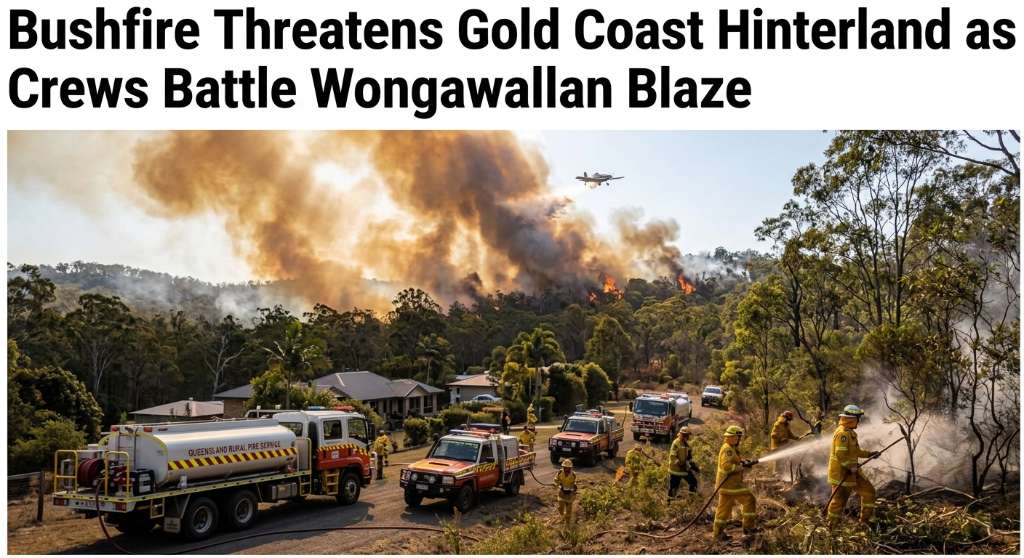
Firefighters have worked through the night to contain a fast-moving bushfire at Wongawallan in the Gold Coast hinterland, with crews protecting homes as...
Newcastle New South Wales · Travel News · 19 Sep 2026
A driver has come under police investigation in Newcastle after allegedly being detected travelling at 148km/h on the M1 on 19 September 2026. The incident is listed among Newca...
Emergency services were called to a home on Chambers Avenue in Bondi Beach at about 5:15pm on Saturday, 19 September 2026, following reports of a stabbing. NSW Police and parame...