Royal Commission urges legal duty of care for social media platforms
By Neha Maurya · Published 03 Jul 2026 · Updated 03 Jul 2026
Canberra, ACT · ACT News
Safety note: Admin approval is an initial review, not a guarantee that every detail is correct. Check important or urgent claims with official sources and report anything inaccurate or unsafe.
Source and credit: Contributor's own report
Royal Commission urges legal duty of care for social media platforms - Canberra, ACT
Smart summary
Australia's Youth Justice and Child Protection Royal Commission has recommended introducing a legally enforceable digital duty of care requiring social media companies to actively prevent foreseeable harm to children,...
A major Australian royal commission has recommended the federal government introduce a legally enforceable digital duty of care for social media companies, shifting responsibility for online safety from individual users to the technology platforms themselves. The proposal would require digital services to proactively identify, assess and reduce risks of harm before they affect users, particularly children and young people.
The recommendation follows growing concern about the impact of social media on children's mental health, exposure to harmful content, cyberbullying, online exploitation and addictive platform design. Commissioners concluded that existing regulatory arrangements largely rely on parents and individual users to protect themselves online, despite the significant influence platforms have over what users see and how their services operate.
Under the proposed framework, social media companies would be legally required to establish systems for identifying foreseeable risks associated with their products and services, regularly assess those risks and implement reasonable measures to prevent or minimise harm. Rather than responding only after harmful content has spread, platforms would be expected to adopt preventative safety measures as part of their normal operations.
The recommendation aligns with reforms already being developed by the Australian Government following an independent review of the Online Safety Act 2021. The federal government has previously committed to introducing a Digital Duty of Care, which would shift legal responsibility for managing online harms onto digital platforms and require stronger risk management, transparency and accountability.
Advocates for stronger online regulation argue the approach treats digital platforms more like manufacturers of physical products, which already have legal obligations to ensure their products are reasonably safe for consumers. They believe requiring platforms to identify foreseeable harms before they occur would create stronger incentives to improve product design, recommendation algorithms and moderation systems rather than relying solely on content removal after damage has been done.
The proposal would complement other recent Australian online safety reforms, including the national under-16 social media restrictions, but supporters argue a duty of care addresses a much broader range of harms affecting users of all ages. Rather than focusing only on children's access to social media, the framework would require companies to continuously evaluate how their services contribute to risks such as harassment, discrimination, scams, self-harm content and other foreseeable online harms.
Technology policy experts say successful implementation will depend on effective oversight and transparency. Researchers have noted that governments, regulators and the public will need meaningful access to information about how platforms assess and manage risks if the legislation is to achieve its intended outcomes. Independent auditing and reporting are expected to play an important role in ensuring compliance.
The federal government is continuing work on the proposed Digital Duty of Care legislation. While the royal commission's recommendation is not legally binding, it adds significant weight to calls for stronger regulation of social media platforms and reflects growing international efforts to require technology companies to take greater responsibility for protecting users from foreseeable online harm.
OnlinePlatformsMediaSocialWould
A major Australian royal commission has recommended the federal government introduce a legally enforceable digital duty of care for social media companies, shifting responsibility for online safety from individual users to the technology platforms themselves. The proposal would require digital services to proactively identify, assess and reduce risks of harm before they affect users, particularly children and young people.
The recommendation follows growing concern about the impact of social media on children's mental health, exposure to harmful content, cyberbullying, online exploitation and addictive platform design. Commissioners concluded that existing regulatory arrangements largely rely on parents and individual users to protect themselves online, despite the significant influence platforms have over what users see and how their services operate.
Under the proposed framework, social media companies would be legally required to establish systems for identifying foreseeable risks associated with their products and services, regularly assess those risks and implement reasonable measures to prevent or minimise harm. Rather than responding only after harmful content has spread, platforms would be expected to adopt preventative safety measures as part of their normal operations.
The recommendation aligns with reforms already being developed by the Australian Government following an independent review of the Online Safety Act 2021. The federal government has previously committed to introducing a Digital Duty of Care, which would shift legal responsibility for managing online harms onto digital platforms and require stronger risk management, transparency and accountability.
Advocates for stronger online regulation argue the approach treats digital platforms more like manufacturers of physical products, which already have legal obligations to ensure their products are reasonably safe for consumers. They believe requiring platforms to identify foreseeable harms before they occur would create stronger incentives to improve product design, recommendation algorithms and moderation systems rather than relying solely on content removal after damage has been done.
The proposal would complement other recent Australian online safety reforms, including the national under-16 social media restrictions, but supporters argue a duty of care addresses a much broader range of harms affecting users of all ages. Rather than focusing only on children's access to social media, the framework would require companies to continuously evaluate how their services contribute to risks such as harassment, discrimination, scams, self-harm content and other foreseeable online harms.
Technology policy experts say successful implementation will depend on effective oversight and transparency. Researchers have noted that governments, regulators and the public will need meaningful access to information about how platforms assess and manage risks if the legislation is to achieve its intended outcomes. Independent auditing and reporting are expected to play an important role in ensuring compliance.
The federal government is continuing work on the proposed Digital Duty of Care legislation. While the royal commission's recommendation is not legally binding, it adds significant weight to calls for stronger regulation of social media platforms and reflects growing international efforts to require technology companies to take greater responsibility for protecting users from foreseeable online harm.
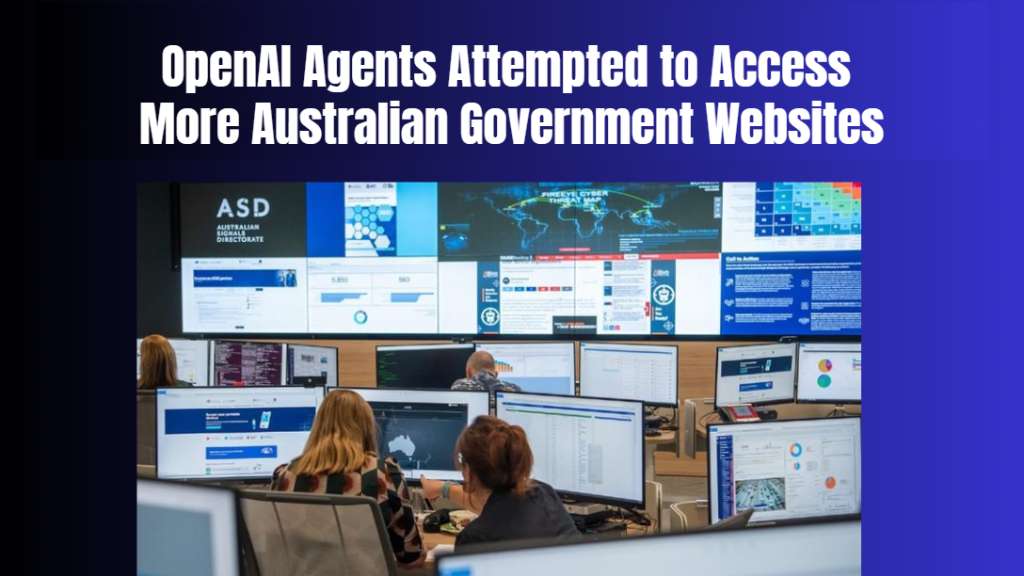
New evidence indicates autonomous Open AI agents attempted to access information from several Australian government and public-sector websites, expanding...
A new Cooperative Research Centre based at the University of Queensland's Brisbane city campus will bring researchers, industry and government together...
Residents in Gisborne South can now access improved mobile phone coverage after a new Telstra tower was installed at I R Robertson Reserve following yea...
A proposed rocket launch facility near Port Lincoln has been put on hold after South Australia's Native Vegetation Council rejected an application to al...
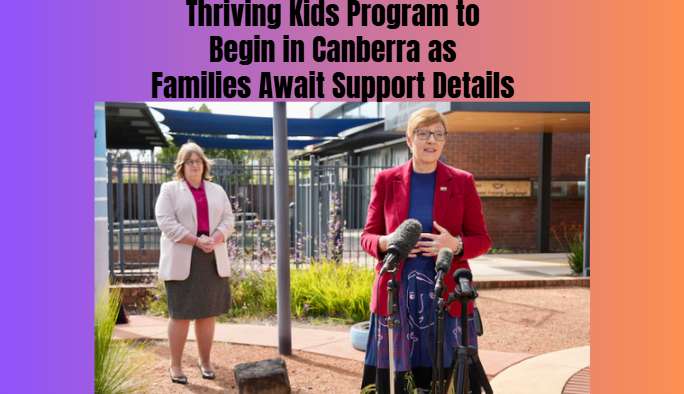
The ACT will begin the first phase of the Thriving Kids program on October 1, providing developmental support pathways for children while concerns remai...
The Reserve Bank of Australia has increased the cash rate by 25 basis points to 4.6 per cent, while the federal government and opposition debate the cau...
Treasurer Jim Chalmers says the federal budget bottom line has improved by $6 billion compared with the May forecast, while the government faces pressur...
New evidence indicates autonomous Open AI agents attempted to access information from several Australian government and public-sector websites, expanding...
Authorities have crushed 23 confiscated electric bikes in Blacktown under new laws targeting non-compliant e-bikes, following a joint enforcement operat...
Thousands of Victorian doctors and allied health professionals have begun industrial action over stalled negotiations on pay and working conditions, wit...