Safety note: Admin approval is an initial review, not a guarantee that every detail is correct. Check important or urgent claims with official sources and report anything inaccurate or unsafe.
Source and credit: Contributor's own report
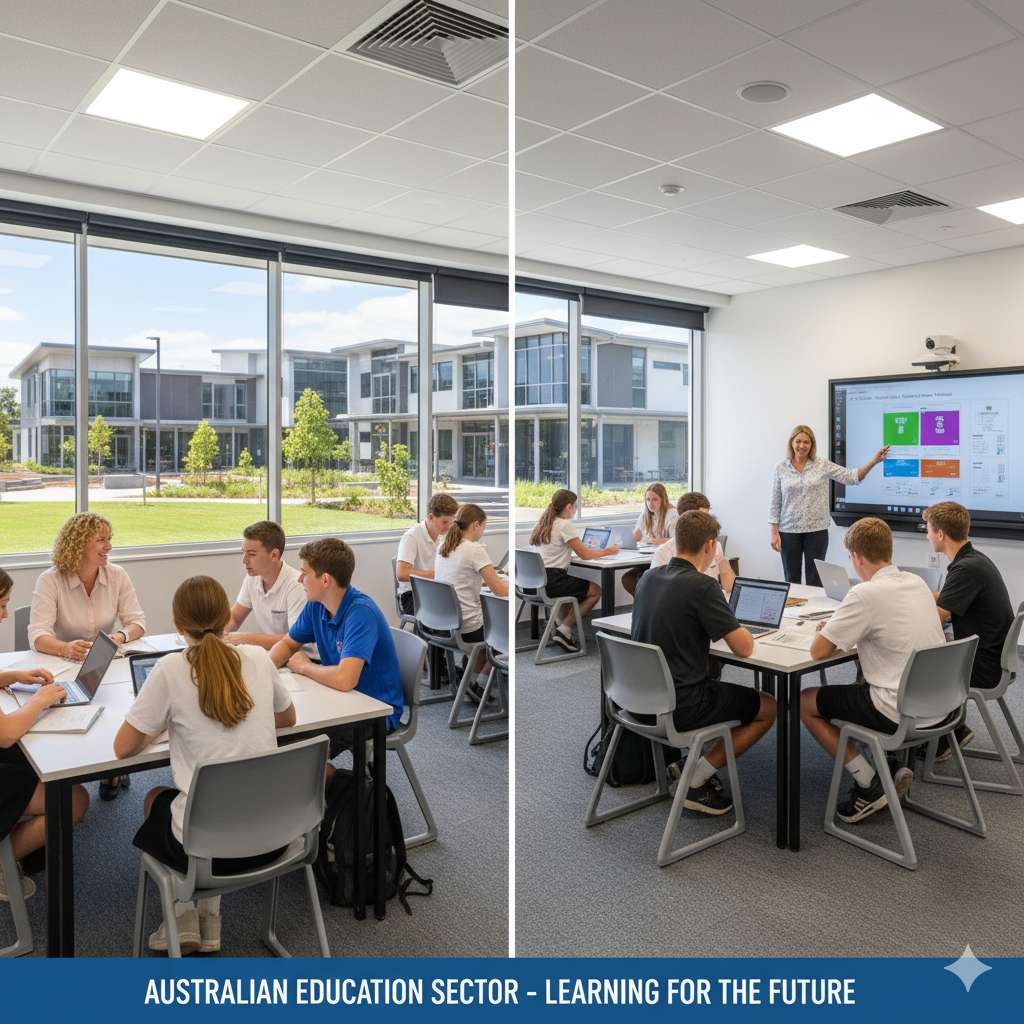
A modern classroom setting representing the diverse educational options available to Australian students.
Smart summary
As more Australian families embrace co-educational schooling, single-sex institutions remain a prominent feature in academic performance rankings.
Australia's education landscape is undergoing a significant transformation, with single-sex schools steadily declining while co-educational institutions continue to expand. The trend reflects changing parental preferences, evolving social expectations, and the growing number of schools choosing to transition from boys-only or girls-only models to co-education.
Data examining school enrolments between 2010 and 2025 shows a notable reduction in the number of single-sex schools across Australia, particularly among boys' schools. During that period, the number of all-boys private schools fell substantially, while co-educational schools increased by approximately 12 per cent. Many formerly single-sex institutions, particularly within the Catholic and independent sectors, have opened enrolments to both genders in response to demand from modern families seeking more diverse learning environments.
Victoria has been at the forefront of the movement, with numerous traditional boys' schools transitioning to co-education over recent decades. Similar changes have occurred across New South Wales and Queensland, where newly established schools are increasingly adopting co-educational models from the outset.
Despite the shift, academic performance data suggests single-sex schools continue to achieve strong results. Analysis of 2025 NAPLAN outcomes found that eight of Australia's top ten performing schools were single-sex institutions. Girls' schools recorded the highest average Year 9 NAPLAN scores, followed by boys' schools, while newly co-educational schools ranked slightly lower overall.
Supporters of single-sex education argue that specialised learning environments allow educators to better tailor teaching approaches to the developmental and social needs of students. Advocates claim these settings can foster confidence, leadership opportunities, and academic engagement, particularly in subjects where gender stereotypes may traditionally influence participation. Research has also suggested that girls attending single-sex schools are more likely to pursue advanced mathematics and science subjects than their counterparts in co-educational settings.
However, education experts caution that academic outcomes are influenced by many factors beyond school structure alone. Student selection processes, socio-economic background, school resources, parental engagement, and teaching quality all play significant roles in determining performance. Some studies have found only modest differences between single-sex and co-educational schools when these variables are taken into account.
The broader education sector is also experiencing major enrolment shifts. Independent schools continue to attract record numbers of students across Queensland and Australia, while public school enrolments have declined in some regions. Rising demand for private education, alternative schooling models, and greater parental choice are reshaping the educational landscape.
While the number of single-sex schools may continue to fall, the latest academic data indicates they remain highly competitive performers. The debate over whether single-sex or co-educational schooling produces better outcomes remains unresolved, with researchers generally agreeing that the quality of teaching, school culture, and student support are ultimately more important than the gender composition of the classroom.
As Australian families increasingly weigh educational philosophy, social development, academic performance, and affordability when selecting schools, both models are expected to remain important components of the nation's education system
SchoolsSingle-SexCo-EducationalEducationAcademic
Australia's education landscape is undergoing a significant transformation, with single-sex schools steadily declining while co-educational institutions continue to expand. The trend reflects changing parental preferences, evolving social expectations, and the growing number of schools choosing to transition from boys-only or girls-only models to co-education.
Data examining school enrolments between 2010 and 2025 shows a notable reduction in the number of single-sex schools across Australia, particularly among boys' schools. During that period, the number of all-boys private schools fell substantially, while co-educational schools increased by approximately 12 per cent. Many formerly single-sex institutions, particularly within the Catholic and independent sectors, have opened enrolments to both genders in response to demand from modern families seeking more diverse learning environments.
Victoria has been at the forefront of the movement, with numerous traditional boys' schools transitioning to co-education over recent decades. Similar changes have occurred across New South Wales and Queensland, where newly established schools are increasingly adopting co-educational models from the outset.
Despite the shift, academic performance data suggests single-sex schools continue to achieve strong results. Analysis of 2025 NAPLAN outcomes found that eight of Australia's top ten performing schools were single-sex institutions. Girls' schools recorded the highest average Year 9 NAPLAN scores, followed by boys' schools, while newly co-educational schools ranked slightly lower overall.
Supporters of single-sex education argue that specialised learning environments allow educators to better tailor teaching approaches to the developmental and social needs of students. Advocates claim these settings can foster confidence, leadership opportunities, and academic engagement, particularly in subjects where gender stereotypes may traditionally influence participation. Research has also suggested that girls attending single-sex schools are more likely to pursue advanced mathematics and science subjects than their counterparts in co-educational settings.
However, education experts caution that academic outcomes are influenced by many factors beyond school structure alone. Student selection processes, socio-economic background, school resources, parental engagement, and teaching quality all play significant roles in determining performance. Some studies have found only modest differences between single-sex and co-educational schools when these variables are taken into account.
The broader education sector is also experiencing major enrolment shifts. Independent schools continue to attract record numbers of students across Queensland and Australia, while public school enrolments have declined in some regions. Rising demand for private education, alternative schooling models, and greater parental choice are reshaping the educational landscape.
While the number of single-sex schools may continue to fall, the latest academic data indicates they remain highly competitive performers. The debate over whether single-sex or co-educational schooling produces better outcomes remains unresolved, with researchers generally agreeing that the quality of teaching, school culture, and student support are ultimately more important than the gender composition of the classroom.
As Australian families increasingly weigh educational philosophy, social development, academic performance, and affordability when selecting schools, both models are expected to remain important components of the nation's education system
An automated external defibrillator and memorial plaque have been installed at Ellery Creek Big Hole following the death of disability advocate Ellen Fr...
Bathurst New South Wales · Community News · 17 Sep 2026
Kerry “Pecky” Peck, a long-standing Bathurst radio personality, has been inducted into the Bathurst Business Hall of Fame in recognition of his extensive contribution to the loc...
A new specialist family-violence support model has been introduced in Ballarat, with dedicated workers now embedded alongside Victoria Police to help people experiencing family...
Orange New South Wales · Community News · 17 Sep 2026
Orange City Council has elected a new Deputy Mayor for the next two years, with the decision announced today, 17 September 2026. The council said the election took place during...
Sunshine Coast, Queensland · Business News · 11 Jun 2026
A Queensland company director is fighting an almost $1 million tax claim, alleging he was deceived by a fellow director who manipulated company finances...
Sunshine Coast Queensland · Other News · 03 Jun 2026
Residents and businesses are invited to provide feedback on a proposal to establish 'Aura Central' as a new, officially recognised locality within the growing Aura masterplanned...
Sunshine Coast, Queensland · Breaking News · 03 Jun 2026
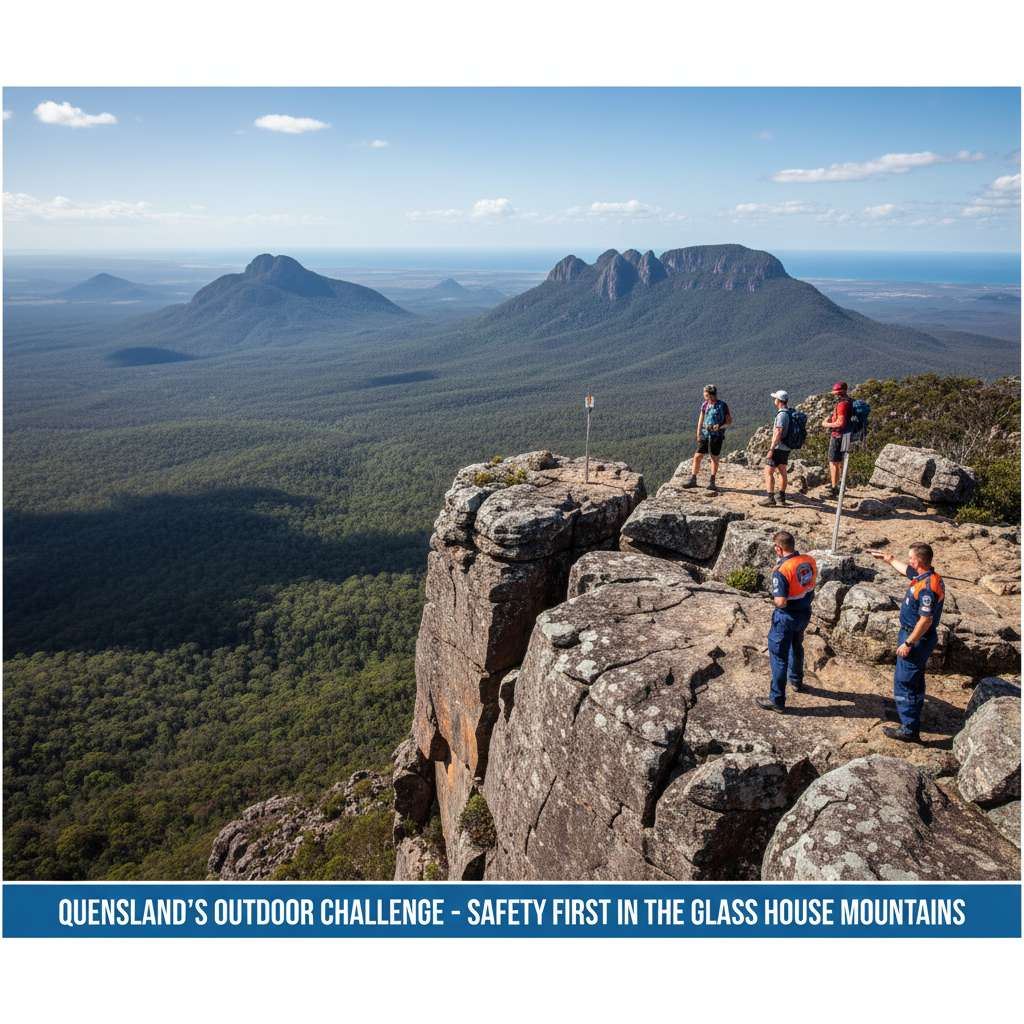
Sunshine Coast emergency officials urge hikers to prioritise safety after viral social media footage showed a woman posing near a dangerous cliff edge.
Queensland's emerging football prospects are coming together for a three-day Brisbane Lions State Academy showcase, giving young players an opportunity...
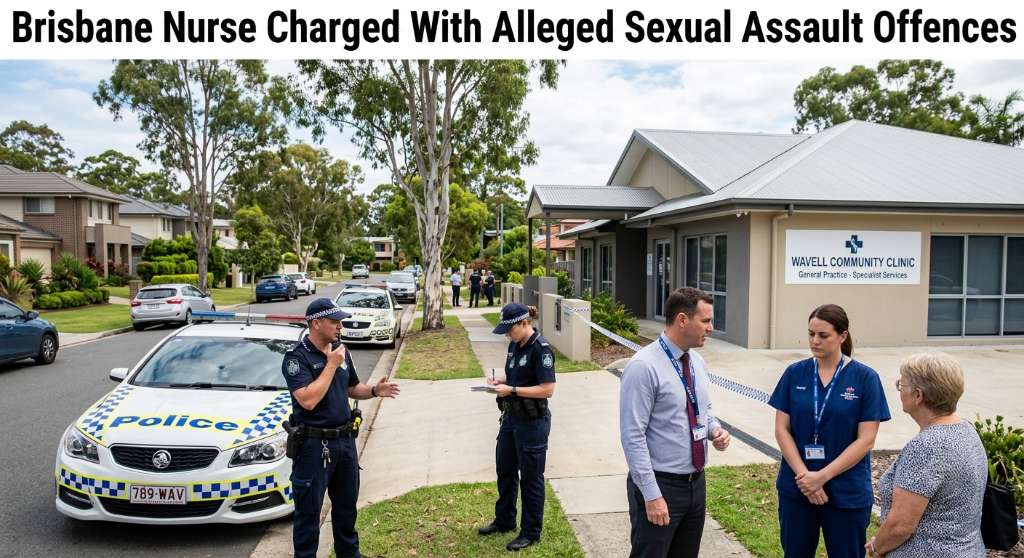
A Wavell Heights enrolled nurse has been charged with four counts of alleged sexual assault and one count of wilful exposure, with his professional regi...
A 24-year-old Carina Heights man has been charged with 36 offences following an investigation into alleged break-ins, vehicle offences and other propert...
Cairns Regional Council has unanimously voted to seek $400,000 in Queensland Government funding for a program designed to connect local businesses with the region’s growing film...
An automated external defibrillator and memorial plaque have been installed at Ellery Creek Big Hole following the death of disability advocate Ellen Fr...
Queensland firefighters spent several hours monitoring a significant grass fire at Mary Kinross Park in Bargara, near Bundaberg, after the blaze broke out on Wednesday evening....