Safety note: Admin approval is an initial review, not a guarantee that every detail is correct. Check important or urgent claims with official sources and report anything inaccurate or unsafe.
Source and credit: Contributor's own report
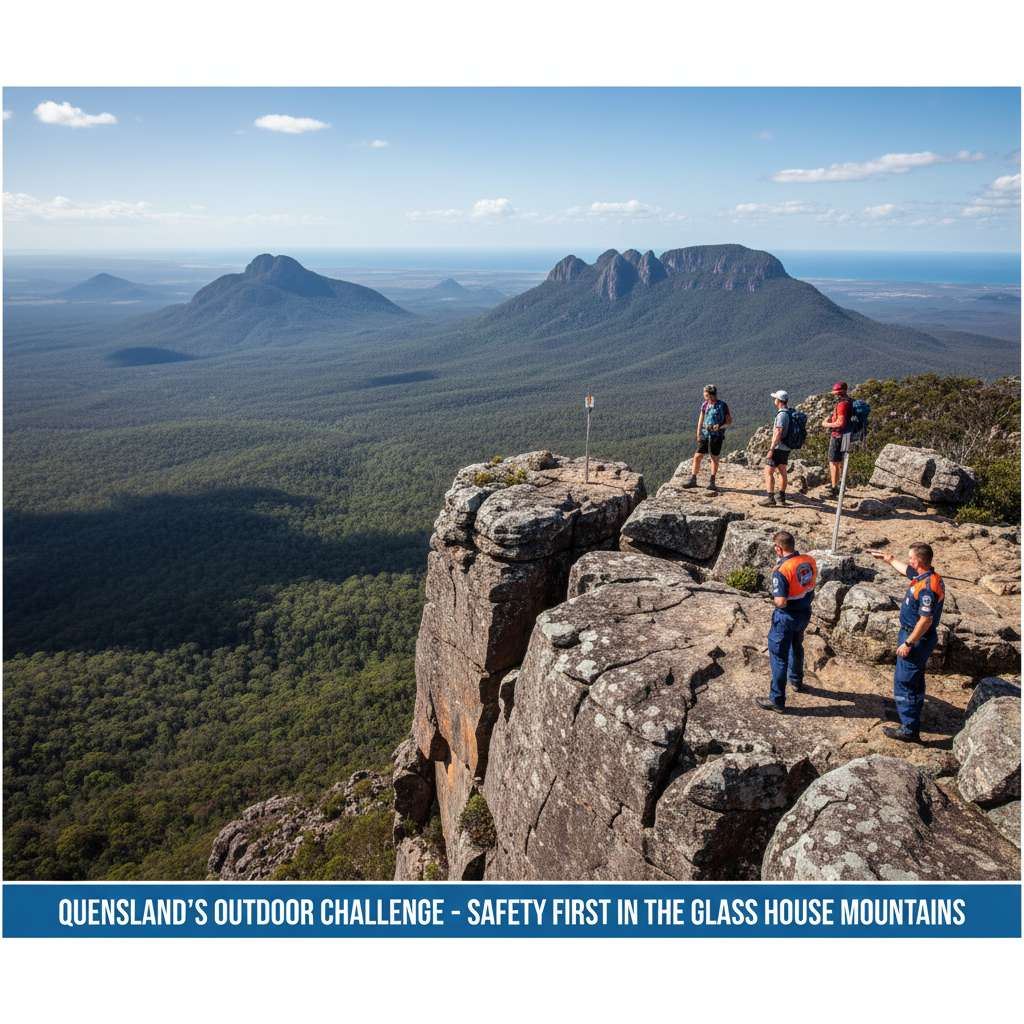
A view of the rugged terrain of Mt Tibrogargan in the Glass House Mountains.
Smart summary
Sunshine Coast emergency officials have issued a stern safety reminder to hikers after viral social media footage captured a woman posing dangerously close to a cliff edge on Mt Tibrogargan.
A viral social media video showing a woman posing dangerously close to a cliff edge on Queensland's Mount Tibrogargan has prompted a strong warning from emergency services, who say no photograph is worth risking a life. The footage, filmed at the popular Glass House Mountains landmark on the Sunshine Coast, shows the woman climbing down steep rocks near the summit before posing for photographs without any visible safety equipment.
The video quickly attracted attention online and raised concerns among rescue authorities familiar with the risks associated with the mountain. Sunshine Coast State Emergency Service (SES) Unit Controller Brendan Casement said the behaviour demonstrated in the footage was extremely dangerous and could encourage others to underestimate the hazards present on the mountain. He warned that climbing and scrambling on exposed rock surfaces can become life-threatening very quickly.
The warning comes at a time when Mount Tibrogargan and surrounding peaks have been the scene of multiple serious incidents. Earlier this week, emergency crews spent hours rescuing a man who became trapped between rocks on the mountain. In April, a woman died after a fall at Mount Tibrogargan, and in May, a teenage hiker required emergency assistance after slipping during a climb. Authorities say such incidents highlight the dangers of attempting climbs without adequate preparation, experience, or awareness of conditions.
Mount Tibrogargan is one of the most recognisable peaks in the Glass House Mountains and attracts thousands of visitors each year. However, emergency services and climbing experts have repeatedly warned that the mountain is not suitable for inexperienced hikers. The route involves steep scrambling sections where climbers must use both hands and feet to navigate exposed rock faces. Wet weather, loose surfaces, and overconfidence can significantly increase the risk of serious injury or death.
According to Queensland emergency authorities, dozens of rescue operations are conducted across the region every year. Many involve hikers who become stranded, injured, dehydrated, or trapped after venturing beyond their capabilities. Rescue missions often require specialist mountain rescue teams, vertical rescue equipment, drones, and coordinated operations involving multiple emergency agencies.
Officials are encouraging visitors to carefully assess their abilities before attempting challenging climbs and to follow all warning signs and safety advice. Recommended precautions include checking weather forecasts, carrying sufficient water, wearing appropriate footwear, informing others of travel plans, and avoiding risky behaviour for photographs or social media content.
The latest incident serves as another reminder of the real dangers that exist in natural environments. While the spectacular views from Mount Tibrogargan continue to attract adventure seekers and photographers, emergency services stress that personal safety should always come before social media content. Their message remains clear: no photo is worth risking a fall, a rescue operation, or a life.
EmergencyRescueTibrogarganMountMountain
A viral social media video showing a woman posing dangerously close to a cliff edge on Queensland's Mount Tibrogargan has prompted a strong warning from emergency services, who say no photograph is worth risking a life. The footage, filmed at the popular Glass House Mountains landmark on the Sunshine Coast, shows the woman climbing down steep rocks near the summit before posing for photographs without any visible safety equipment.
The video quickly attracted attention online and raised concerns among rescue authorities familiar with the risks associated with the mountain. Sunshine Coast State Emergency Service (SES) Unit Controller Brendan Casement said the behaviour demonstrated in the footage was extremely dangerous and could encourage others to underestimate the hazards present on the mountain. He warned that climbing and scrambling on exposed rock surfaces can become life-threatening very quickly.
The warning comes at a time when Mount Tibrogargan and surrounding peaks have been the scene of multiple serious incidents. Earlier this week, emergency crews spent hours rescuing a man who became trapped between rocks on the mountain. In April, a woman died after a fall at Mount Tibrogargan, and in May, a teenage hiker required emergency assistance after slipping during a climb. Authorities say such incidents highlight the dangers of attempting climbs without adequate preparation, experience, or awareness of conditions.
Mount Tibrogargan is one of the most recognisable peaks in the Glass House Mountains and attracts thousands of visitors each year. However, emergency services and climbing experts have repeatedly warned that the mountain is not suitable for inexperienced hikers. The route involves steep scrambling sections where climbers must use both hands and feet to navigate exposed rock faces. Wet weather, loose surfaces, and overconfidence can significantly increase the risk of serious injury or death.
According to Queensland emergency authorities, dozens of rescue operations are conducted across the region every year. Many involve hikers who become stranded, injured, dehydrated, or trapped after venturing beyond their capabilities. Rescue missions often require specialist mountain rescue teams, vertical rescue equipment, drones, and coordinated operations involving multiple emergency agencies.
Officials are encouraging visitors to carefully assess their abilities before attempting challenging climbs and to follow all warning signs and safety advice. Recommended precautions include checking weather forecasts, carrying sufficient water, wearing appropriate footwear, informing others of travel plans, and avoiding risky behaviour for photographs or social media content.
The latest incident serves as another reminder of the real dangers that exist in natural environments. While the spectacular views from Mount Tibrogargan continue to attract adventure seekers and photographers, emergency services stress that personal safety should always come before social media content. Their message remains clear: no photo is worth risking a fall, a rescue operation, or a life.
Wagga Wagga New South Wales · Breaking News · 16 Sep 2026
Riverina Police have established a dedicated investigation, Strike Force Arctis, following a reported increase in serious property and violent offences across Wagga Wagga. The o...
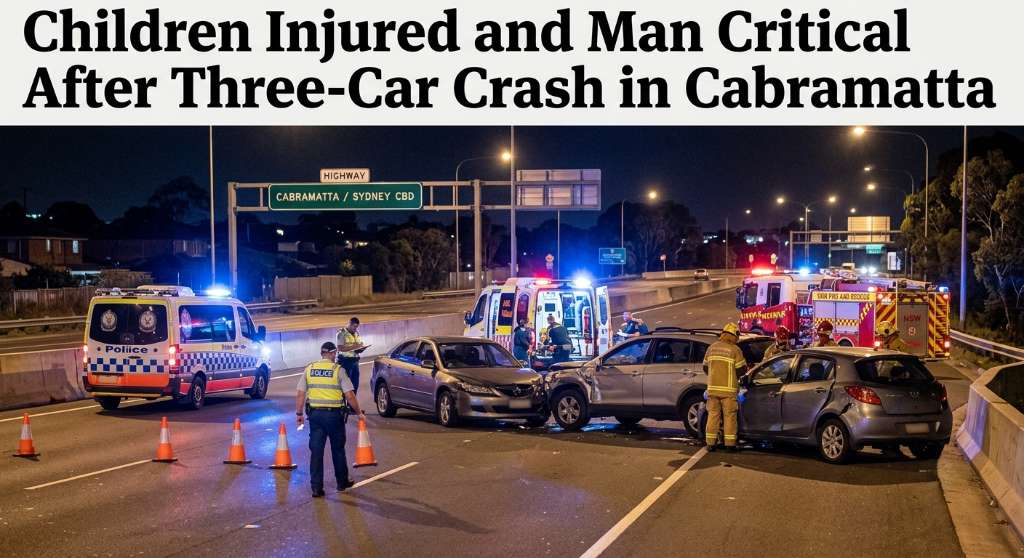
A serious late-night collision on the Hume Highway in Sydney’s south-west has left several people injured, including children, with one man in critical...
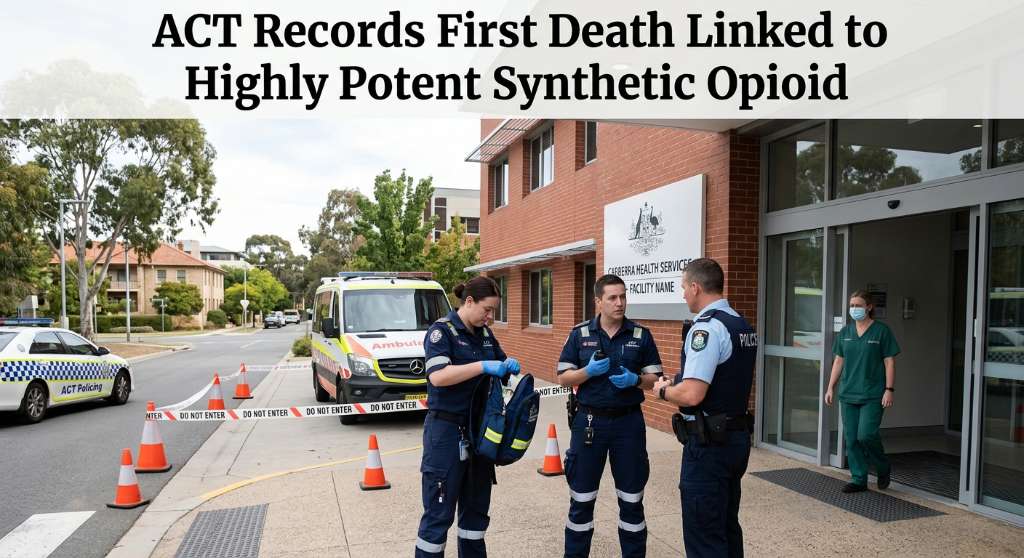
A Canberra woman has become the first person in the ACT whose death has been linked to a highly potent synthetic opioid, prompting renewed concern about...
Sunshine Coast, Queensland · Business News · 11 Jun 2026
A Queensland company director is fighting an almost $1 million tax claim, alleging he was deceived by a fellow director who manipulated company finances...
Sunshine Coast Queensland · Other News · 03 Jun 2026
Residents and businesses are invited to provide feedback on a proposal to establish 'Aura Central' as a new, officially recognised locality within the growing Aura masterplanned...
Queensland's emerging football prospects are coming together for a three-day Brisbane Lions State Academy showcase, giving young players an opportunity...
A Wavell Heights enrolled nurse has been charged with four counts of alleged sexual assault and one count of wilful exposure, with his professional regi...
A 24-year-old Carina Heights man has been charged with 36 offences following an investigation into alleged break-ins, vehicle offences and other propert...
Cairns Regional Council has unanimously voted to seek $400,000 in Queensland Government funding for a program designed to connect local businesses with the region’s growing film...
An automated external defibrillator and memorial plaque have been installed at Ellery Creek Big Hole following the death of disability advocate Ellen Fr...
Queensland firefighters spent several hours monitoring a significant grass fire at Mary Kinross Park in Bargara, near Bundaberg, after the blaze broke out on Wednesday evening....