Sunshine Coast Director Disputes $1 Million Tax Bill Amid Allegations of Deception
By Neha Maurya · Published 11 Jun 2026 · Updated 11 Jun 2026
Sunshine Coast, Queensland · Queensland News
Safety note: Admin approval is an initial review, not a guarantee that every detail is correct. Check important or urgent claims with official sources and report anything inaccurate or unsafe.
Source and credit: Contributor's own report
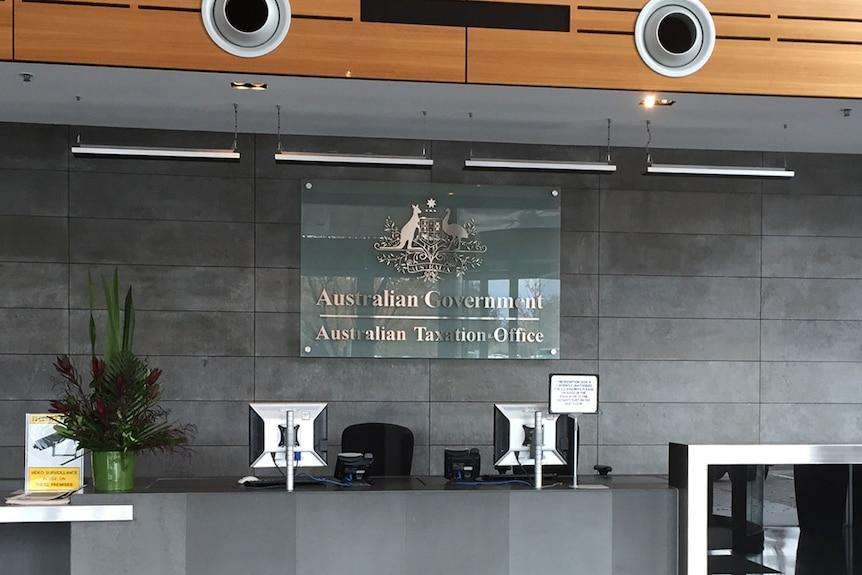
Legal and financial concept image representing a business dispute.
Smart summary
A Sunshine Coast company director is currently challenging a tax bill totaling nearly $1 million, claiming he was misled by a business partner who allegedly manipulated company accounts.
A Sunshine Coast businessman is contesting an Australian Taxation Office (ATO) claim that he is personally liable for nearly $1 million in unpaid company tax debts, arguing he was unaware of the financial issues and was deceived by his business partner.
According to a recent Queensland Supreme Court judgment, Orazio Salvatore D'Arro is defending legal action brought by the Deputy Commissioner of Taxation, who alleges he owes $994,894 under director penalty provisions linked to the failed construction company Build Qld Pty Ltd.
Court documents indicate that Build Qld Pty Ltd had completed building projects worth approximately $30 million before the company was wound up in September 2025. Australian Securities and Investments Commission records show that Mr D'Arro and another individual were appointed as directors in December 2019, with Mr D'Arro resigning from the role in January 2024.
The ATO sought to have the matter resolved through a summary judgment, a legal process that allows a court to decide a case without a full trial if there is no reasonable defence.
However, Mr D'Arro has strongly opposed that approach, maintaining that he has a valid defence that should be tested in court.
According to the judgment, Mr D'Arro claims he first became aware of the company's overdue tax liabilities on September 13, 2023, when the other director informed him that a Director Penalty Notice (DPN) had been received from the ATO.
The court heard that shortly after learning of the debt, Mr D'Arro attended a meeting with a finance broker alongside the other director to discuss obtaining bridging finance that could assist the company in meeting its tax obligations.
It was during that meeting, according to Mr D'Arro's evidence, that he allegedly discovered the other director had manipulated the company's financial records.
The judgment states that the other director allegedly admitted adjusting the company's books for personal reasons connected to the purchase of a Noosa apartment.
"Mr D'Arro's position is that he was deceived by the other director and that his actions occurred without his knowledge or consent," the judgment noted.
Mr D'Arro also argued that he had little involvement in the day-to-day financial management of the business and relied on information provided by his fellow director.
After considering the competing arguments, the court determined that the high threshold required for summary judgment had not been satisfied.
The judge ruled that the dispute involved factual issues requiring closer examination and that the matter should proceed to a full trial rather than being decided immediately.
Importantly, the ruling does not determine whether Mr D'Arro is ultimately liable for the tax debt. Instead, it means he will have the opportunity to present his defence in court.
The case highlights the significant responsibilities carried by company directors under Australian taxation laws, particularly when businesses encounter financial difficulties.
It also serves as a reminder that directors may face personal exposure to company tax liabilities, even when they claim they were unaware of problems occurring within the organisation.
The matter is expected to return to the Queensland Supreme Court at a later date, where the allegations and defence arguments will be examined in greater detail.
ArroCompanyDirectorCourtJudgment
A Sunshine Coast businessman is contesting an Australian Taxation Office (ATO) claim that he is personally liable for nearly $1 million in unpaid company tax debts, arguing he was unaware of the financial issues and was deceived by his business partner.
According to a recent Queensland Supreme Court judgment, Orazio Salvatore D'Arro is defending legal action brought by the Deputy Commissioner of Taxation, who alleges he owes $994,894 under director penalty provisions linked to the failed construction company Build Qld Pty Ltd.
Court documents indicate that Build Qld Pty Ltd had completed building projects worth approximately $30 million before the company was wound up in September 2025. Australian Securities and Investments Commission records show that Mr D'Arro and another individual were appointed as directors in December 2019, with Mr D'Arro resigning from the role in January 2024.
The ATO sought to have the matter resolved through a summary judgment, a legal process that allows a court to decide a case without a full trial if there is no reasonable defence.
However, Mr D'Arro has strongly opposed that approach, maintaining that he has a valid defence that should be tested in court.
According to the judgment, Mr D'Arro claims he first became aware of the company's overdue tax liabilities on September 13, 2023, when the other director informed him that a Director Penalty Notice (DPN) had been received from the ATO.
The court heard that shortly after learning of the debt, Mr D'Arro attended a meeting with a finance broker alongside the other director to discuss obtaining bridging finance that could assist the company in meeting its tax obligations.
It was during that meeting, according to Mr D'Arro's evidence, that he allegedly discovered the other director had manipulated the company's financial records.
The judgment states that the other director allegedly admitted adjusting the company's books for personal reasons connected to the purchase of a Noosa apartment.
"Mr D'Arro's position is that he was deceived by the other director and that his actions occurred without his knowledge or consent," the judgment noted.
Mr D'Arro also argued that he had little involvement in the day-to-day financial management of the business and relied on information provided by his fellow director.
After considering the competing arguments, the court determined that the high threshold required for summary judgment had not been satisfied.
The judge ruled that the dispute involved factual issues requiring closer examination and that the matter should proceed to a full trial rather than being decided immediately.
Importantly, the ruling does not determine whether Mr D'Arro is ultimately liable for the tax debt. Instead, it means he will have the opportunity to present his defence in court.
The case highlights the significant responsibilities carried by company directors under Australian taxation laws, particularly when businesses encounter financial difficulties.
It also serves as a reminder that directors may face personal exposure to company tax liabilities, even when they claim they were unaware of problems occurring within the organisation.
The matter is expected to return to the Queensland Supreme Court at a later date, where the allegations and defence arguments will be examined in greater detail.
Cairns Regional Council has unanimously voted to seek $400,000 in Queensland Government funding for a program designed to connect local businesses with the region’s growing film...
Albury New South Wales · Business News · 17 Sep 2026
An Australian artificial intelligence company has purchased the former Visy paper mill site at Ettamogah, north of Albury, in a significant local business The company, Sharon AI...
A new multi-million-dollar poultry-processing facility has officially opened near Tamworth, bringing major investment and new employment opportunities t...
Sunshine Coast Queensland · Other News · 03 Jun 2026
Residents and businesses are invited to provide feedback on a proposal to establish 'Aura Central' as a new, officially recognised locality within the growing Aura masterplanned...
Sunshine Coast, Queensland · Breaking News · 03 Jun 2026
Sunshine Coast emergency officials urge hikers to prioritise safety after viral social media footage showed a woman posing near a dangerous cliff edge.
Queensland's emerging football prospects are coming together for a three-day Brisbane Lions State Academy showcase, giving young players an opportunity...
A Wavell Heights enrolled nurse has been charged with four counts of alleged sexual assault and one count of wilful exposure, with his professional regi...
A 24-year-old Carina Heights man has been charged with 36 offences following an investigation into alleged break-ins, vehicle offences and other propert...
Cairns Regional Council has unanimously voted to seek $400,000 in Queensland Government funding for a program designed to connect local businesses with the region’s growing film...
An automated external defibrillator and memorial plaque have been installed at Ellery Creek Big Hole following the death of disability advocate Ellen Fr...
Queensland firefighters spent several hours monitoring a significant grass fire at Mary Kinross Park in Bargara, near Bundaberg, after the blaze broke out on Wednesday evening....