Safety note: Admin approval is an initial review, not a guarantee that every detail is correct. Check important or urgent claims with official sources and report anything inaccurate or unsafe.
Source and credit: Contributor's own report
Major milestone reached in life-saving funnel-web spider antivenom program on the Central Coast - Central Coast, NSW
Smart summary
The Australian Reptile Park’s funnel-web spider program has reached a significant milestone as efforts continue to secure the future of Australia’s critical antivenom supply.
A major milestone has been reached in the production of Australia’s life-saving funnel-web spider antivenom, with the Central Coast-based venom program continuing to strengthen its breeding and supply efforts.
The Australian Reptile Park at Somersby, NSW Central Coast, plays a critical role in Australia’s funnel-web antivenom program by collecting venom from Sydney funnel-web spiders. The venom is supplied for the production of antivenom, which has helped prevent deaths from funnel-web spider bites for more than four decades.
The milestone comes as the program focuses on improving long-term sustainability through expanded breeding facilities and increased spider numbers. The park has invested in raising thousands of young funnel-web spiders to ensure future generations can contribute to venom collection once they mature.
Funnel-web spiders are among Australia’s most dangerous spiders, with their venom capable of causing severe medical emergencies. The antivenom program relies mainly on adult male funnel-web spiders because their venom is particularly valuable for production. Male spiders have a short lifespan after reaching maturity, meaning the program requires a continuous supply of new spiders.
The program has faced challenges in recent years due to a decline in spider donations. During COVID-19 restrictions, fewer funnel-web spiders and egg sacs were collected, creating a gap in the future supply of mature spiders entering the venom program.
To address this challenge, the Australian Reptile Park has expanded its breeding operations and continues encouraging community members in areas around Sydney, Newcastle and the Central Coast to safely donate funnel-web spiders found around homes and properties.
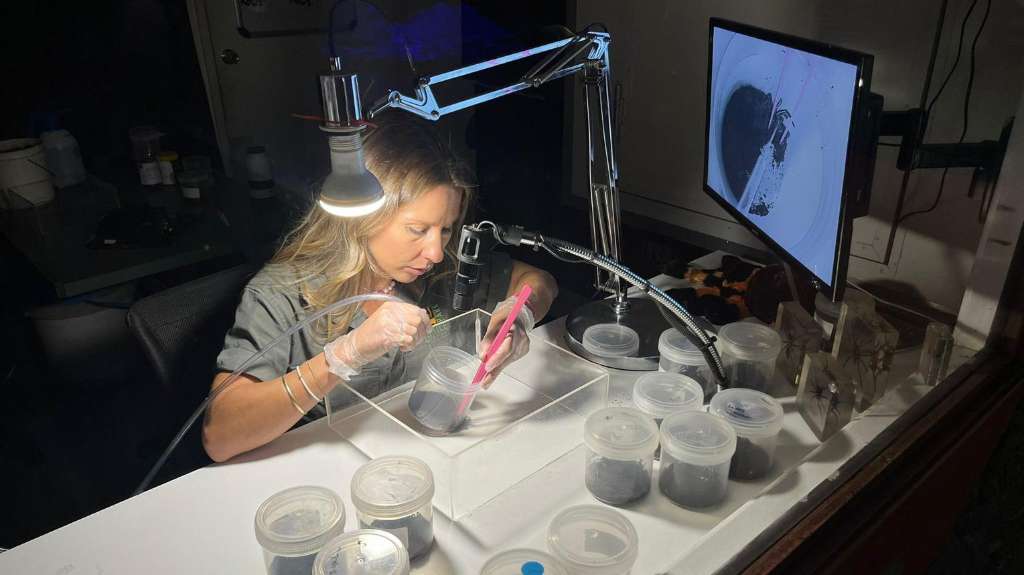
Once spiders are collected, trained keepers carefully extract venom through a specialised process known as venom milking. The collected venom is then frozen and sent for manufacturing into antivenom products used in Australian hospitals.
The program is considered one of Australia’s most important wildlife-based medical initiatives. Since funnel-web antivenom became available, rapid treatment combined with emergency medical care has dramatically improved survival outcomes for people bitten by these spiders.
The Central Coast community has played an important role in supporting the program, with residents able to contribute by safely handing in funnel-web spiders or egg sacs through official collection locations. These community contributions help maintain the national supply chain for antivenom production.
The achievement also highlights the connection between wildlife conservation and human health. While funnel-web spiders are feared because of their venom, they are also essential contributors to a medical program that protects thousands of Australians.
Researchers and wildlife experts say maintaining strong breeding populations is essential because producing antivenom requires ongoing access to venom, and interruptions to supply can create significant risks.
The Australian Reptile Park continues to work with medical and pharmaceutical partners to ensure Australia remains prepared to treat serious funnel-web spider bites.
The latest milestone demonstrates how scientific research, wildlife management and community involvement can combine to support a critical national health resource.
Funnel-WebSpidersVenomProgramAntivenom
A major milestone has been reached in the production of Australia’s life-saving funnel-web spider antivenom, with the Central Coast-based venom program continuing to strengthen its breeding and supply efforts.
The Australian Reptile Park at Somersby, NSW Central Coast, plays a critical role in Australia’s funnel-web antivenom program by collecting venom from Sydney funnel-web spiders. The venom is supplied for the production of antivenom, which has helped prevent deaths from funnel-web spider bites for more than four decades.
The milestone comes as the program focuses on improving long-term sustainability through expanded breeding facilities and increased spider numbers. The park has invested in raising thousands of young funnel-web spiders to ensure future generations can contribute to venom collection once they mature.
Funnel-web spiders are among Australia’s most dangerous spiders, with their venom capable of causing severe medical emergencies. The antivenom program relies mainly on adult male funnel-web spiders because their venom is particularly valuable for production. Male spiders have a short lifespan after reaching maturity, meaning the program requires a continuous supply of new spiders.
The program has faced challenges in recent years due to a decline in spider donations. During COVID-19 restrictions, fewer funnel-web spiders and egg sacs were collected, creating a gap in the future supply of mature spiders entering the venom program.
To address this challenge, the Australian Reptile Park has expanded its breeding operations and continues encouraging community members in areas around Sydney, Newcastle and the Central Coast to safely donate funnel-web spiders found around homes and properties.
Once spiders are collected, trained keepers carefully extract venom through a specialised process known as venom milking. The collected venom is then frozen and sent for manufacturing into antivenom products used in Australian hospitals.
The program is considered one of Australia’s most important wildlife-based medical initiatives. Since funnel-web antivenom became available, rapid treatment combined with emergency medical care has dramatically improved survival outcomes for people bitten by these spiders.
The Central Coast community has played an important role in supporting the program, with residents able to contribute by safely handing in funnel-web spiders or egg sacs through official collection locations. These community contributions help maintain the national supply chain for antivenom production.
The achievement also highlights the connection between wildlife conservation and human health. While funnel-web spiders are feared because of their venom, they are also essential contributors to a medical program that protects thousands of Australians.
Researchers and wildlife experts say maintaining strong breeding populations is essential because producing antivenom requires ongoing access to venom, and interruptions to supply can create significant risks.
The Australian Reptile Park continues to work with medical and pharmaceutical partners to ensure Australia remains prepared to treat serious funnel-web spider bites.
The latest milestone demonstrates how scientific research, wildlife management and community involvement can combine to support a critical national health resource.
Newcastle Museum will host the fifth annual Hunter Science Festival on 23 August, featuring 40 interactive exhibits, combat robots, science shows and ha...
Australia's nationwide insect survey has passed one million recorded observations, with scientists saying public participation is transforming knowledge...
A 36-year-old man has been charged after investigators allegedly found fraudulent identification documents, cloned number plates, cash and drug-manufact...
A Sydney court has heard that a man sent 249 messages to a former partner within 24 hours, with the messages treated as a single alleged breach of an ap...
A high-profile athlete has returned to court and told the hearing that an alleged unwanted kiss by former broadcaster Alan Jones remained difficult to f...
Work on the $150 million Sydney Town Hall Square project has been paused after the NSW Planning Minister referred the development for review by the Inde...
Cairns Regional Council has unanimously voted to seek $400,000 in Queensland Government funding for a program designed to connect local businesses with the region’s growing film...
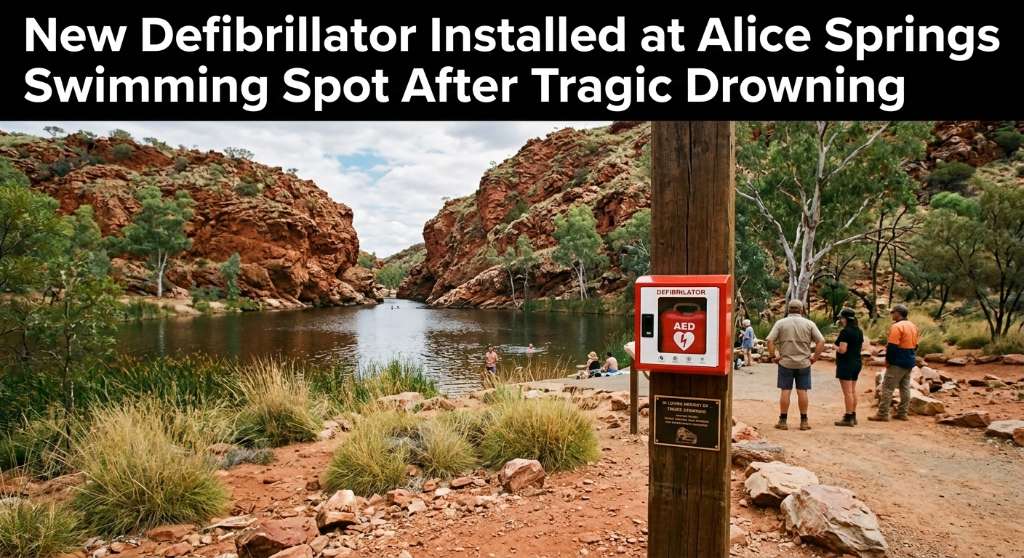
An automated external defibrillator and memorial plaque have been installed at Ellery Creek Big Hole following the death of disability advocate Ellen Fr...
Queensland firefighters spent several hours monitoring a significant grass fire at Mary Kinross Park in Bargara, near Bundaberg, after the blaze broke out on Wednesday evening....