Safety note: Admin approval is an initial review, not a guarantee that every detail is correct. Check important or urgent claims with official sources and report anything inaccurate or unsafe.
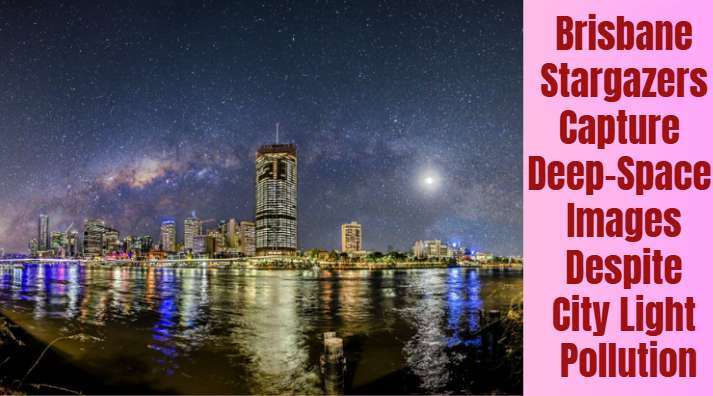
Amateur astronomers are using new telescope technology to photograph the Moon, planets and distant galaxies from Brisbane homes, showing that city skies still offer opportunities for stargazing.
Brisbane astronomy enthusiasts are proving that spectacular views of the night sky are still possible from within a major Australian city, despite the challenges created by urban light pollution.
Astrophotographers and amateur astronomers say modern technology has made it increasingly practical for people living in Brisbane to observe and photograph celestial objects from their own backyards. While artificial light can make faint stars and deep-space objects more difficult to see, brighter objects such as the Moon, planets, the Southern Cross and some meteor showers can still be observed from the city.
Brisbane resident Sudath Wijeratne began astrophotography about five years ago with a simple telescope and camera. What started as an effort to photograph the Moon eventually developed into a much more advanced hobby, including a small observatory at his home and equipment capable of capturing distant astronomical objects.
His photographs now include nebulae and galaxies located millions of light-years away. Long-exposure photography allows cameras to collect more light than the human eye can see, revealing details that are difficult or impossible to observe directly from a brightly lit urban environment.
The Southern Pinwheel Galaxy, for example, is approximately 15 million light-years from Earth. Images of distant galaxies and nebulae can be produced by combining multiple exposures, allowing astrophotographers to reveal faint structures hidden within the night sky.
The growth of smart telescopes is also making the hobby more accessible. Unlike traditional telescope setups that can require separate cameras, computers and other equipment, smart telescopes combine several functions into one system and can be controlled through a smartphone or tablet.
Users can select a celestial object through an app, after which the telescope can automatically locate it and capture a series of images. The images can then be combined to produce a clearer picture of the object.
Damian Fletcher, president of the South East Queensland Astronomical Society, said people are often surprised by how much can be seen even from parts of Brisbane affected by light pollution. The organisation runs public telescope nights where people can observe celestial objects without having to purchase their own equipment.
Astrophysicist Dr Michael Cowley from Queensland University of Technology also said smart telescopes were allowing students to obtain useful astronomical images from urban environments. This technology can make astronomy more accessible while also providing opportunities for educational and research activities.
Although professional-grade astronomy equipment can cost thousands or even tens of thousands of dollars, experienced Brisbane stargazers say beginners do not need expensive equipment to start.
Simply finding a comfortable location away from direct lights and spending time looking at the night sky can provide an introduction to astronomy. Community telescope events can then give beginners the opportunity to try more advanced equipment before deciding whether they want to invest in their own.
The Brisbane experience demonstrates that city living does not completely prevent people from connecting with the night sky. With careful observation and modern imaging technology, amateur astronomers can continue discovering planets, stars, nebulae and galaxies from Australia's urban centres.
BrisbaneEquipmentImagesLightObjects
Brisbane astronomy enthusiasts are proving that spectacular views of the night sky are still possible from within a major Australian city, despite the challenges created by urban light pollution.
Astrophotographers and amateur astronomers say modern technology has made it increasingly practical for people living in Brisbane to observe and photograph celestial objects from their own backyards. While artificial light can make faint stars and deep-space objects more difficult to see, brighter objects such as the Moon, planets, the Southern Cross and some meteor showers can still be observed from the city.
Brisbane resident Sudath Wijeratne began astrophotography about five years ago with a simple telescope and camera. What started as an effort to photograph the Moon eventually developed into a much more advanced hobby, including a small observatory at his home and equipment capable of capturing distant astronomical objects.
His photographs now include nebulae and galaxies located millions of light-years away. Long-exposure photography allows cameras to collect more light than the human eye can see, revealing details that are difficult or impossible to observe directly from a brightly lit urban environment.
The Southern Pinwheel Galaxy, for example, is approximately 15 million light-years from Earth. Images of distant galaxies and nebulae can be produced by combining multiple exposures, allowing astrophotographers to reveal faint structures hidden within the night sky.
The growth of smart telescopes is also making the hobby more accessible. Unlike traditional telescope setups that can require separate cameras, computers and other equipment, smart telescopes combine several functions into one system and can be controlled through a smartphone or tablet.
Users can select a celestial object through an app, after which the telescope can automatically locate it and capture a series of images. The images can then be combined to produce a clearer picture of the object.
Damian Fletcher, president of the South East Queensland Astronomical Society, said people are often surprised by how much can be seen even from parts of Brisbane affected by light pollution. The organisation runs public telescope nights where people can observe celestial objects without having to purchase their own equipment.
Astrophysicist Dr Michael Cowley from Queensland University of Technology also said smart telescopes were allowing students to obtain useful astronomical images from urban environments. This technology can make astronomy more accessible while also providing opportunities for educational and research activities.
Although professional-grade astronomy equipment can cost thousands or even tens of thousands of dollars, experienced Brisbane stargazers say beginners do not need expensive equipment to start.
Simply finding a comfortable location away from direct lights and spending time looking at the night sky can provide an introduction to astronomy. Community telescope events can then give beginners the opportunity to try more advanced equipment before deciding whether they want to invest in their own.
The Brisbane experience demonstrates that city living does not completely prevent people from connecting with the night sky. With careful observation and modern imaging technology, amateur astronomers can continue discovering planets, stars, nebulae and galaxies from Australia's urban centres.
Newcastle Museum will host the fifth annual Hunter Science Festival on 23 August, featuring 40 interactive exhibits, combat robots, science shows and ha...
The Australian Reptile Park’s funnel-web spider program has reached a significant milestone as efforts continue to secure the future of Australia’s crit...
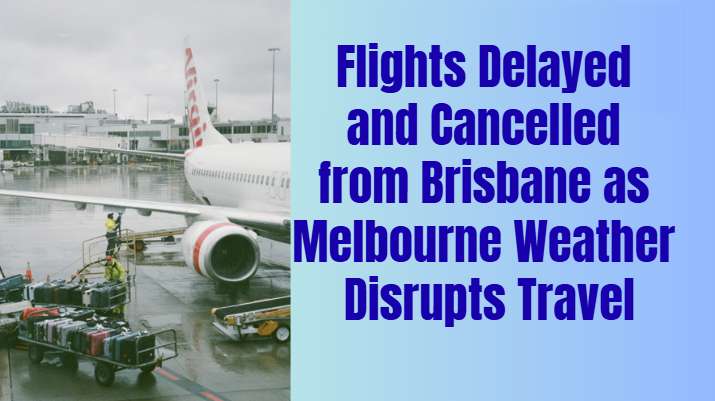
Severe weather in Melbourne has caused flight disruptions from Brisbane, with at least one flight cancelled and other services delayed as passengers tra...
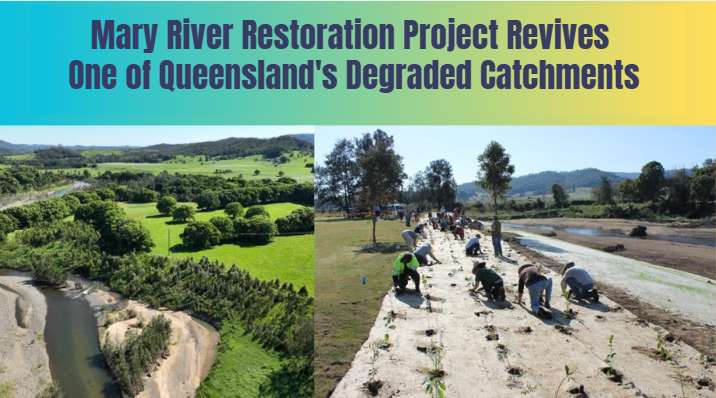
A long-running community restoration effort along Queensland's Mary River is reducing erosion, improving water quality and helping restore habitat for n...
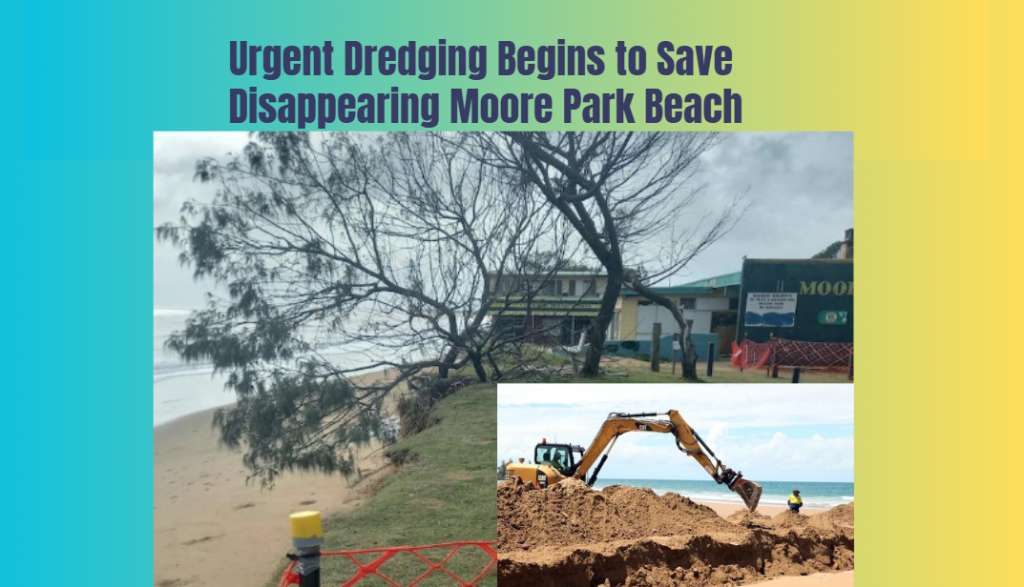
Emergency dredging has begun at Moore Park Beach near Bundaberg after severe erosion washed away sections of the coastline and shifted the mouth of Moor...
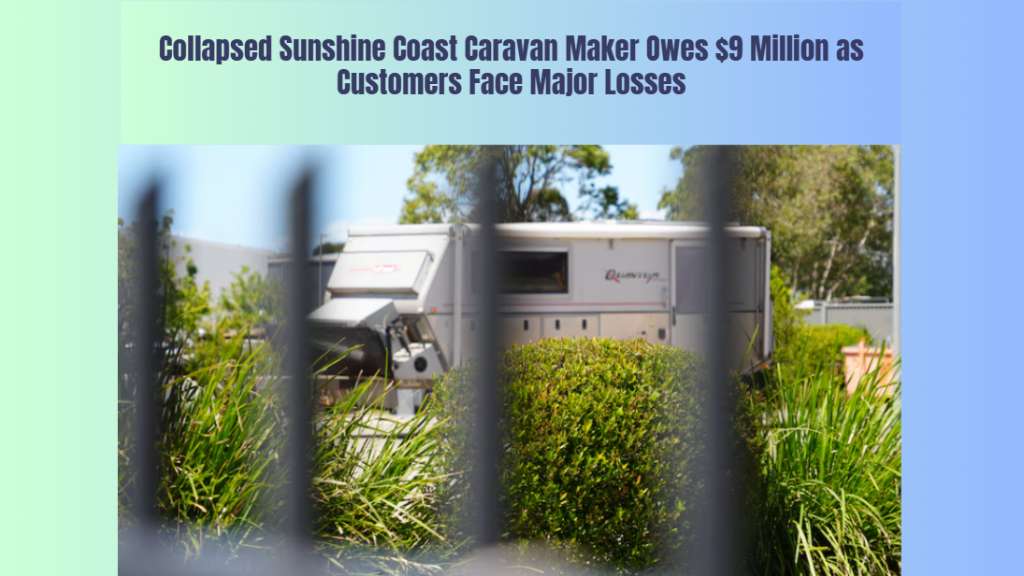
Administrators have revealed Australian Off Road owes about $9 million after the Sunshine Coast caravan manufacturer collapsed, leaving customers, emplo...
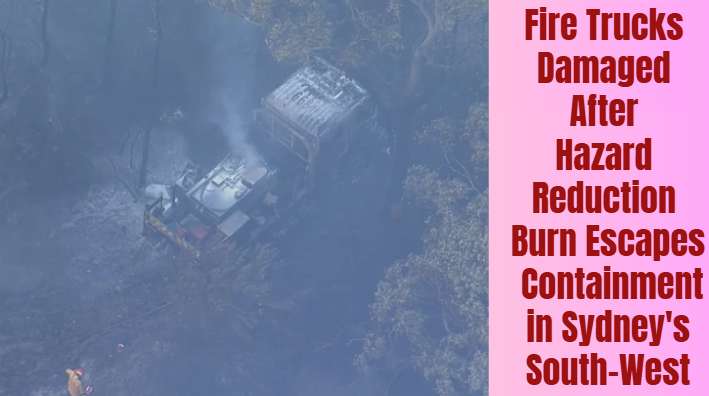
Multiple Rural Fire Service trucks were damaged after a planned hazard reduction burn at Wedderburn in Sydney's south-west escaped containment on Saturday.
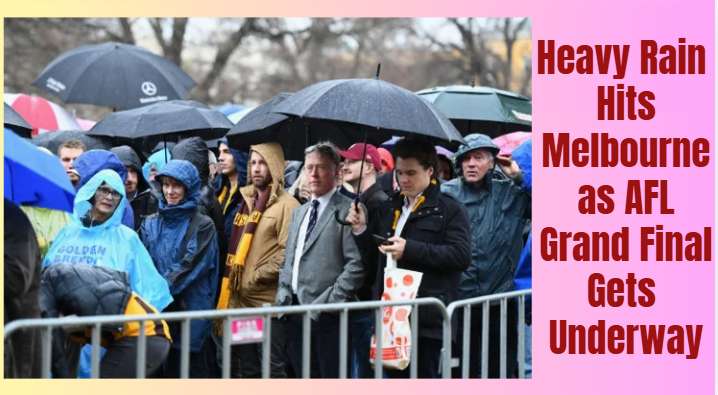
Wet conditions at the Melbourne Cricket Ground are creating difficult conditions for the AFL Grand Final, while poor weather has also disrupted flights...
Australian cyclist Sarah Gigante is back racing internationally after more than a year away from competition and will lead a four-rider Australian team...
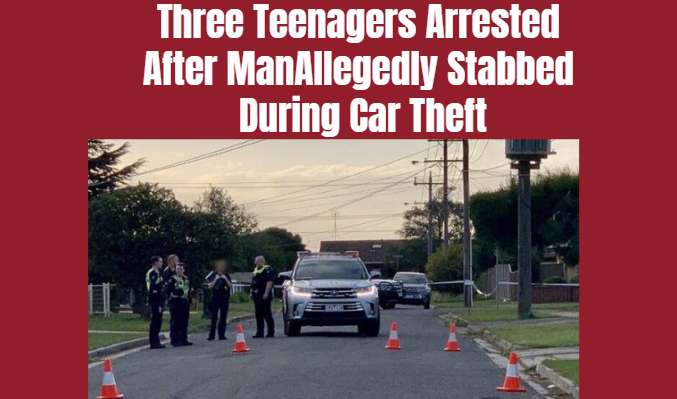
Police have arrested three teenagers after a man was allegedly stabbed while confronting a group of boys attempting to break into a car in Melbourne’s s...