Safety note: Admin approval is an initial review, not a guarantee that every detail is correct. Check important or urgent claims with official sources and report anything inaccurate or unsafe.
Source and credit: Contributor's own report
South Australia's Largest Federal Electorate Renamed to Honour Dr Lowitja O'Donoghue - Whyalla, SA
Smart summary
The Australian Electoral Commission has confirmed that the federal electorate of Grey will be renamed O'Donoghue in recognition of the late Aboriginal leader Dr Lowitja O'Donoghue's lifelong contributions to Indigenou...
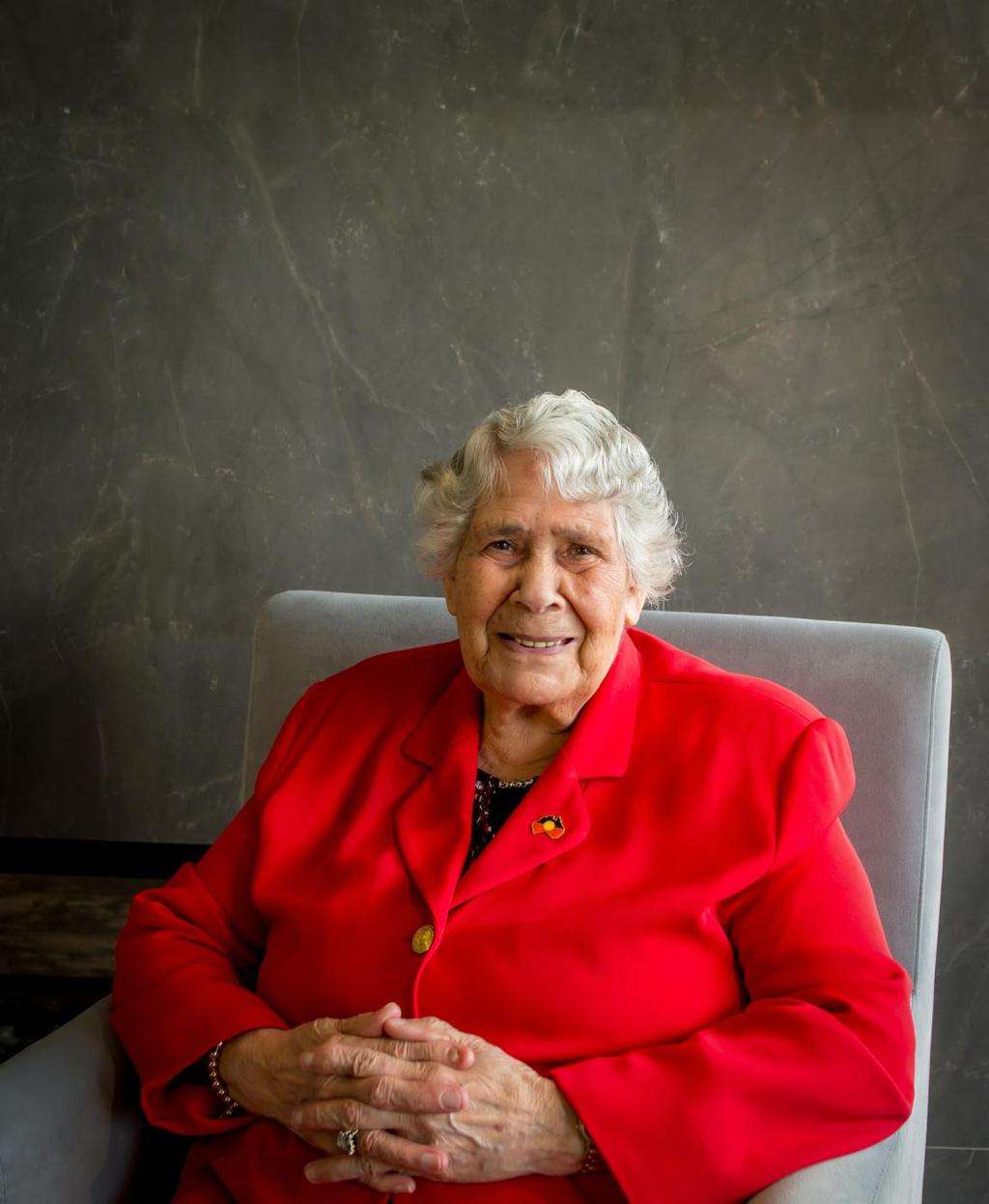
South Australia's largest federal electorate will officially be renamed O'Donoghue, honouring the late Aboriginal leader Dr Lowitja O'Donoghue, following a decision by the Australian Electoral Commission (AEC). The change marks one of the most significant electoral renamings in recent Australian history and recognises the extraordinary contribution Dr O'Donoghue made to Indigenous Australians and the nation as a whole.
Previously known as Grey, the electorate has carried that name since it was established in 1903. It covers more than 92 per cent of South Australia's land area, making it the state's largest federal electorate. The seat was originally named after Sir George Grey, a former Governor of South Australia during the colonial era. After a redistribution review, the AEC concluded that renaming the electorate in honour of Dr O'Donoghue was appropriate because of her lasting impact on the region and Australia.
Dr Lowitja O'Donoghue, who passed away in February 2024 at the age of 91, was one of Australia's most respected Indigenous leaders. She became the first Aboriginal person to train as a nurse at the Royal Adelaide Hospital and later built an outstanding career in public service. She played a leading role in advancing Indigenous health, education, land rights and reconciliation, and was a key contributor to negotiations surrounding the Native Title Act 1993. She also served as the inaugural chairperson of the Aboriginal and Torres Strait Islander Commission (ATSIC).
The AEC said Dr O'Donoghue's lifelong connection to South Australia, particularly the APY Lands where she was born, together with her national achievements, provided compelling reasons for the name change. Her family welcomed the decision, saying she always regarded the region as home and devoted her life to improving opportunities for Aboriginal and Torres Strait Islander people.
The proposal attracted considerable public debate. During the consultation process, the AEC received 310 public submissions, with 235 supporting the retention of the name Grey and 75 supporting the change. Despite the larger number of submissions opposing the proposal, the commission said the arguments favouring the renaming were more detailed and persuasive, particularly regarding Dr O'Donoghue's enduring contribution to Australian society.
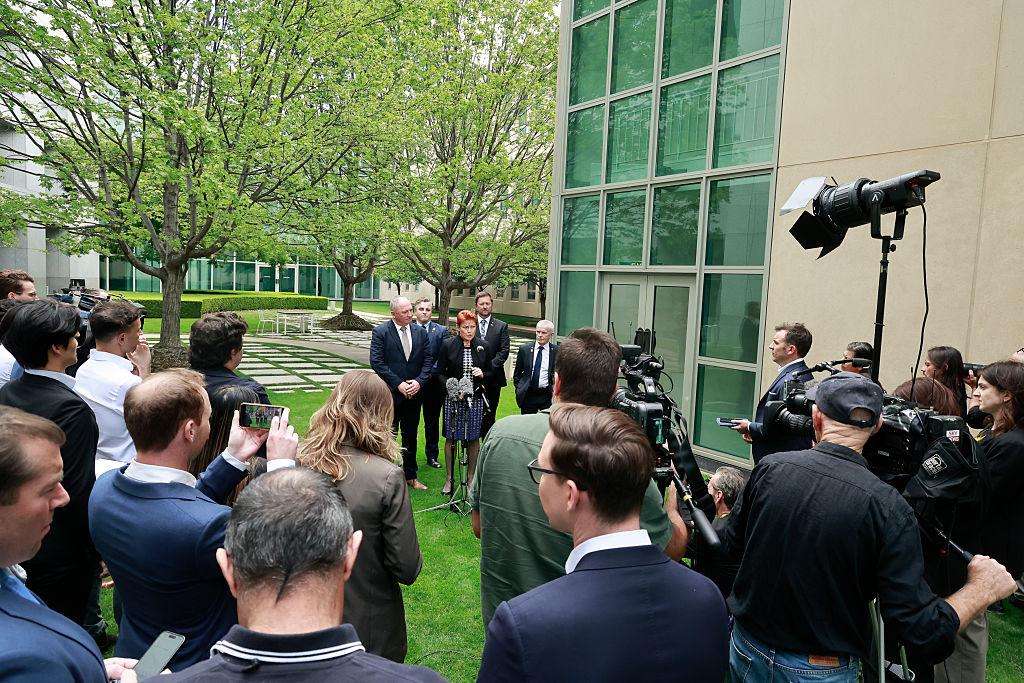
Local Liberal MP Tom Venning opposed the decision, arguing that many constituents preferred to retain the historic name Grey. He also expressed concern about the financial cost of updating electorate offices, signage, official documents and branding, estimating the changes would cost tens of thousands of dollars. While acknowledging Dr O'Donoghue's achievements, he suggested there were other ways to honour her legacy.
Election analysts say the decision reflects a broader trend by the AEC to review electorate names associated with colonial figures and instead recognise Australians who have made significant national contributions. The renaming of Grey to O'Donoghue represents an important symbolic acknowledgement of Indigenous leadership and Australia's evolving understanding of its history.
For many Australians, the new electorate name will serve as a lasting tribute to Dr Lowitja O'Donoghue's remarkable legacy of service, advocacy and reconciliation. Her work transformed Indigenous health and public policy and continues to inspire future generations across the country.
DonoghueElectorateGreyIndigenousName
South Australia's largest federal electorate will officially be renamed O'Donoghue, honouring the late Aboriginal leader Dr Lowitja O'Donoghue, following a decision by the Australian Electoral Commission (AEC). The change marks one of the most significant electoral renamings in recent Australian history and recognises the extraordinary contribution Dr O'Donoghue made to Indigenous Australians and the nation as a whole.
Previously known as Grey, the electorate has carried that name since it was established in 1903. It covers more than 92 per cent of South Australia's land area, making it the state's largest federal electorate. The seat was originally named after Sir George Grey, a former Governor of South Australia during the colonial era. After a redistribution review, the AEC concluded that renaming the electorate in honour of Dr O'Donoghue was appropriate because of her lasting impact on the region and Australia.
Dr Lowitja O'Donoghue, who passed away in February 2024 at the age of 91, was one of Australia's most respected Indigenous leaders. She became the first Aboriginal person to train as a nurse at the Royal Adelaide Hospital and later built an outstanding career in public service. She played a leading role in advancing Indigenous health, education, land rights and reconciliation, and was a key contributor to negotiations surrounding the Native Title Act 1993. She also served as the inaugural chairperson of the Aboriginal and Torres Strait Islander Commission (ATSIC).
The AEC said Dr O'Donoghue's lifelong connection to South Australia, particularly the APY Lands where she was born, together with her national achievements, provided compelling reasons for the name change. Her family welcomed the decision, saying she always regarded the region as home and devoted her life to improving opportunities for Aboriginal and Torres Strait Islander people.
The proposal attracted considerable public debate. During the consultation process, the AEC received 310 public submissions, with 235 supporting the retention of the name Grey and 75 supporting the change. Despite the larger number of submissions opposing the proposal, the commission said the arguments favouring the renaming were more detailed and persuasive, particularly regarding Dr O'Donoghue's enduring contribution to Australian society.
Local Liberal MP Tom Venning opposed the decision, arguing that many constituents preferred to retain the historic name Grey. He also expressed concern about the financial cost of updating electorate offices, signage, official documents and branding, estimating the changes would cost tens of thousands of dollars. While acknowledging Dr O'Donoghue's achievements, he suggested there were other ways to honour her legacy.
Election analysts say the decision reflects a broader trend by the AEC to review electorate names associated with colonial figures and instead recognise Australians who have made significant national contributions. The renaming of Grey to O'Donoghue represents an important symbolic acknowledgement of Indigenous leadership and Australia's evolving understanding of its history.
For many Australians, the new electorate name will serve as a lasting tribute to Dr Lowitja O'Donoghue's remarkable legacy of service, advocacy and reconciliation. Her work transformed Indigenous health and public policy and continues to inspire future generations across the country.
The Federal Government is preparing new measures targeting temporary visas, visa overstayers, international students and visa-hopping, while maintaining...
One Nation’s proposed major reduction in migration has triggered warnings that a sharp cut to population growth could weaken Australia’s economy and cre...
New community information initiatives are helping residents access emergency warnings and local support as Port Augusta and the wider region prepare for...
An Edge Early Learning centre in Port Augusta has been ordered to close for two weeks after a child with allergies was hospitalised after being given fo...
A 44-year-old man has been jailed after police found suspected methamphetamine, GHB and more than $40,000 in cash before he travelled towards Mount Gamb...
Cairns Regional Council has unanimously voted to seek $400,000 in Queensland Government funding for a program designed to connect local businesses with the region’s growing film...
An automated external defibrillator and memorial plaque have been installed at Ellery Creek Big Hole following the death of disability advocate Ellen Fr...
Queensland firefighters spent several hours monitoring a significant grass fire at Mary Kinross Park in Bargara, near Bundaberg, after the blaze broke out on Wednesday evening....