South Australian Council Approves Private Land Burials Outside Traditional Cemeteries
By Chloe · Published 23 Nov 2026 · Updated 23 Nov 2026
Coorong, SA
Safety note: Admin approval is an initial review, not a guarantee that every detail is correct. Check important or urgent claims with official sources and report anything inaccurate or unsafe.
Source and credit: Contributor's own report
South Australian Council Approves Private Land Burials Outside Traditional Cemeteries - Coorong, SA
Smart summary
Coorong District Council has approved a policy allowing eligible families to arrange burials on private land outside town boundaries, offering new options for people with strong family, cultural and historical connect...
A council in South Australia's south-east has approved a new policy allowing people to arrange burials on eligible private land, creating an alternative to traditional cemetery burials.
The decision was made by Coorong District Council, which covers a large regional area in South Australia. The policy recognises that some families want their loved ones to be buried on land that holds deep personal, cultural or historical significance.
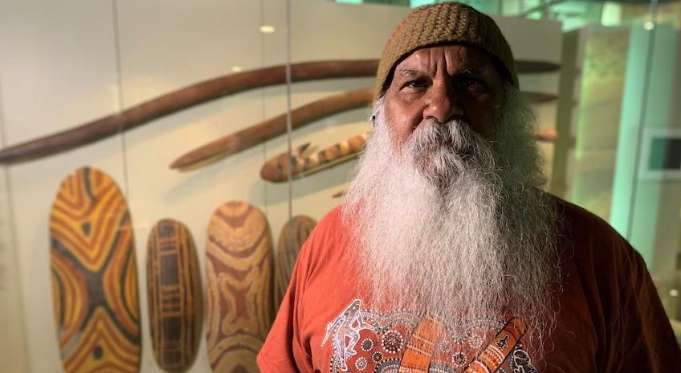
The issue received attention following the burial of Basil Sumner, known as Mulla, at Dupang in the Coorong region. His burial took place approximately nine weeks before the publication of the report.
Mulla's family had a strong connection to the area where he grew up. His brother, Major Moogy Sumner, explained that returning to their traditional land was an important part of his brother's wishes.
The funeral procession was particularly memorable. A coffin was transported in the sidecar of a Harley-Davidson motorcycle, accompanied by other motorcyclists through the Coorong region.
The family wanted Mulla to be buried near the place where their father was born, allowing him to return to an area that had been part of their childhood and family history.
The council's new policy provides a framework for considering similar requests. It allows applications for private burials on eligible properties outside town boundaries, including family farms and certain areas managed by the Aboriginal Lands Trust.
However, the approval does not mean that every property owner can automatically arrange a burial on private land. Applications must satisfy council requirements and relevant South Australian laws.
Among the important conditions, burial locations must be properly recorded and must not create risks to public health, buildings or waterways. The policy also requires consideration of whether human remains could be disturbed in the future.
One important concern is what happens if a property is sold. Unlike established cemeteries, private burial locations do not automatically receive the same long-term preservation protections.
Coorong Deputy Mayor Jonathan Pietzsch acknowledged that property ownership could change and that this creates uncertainty for families choosing private burial sites.
The policy also has significance for Aboriginal communities seeking to maintain connections with traditional lands. Aboriginal Lands Trust sites have additional protections, with the organisation explaining that remains buried on its managed land will not be dug up or removed.
The decision follows similar developments in other South Australian council areas, including Yankalilla and Mount Remarkable.
The issue has generated discussion among regional residents, farmers and families about land ownership, cultural heritage, environmental protection and personal wishes after death.
For some farming families, private burials may provide a meaningful way to maintain a connection with land that has remained in their family for generations. Others remain cautious because future property sales could complicate access to graves.
Major Moogy Sumner has also expressed a wish to have his father's remains moved from Adelaide's West Terrace Cemetery so that he can be buried alongside his brother.
The council's decision represents a significant development in regional South Australia's approach to private land burials, balancing family wishes with legal responsibilities and long-term considerations.
LandPrivateCouncilBurialBurials
A council in South Australia's south-east has approved a new policy allowing people to arrange burials on eligible private land, creating an alternative to traditional cemetery burials.
The decision was made by Coorong District Council, which covers a large regional area in South Australia. The policy recognises that some families want their loved ones to be buried on land that holds deep personal, cultural or historical significance.
The issue received attention following the burial of Basil Sumner, known as Mulla, at Dupang in the Coorong region. His burial took place approximately nine weeks before the publication of the report.
Mulla's family had a strong connection to the area where he grew up. His brother, Major Moogy Sumner, explained that returning to their traditional land was an important part of his brother's wishes.
The funeral procession was particularly memorable. A coffin was transported in the sidecar of a Harley-Davidson motorcycle, accompanied by other motorcyclists through the Coorong region.
The family wanted Mulla to be buried near the place where their father was born, allowing him to return to an area that had been part of their childhood and family history.
The council's new policy provides a framework for considering similar requests. It allows applications for private burials on eligible properties outside town boundaries, including family farms and certain areas managed by the Aboriginal Lands Trust.
However, the approval does not mean that every property owner can automatically arrange a burial on private land. Applications must satisfy council requirements and relevant South Australian laws.
Among the important conditions, burial locations must be properly recorded and must not create risks to public health, buildings or waterways. The policy also requires consideration of whether human remains could be disturbed in the future.
One important concern is what happens if a property is sold. Unlike established cemeteries, private burial locations do not automatically receive the same long-term preservation protections.
Coorong Deputy Mayor Jonathan Pietzsch acknowledged that property ownership could change and that this creates uncertainty for families choosing private burial sites.
The policy also has significance for Aboriginal communities seeking to maintain connections with traditional lands. Aboriginal Lands Trust sites have additional protections, with the organisation explaining that remains buried on its managed land will not be dug up or removed.
The decision follows similar developments in other South Australian council areas, including Yankalilla and Mount Remarkable.
The issue has generated discussion among regional residents, farmers and families about land ownership, cultural heritage, environmental protection and personal wishes after death.
For some farming families, private burials may provide a meaningful way to maintain a connection with land that has remained in their family for generations. Others remain cautious because future property sales could complicate access to graves.
Major Moogy Sumner has also expressed a wish to have his father's remains moved from Adelaide's West Terrace Cemetery so that he can be buried alongside his brother.
The council's decision represents a significant development in regional South Australia's approach to private land burials, balancing family wishes with legal responsibilities and long-term considerations.
A spreadsheet error has resulted in 87 commercial properties being overcharged council rates in South Australia's Riverland region. The council has conf...
Thousands of school leavers have arrived on Queensland's Gold Coast for Schoolies Week, but changing interests and declining attendance are reshaping th...
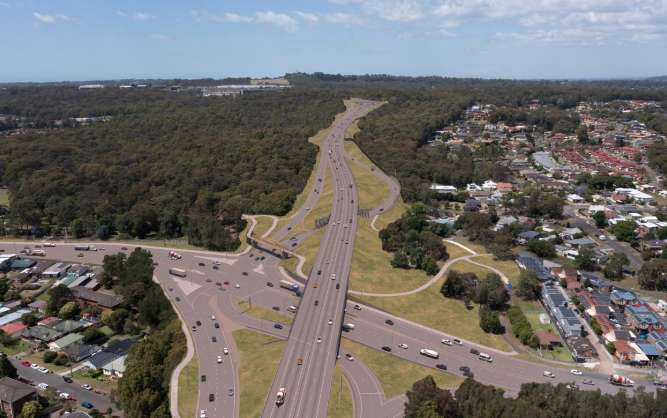
The final section of Newcastle's $488 million Inner City Bypass has officially opened, giving motorists a new route around 11 traffic lights and improvi...
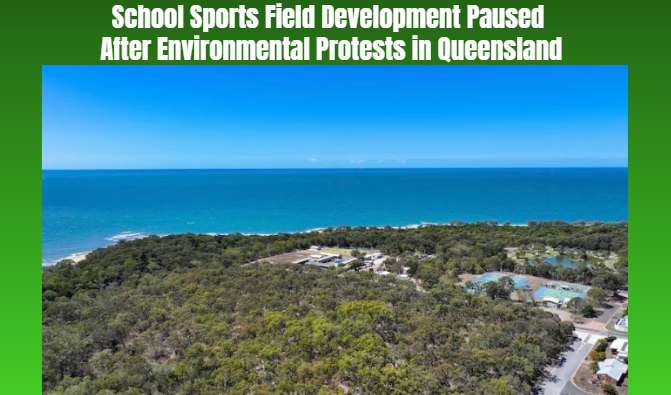
A proposed school sports field development at Canoe Point in Tannum Sands has been paused after environmental concerns were raised about clearing native...
Australian wine-industry supplier Tarac Technologies has announced a progressive closure of its operations, with approximately 50 jobs expected to be lo...
Snowy Hydro has appointed former NSW Transport chief Rodd Staples as the new chief delivery officer for its Snowy 2.0 project. The appointment comes aft...
Australian hydrogen technology company Hysata has made 17 employees redundant just two months after receiving a $49 million federal government grant. Th...
Health authorities are warning residents in Western Australia's Kimberley region about the increased risk of mosquito-borne diseases as the tropical wet...
Australian wine-industry supplier Tarac Technologies has announced a progressive closure of its operations, with approximately 50 jobs expected to be lo...
Three separate stabbing incidents over the weekend have brought community safety and crime prevention into focus ahead of Victoria's election campaign....
Snowy Hydro has appointed former NSW Transport chief Rodd Staples as the new chief delivery officer for its Snowy 2.0 project. The appointment comes aft...
Northern Territory Police have located a seven-year-old boy safe and well in Alice Springs after he went missing while playing with other children. Poli...