South Australian Health Worker’s Ban Upheld After False Cancer-Cure Claims
By Neha · Published 17 Oct 2026 · Updated 17 Oct 2026
Adelaide, SA · South Australia News
Safety note: Admin approval is an initial review, not a guarantee that every detail is correct. Check important or urgent claims with official sources and report anything inaccurate or unsafe.
Source and credit: Contributor's own report
South Australian Health Worker’s Ban Upheld After False Cancer-Cure Claims - Adelaide, SA
Smart summary
A tribunal has upheld an indefinite ban on Adrian Fabio Mangini after findings concerning misleading health claims and inappropriate conduct towards vulnerable clients. He has appealed the decision to the Supreme Court.
A South Australian tribunal has upheld an indefinite ban preventing health worker Adrian Fabio Mangini from practising, following findings that included misleading claims about health outcomes and inappropriate conduct involving vulnerable clients. Mangini has filed an appeal against the tribunal's decision in the state's Supreme Court.
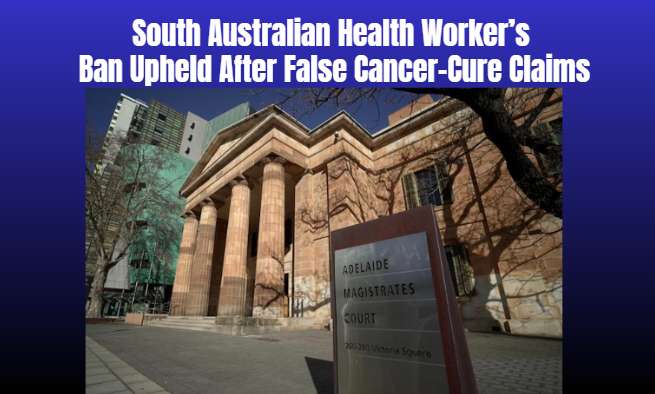
Mangini previously provided services including hypnotherapy, yoga and a practice he called “hypnogym”. He was banned from practising in 2024 by South Australia's Community Services Complaints Commissioner. He subsequently sought a review of that decision through the South Australian Civil and Administrative Tribunal (SACAT).
The tribunal upheld the ban after reviewing the findings against him. Its decision focused on concerns about the safety of clients, the accuracy of promotional claims and whether his conduct was compatible with continuing to provide health services.
One major concern involved claims that Mangini could cure cancer. According to the tribunal's findings, he privately messaged a client about helping another client become cancer-free for ten years, representing his services as capable of curing the disease. The tribunal found that the conduct supported the earlier decision to prohibit him from practising. The case also involved claims about a woman with a disability. Mangini had promoted a story suggesting that he enabled a woman who reportedly could not walk independently to walk after an 11-minute consultation involving hypnosis and encouraging words.
However, the tribunal noted that there was no evidence establishing that the woman had previously been unable to walk or required a walking frame. It upheld the finding that the promotional material presented an unsubstantiated account of the woman's condition and the effects of the consultation.
The tribunal also upheld a finding concerning behaviour of a sexual or close personal nature involving a client. These findings contributed to the assessment of the risks associated with allowing Mangini to continue providing services to members of the public.
In its judgment, the tribunal expressed serious concerns about the potential harm to vulnerable consumers and the lack of reliable evidence supporting the health claims. It also concluded that Mangini had not demonstrated sufficient insight into his behaviour or remorse for the conduct established during the proceedings.
Mangini argued that the proceedings were motivated by a personal vendetta. However, the tribunal said it was not satisfied that evidence supported this claim. It also rejected the suggestion that the allegations were driven by racial motivations, noting that the commissioner's findings had been independently investigated.
The decision highlights the importance of evidence-based information in health services, particularly when providers make claims about serious illnesses or promise dramatic improvements in a person's physical abilities. People seeking treatment should be cautious of anyone claiming to cure cancer through unproven methods and should consult appropriately qualified medical professionals for diagnosis and treatment.
The ruling does not end the legal process. Mangini has appealed to the South Australian Supreme Court, meaning further proceedings may follow. The appeal's outcome will determine whether the tribunal's decision remains in place or is changed through the court process.
For consumers, the case serves as a reminder to check a provider's qualifications, understand the evidence behind treatment claims and seek independent medical advice before relying on unconventional therapies.
TribunalManginiClaimsDecisionHealth
A South Australian tribunal has upheld an indefinite ban preventing health worker Adrian Fabio Mangini from practising, following findings that included misleading claims about health outcomes and inappropriate conduct involving vulnerable clients. Mangini has filed an appeal against the tribunal's decision in the state's Supreme Court.
Mangini previously provided services including hypnotherapy, yoga and a practice he called “hypnogym”. He was banned from practising in 2024 by South Australia's Community Services Complaints Commissioner. He subsequently sought a review of that decision through the South Australian Civil and Administrative Tribunal (SACAT).
The tribunal upheld the ban after reviewing the findings against him. Its decision focused on concerns about the safety of clients, the accuracy of promotional claims and whether his conduct was compatible with continuing to provide health services.
One major concern involved claims that Mangini could cure cancer. According to the tribunal's findings, he privately messaged a client about helping another client become cancer-free for ten years, representing his services as capable of curing the disease. The tribunal found that the conduct supported the earlier decision to prohibit him from practising. The case also involved claims about a woman with a disability. Mangini had promoted a story suggesting that he enabled a woman who reportedly could not walk independently to walk after an 11-minute consultation involving hypnosis and encouraging words.
However, the tribunal noted that there was no evidence establishing that the woman had previously been unable to walk or required a walking frame. It upheld the finding that the promotional material presented an unsubstantiated account of the woman's condition and the effects of the consultation.
The tribunal also upheld a finding concerning behaviour of a sexual or close personal nature involving a client. These findings contributed to the assessment of the risks associated with allowing Mangini to continue providing services to members of the public.
In its judgment, the tribunal expressed serious concerns about the potential harm to vulnerable consumers and the lack of reliable evidence supporting the health claims. It also concluded that Mangini had not demonstrated sufficient insight into his behaviour or remorse for the conduct established during the proceedings.
Mangini argued that the proceedings were motivated by a personal vendetta. However, the tribunal said it was not satisfied that evidence supported this claim. It also rejected the suggestion that the allegations were driven by racial motivations, noting that the commissioner's findings had been independently investigated.
The decision highlights the importance of evidence-based information in health services, particularly when providers make claims about serious illnesses or promise dramatic improvements in a person's physical abilities. People seeking treatment should be cautious of anyone claiming to cure cancer through unproven methods and should consult appropriately qualified medical professionals for diagnosis and treatment.
The ruling does not end the legal process. Mangini has appealed to the South Australian Supreme Court, meaning further proceedings may follow. The appeal's outcome will determine whether the tribunal's decision remains in place or is changed through the court process.
For consumers, the case serves as a reminder to check a provider's qualifications, understand the evidence behind treatment claims and seek independent medical advice before relying on unconventional therapies.
Detectives have released CCTV images of a man who may assist an investigation into several alleged sexual offences involving women in the Narrabeen area.
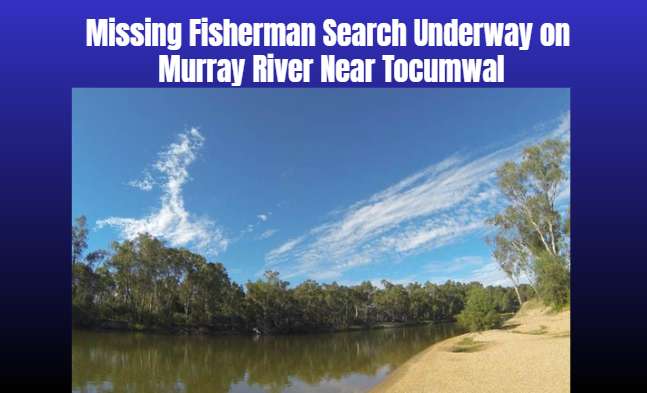
Emergency services are searching for a 39-year-old man who went fishing in a small boat near the Murray River after he could not be contacted. Police an...
Police have released CCTV footage showing a person of interest outside a home in Cobden, south-west Victoria, before a suspected deliberate fire threate...
Stolen electrical cables have disabled street lighting across Perth, raising road-safety concerns as police investigate alleged thefts and the Western A...
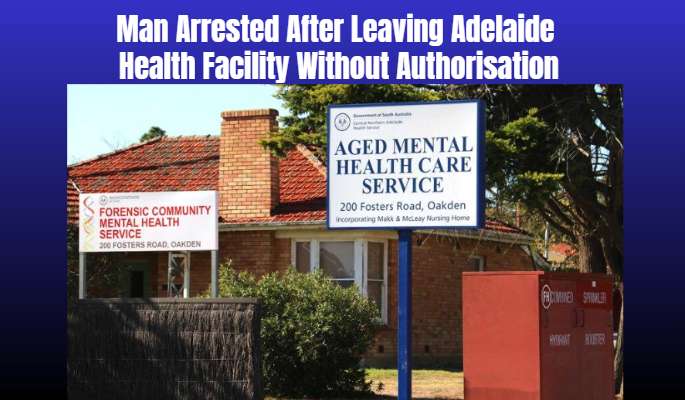
A 22-year-old man was arrested on Grand Junction Road less than 30 minutes after police were notified that a detained patient had left a health facility...
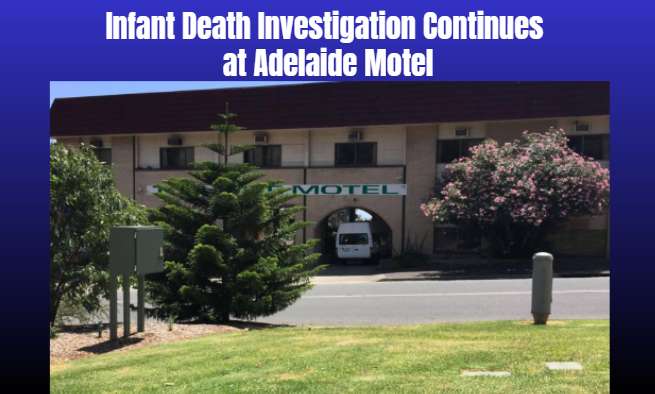
South Australian police have continued forensic examinations at a Glen Osmond motel after an infant was found dead there. Two adults have been charged i...
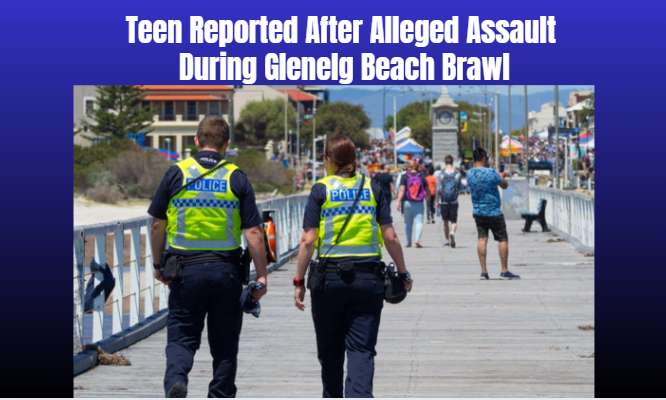
South Australian police have reported a teenage boy for alleged aggravated assault following an incident at Glenelg Beach in which a woman who tried to...
A 31-year-old man from Adelaide’s western suburbs has been charged with three counts of aggravated assault after a woman received hospital treatment for...
Detectives have released CCTV images of a man who may assist an investigation into several alleged sexual offences involving women in the Narrabeen area.
Australian chickpea prices have climbed from around $600 to nearly $1,000 per tonne in some regions, as overseas buyers rush to secure supplies ahead of...
Emergency services are searching for a 39-year-old man who went fishing in a small boat near the Murray River after he could not be contacted. Police an...
Police have released CCTV footage showing a person of interest outside a home in Cobden, south-west Victoria, before a suspected deliberate fire threate...