Safety note: Admin approval is an initial review, not a guarantee that every detail is correct. Check important or urgent claims with official sources and report anything inaccurate or unsafe.
Source and credit: Contributor's own report
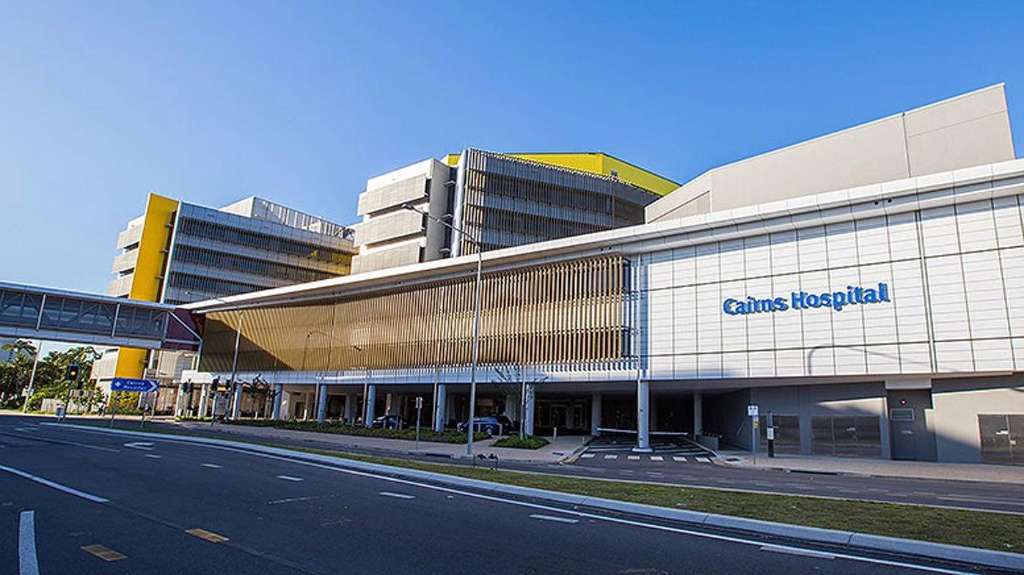
Student Program Returns to Cairns to Help Build North Queensland’s Future Health Workforce - Cairns, QLD
Smart summary
Twenty-one medical, nursing and allied health students have taken part in a regional training program across Far North Queensland, aimed at encouraging future healthcare professionals to build careers in rural communi...
A regional health workforce program has returned to Cairns and surrounding communities as part of ongoing efforts to address healthcare worker shortages across North Queensland. The initiative brought together 21 medical, nursing and allied health students for a three-day experience designed to introduce them to rural healthcare and encourage them to pursue long-term careers in regional Queensland.
The GROW Rural North Queensland program is delivered by Health Workforce Queensland in partnership with the Northern Queensland Primary Health Network (NQPHN). The initiative gives students practical experience in regional communities while helping them build relationships with local healthcare providers and employers.
During the program, students visited Cairns, Atherton, Malanda, Mareeba and Speewah, where they explored the challenges and opportunities of delivering healthcare in rural and remote areas. Activities included clinical workshops, cultural learning experiences, community engagement and visits to local health services.
Participants joined a yarning circle with local health professionals to strengthen their understanding of First Nations health, completed hands-on training involving ultrasound technology and rheumatic heart disease, and experienced life in regional communities by staying with local host families. They also took part in mental health and allied health activities, including learning about equine-assisted therapy and multidisciplinary models of care.
Health Workforce Queensland said repeated exposure to rural communities increases the likelihood that students will return after graduation to work in regional areas. By connecting students with healthcare providers early in their careers, the program aims to strengthen recruitment and improve long-term workforce retention.
Northern Queensland continues to experience shortages of doctors, nurses and allied health professionals, particularly in smaller and remote communities. Workforce initiatives such as GROW Rural are designed to improve access to healthcare by encouraging graduates to establish careers outside major metropolitan centres.
NQPHN Chief Executive Ben Tooth said providing students with authentic rural experiences helps them better understand community healthcare needs while creating stronger connections with local employers. Health Workforce Queensland CEO Stewart Gordon said the program is an important investment in developing a sustainable health workforce for the region.
Organisers hope many of the participating students will return to North Queensland for future clinical placements and eventually take up permanent positions in regional hospitals, general practices and community health services, helping improve healthcare access for rural residents.
HealthQueenslandHealthcareWorkforceRural
A regional health workforce program has returned to Cairns and surrounding communities as part of ongoing efforts to address healthcare worker shortages across North Queensland. The initiative brought together 21 medical, nursing and allied health students for a three-day experience designed to introduce them to rural healthcare and encourage them to pursue long-term careers in regional Queensland.
The GROW Rural North Queensland program is delivered by Health Workforce Queensland in partnership with the Northern Queensland Primary Health Network (NQPHN). The initiative gives students practical experience in regional communities while helping them build relationships with local healthcare providers and employers.
During the program, students visited Cairns, Atherton, Malanda, Mareeba and Speewah, where they explored the challenges and opportunities of delivering healthcare in rural and remote areas. Activities included clinical workshops, cultural learning experiences, community engagement and visits to local health services.
Participants joined a yarning circle with local health professionals to strengthen their understanding of First Nations health, completed hands-on training involving ultrasound technology and rheumatic heart disease, and experienced life in regional communities by staying with local host families. They also took part in mental health and allied health activities, including learning about equine-assisted therapy and multidisciplinary models of care.
Health Workforce Queensland said repeated exposure to rural communities increases the likelihood that students will return after graduation to work in regional areas. By connecting students with healthcare providers early in their careers, the program aims to strengthen recruitment and improve long-term workforce retention.
Northern Queensland continues to experience shortages of doctors, nurses and allied health professionals, particularly in smaller and remote communities. Workforce initiatives such as GROW Rural are designed to improve access to healthcare by encouraging graduates to establish careers outside major metropolitan centres.
NQPHN Chief Executive Ben Tooth said providing students with authentic rural experiences helps them better understand community healthcare needs while creating stronger connections with local employers. Health Workforce Queensland CEO Stewart Gordon said the program is an important investment in developing a sustainable health workforce for the region.
Organisers hope many of the participating students will return to North Queensland for future clinical placements and eventually take up permanent positions in regional hospitals, general practices and community health services, helping improve healthcare access for rural residents.
New funding from local charity Wishlist is improving communication support for patients at Bundaberg Hospital, with resources designed to help people communicate more effectivel...
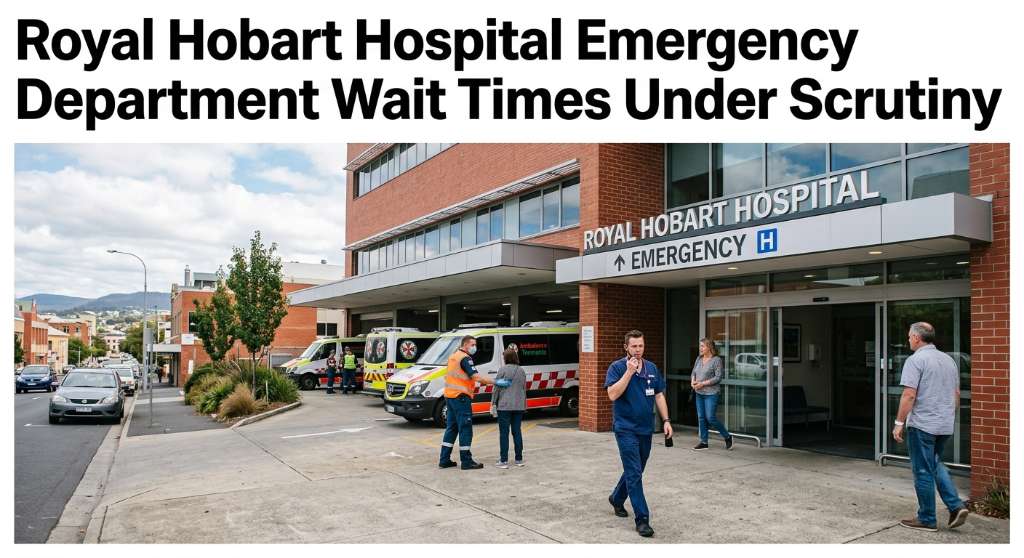
New figures have renewed concerns about emergency department delays at Royal Hobart Hospital, with the health system facing questions over patient waiti...
Central Coast New South Wales · Health News · 10 Sep 2026
The design for new Key Health Worker Accommodation at Wyong has been released today, with the project aimed at helping address the need for suitable accommodation for healthcare...
Queensland's emerging football prospects are coming together for a three-day Brisbane Lions State Academy showcase, giving young players an opportunity...
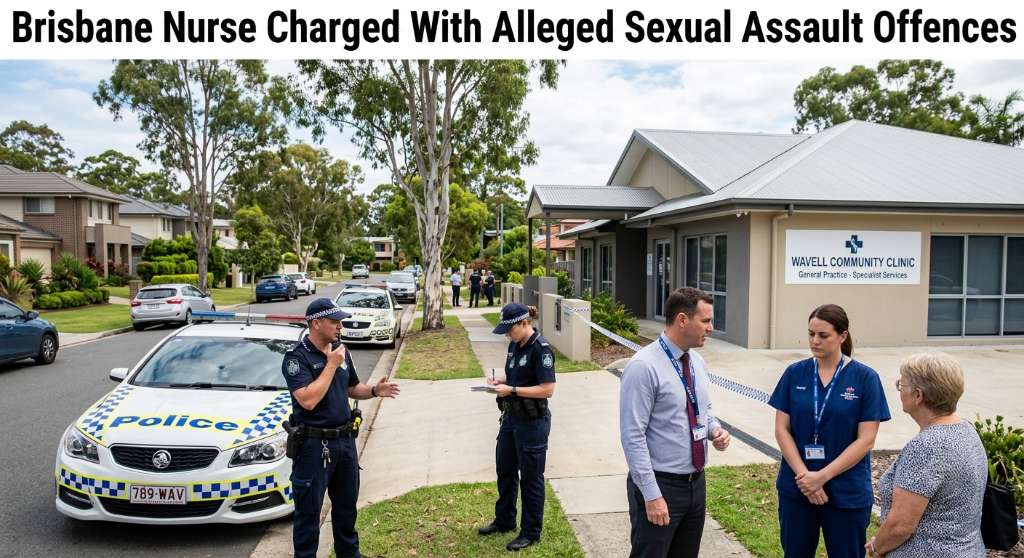
A Wavell Heights enrolled nurse has been charged with four counts of alleged sexual assault and one count of wilful exposure, with his professional regi...
A 24-year-old Carina Heights man has been charged with 36 offences following an investigation into alleged break-ins, vehicle offences and other propert...
Cairns Regional Council has unanimously voted to seek $400,000 in Queensland Government funding for a program designed to connect local businesses with the region’s growing film...
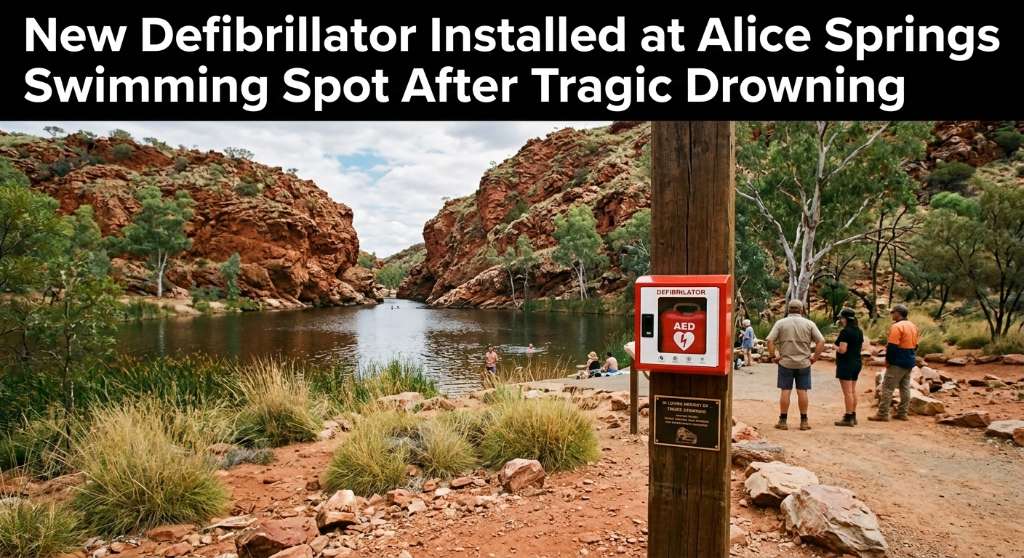
An automated external defibrillator and memorial plaque have been installed at Ellery Creek Big Hole following the death of disability advocate Ellen Fr...
Queensland firefighters spent several hours monitoring a significant grass fire at Mary Kinross Park in Bargara, near Bundaberg, after the blaze broke out on Wednesday evening....