Safety note: Admin approval is an initial review, not a guarantee that every detail is correct. Check important or urgent claims with official sources and report anything inaccurate or unsafe.
Source and credit: Contributor's own report
Sydney Airport Faces Major Delays After Air Traffic Control Disruptions - Sydney, NSW
Smart summary
More than 100 flights were delayed or cancelled at Sydney Airport as air traffic management issues affected passengers across the network.
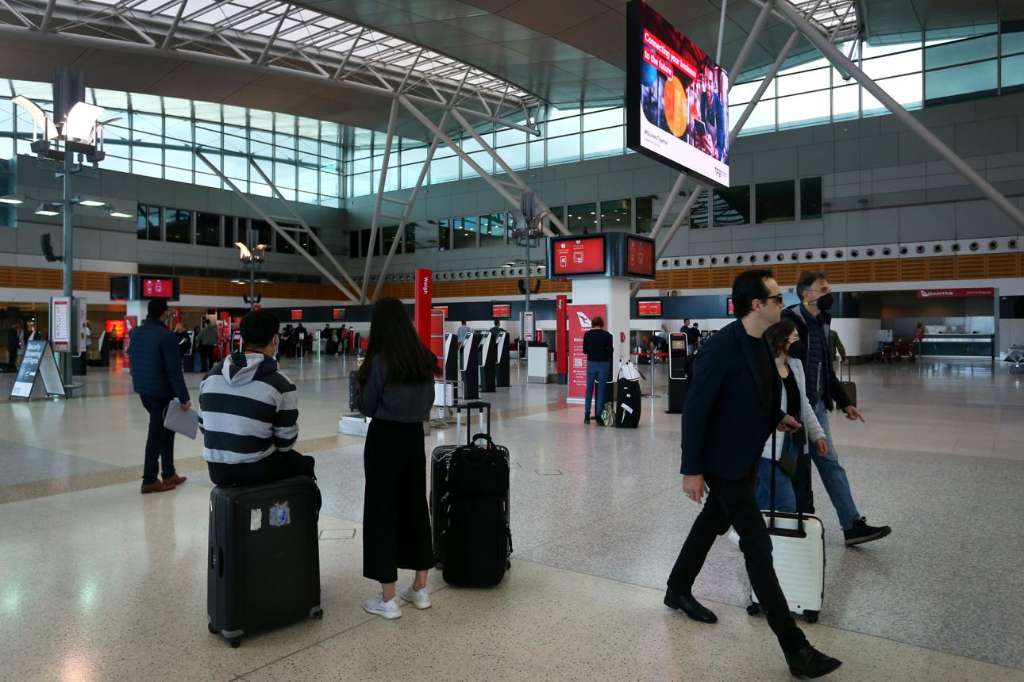
Sydney Airport experienced significant disruption today, 7 August 2026, after widespread flight delays and cancellations affected thousands of passengers travelling through one of Australia’s busiest aviation hubs. More than 100 flights were impacted as airlines managed reduced capacity linked to air traffic control operations.
Passengers arriving at and departing from Sydney Airport faced extended waiting times, with some travellers reporting delays of several hours. Major airlines operating from Sydney, including domestic and international carriers, were affected as flight schedules were adjusted throughout the day.
The disruption was linked to issues involving Airservices Australia, the organisation responsible for managing air traffic control services across the country. Temporary air traffic flow measures were introduced to manage aircraft movements safely while the situation was addressed.
Airlines worked to minimise the impact on passengers by rescheduling services, providing updated travel information and adjusting operations where possible. However, the large number of affected flights created congestion across terminals and increased waiting times for many travellers.
Sydney Airport is Australia’s busiest airport and plays a critical role in connecting New South Wales with domestic and international destinations. Any major disruption at the airport can have wider impacts across the national aviation network because aircraft and crews are often scheduled across multiple cities.
The delays also affected travellers heading to important events and business commitments. Some passengers expressed frustration over limited information during the disruption, while airlines continued working to restore normal operations.
Aviation authorities said safety remained the highest priority while managing the reduced capacity. Air traffic management decisions are designed to maintain safe separation between aircraft and prevent further operational issues.
The incident has renewed discussions about the reliability and capacity of Australia’s aviation infrastructure. Industry representatives have previously highlighted the importance of maintaining sufficient staffing levels and effective communication during periods of disruption.
Sydney Airport officials advised passengers to check directly with their airlines before travelling and allow extra time for potential delays. Travellers were encouraged to monitor flight updates through airline apps and airport information channels.
Despite the disruption, airport operations continued throughout the day, with teams working to clear the backlog and return schedules to normal. The situation is expected to improve as air traffic capacity returns to standard levels.
The event highlights the importance of reliable aviation systems for Sydney’s economy, tourism sector and business community. Thousands of people rely on Sydney Airport every day for work, holidays and essential travel.
Further updates are expected as airlines complete recovery operations and affected passengers reach their destinations.
AirportSydneyAirlinesDisruptionPassengers
Sydney Airport experienced significant disruption today, 7 August 2026, after widespread flight delays and cancellations affected thousands of passengers travelling through one of Australia’s busiest aviation hubs. More than 100 flights were impacted as airlines managed reduced capacity linked to air traffic control operations.
Passengers arriving at and departing from Sydney Airport faced extended waiting times, with some travellers reporting delays of several hours. Major airlines operating from Sydney, including domestic and international carriers, were affected as flight schedules were adjusted throughout the day.
The disruption was linked to issues involving Airservices Australia, the organisation responsible for managing air traffic control services across the country. Temporary air traffic flow measures were introduced to manage aircraft movements safely while the situation was addressed.
Airlines worked to minimise the impact on passengers by rescheduling services, providing updated travel information and adjusting operations where possible. However, the large number of affected flights created congestion across terminals and increased waiting times for many travellers.
Sydney Airport is Australia’s busiest airport and plays a critical role in connecting New South Wales with domestic and international destinations. Any major disruption at the airport can have wider impacts across the national aviation network because aircraft and crews are often scheduled across multiple cities.
The delays also affected travellers heading to important events and business commitments. Some passengers expressed frustration over limited information during the disruption, while airlines continued working to restore normal operations.
Aviation authorities said safety remained the highest priority while managing the reduced capacity. Air traffic management decisions are designed to maintain safe separation between aircraft and prevent further operational issues.
The incident has renewed discussions about the reliability and capacity of Australia’s aviation infrastructure. Industry representatives have previously highlighted the importance of maintaining sufficient staffing levels and effective communication during periods of disruption.
Sydney Airport officials advised passengers to check directly with their airlines before travelling and allow extra time for potential delays. Travellers were encouraged to monitor flight updates through airline apps and airport information channels.
Despite the disruption, airport operations continued throughout the day, with teams working to clear the backlog and return schedules to normal. The situation is expected to improve as air traffic capacity returns to standard levels.
The event highlights the importance of reliable aviation systems for Sydney’s economy, tourism sector and business community. Thousands of people rely on Sydney Airport every day for work, holidays and essential travel.
Further updates are expected as airlines complete recovery operations and affected passengers reach their destinations.
Passengers travelling through Sydney Airport on September 24 are being warned to allow extra time as separate strikes involving airport security and gro...
A British traveller was left behind at a remote South Australian roadside stop after her Greyhound bus departed during a scheduled overnight break near...
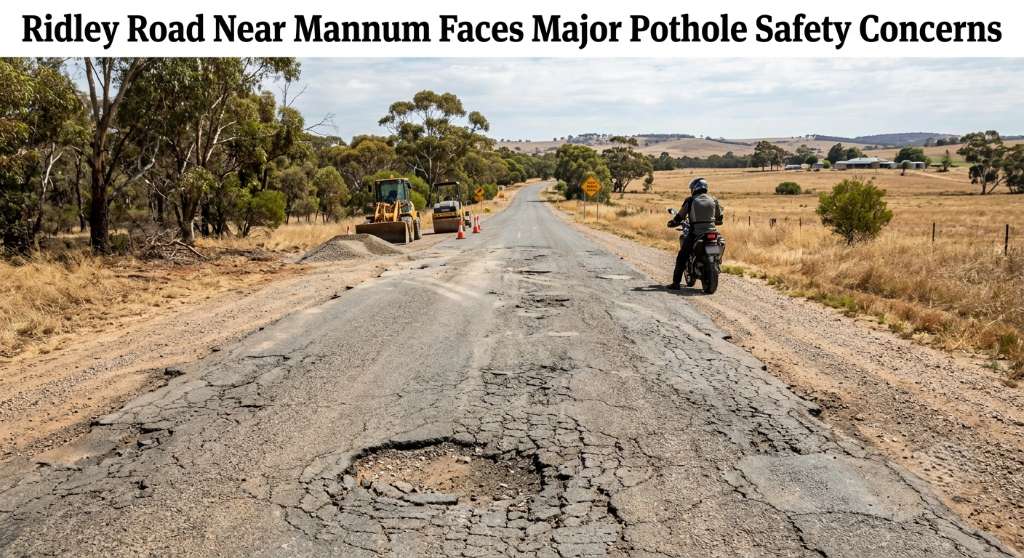
A badly deteriorated section of Ridley Road between Mannum and Cambrai has raised serious safety concerns, with South Australian authorities acknowledgi...
Prime Minister Anthony Albanese has launched Australia's campaign for a two-year seat on the United Nations Security Council while signing a decade-long...
Passengers travelling through Sydney Airport on September 24 are being warned to allow extra time as separate strikes involving airport security and gro...
Two men have been charged after detectives investigating an alleged large-scale drug supply network seized cocaine, methylamphetamine, MDMA and other it...
Administrators have revealed Australian Off Road owes about $9 million after the Sunshine Coast caravan manufacturer collapsed, leaving customers, emplo...
A woman has died following a serious three-vehicle collision involving a commercial bus and two cars in Glenburn, in Victoria’s Yarra Ranges, on Thursday, 24 September 2026. Eme...
A woman has died following a serious three-car collision in Leongatha, Victoria, on Wednesday afternoon, 23 September 2026. Emergency services were called to the Strzelecki High...
A Queensland parliamentary committee has completed regional hearings on proposed tougher bail laws, hearing from crime victims, legal experts and commun...